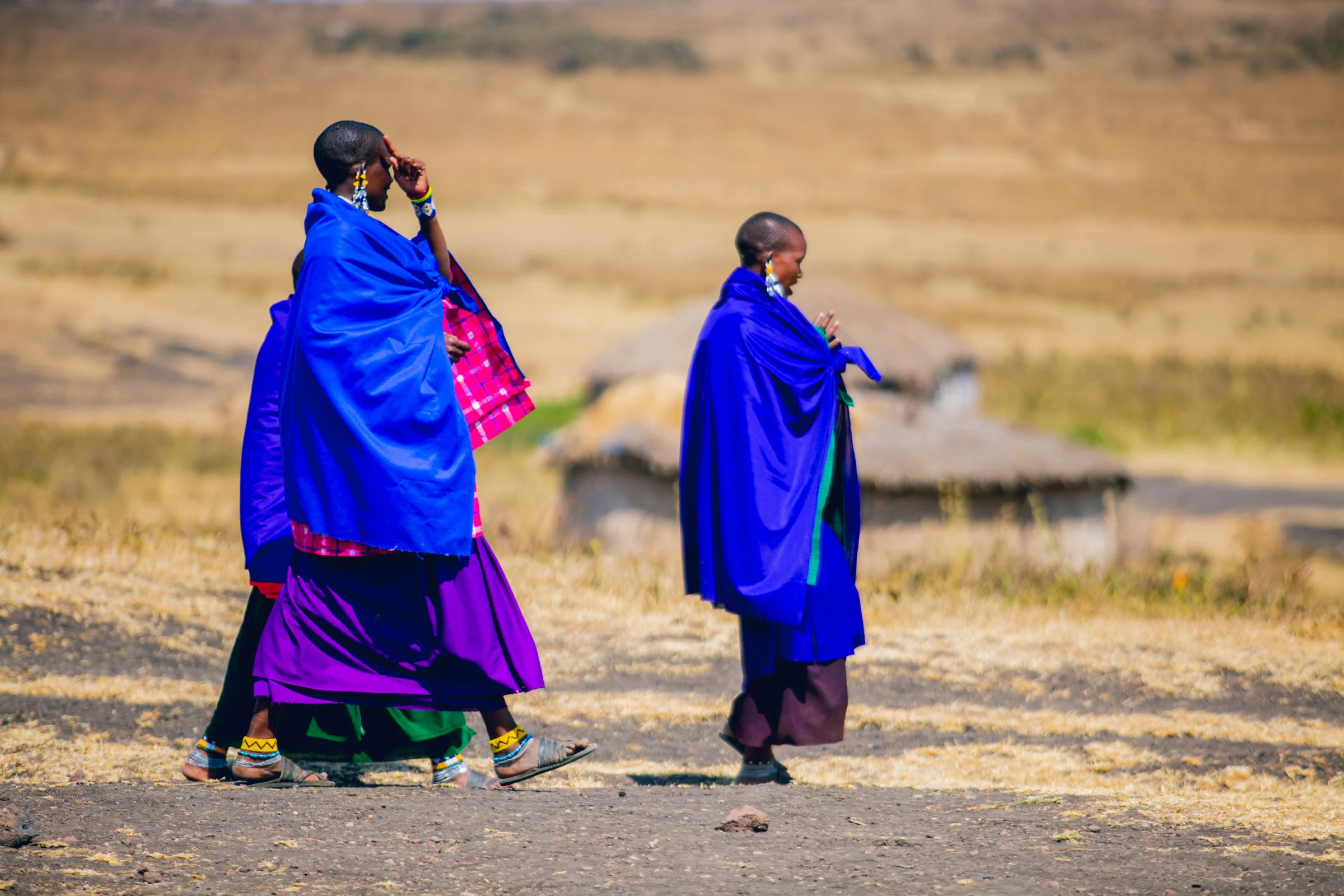
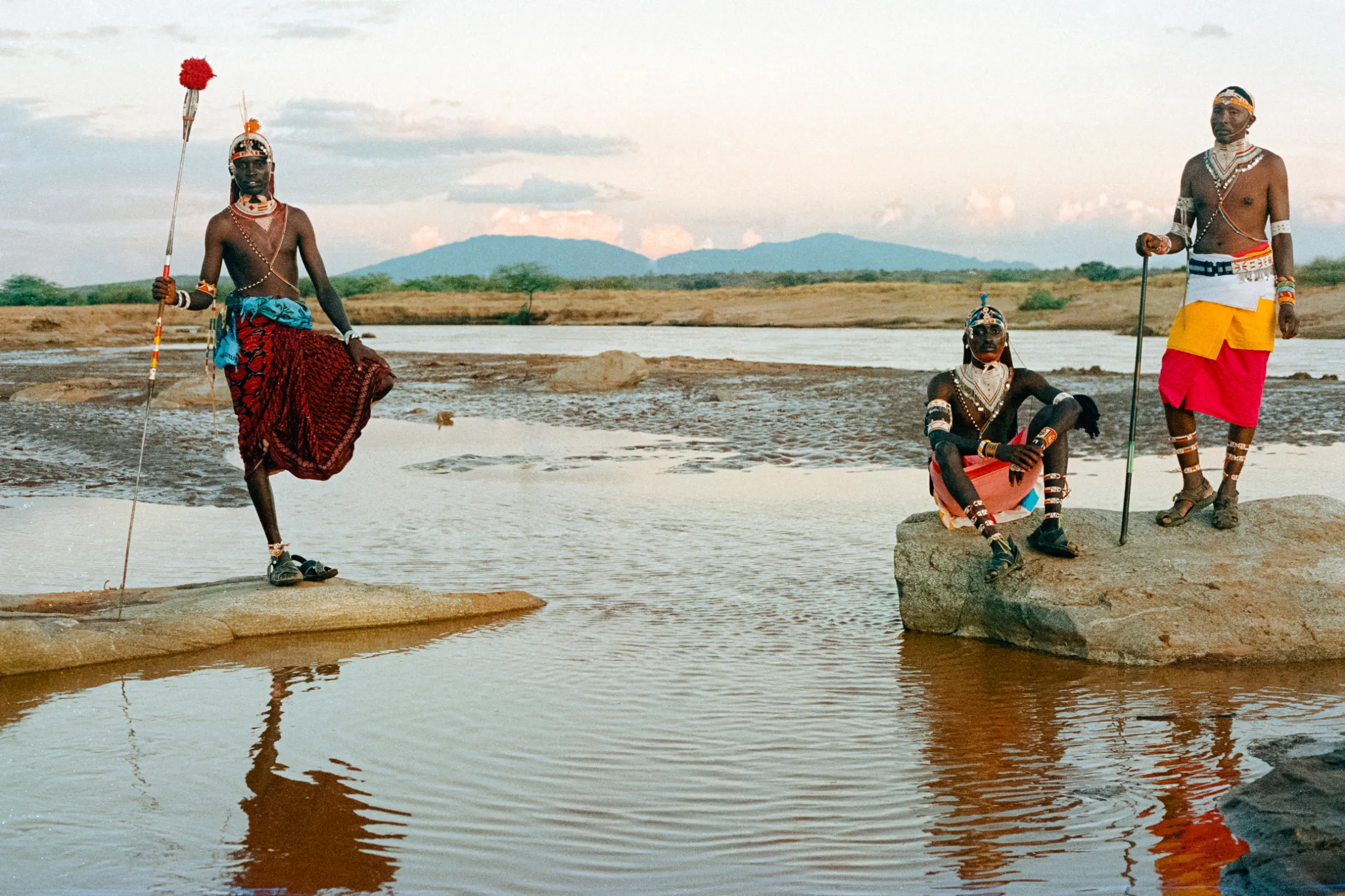
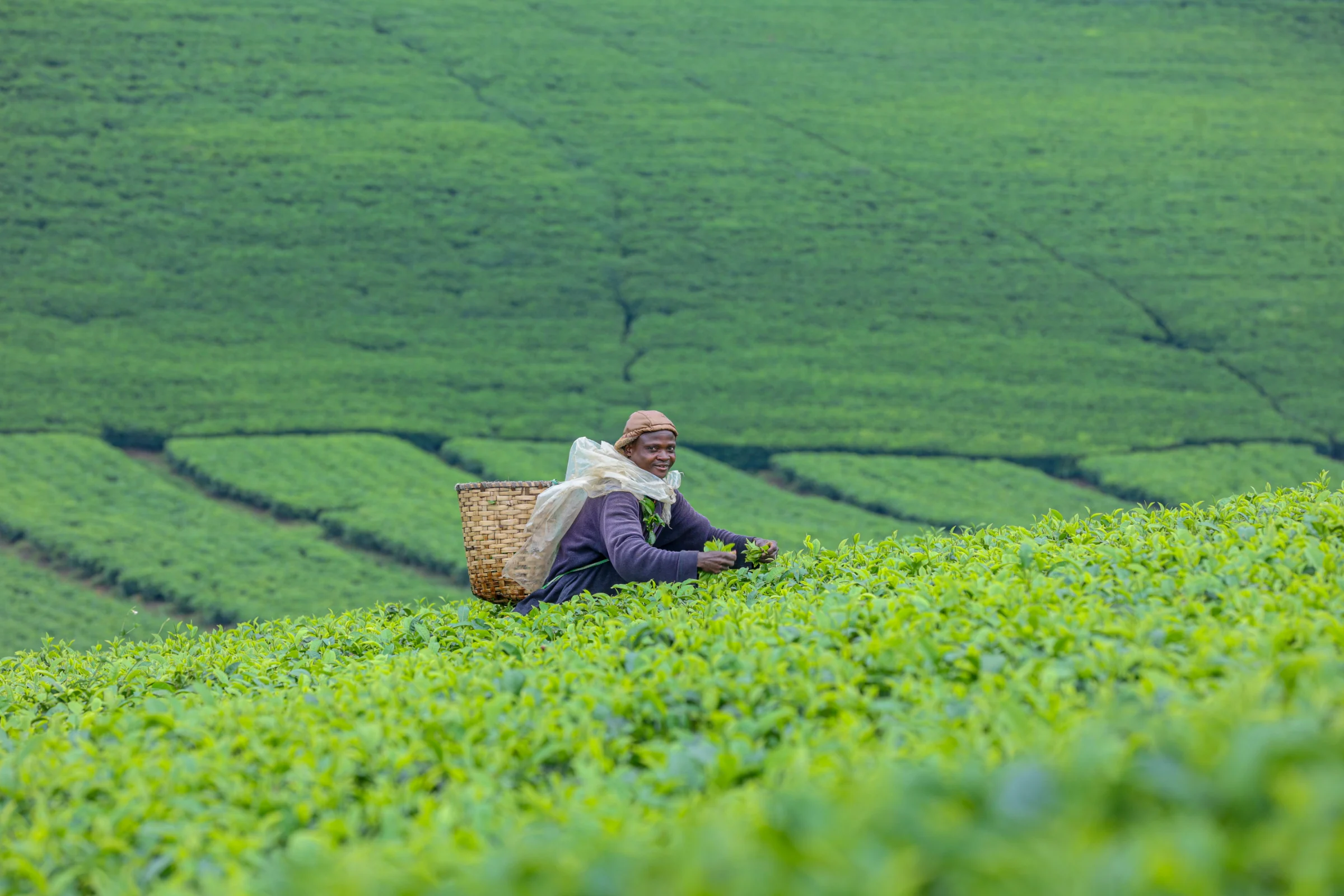
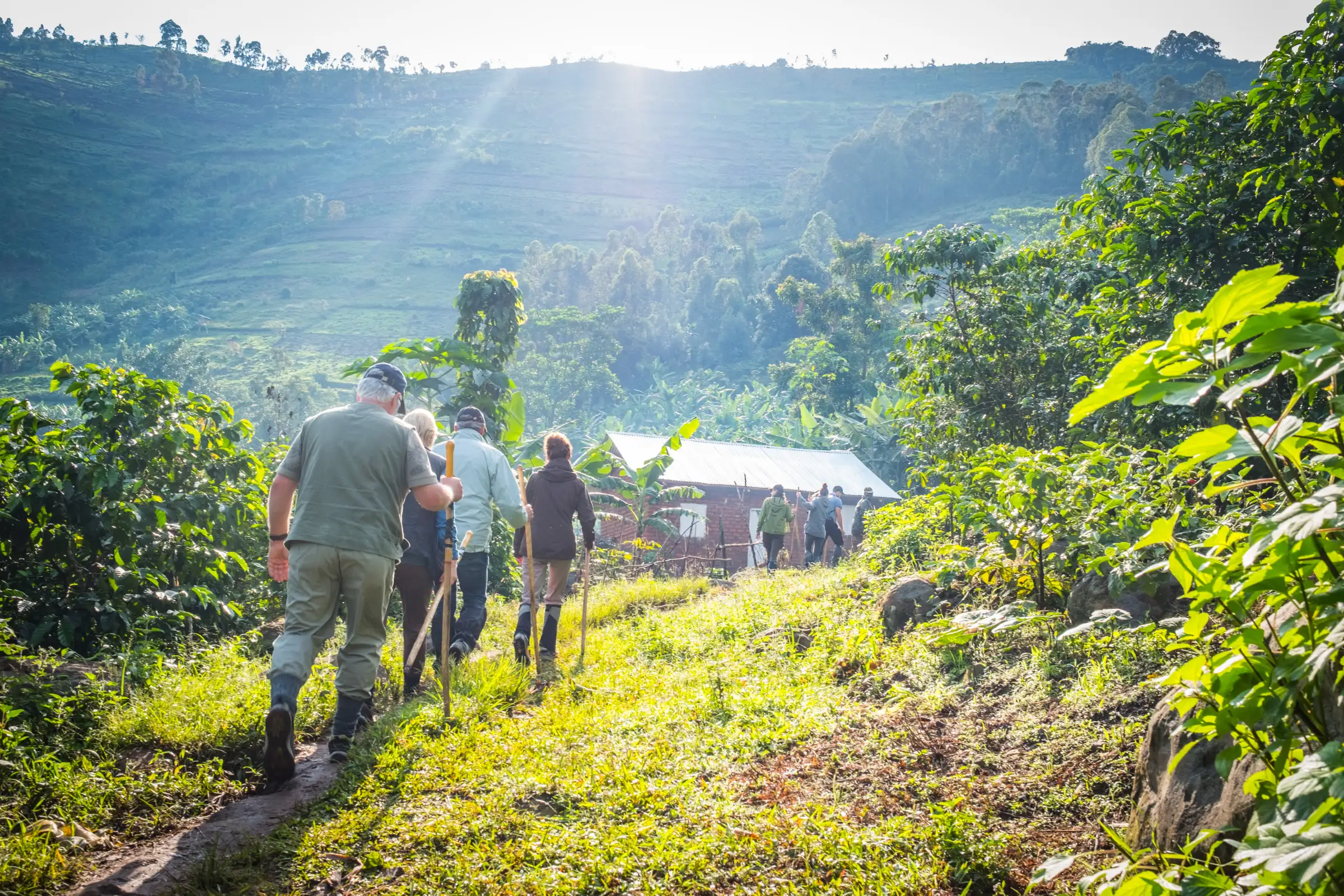
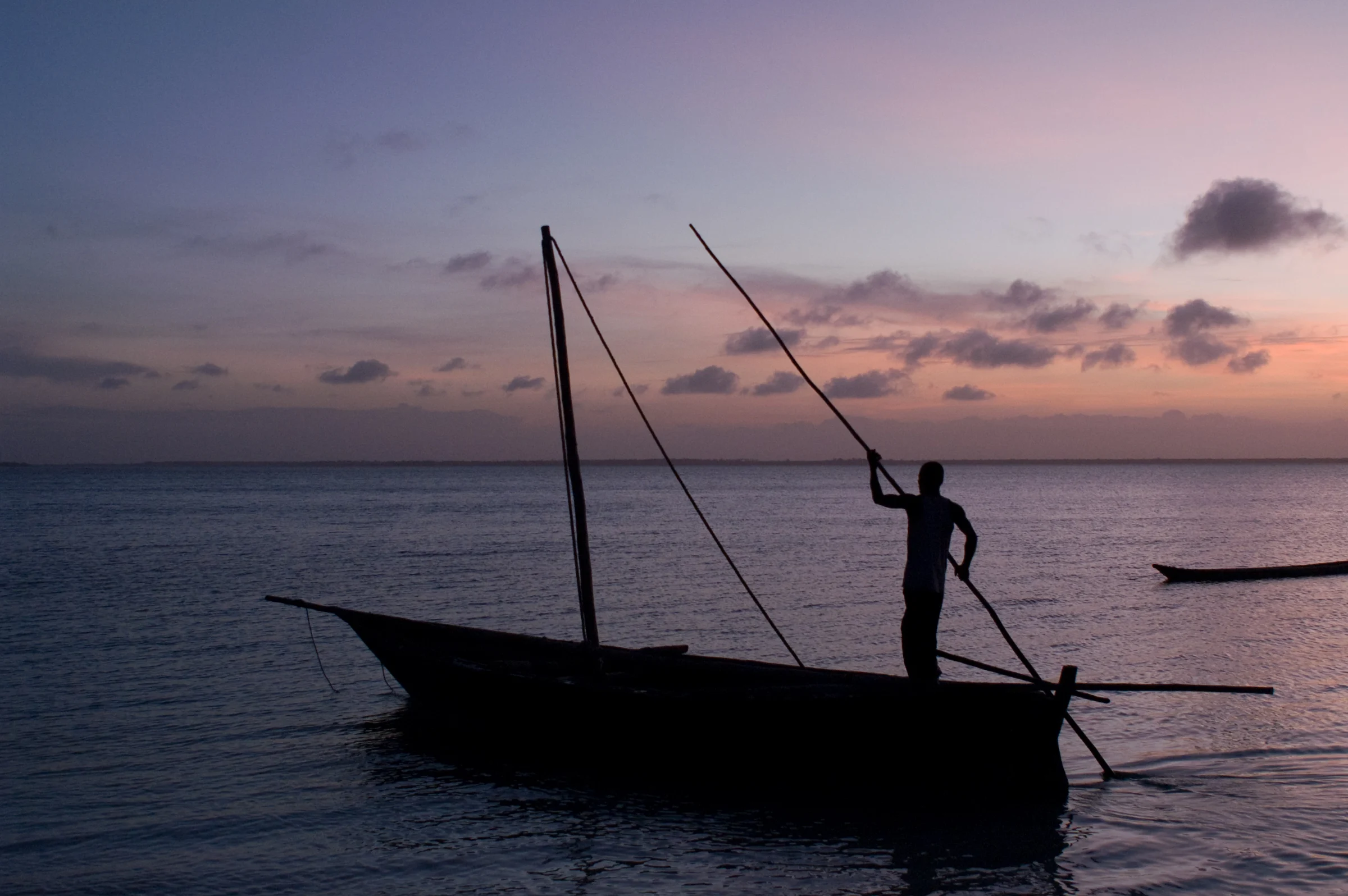
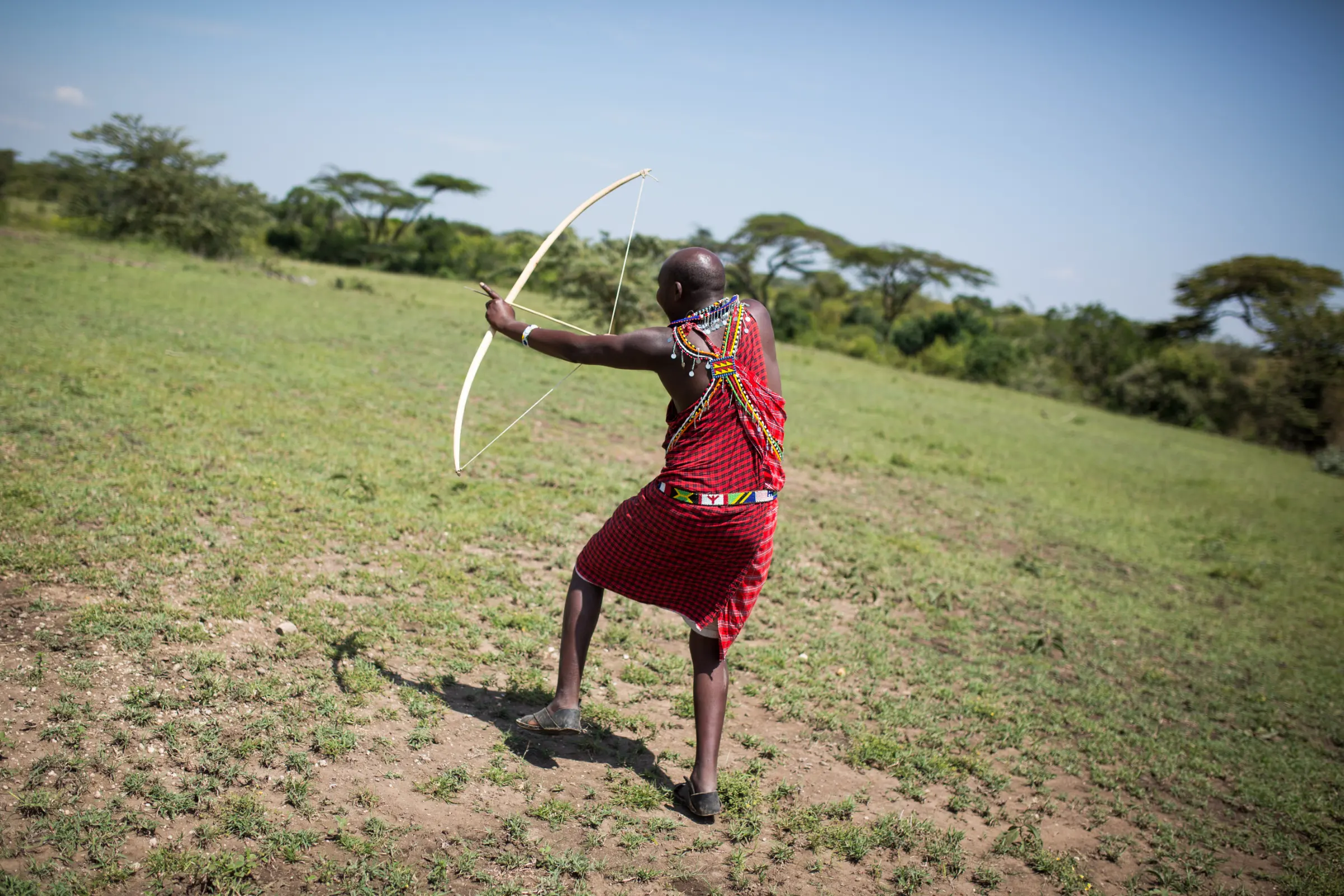
Two Maasai women in blue and purple shúkàs walking past a boma in the Ngorongoro Conservation Area, TanzaniaThree Samburu men in beaded regalia on the rocks of the Ewaso Ng’iro river at golden hour, Samburu County, KenyaA tea grower with a basket on her back among green terraces in Nyabihu, western RwandaTravellers and a ranger setting out on a sunlit path into Bwindi Impenetrable Forest from Buhoma, UgandaA fisherman poling a small dhow at dusk off ZanzibarA Maasai guide drawing a traditional bow on a walking safari in Ol Kinyei Conservancy, Maasai Mara, Kenya

Community Experiences

Don’t Just Pass Through.

Uganda · Kenya · Rwanda · Tanzania · Zanzibar

People · Food · Conservation · Craft · Communities · Contemporary Life

The road to the national park passes through someone’s home.

The forest has neighbours.

The coffee at breakfast was grown somewhere.

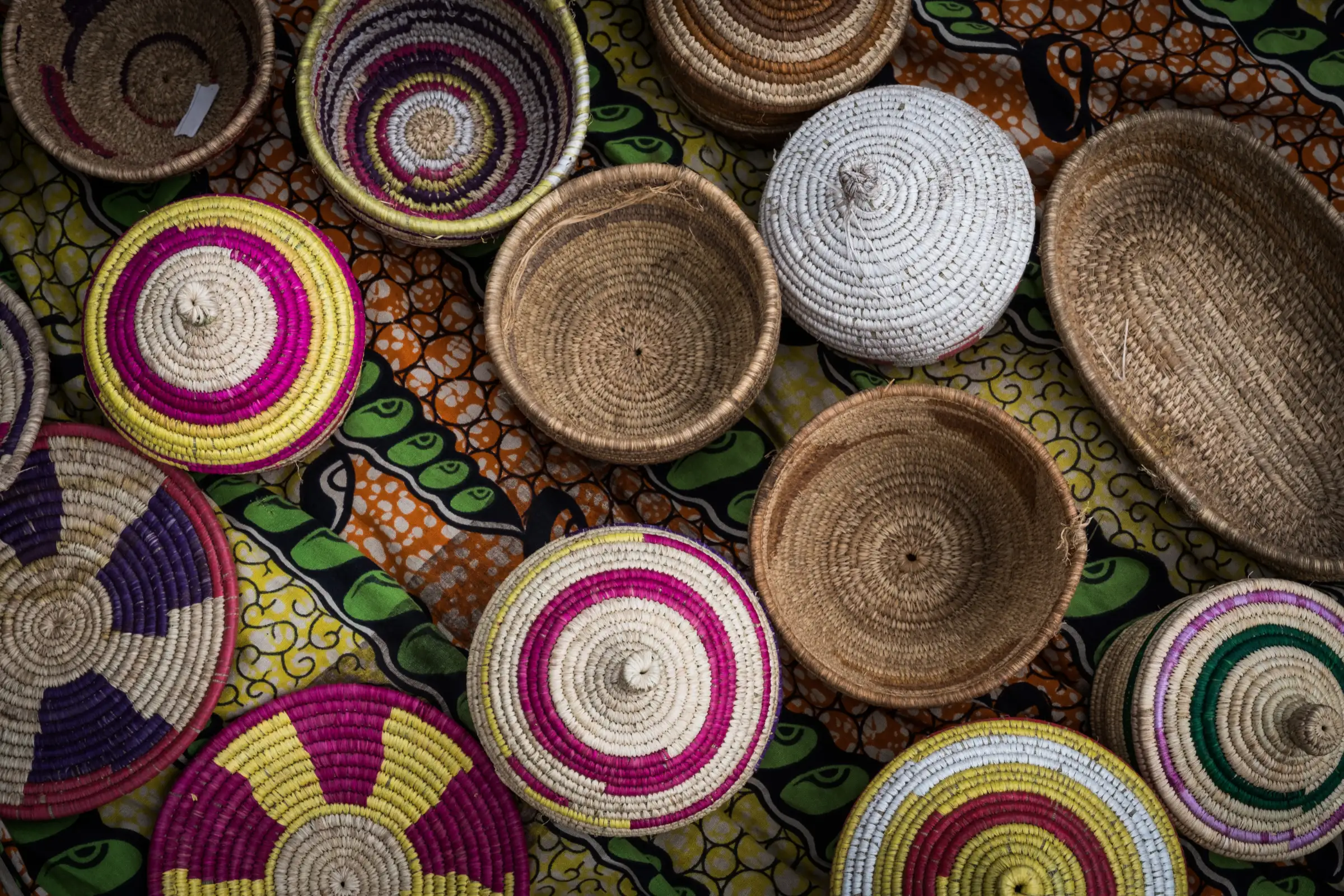
The basket you take home was made by someone.

And some of the experiences that help you understand East Africa happen outside the safari vehicle.

  • Walk with a local guide.
  • Meet farmers, makers and conservationists.
  • Learn how something is grown, cooked or made.
  • Spend time with pastoral communities.
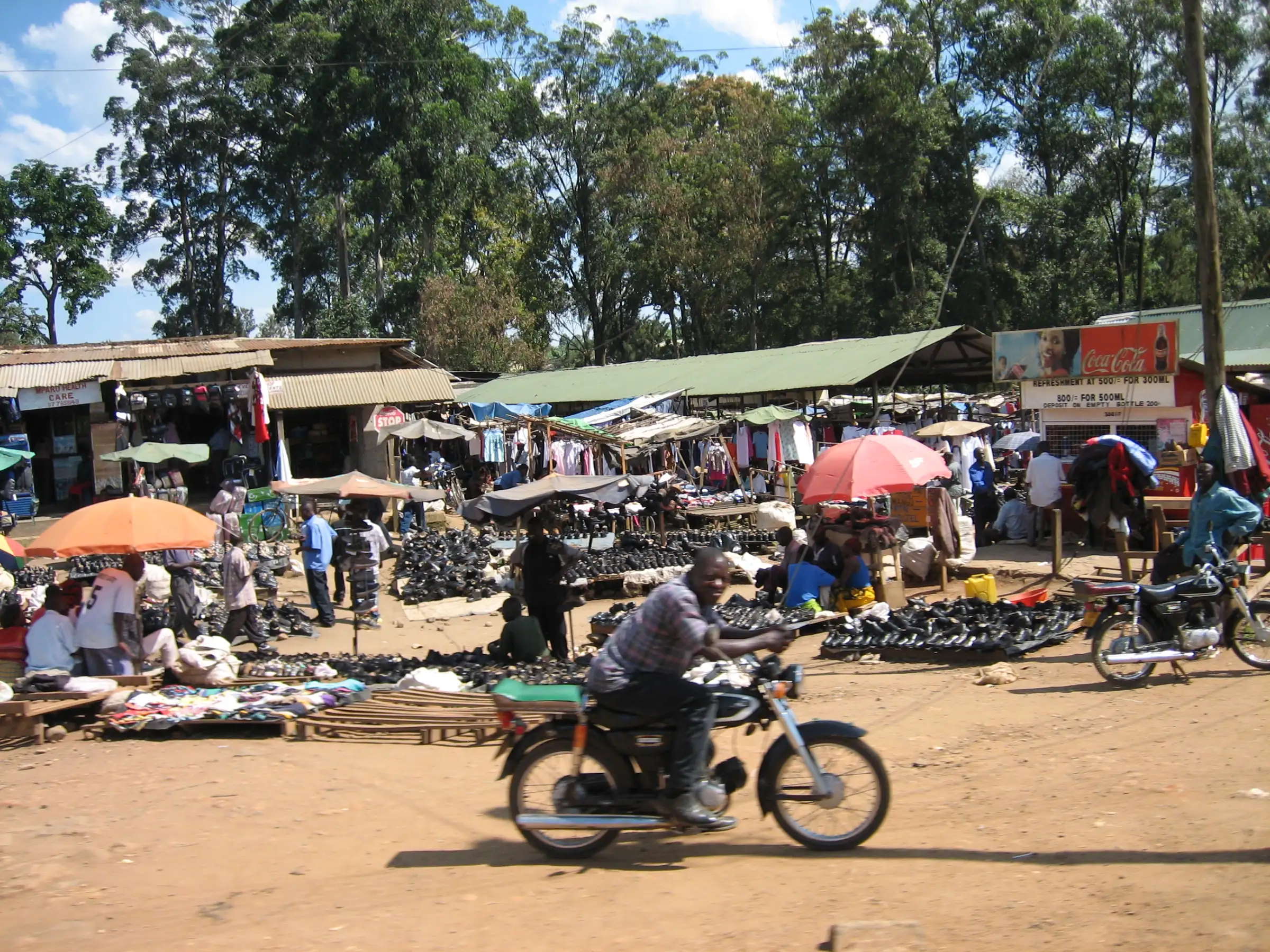
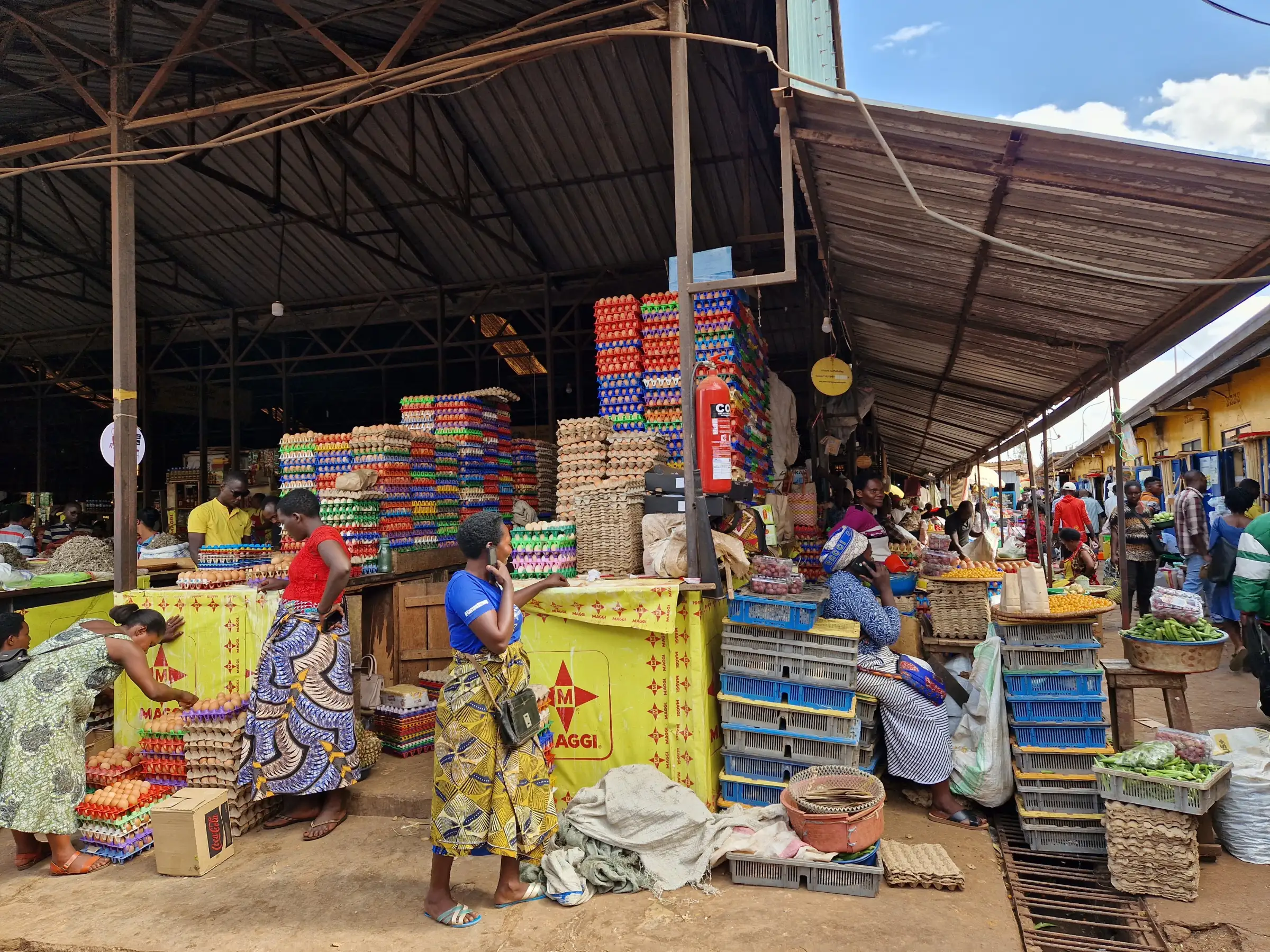
  • Explore a market.
  • Eat somewhere local.
  • Or simply have a conversation with someone who knows the place differently from you.

This isn’t about arriving to look at people’s lives.It is about spending time in places where people have something worth sharing.

The People Around the Places You Came to See

Safari Doesn’t Begin at the Park Gate.

You may be travelling to Bwindi for gorillas.

Kibale for chimpanzees.

The Maasai Mara for the Great Migration.

The Serengeti for wildlife.

The Rwenzoris for the mountains.

Volcanoes National Park for gorillas.

Zanzibar for the Indian Ocean.

But these landscapes aren’t empty spaces waiting for visitors.

People live around them.

They farm, fish, raise cattle, run businesses, guide travellers, protect forests and wetlands, make things and raise families.

Understanding something about the people around these places doesn’t take anything away from safari.

It gives you another way into the destination.

What Does a Community Experience Actually Look Like?

There Is No Standard Version.

There shouldn’t be.

  • You might walk through a community with a local guide.
  • Visit farmers or artisans.
  • Cook and eat together.
  • Learn about traditional plant knowledge.
  • Walk through coffee gardens.
  • Spend time with a women’s enterprise.
  • Meet pastoral communities.
  • Visit a fishing village.
  • Explore a market.
  • Learn about conservation.
  • Or simply spend time talking.

What makes sense beside Kibale may have nothing to do with what makes sense in the Maasai Mara, Rwanda or Zanzibar.

The experience should belong to the place.

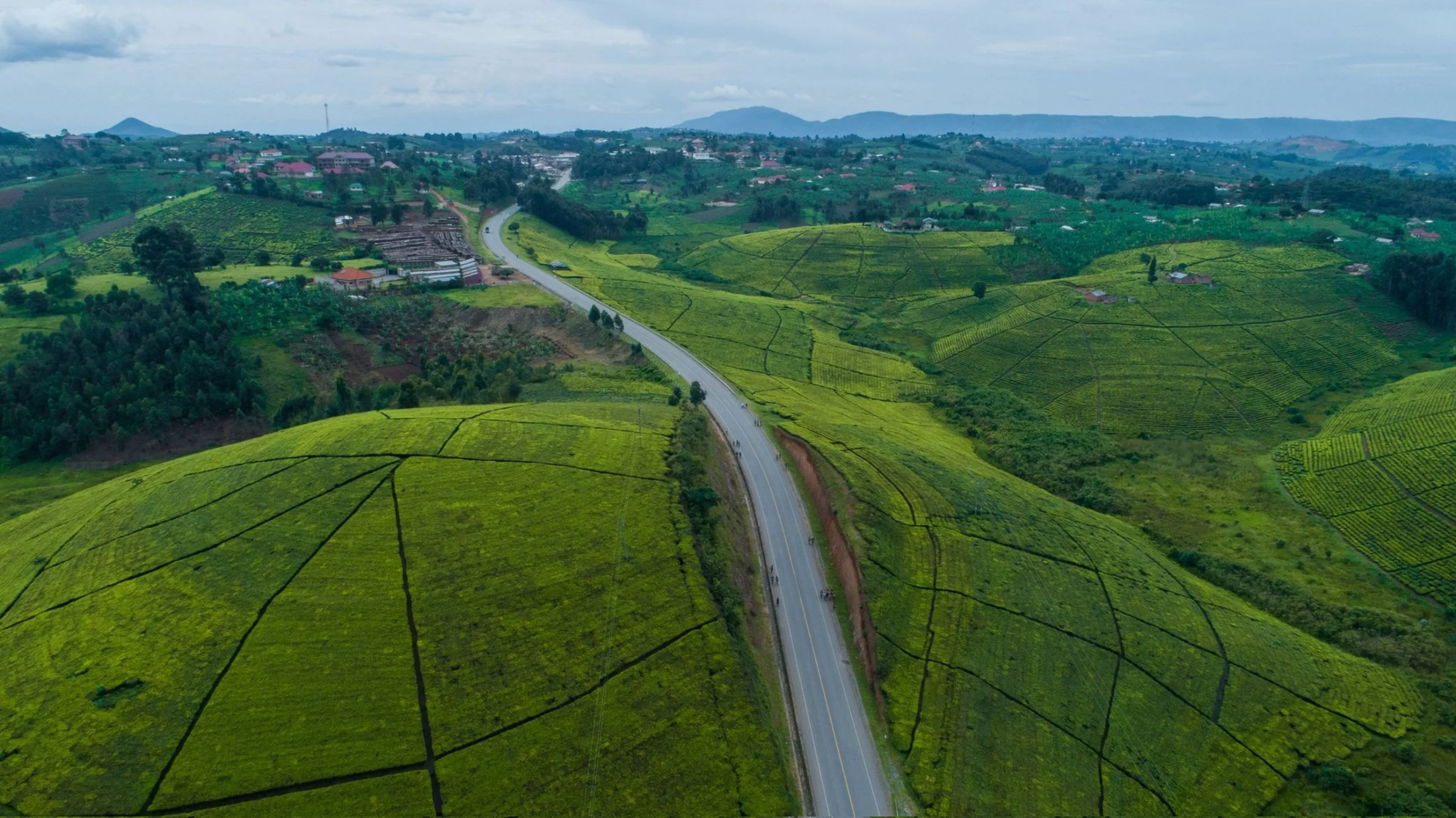
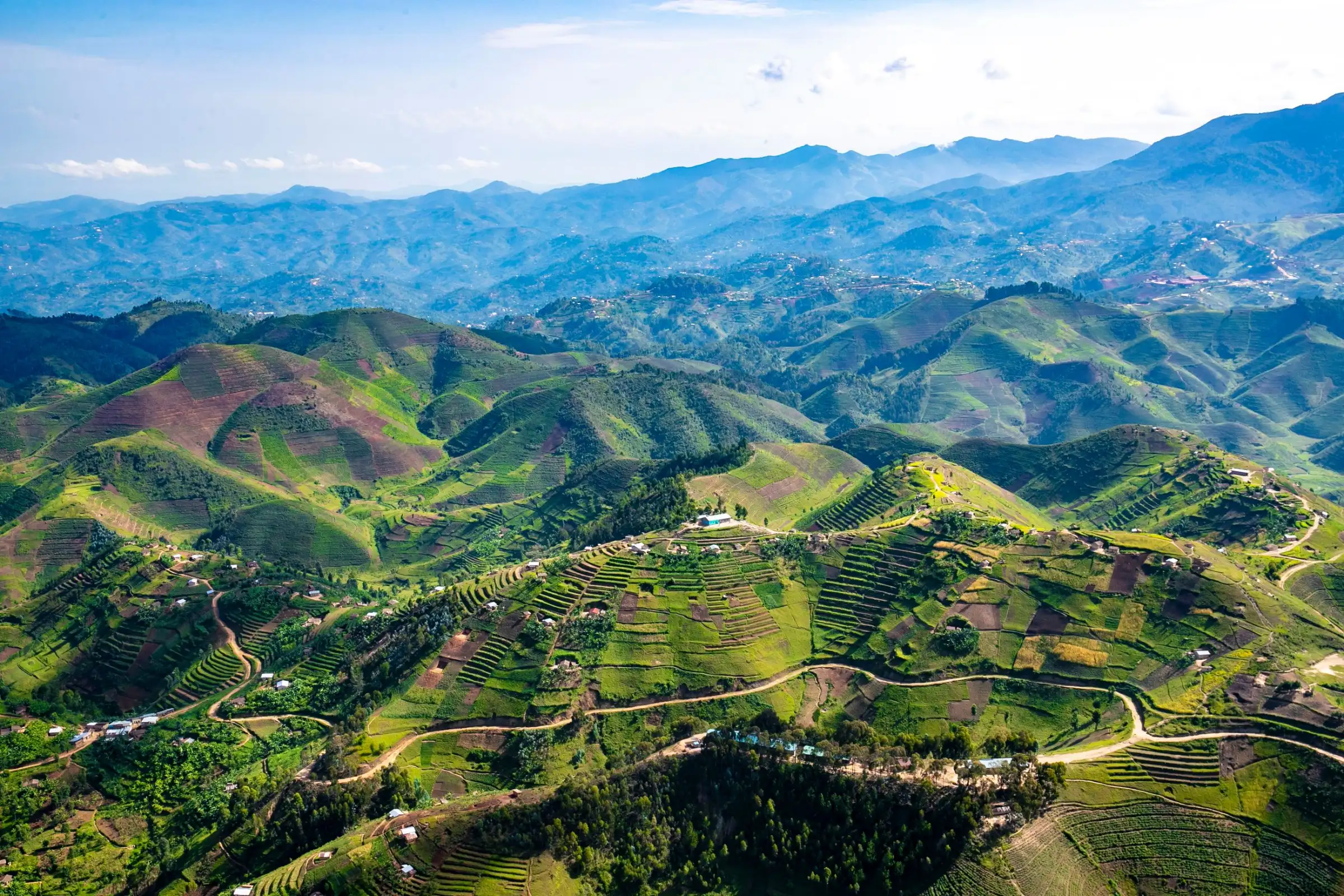
A road winding through bright green tea hills in the Ugandan countrysideAn aerial view of terraced green hills, homes and winding roads in rural Rwanda
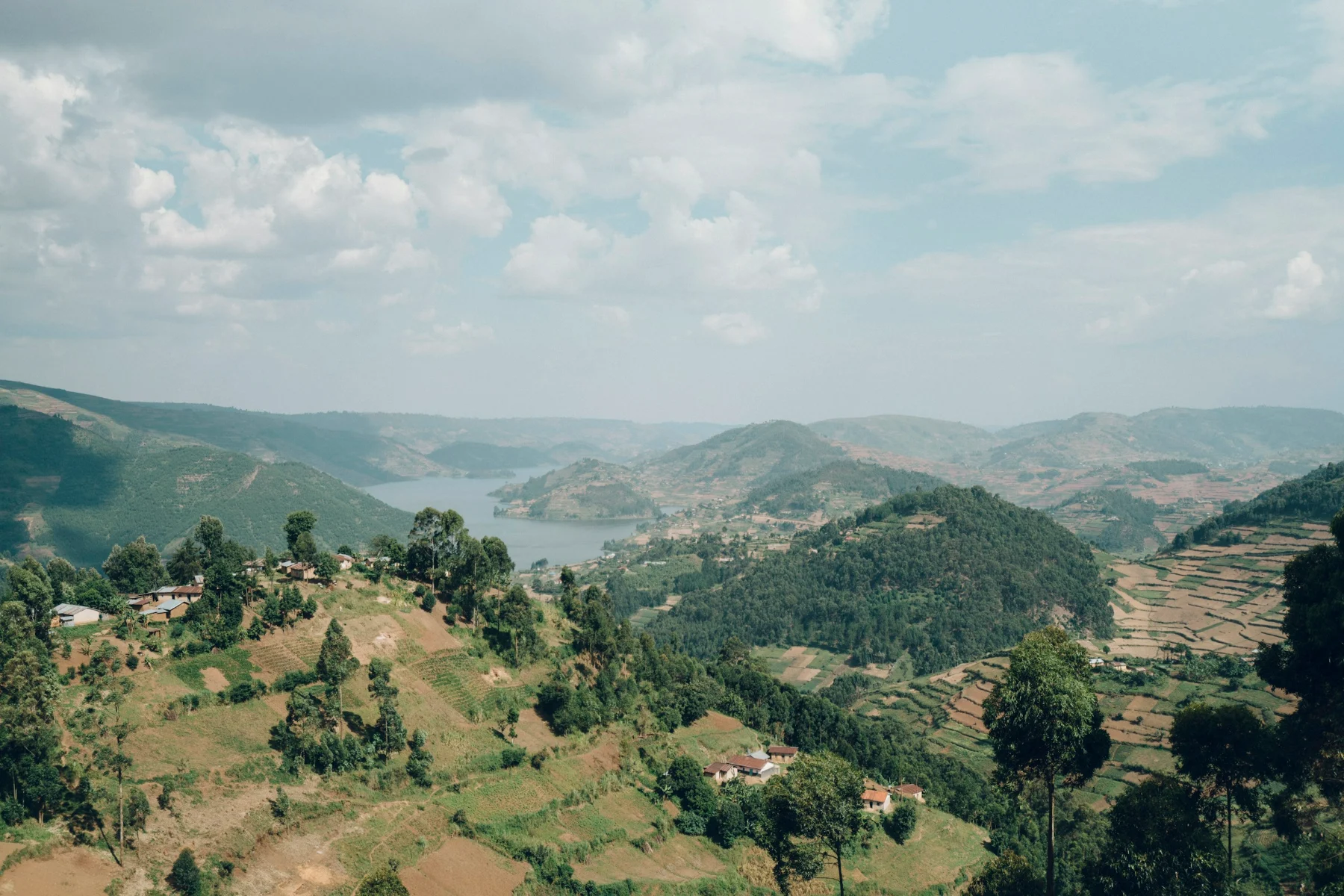
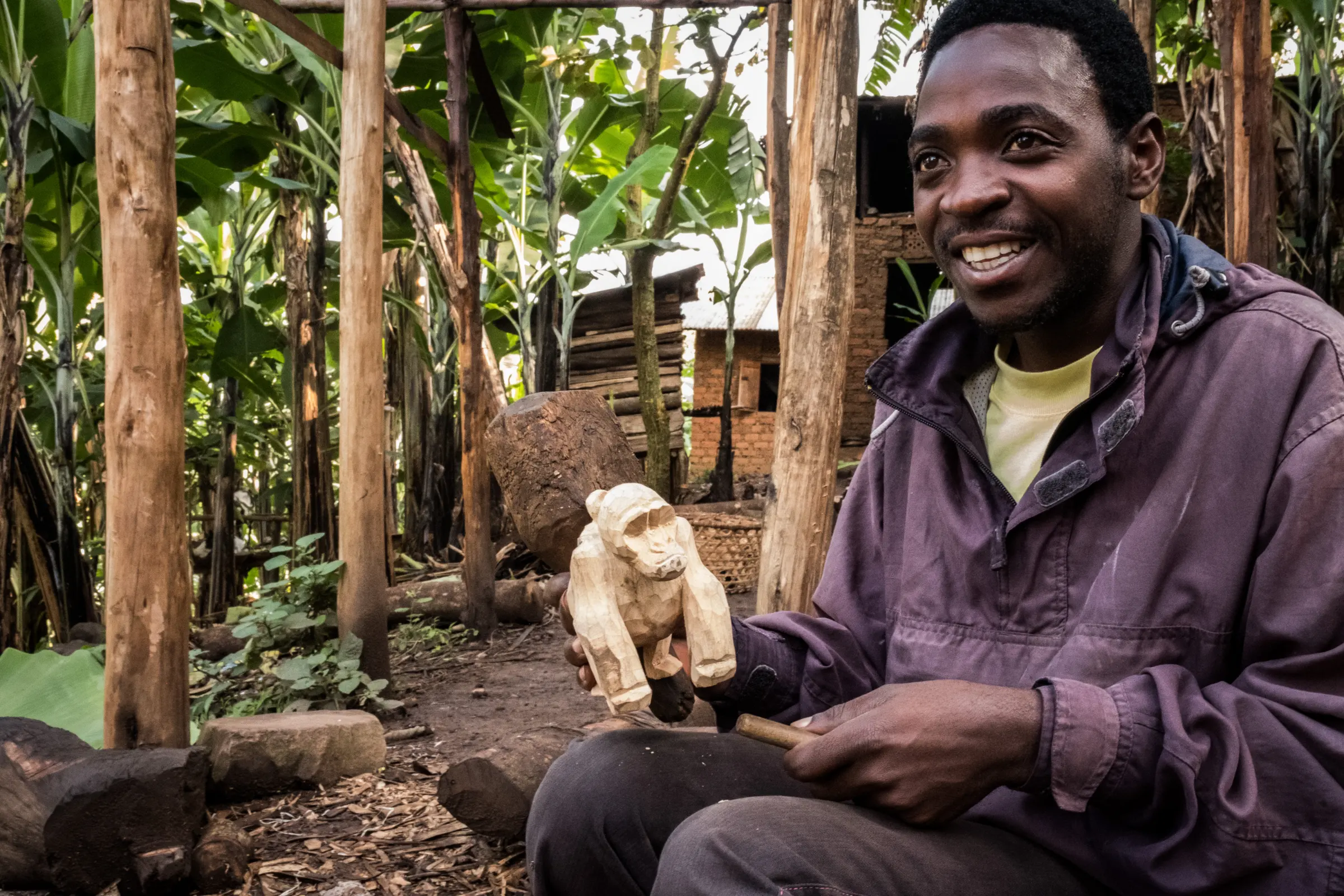
Terraced, cultivated hillsides with scattered homes above Lake Bunyonyi in southwestern UgandaA woodcarver with his carved gorilla near Buhoma, Bwindi, Uganda

Uganda

Don’t Trek the Forest and Miss Everything Around It.

Uganda makes community experiences particularly easy to incorporate into a wider journey.

Trek mountain gorillas in Bwindi, then spend time learning more about the communities around the forest.

Track chimpanzees in Kibale and continue into Bigodi.

Around Lake Mburo and southwestern Uganda, cattle, agriculture and rural life are part of the landscape.

Beneath the Rwenzoris are communities living alongside mountains that travellers cross the world to climb.
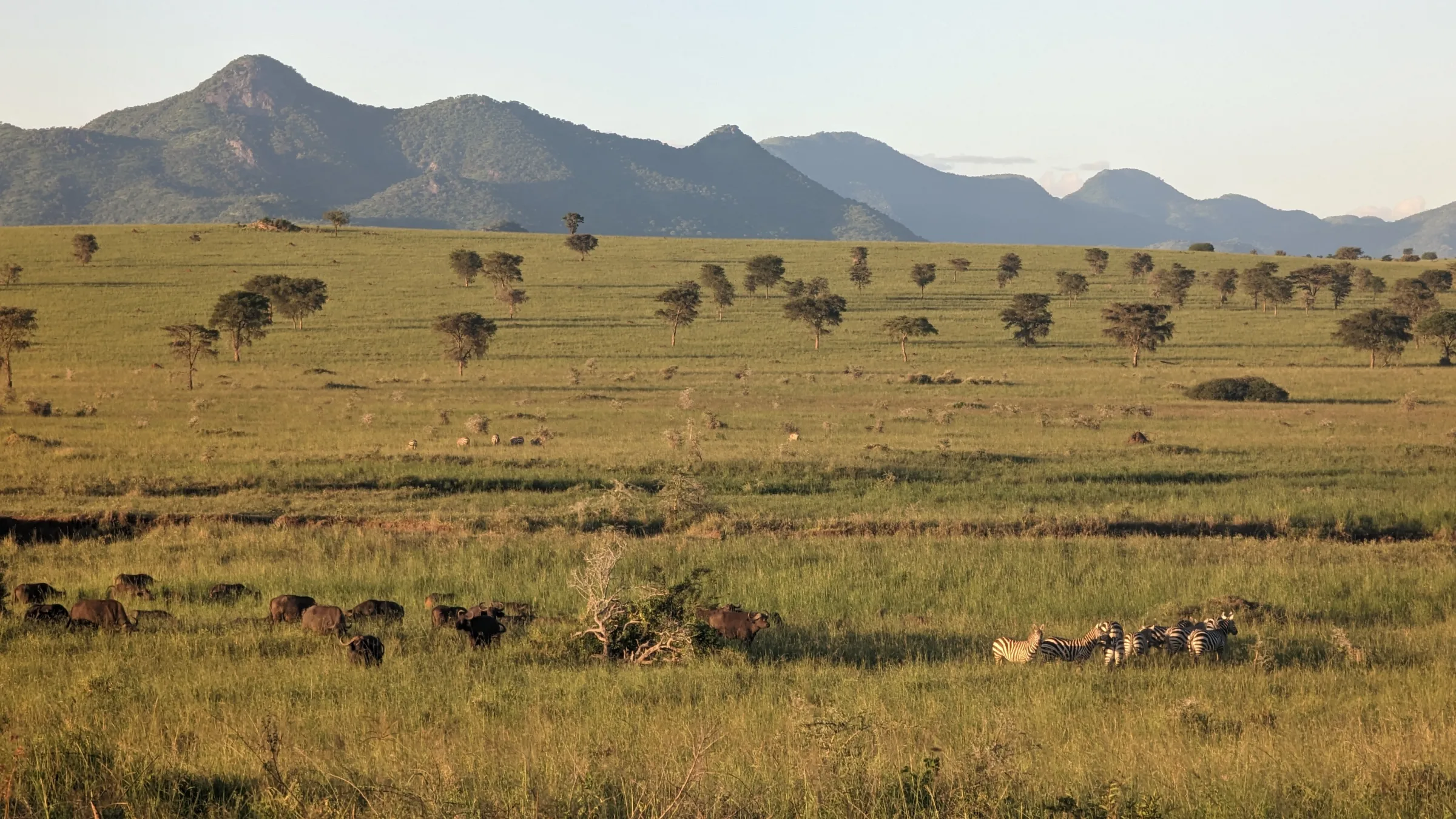
Around Uganda’s national parks, questions of conservation, livelihoods and living alongside wildlife are part of the story too.
Explore Uganda

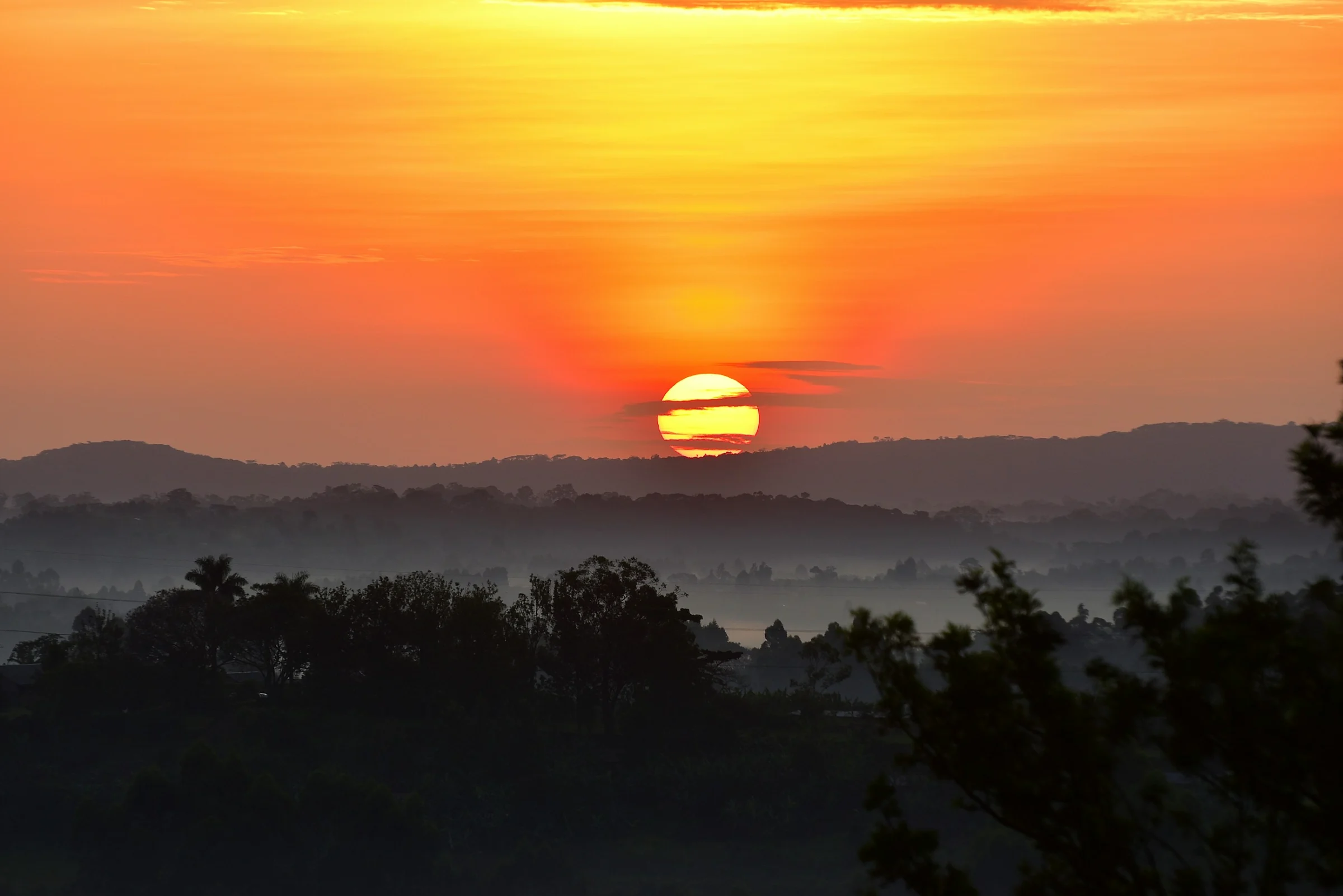
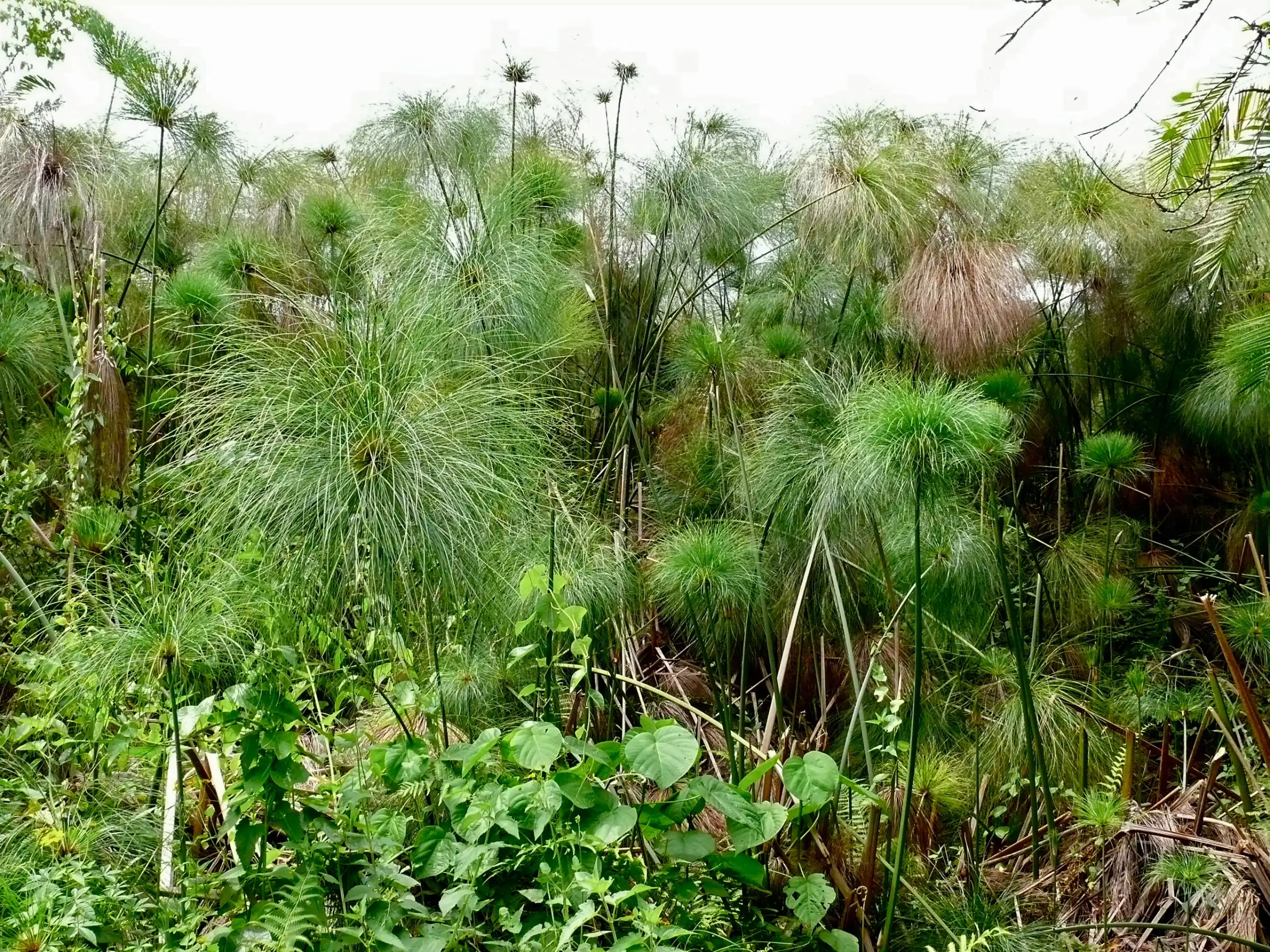
The sun rising over the misty forested ridges of Kibale National Park, western UgandaTall papyrus at the edge of the swamp in Bigodi Wetland Sanctuary, Uganda

Bigodi

You’re Already in Kibale. Don’t Rush Away.

Most travellers come to this part of western Uganda for chimpanzees.

And they should.

But beside Kibale is Bigodi.

The Bigodi Wetland Sanctuary is managed by KAFRED, a Ugandan community-based organisation established in 1992. Tourism supports local employment, conservation and community development.

Those are good reasons to respect what is happening here.

But they aren’t the only reason to visit.

Bigodi is worth your time.

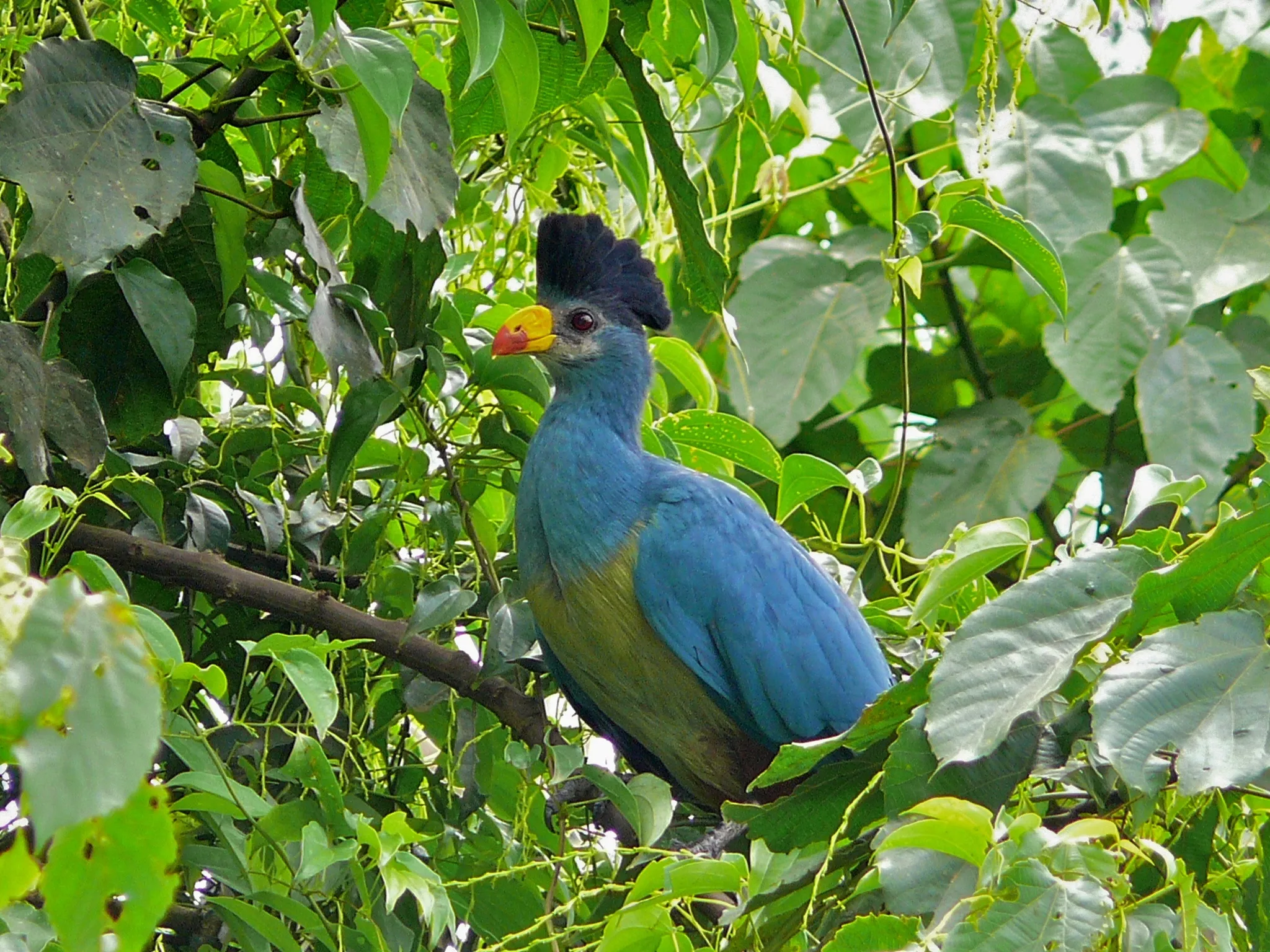
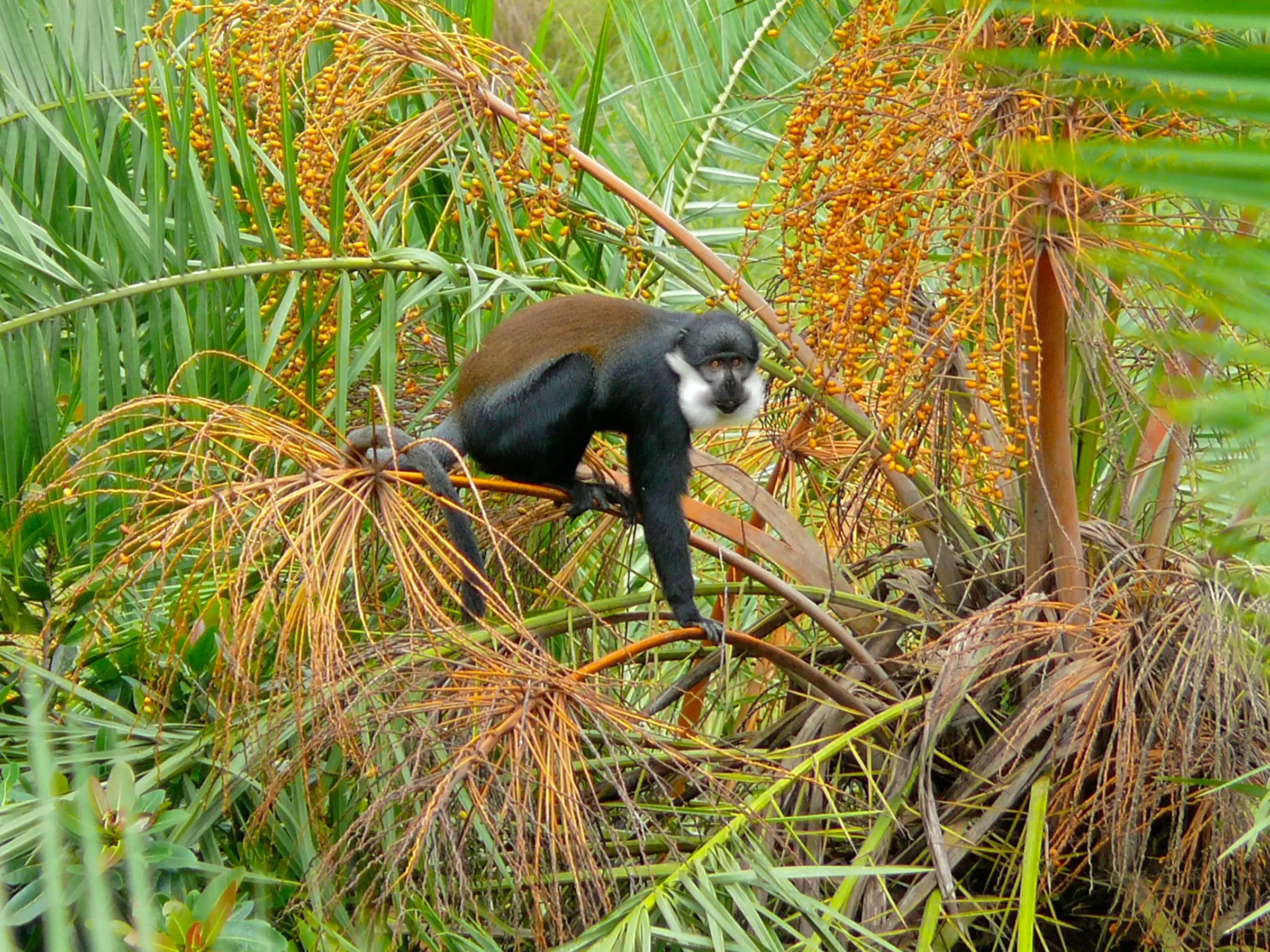
A great blue turaco, the bird KAFRED chose as its emblem, at Bigodi Wetland SanctuaryAn L’Hoest’s monkey feeding in a palm at Bigodi Wetland Sanctuary, Uganda

Bigodi, In Detail

A Morning on Foot With the People Who Protect It.

Bigodi sits on the edge of Kibale, around the Magombe Swamp. In 1992, a handful of residents formed KAFRED, the Kibale Association for Rural and Environmental Development, to protect the wetland and make a living from it. It worked. KAFRED has twice won the UN Development Programme’s Equator Prize, in 2004 and 2010.

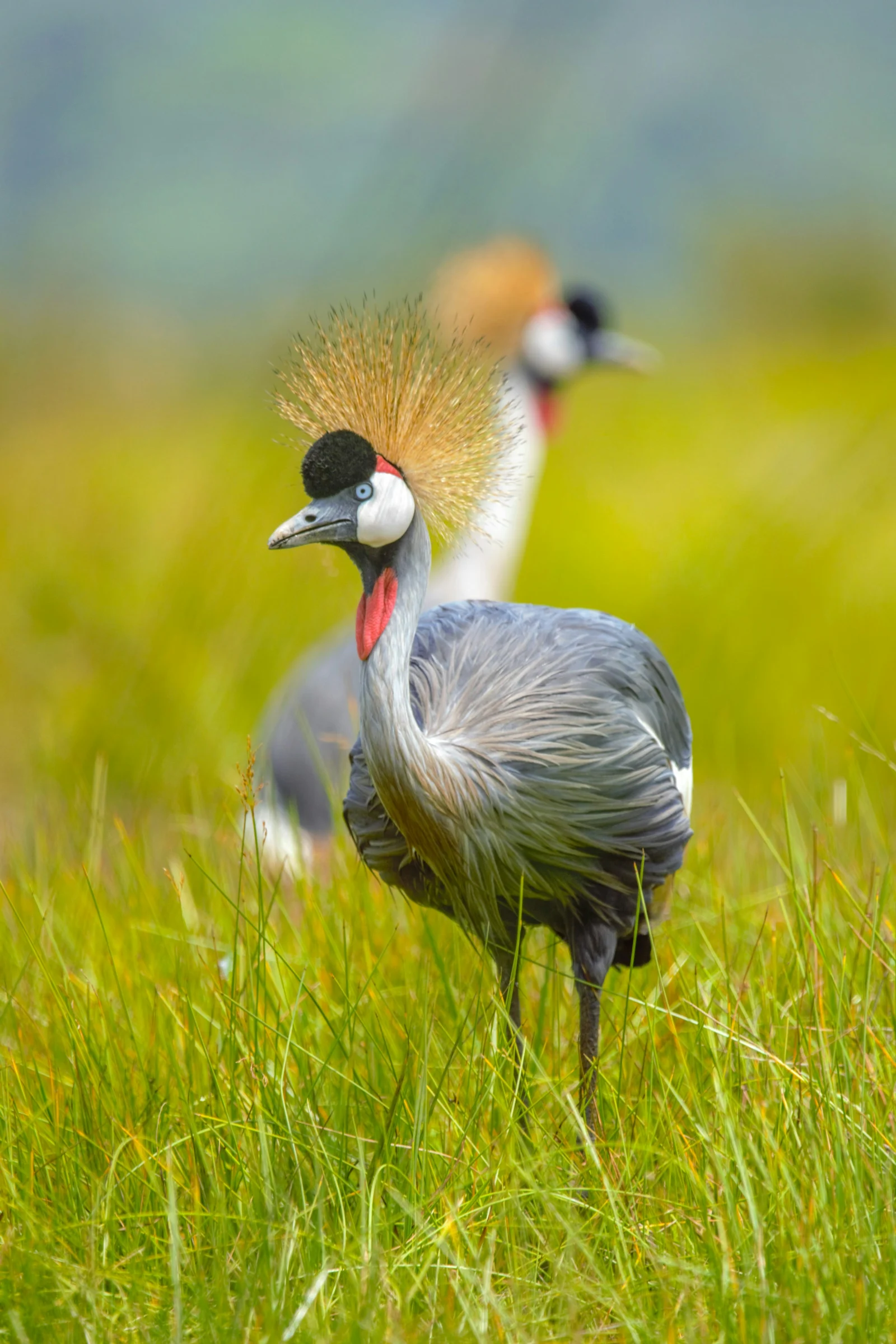
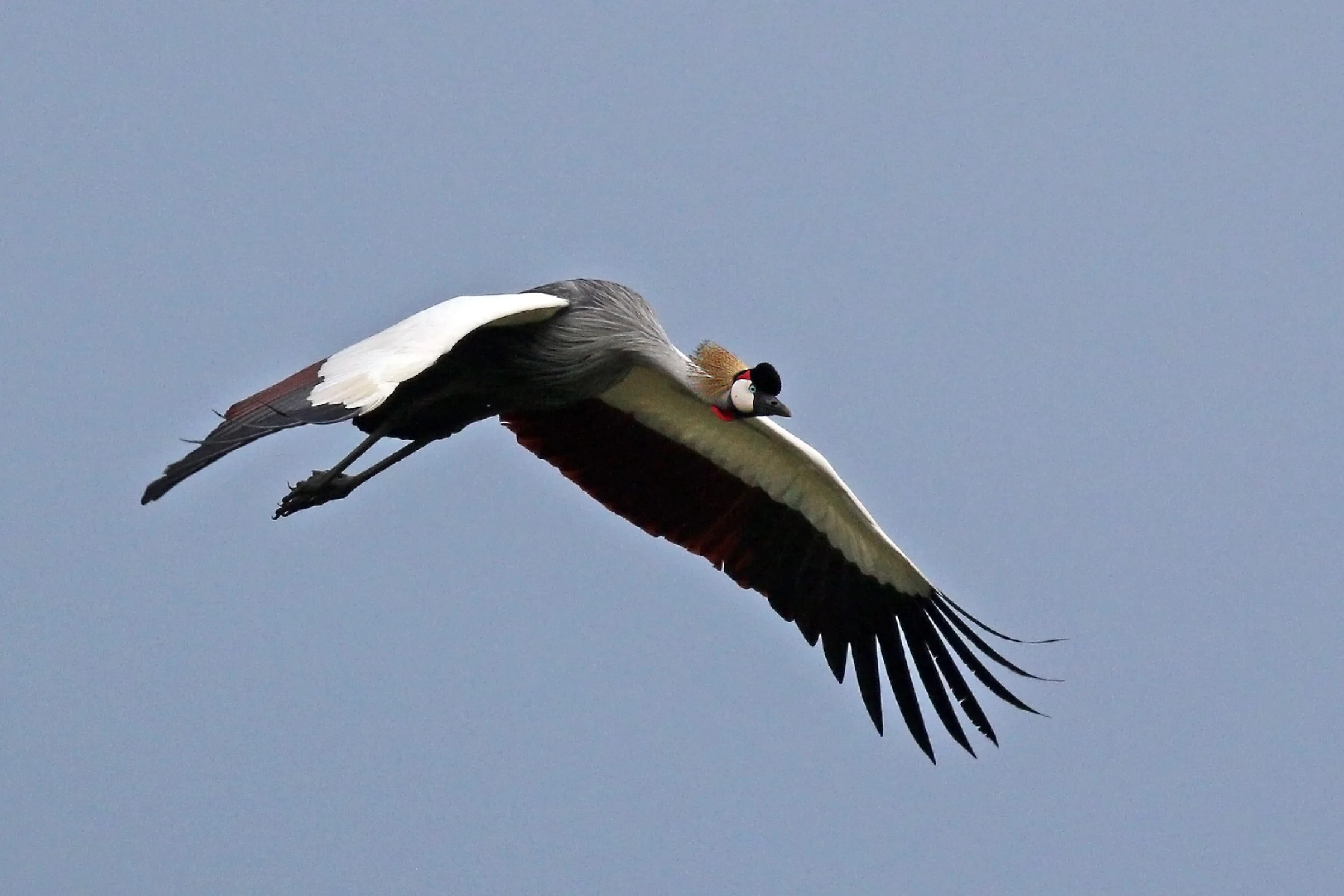
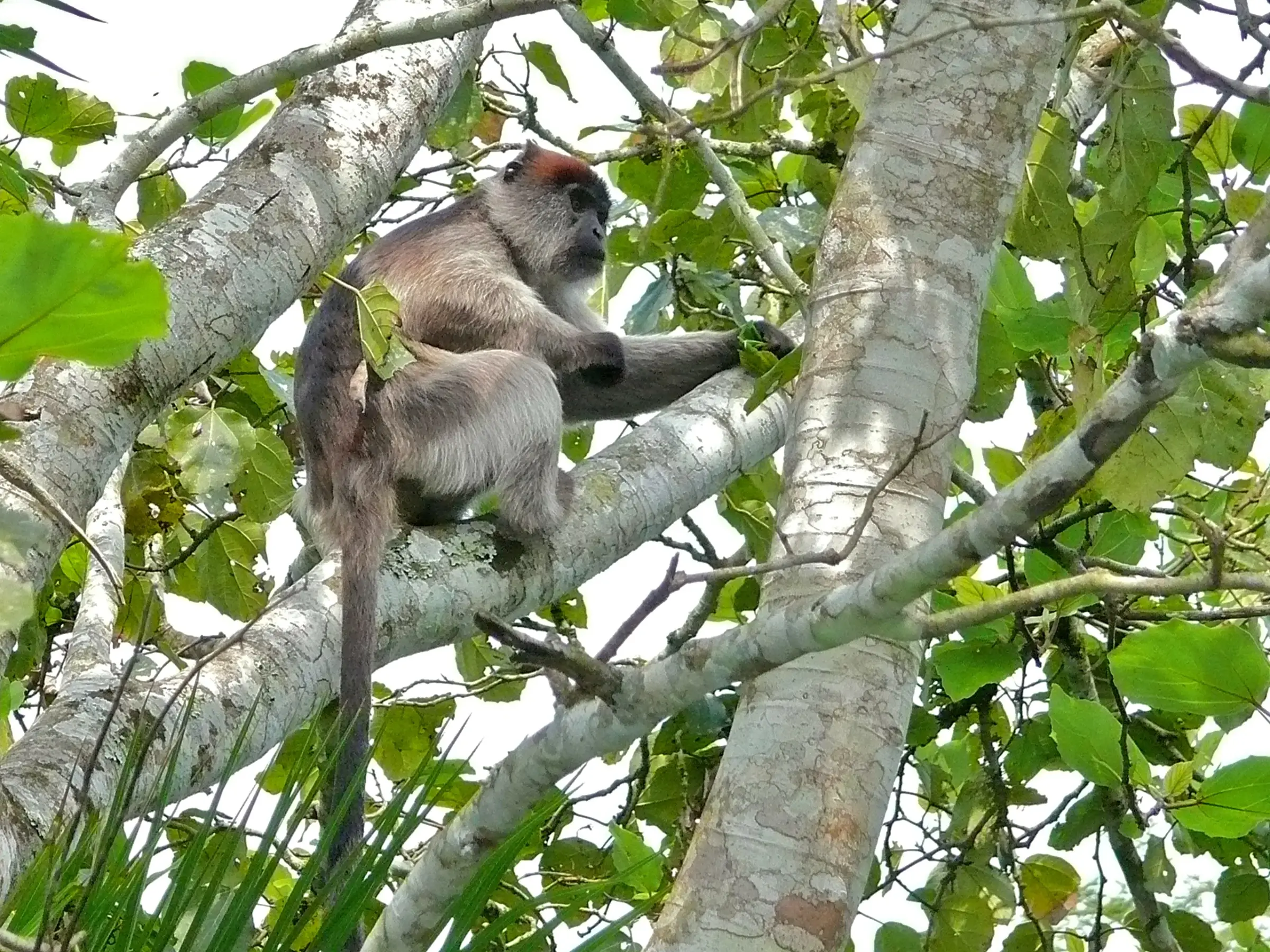
  • The wetlandThree to four hours with a KAFRED guide along the boardwalk, through papyrus and swamp forest. More than 200 bird species have been recorded here, among them the great blue turaco, KAFRED’s emblem, the papyrus gonolek and Uganda’s grey crowned crane. So have eight primates, including the endangered Uganda red colobus and L’Hoest’s monkey. Chimpanzees occasionally pass through.
  • The villageA walk through Bigodi itself: the primary school, the church and a visit to a traditional healer, with your guide explaining how two peoples came to share one village.
  • The makersThe Bigodi Women’s Group sells its own baskets and crafts. Ninety percent of every sale goes to the woman who made the piece.
  • The returnGuiding fees have helped build a secondary school, fund loans for farming families and support the women’s group.

We arrange Bigodi for your party alone, the morning after chimpanzee tracking, when the birds are most active. Nothing rushed. Nothing staged.

Plan My Journey

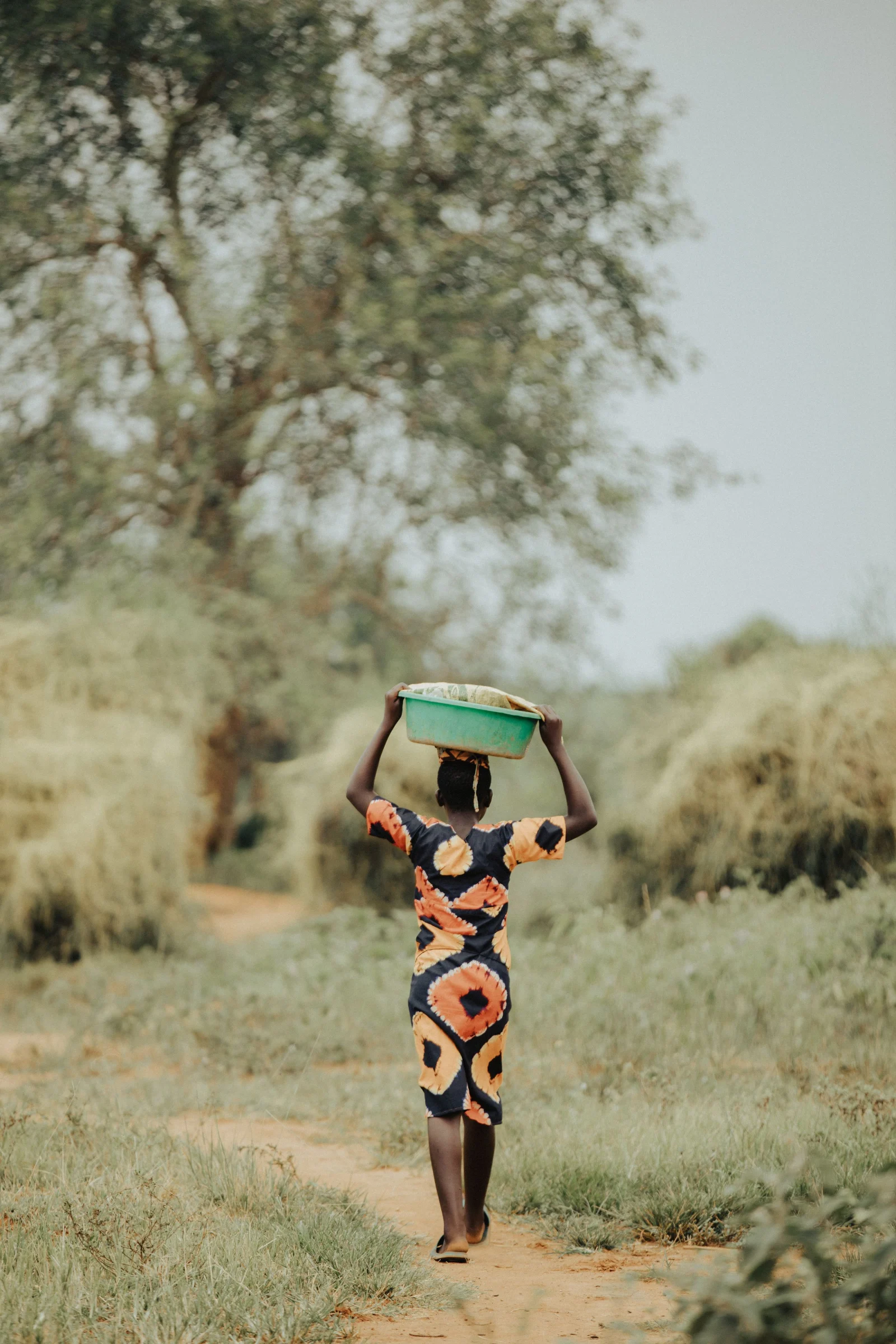
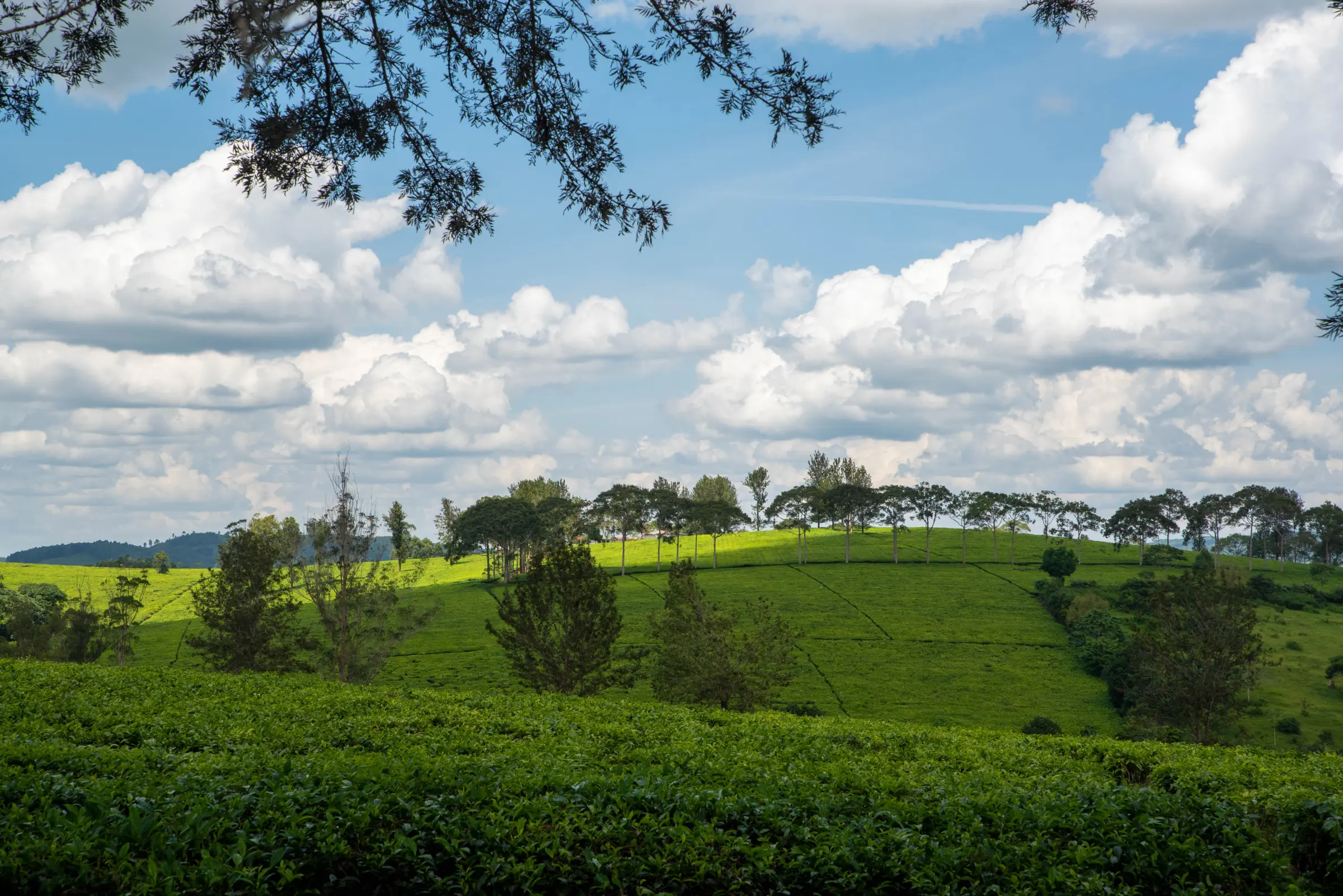
A woman walking a grassy village footpath in western Uganda, carrying a basin on her headTea fields rolling under a blue sky near Fort Portal, western UgandaMpanga market in Fort Portal, the town closest to Kibale and Bigodi

Walk Bigodi

Leave the Vehicle Behind.

Go with a local guide.

Depending on the experience arranged, you may learn about village life, traditional plant knowledge, farming, food and the people who live around Kibale.

Ask questions.

Listen.

Pay attention to where you already are.

There is no wildlife checklist to complete.

That’s part of the point.

Discover Kibale

Two grey crowned cranes, Uganda’s national bird, in tall grass in a Ugandan wetlandA grey crowned crane in flight over Bigodi Wetland Sanctuary, Uganda

Walk the Wetland

See What the Community Is Protecting.

Explore the wetland with someone who knows it.

  • Birds.
  • Primates.
  • Plants.
  • Conservation.
  • Traditional knowledge.
  • Livelihoods.

The guide can help connect what you’re seeing to why the wetland matters and to the people living around it.

If you’re already coming to Kibale for chimpanzees, the combination makes geographical sense.

Chimpanzees + Bigodi is one of Uganda’s most natural pairings.

Chimpanzee Trekking

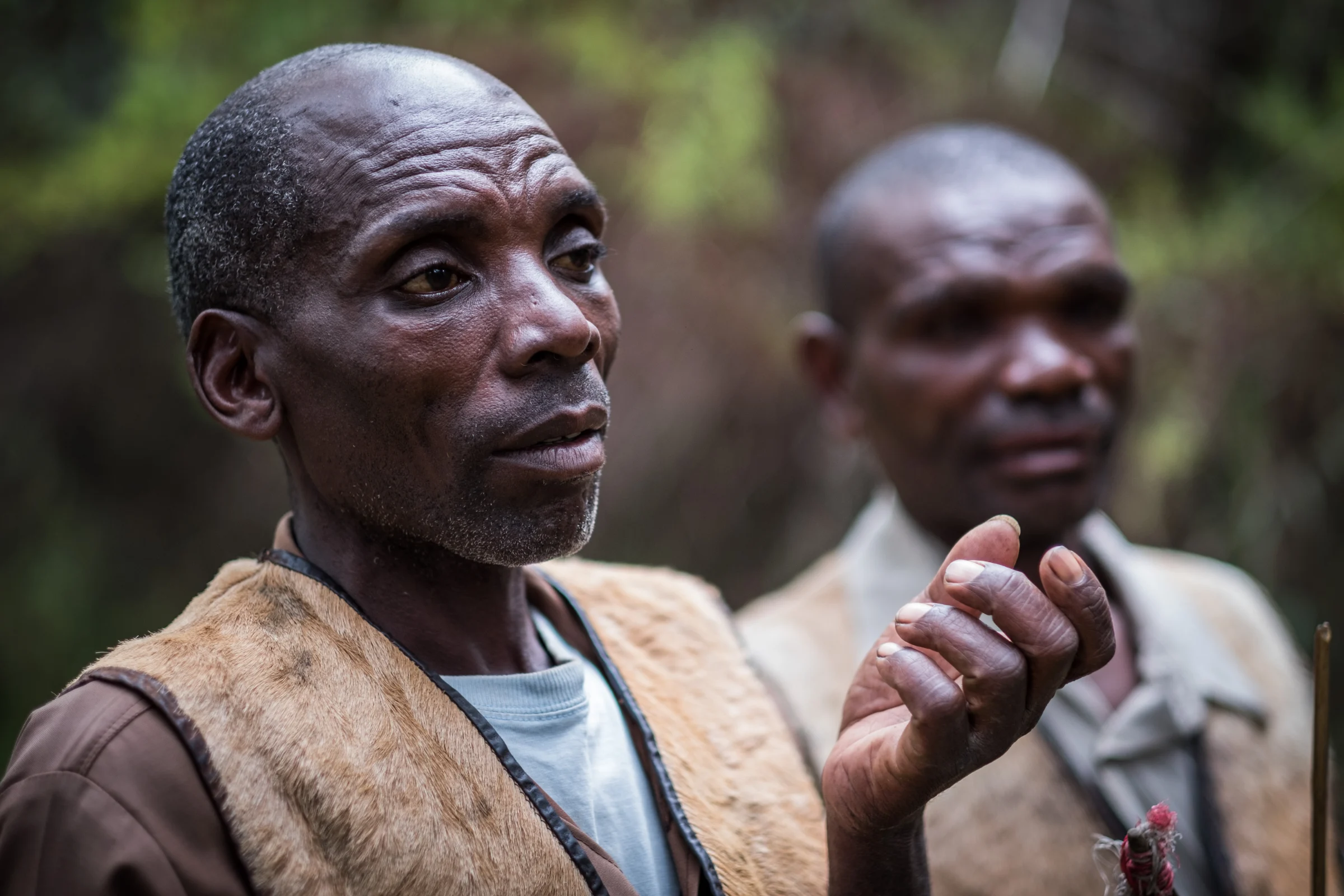
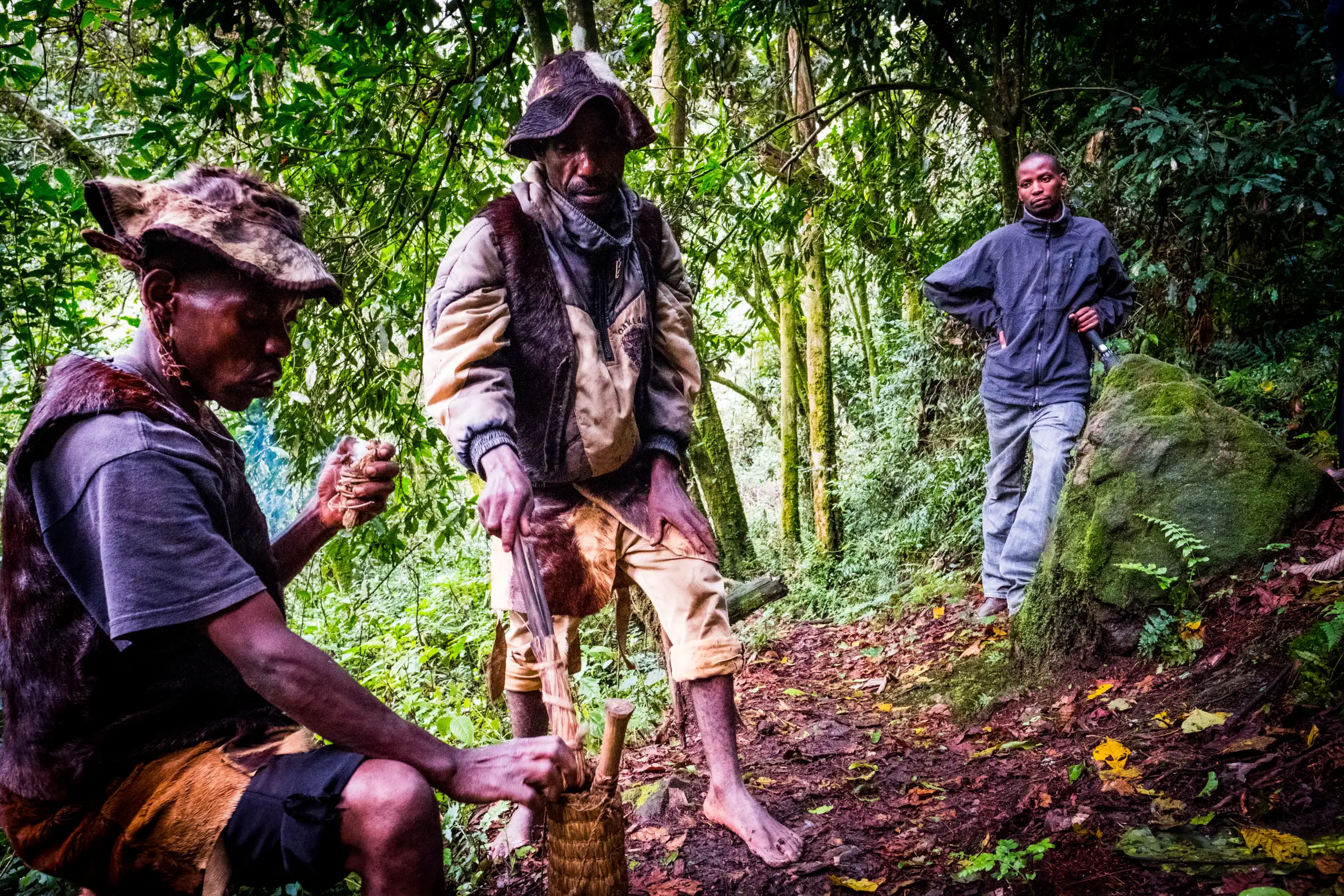
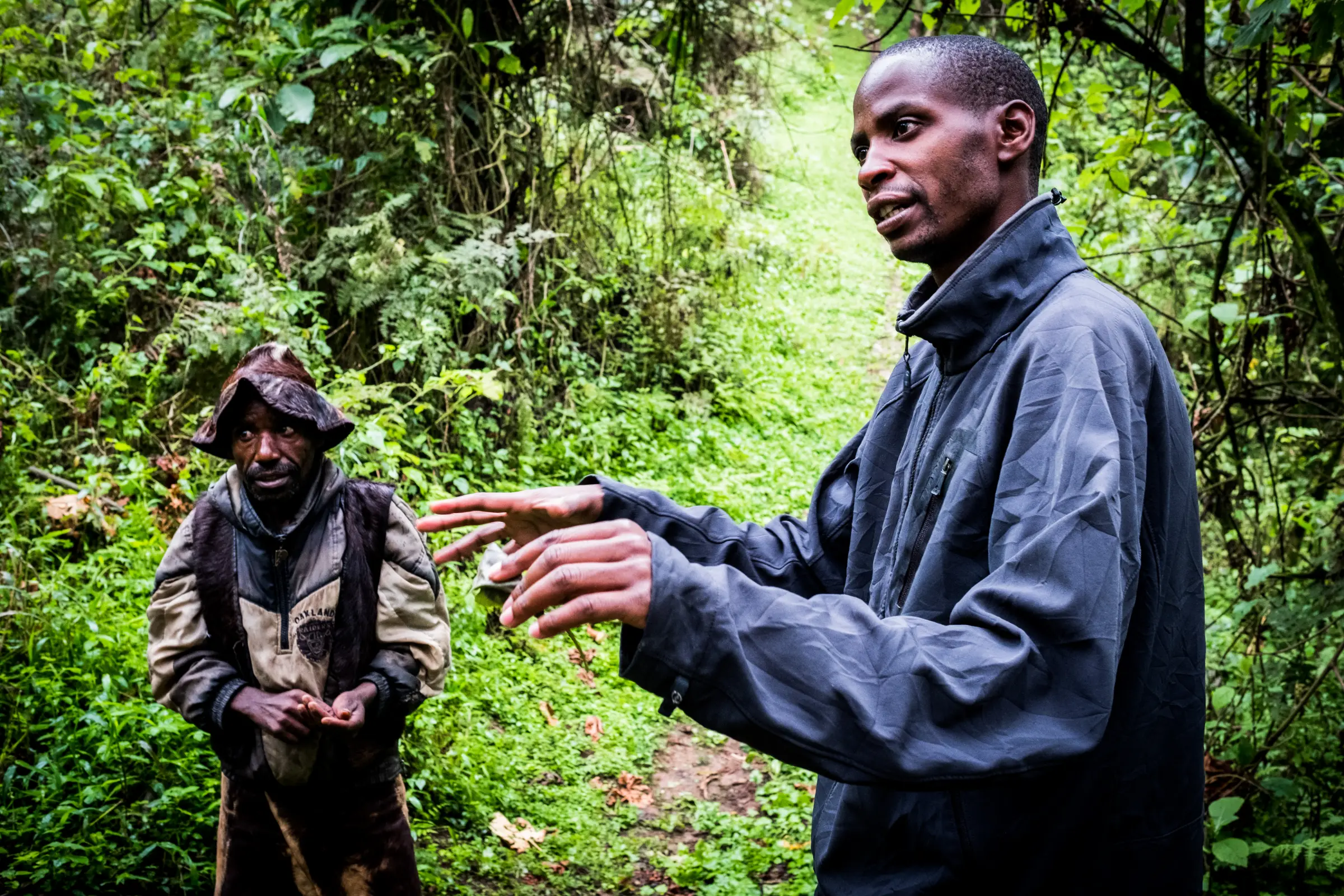
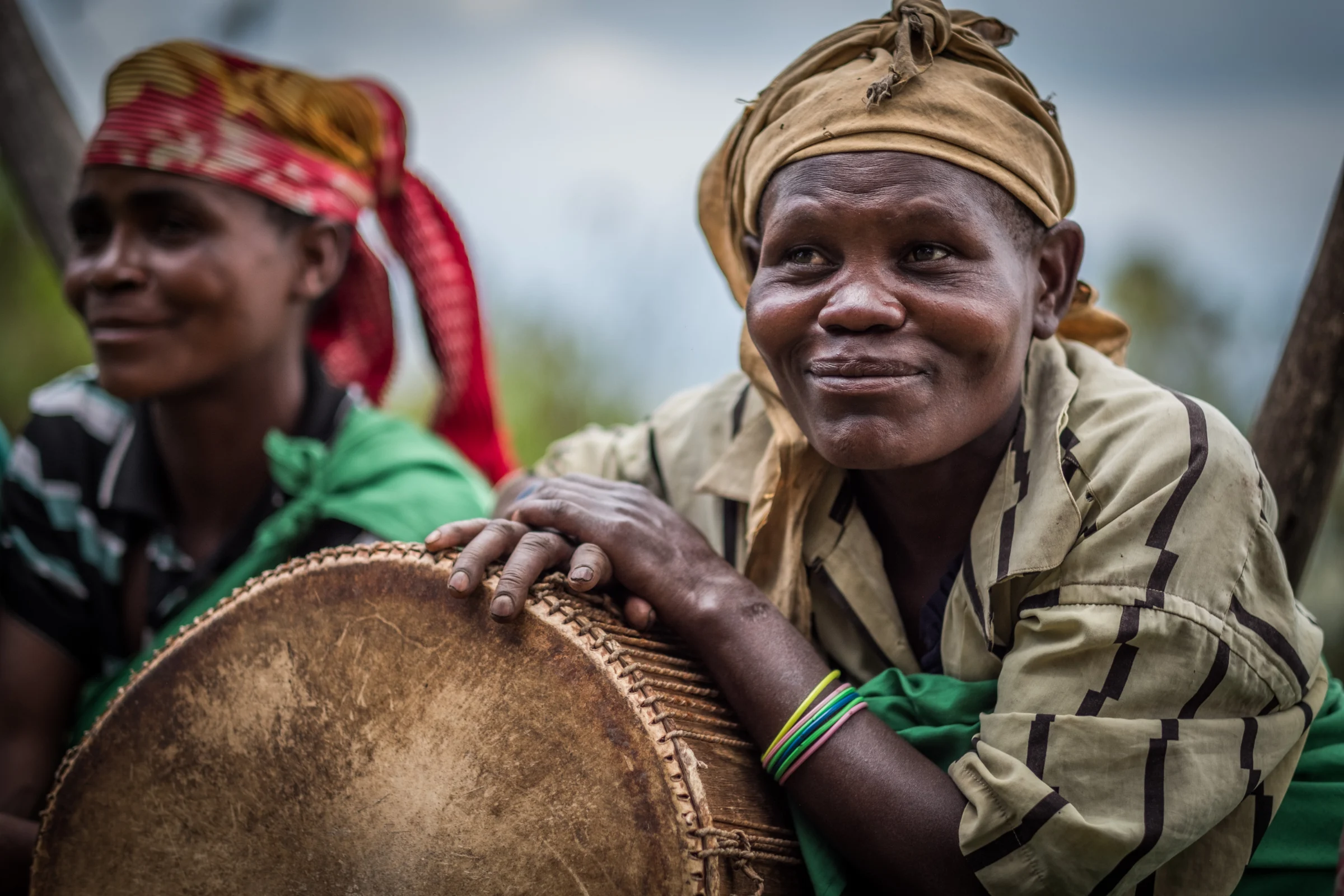
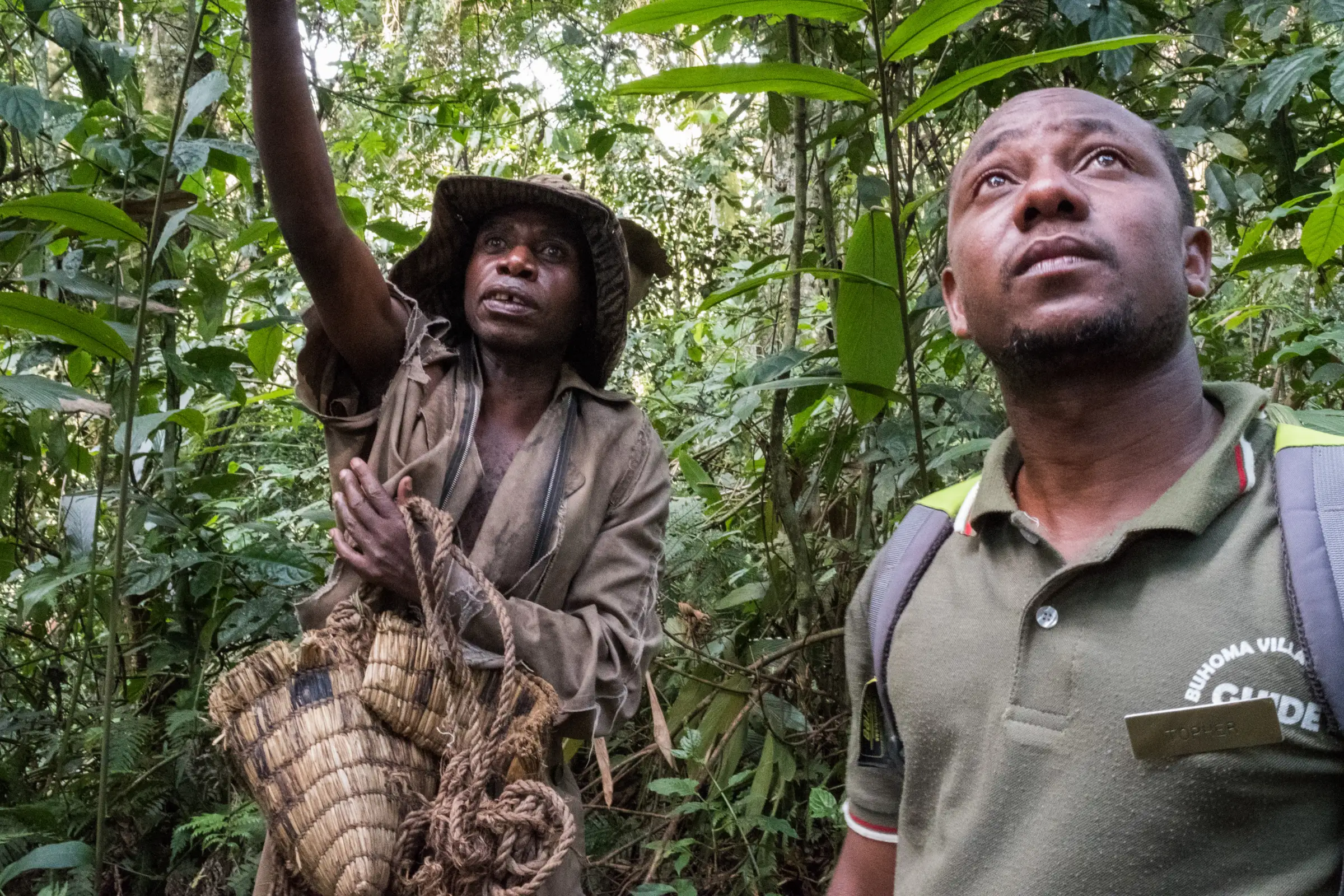
Two Batwa elders telling stories on the Batwa Trail, Mgahinga Gorilla National Park, UgandaA Batwa guide leading visitors along the Buniga Community Forest Trail near Bwindi, UgandaA Batwa elder and an interpreter guide on the Buniga Forest Trail at Nkuringo, on the edge of BwindiTwo Batwa women with a drum at Mgahinga, UgandaA Batwa elder pointing into the forest canopy beside a local guide near Buhoma, BwindiHand-woven Batwa baskets at Mgahinga, Uganda

The Batwa · Bwindi & Mgahinga

The Forest’s First People, Now Its Guides.

For generations, the Batwa lived in the forests of southwestern Uganda, hunting, gathering honey and knowing every plant that heals. In 1991, when Bwindi and Mgahinga became national parks to protect the mountain gorilla, they were moved out of the forest.

Today, some walk back in as guides. On the Batwa Trail in Mgahinga Gorilla National Park, Batwa guides lead you through the forest on the volcano slopes and show you how they found food, water and medicine, and how they hunted. The walk ends at Garama Cave, a 200-metre lava tube where the Batwa once sheltered, with songs sung inside it.

Near Bwindi, Batwa-led forest walks, including the Buniga Forest Trail at Nkuringo, make a quiet afternoon after a morning with the gorillas.

Book only the official, Batwa-led experiences.

Buy crafts directly from the people who made them.

Listen more than you photograph.

We book only the official experiences, run with the Uganda Wildlife Authority, the United Organisation for Batwa Development in Uganda or the Batwa Development Programme. The Batwa lead the visit, and the payment reaches them.

Gorilla Trekking

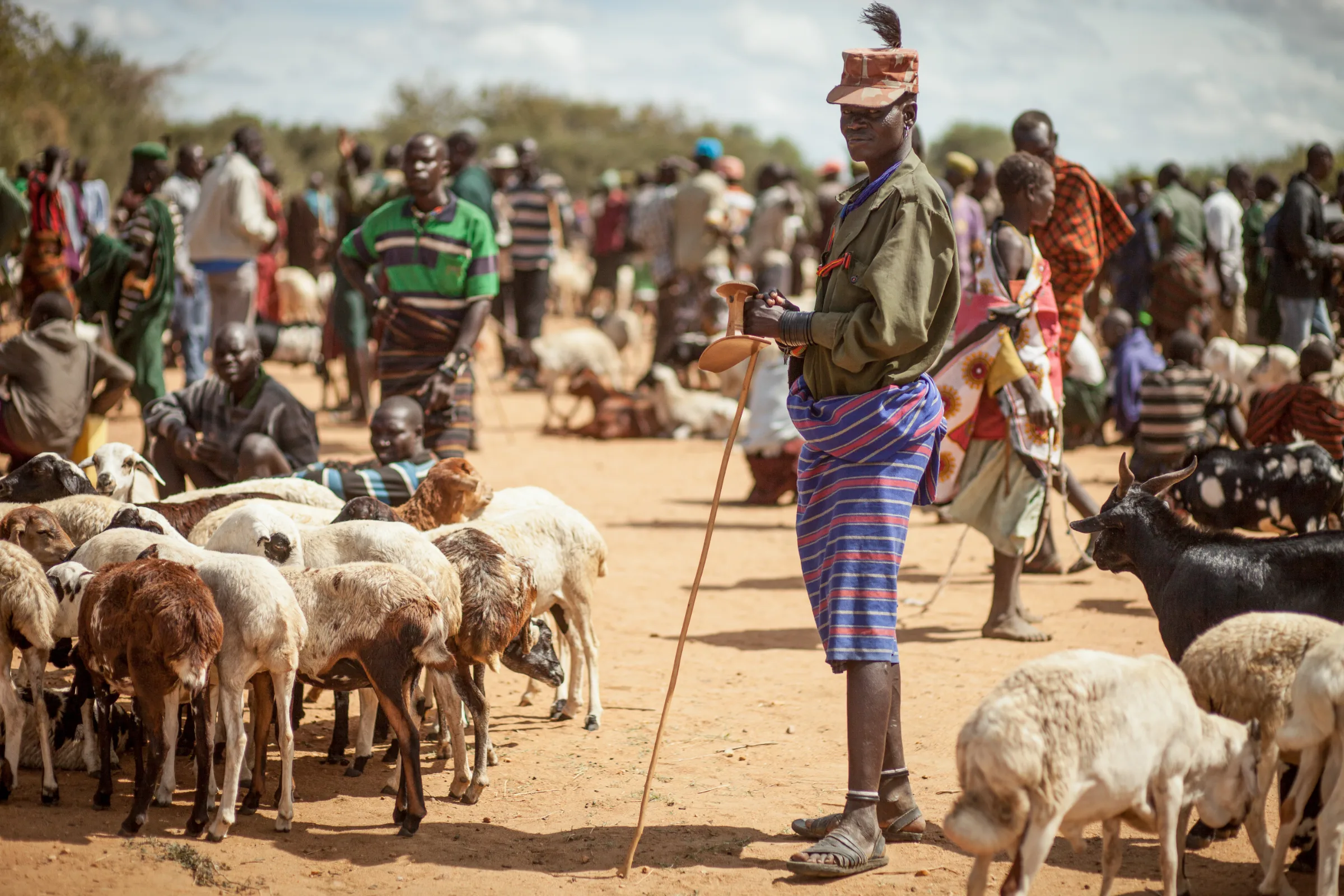
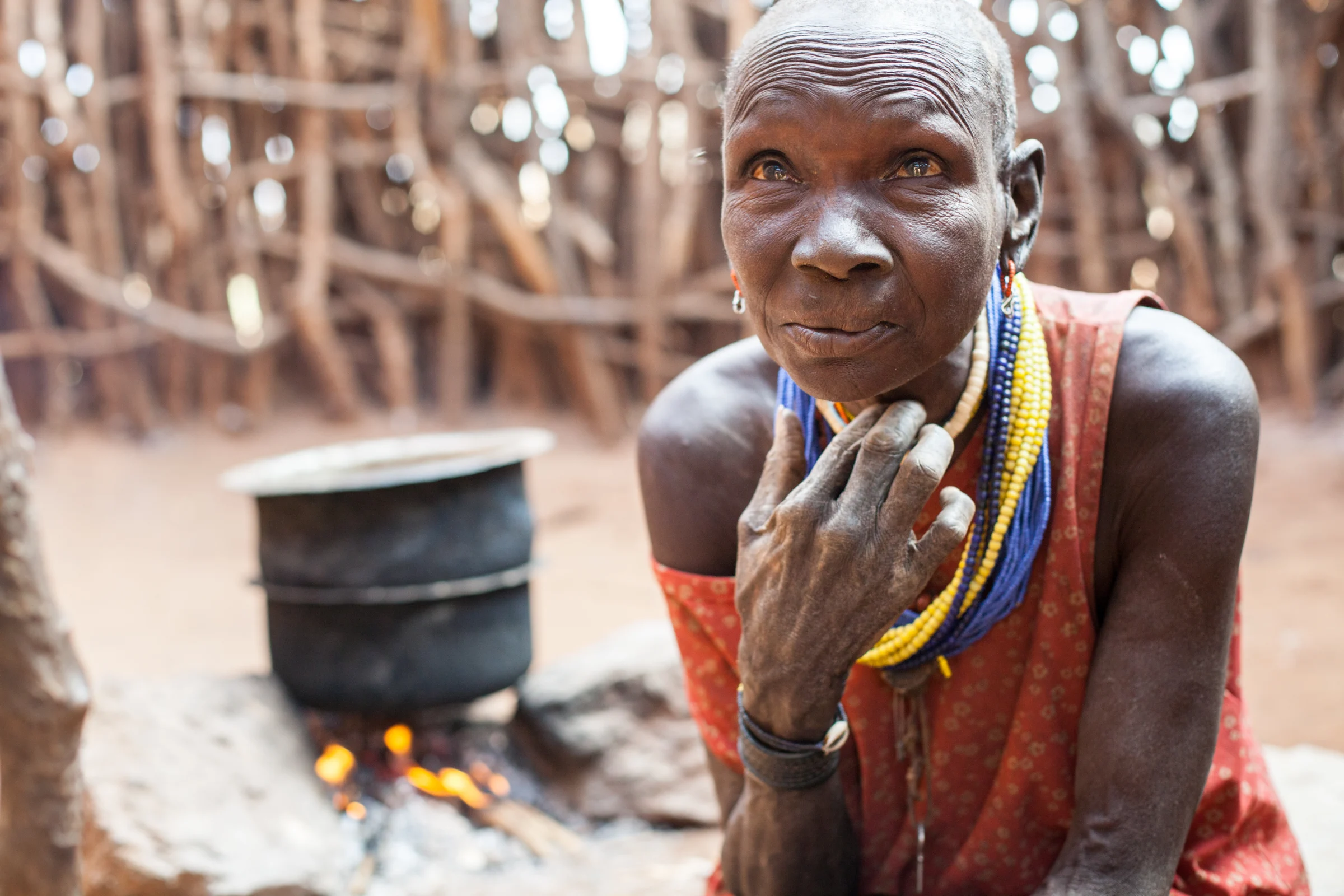
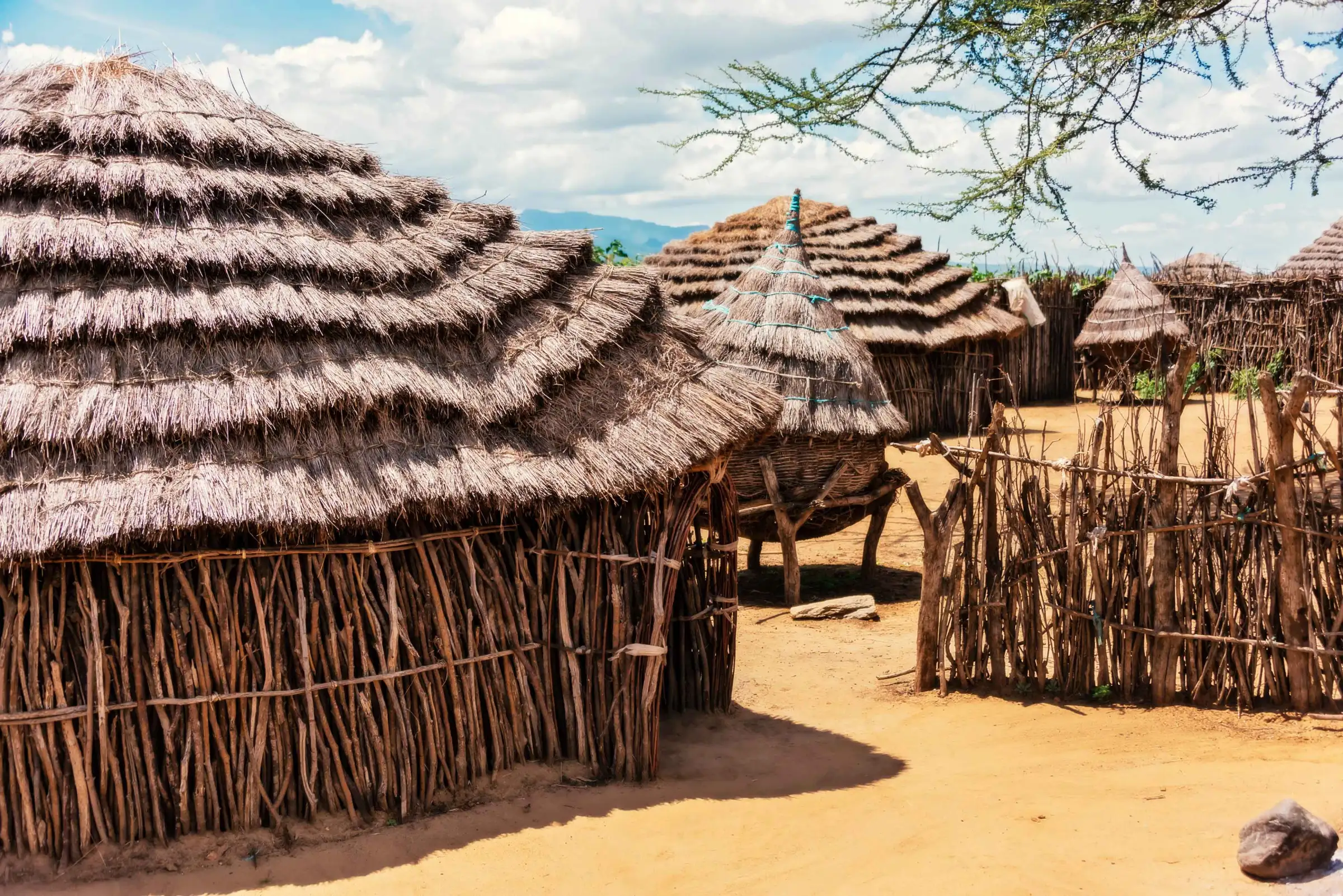
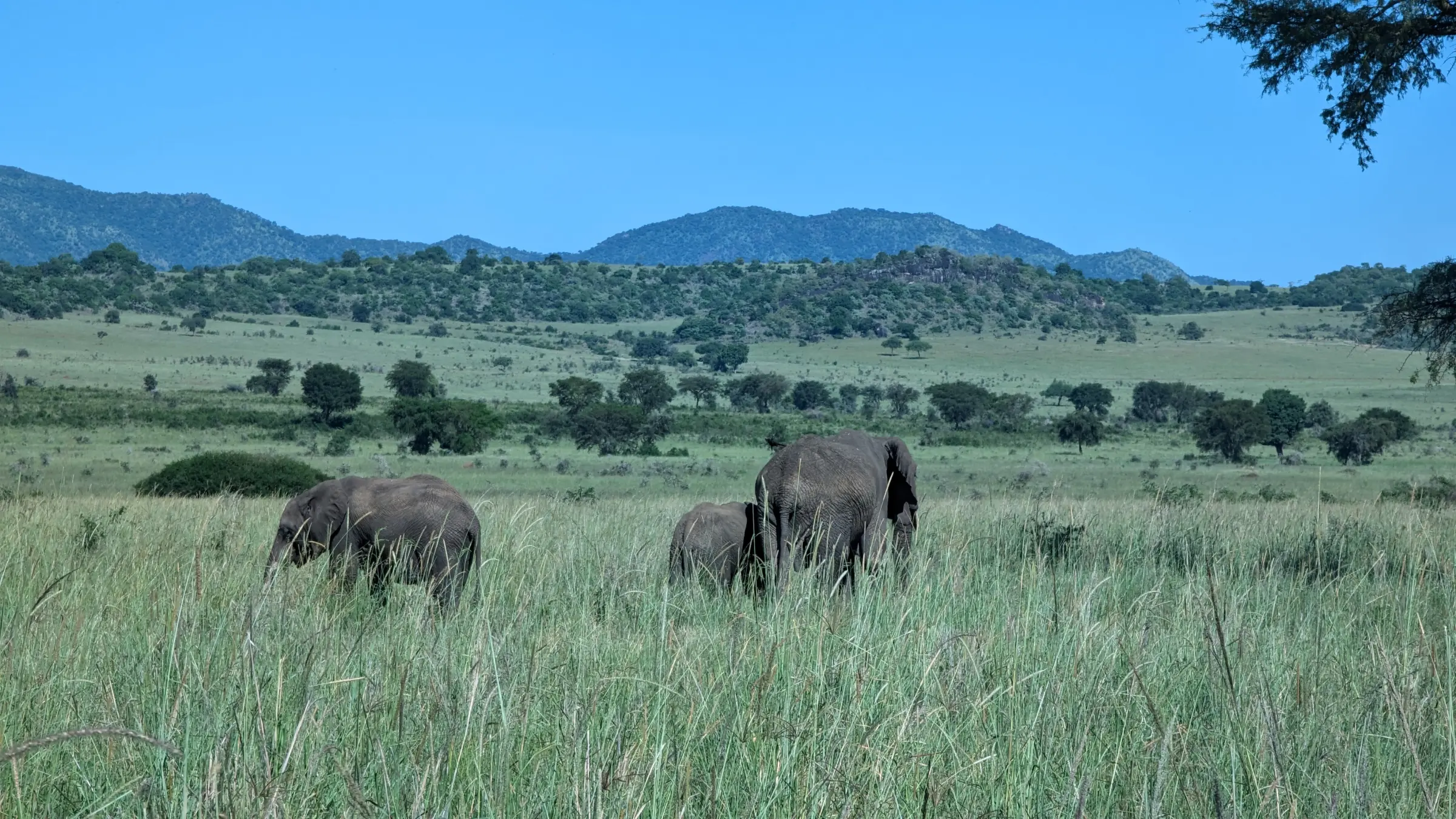
A Karamojong herder with his sheep at a livestock market in Karamoja, UgandaA Karamojong elder in beaded necklaces beside the fire in her family’s homestead, Karamoja, UgandaThatched homes and stick fences of a Karamojong homestead under a blue sky, UgandaElephants in long grass beneath the mountains of Kidepo Valley National Park, Uganda

Karamoja · Northeastern Uganda

Cattle Country on the Way to Kidepo.

In Uganda’s far northeast, the Karamojong are agro-pastoralists whose lives still turn on their cattle. Homesteads are ringed with stick fences, and herds move with the rains.

Most travellers fly in for Kidepo Valley National Park, one of Africa’s most remote and beautiful wildernesses. Give it a morning more.

Visit a homestead, arranged in advance with a Karamojong guide.

Walk out with the herds.

Talk about cattle, beadwork and how pastoral life is changing.

Plan My Journey

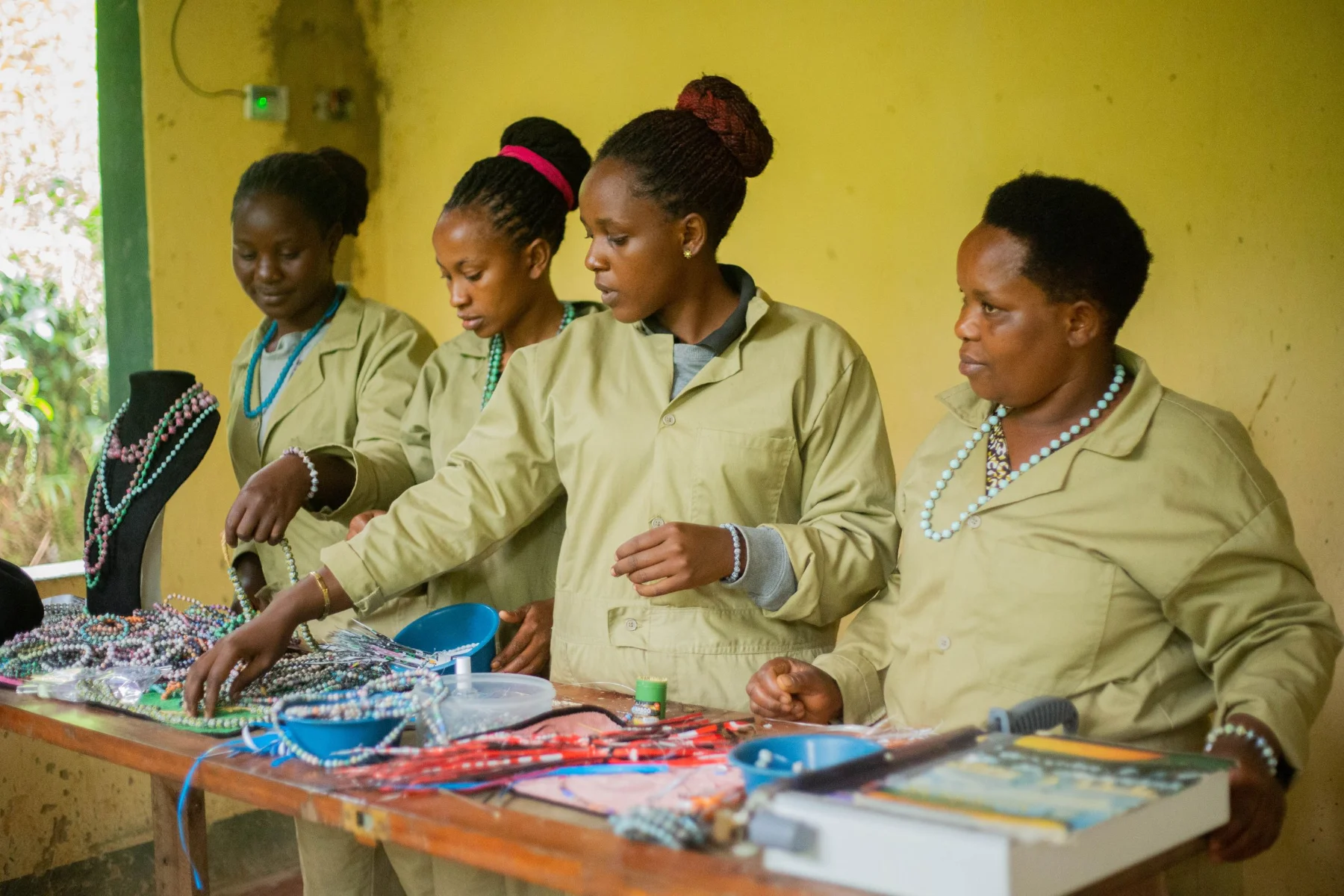
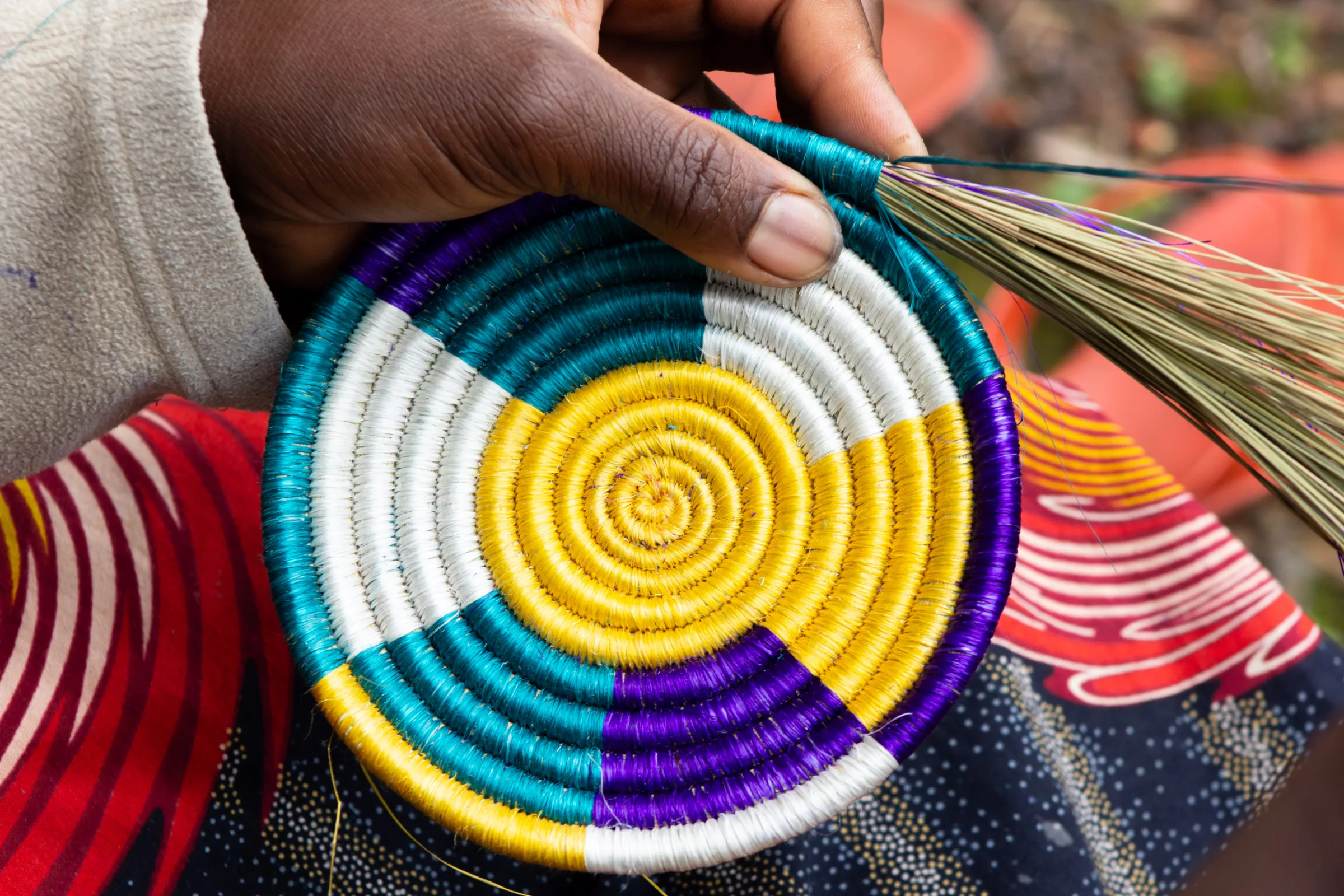
Four women stringing beaded necklaces together at a workshop tableHands weaving a coiled basket in teal, yellow and purple, Rwanda

Food & Makers

Sometimes the Experience Is Lunch.

Community experiences don’t always need a formal programme.

Sit down for a meal.

Ask what you’re eating.

Learn how it was prepared.

Meet artisans and makers.

Explore basketry, textiles, beadwork, pottery, carving and other work according to where you’re travelling.

And if you see something you genuinely like, buy it.

Buying directly from someone who made something gives you a connection to the object that an airport souvenir rarely can.

Kenya

There Is More Than One Cultural Story.

Kenya has extraordinary cultural diversity.

Depending on your route, you might spend time in pastoral country around the Mara or Samburu, meet makers and women’s enterprises, visit farms and markets, explore conservation initiatives or experience contemporary Nairobi.

The coast brings another cultural context again.

There isn’t one standard “Kenyan community experience.”

There shouldn’t be.

Explore Kenya

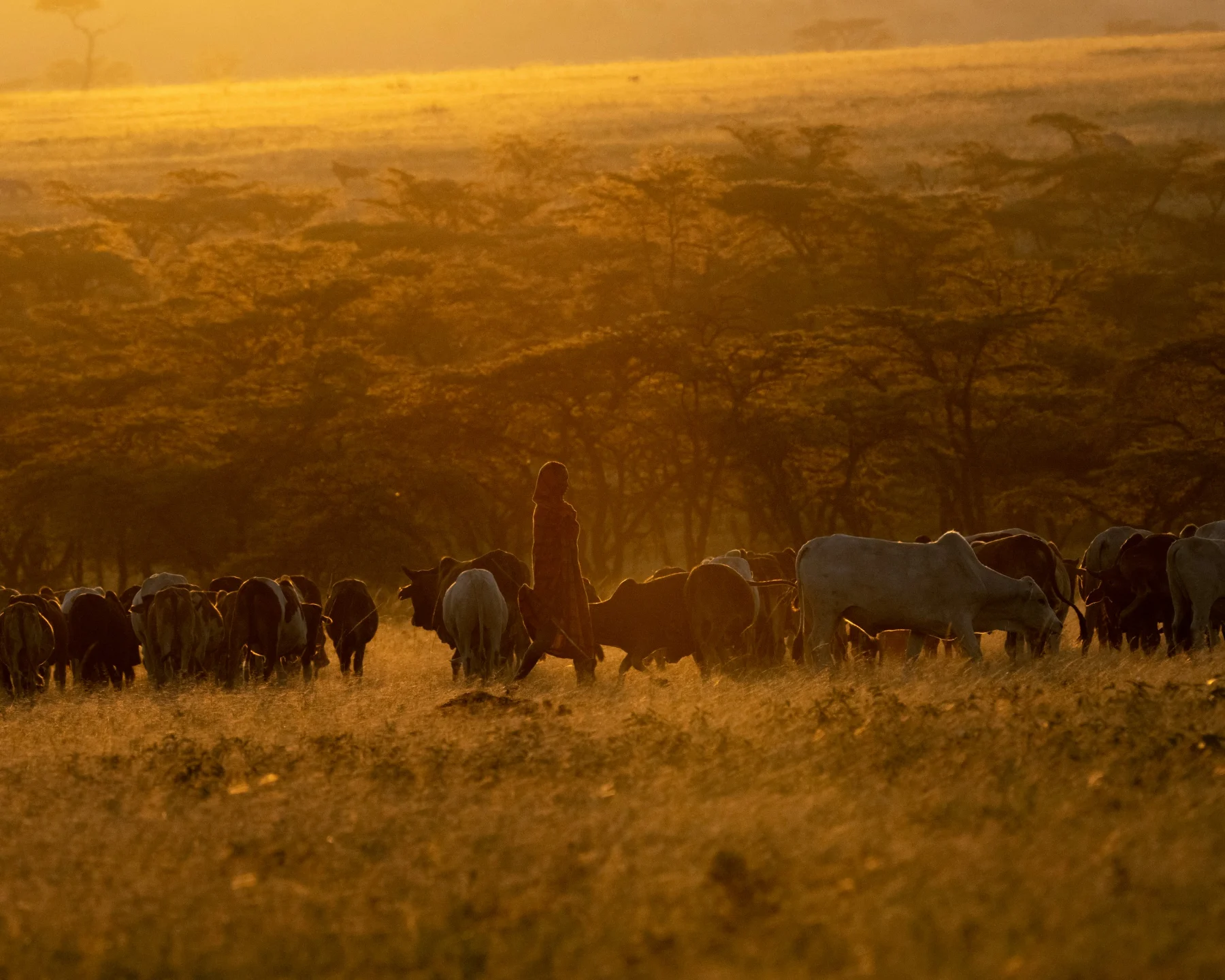
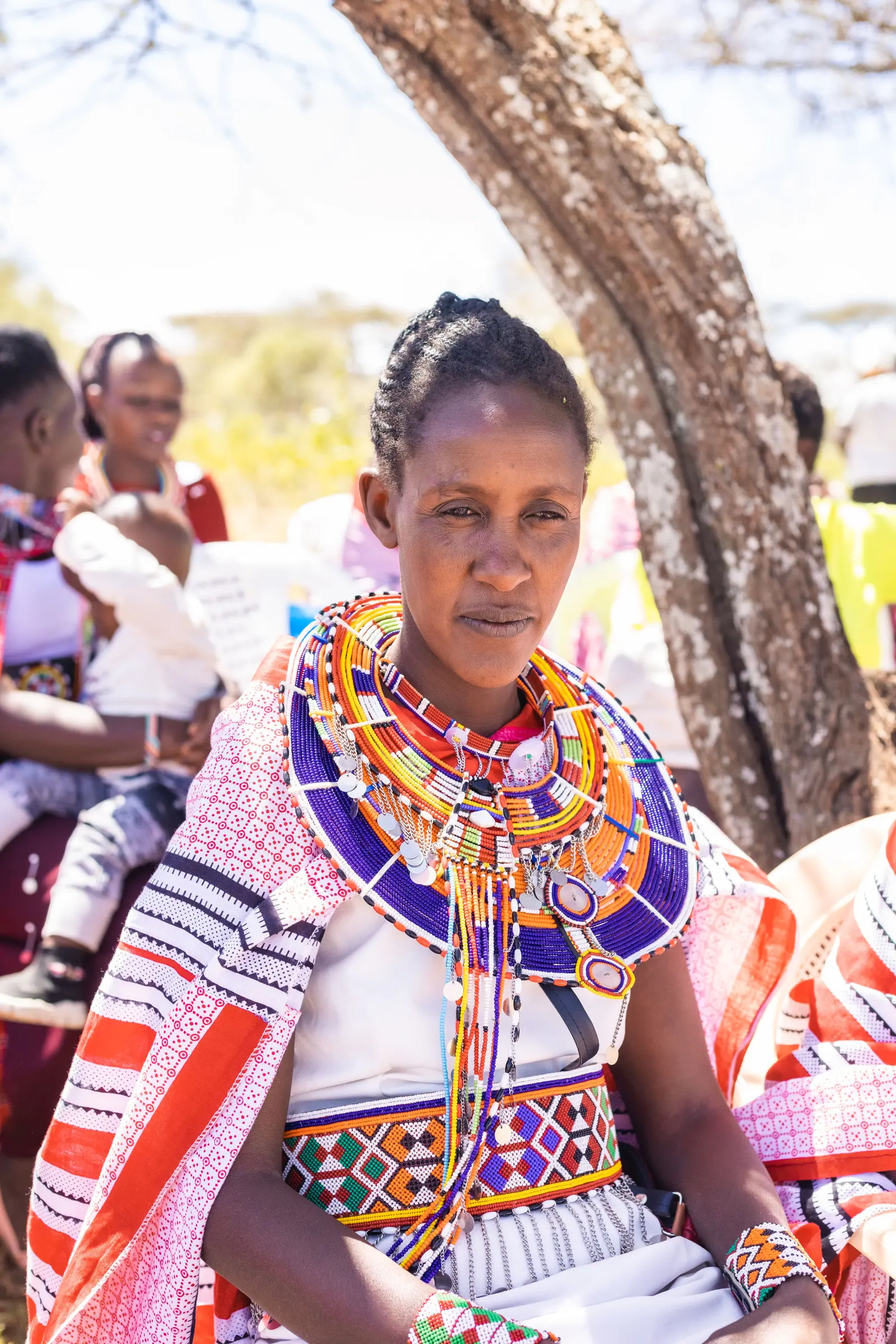
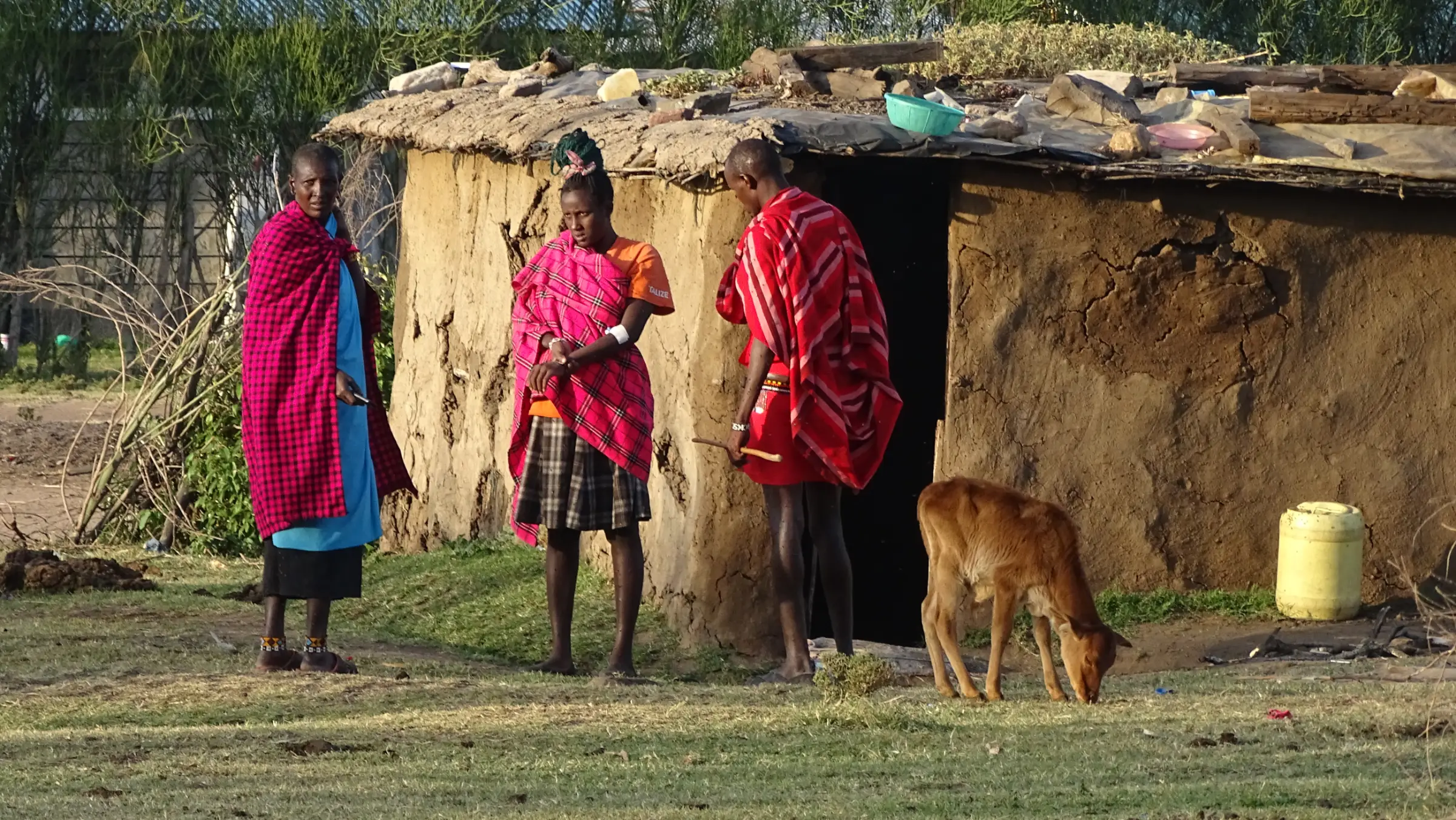
A Maasai herder walking among his cattle through long grass in the low evening sun, southern KenyaA Maasai woman in beaded collars under an acacia in Kajiado County, KenyaMaasai family members at the entrance to their home in southern Kenya

Maasai Mara

The Mara Is More Than What Happens Between Game Drives.

Come for the wildlife.

The Mara deserves its reputation.

But people live here too.

A thoughtfully arranged experience can provide context around aspects of Maasai pastoral life, cattle, family, beadwork, land, conservation and contemporary life beside one of the world’s best-known wildlife ecosystems.

What we don’t want is a twenty-minute stop designed around photographs.

Stay long enough to listen.

Ask questions.

Give the people hosting you room to explain their own lives.

The Maasai Mara

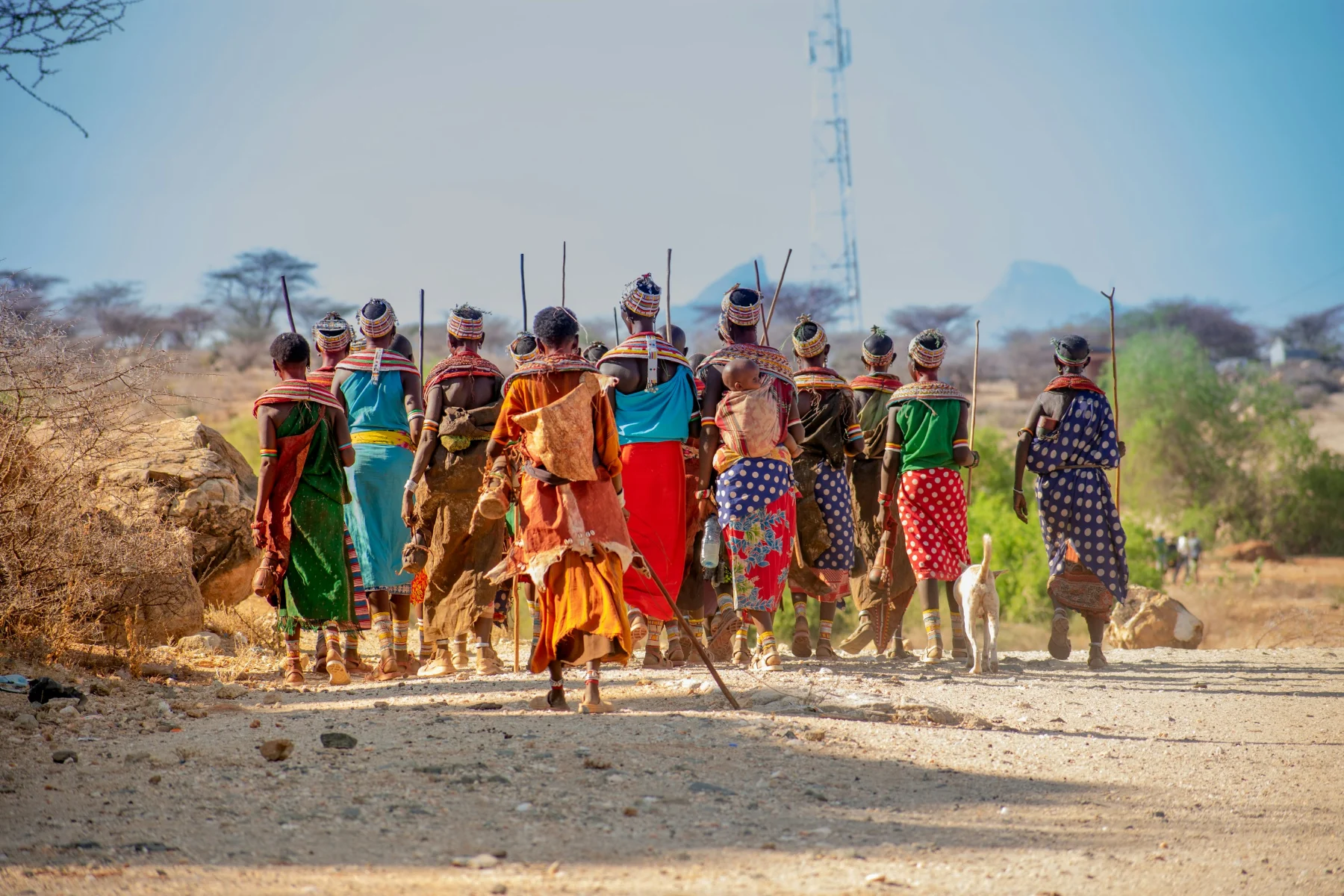
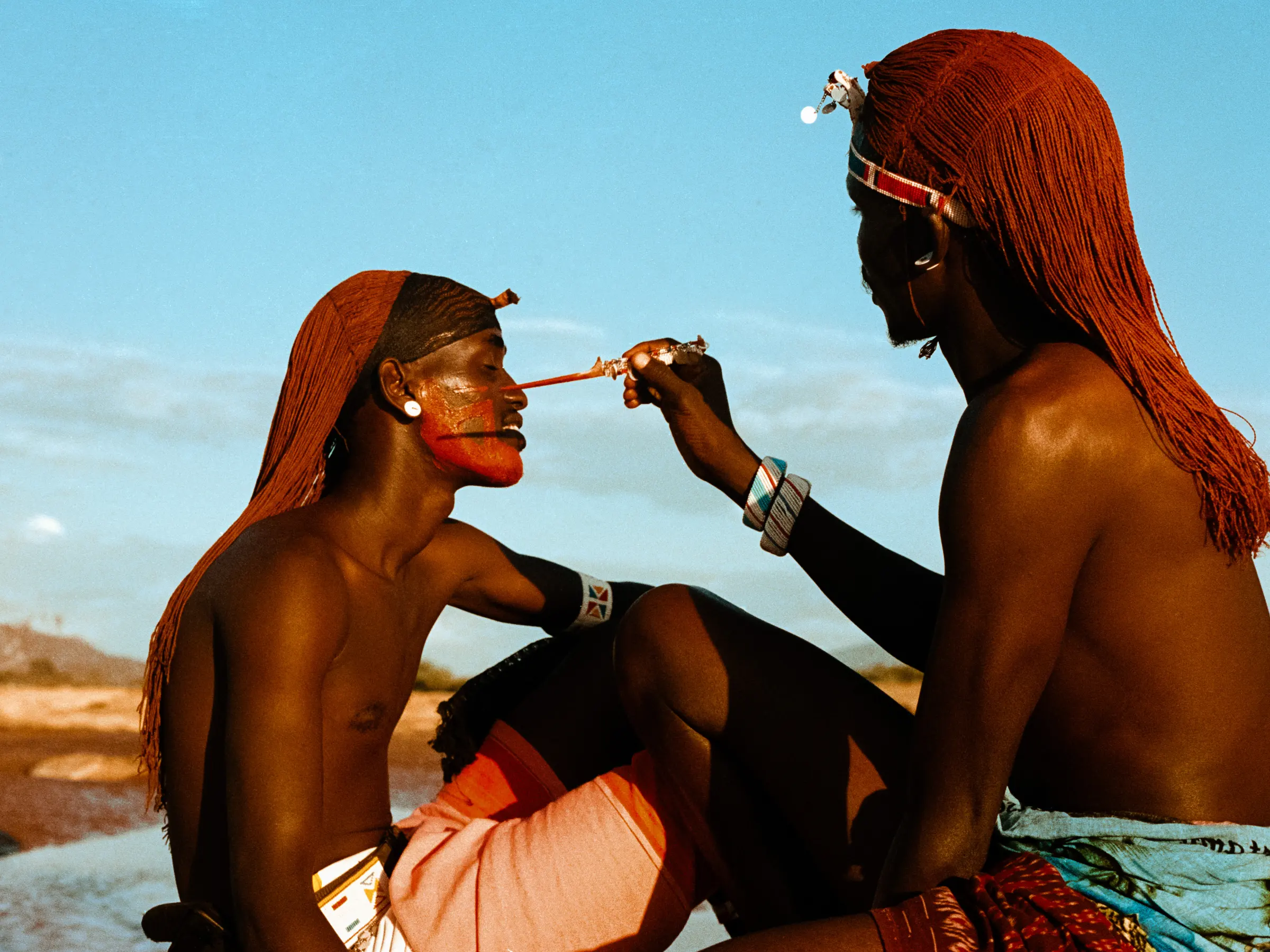
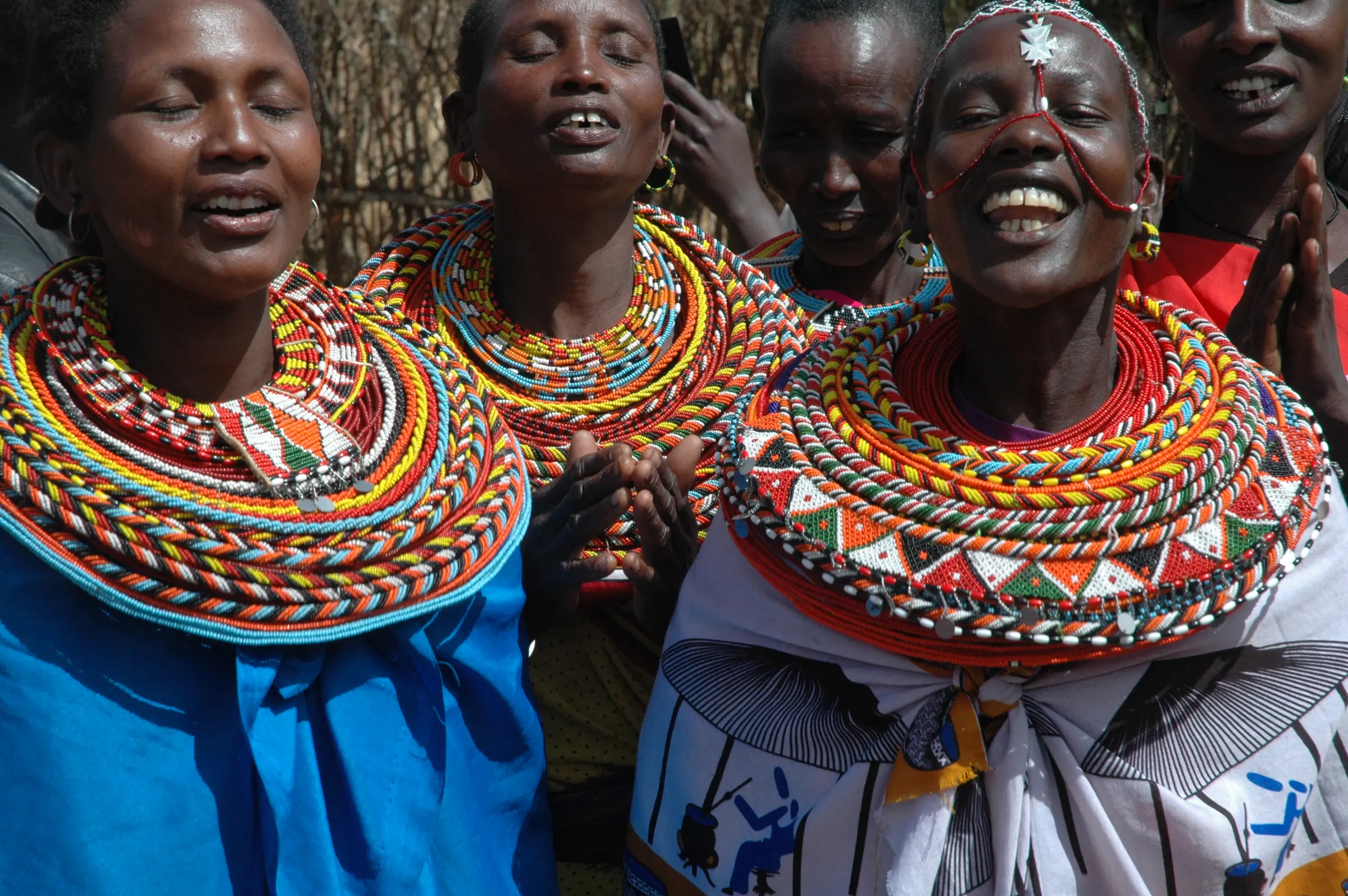
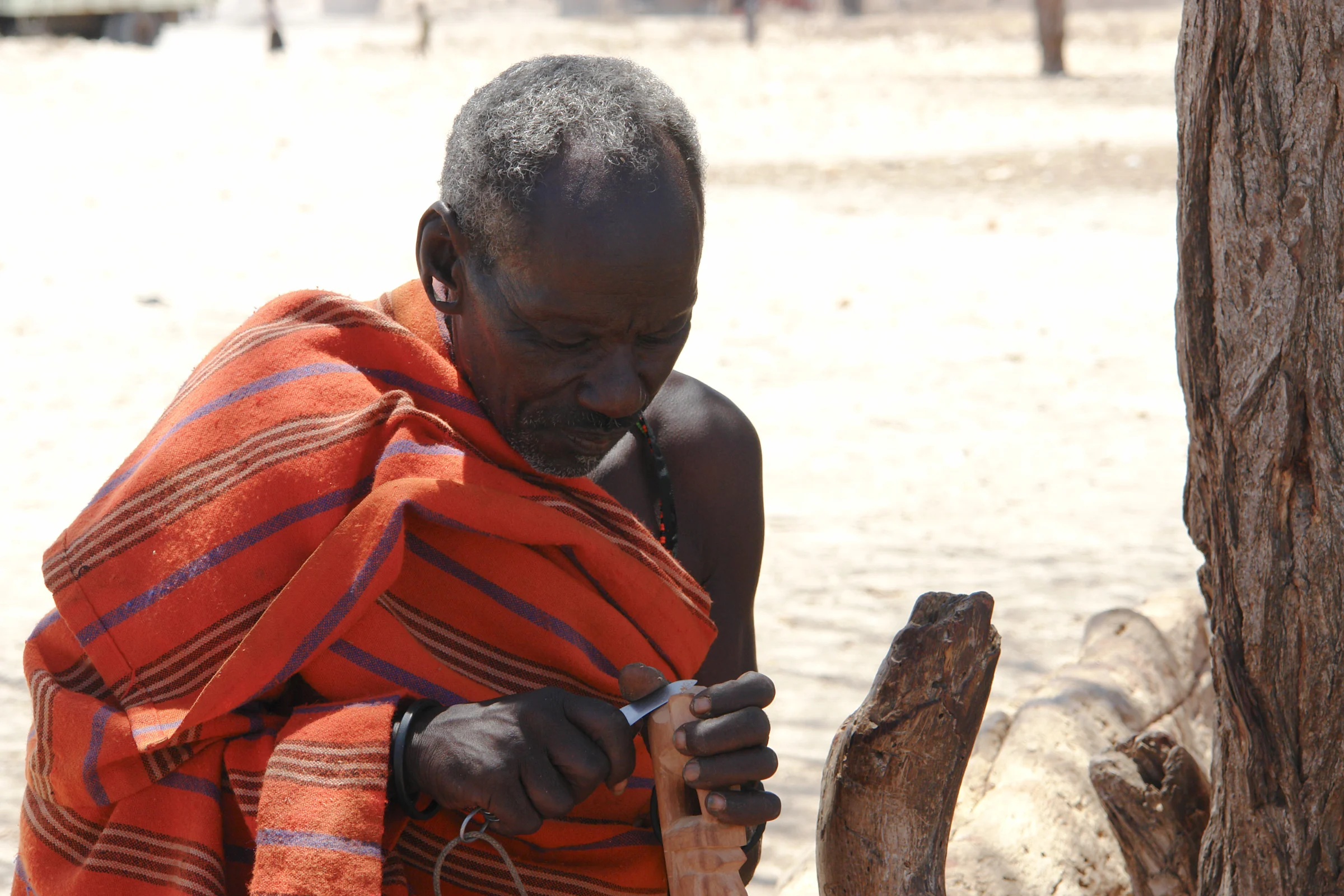
Samburu women in beaded collars and bright wraps walking along a dry track beneath the hills of northern KenyaA Samburu man painting red ochre on a friend’s face beside the Ewaso Ng’iro, Samburu County, KenyaSamburu women singing in beaded collars, northern KenyaA Samburu elder carving wood in the shade, northern Kenya

Samburu

Northern Kenya Has Its Own Story.

Samburu isn’t the Mara with a different landscape.

The wildlife changes.

The geography changes.

And so does the cultural context.

Where appropriately arranged, time with Samburu communities can introduce travellers to pastoral life, craft, cattle, local knowledge and some of the realities of living in northern Kenya.

Combine that with safari because both belong to the destination.

Explore Samburu

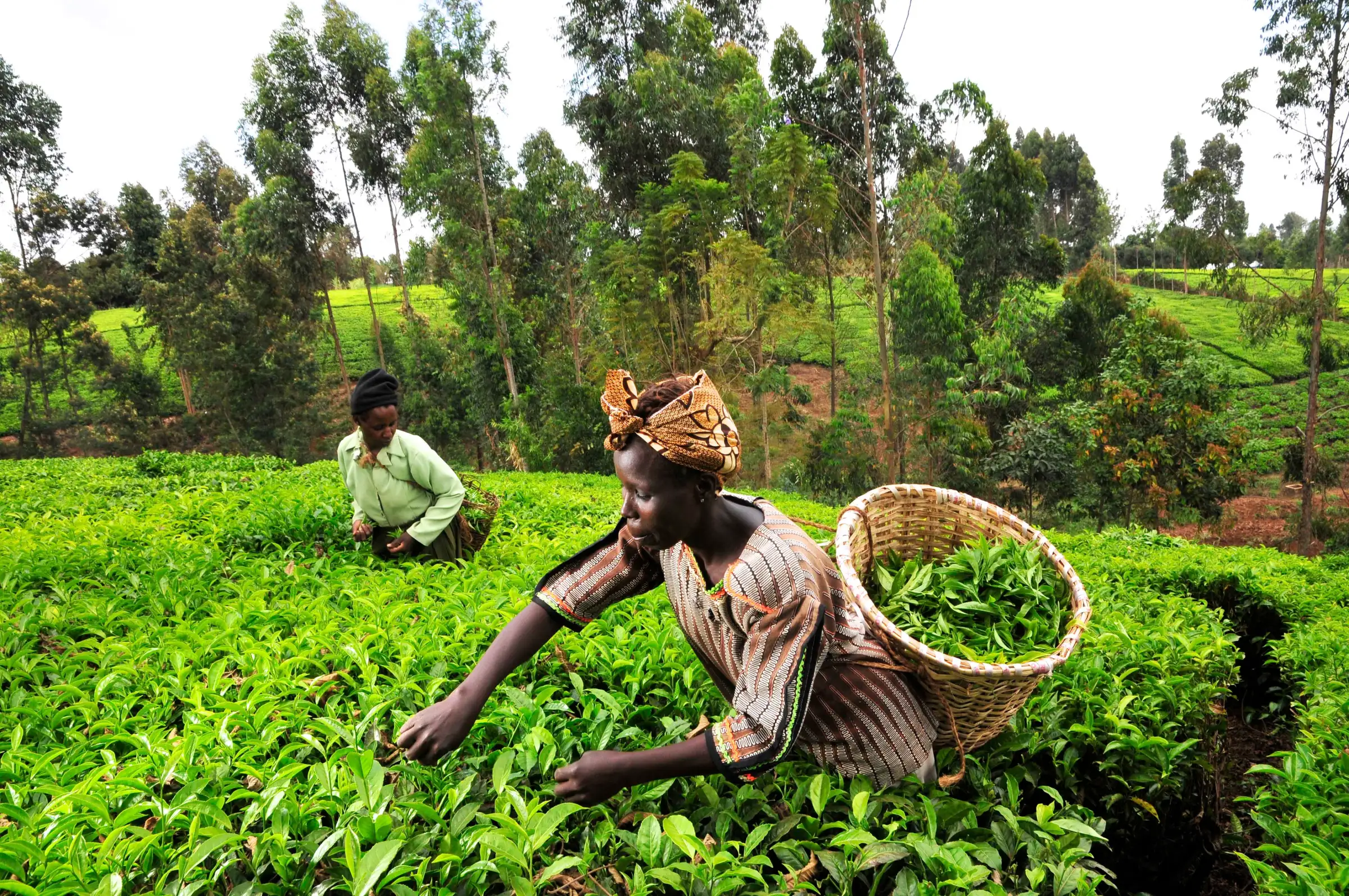
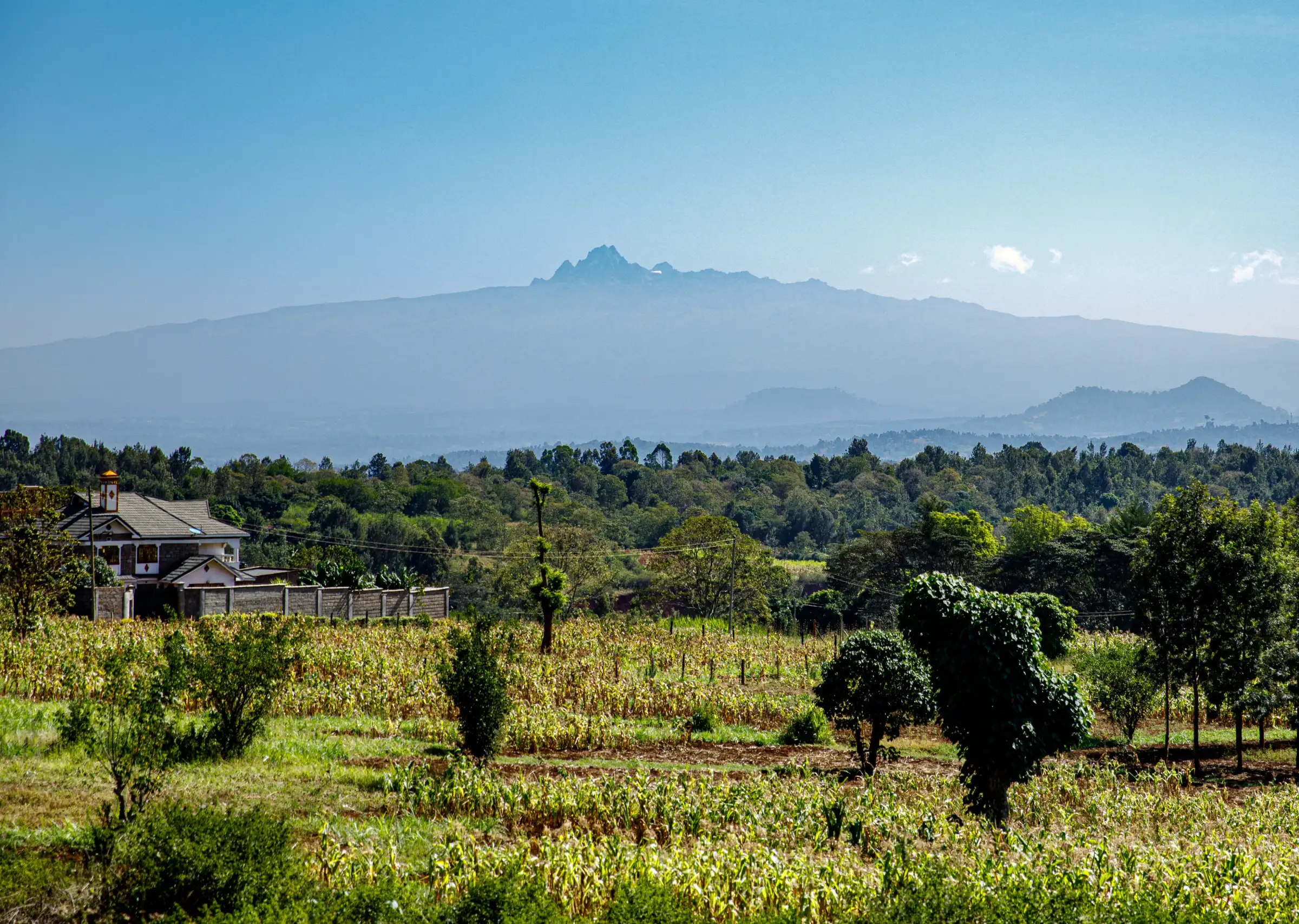
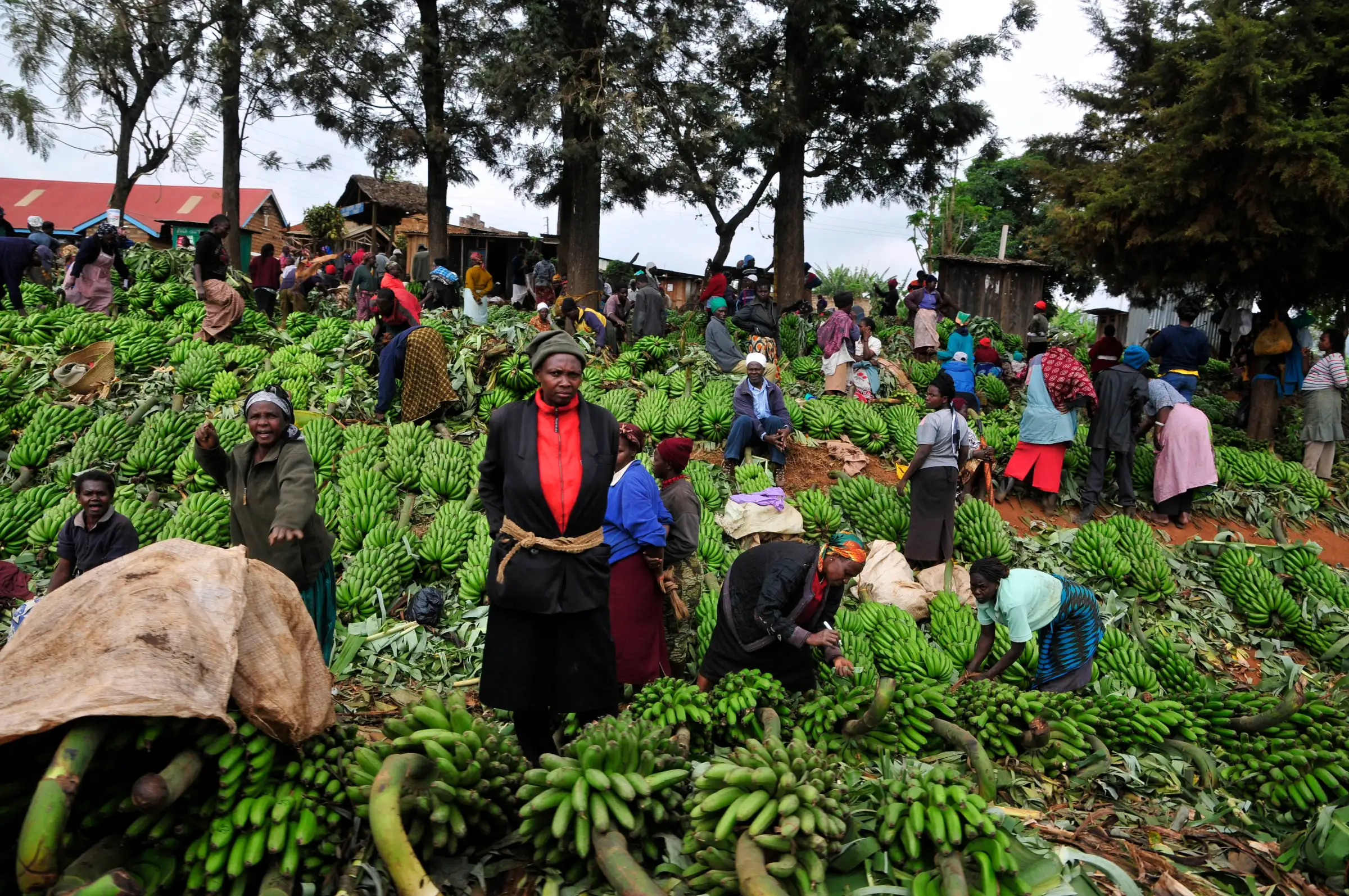
A tea picker at work on the green slopes of the Mount Kenya region, KenyaMount Kenya rising above farmland, seen from Nyeri, KenyaA busy banana market under tall trees in the Mount Kenya region, Kenya

Mount Kenya & Sagana · Central Kenya

Farm Country Under the Mountain.

On the southern slopes of Mount Kenya, around Sagana, Kirinyaga and Nyeri, family farms grow some of Kenya’s finest tea and coffee. Sagana sits on the Tana, Kenya’s longest river.

Walk a tea or coffee farm with the family that runs it.

Taste the coffee where it was grown.

Spend a morning on the Tana.

Then continue north to Laikipia or Samburu.

It is one of the simplest community experiences to fold into a Kenya safari, on the road north from Nairobi.

Explore Kenya

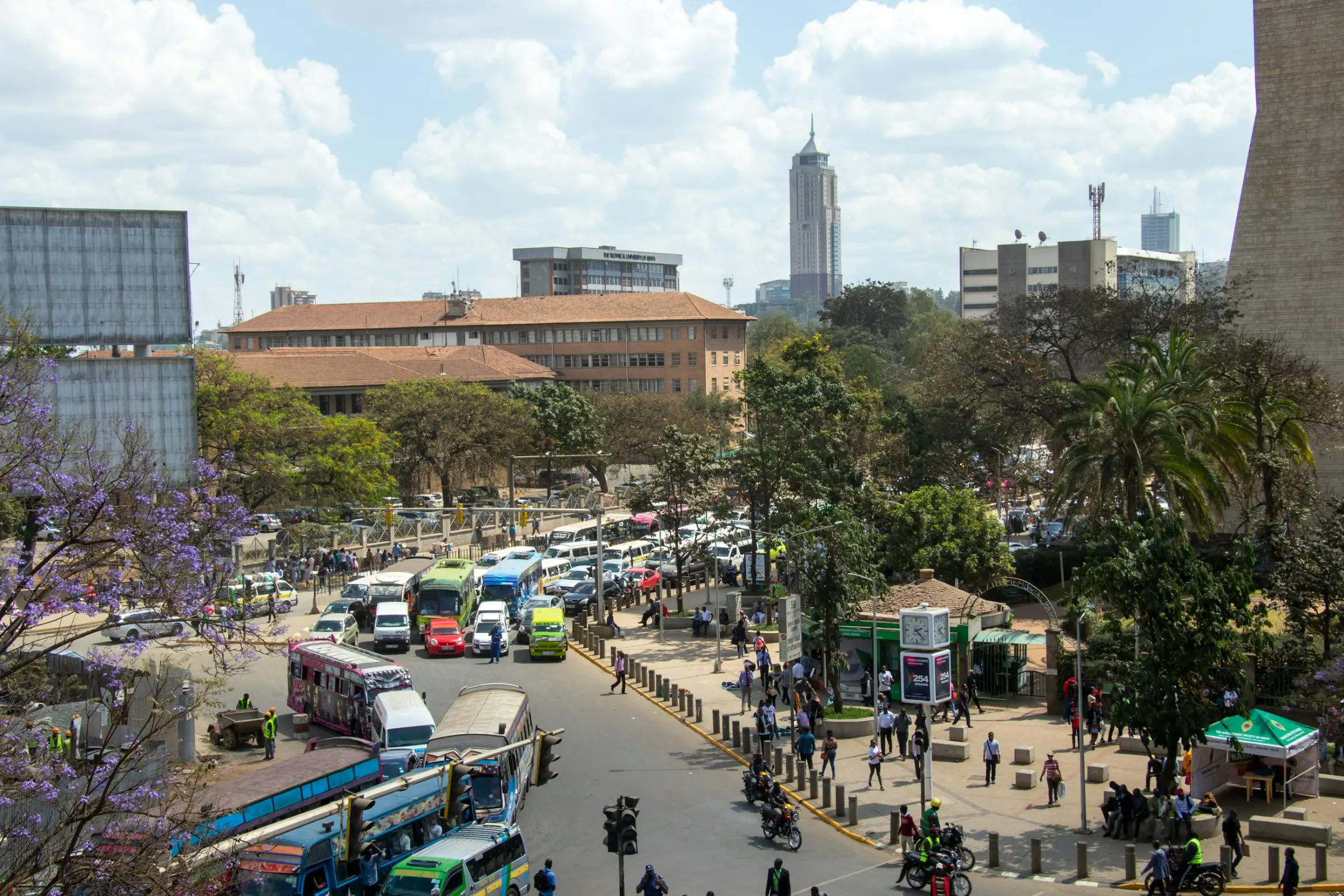
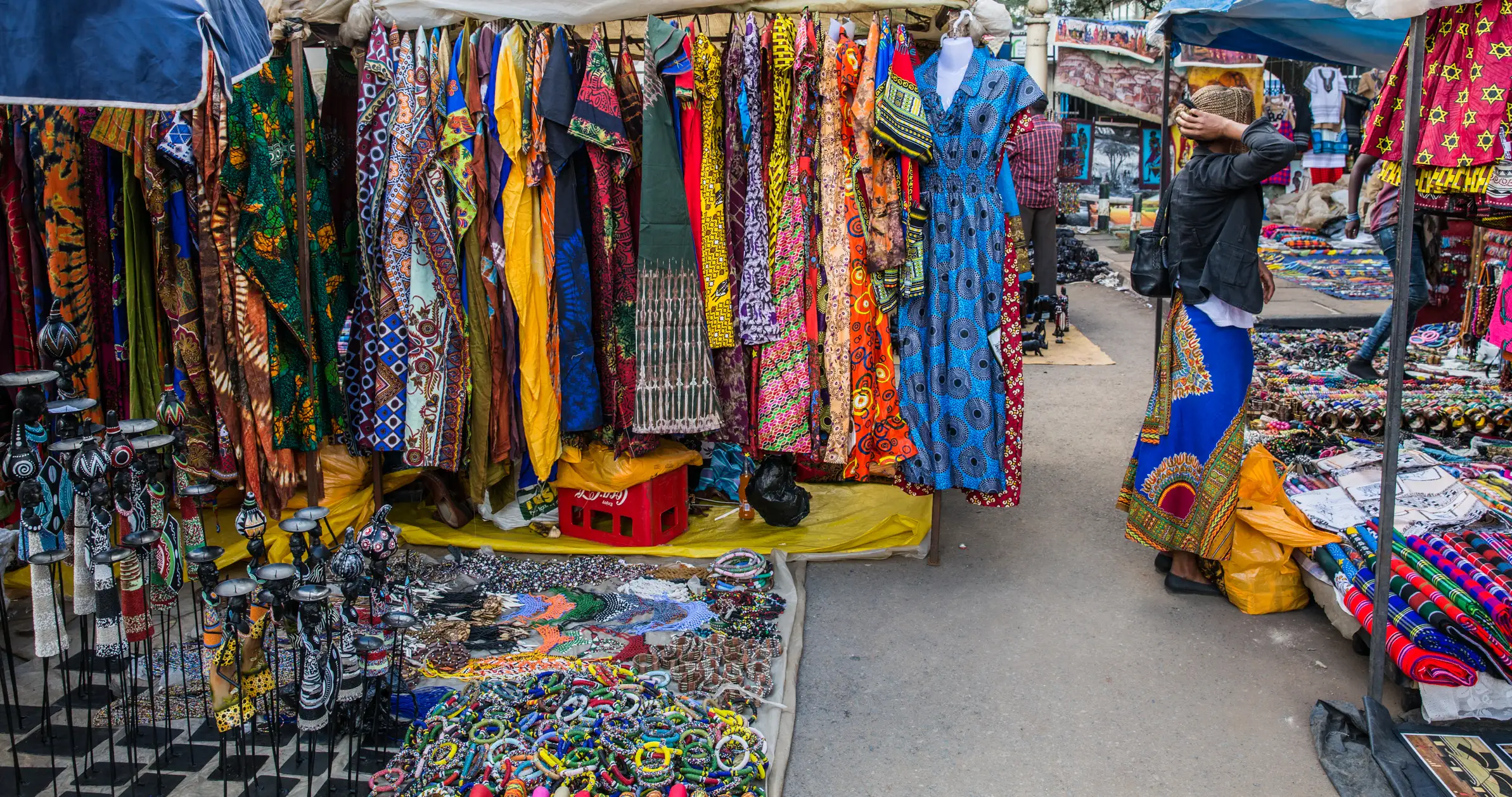
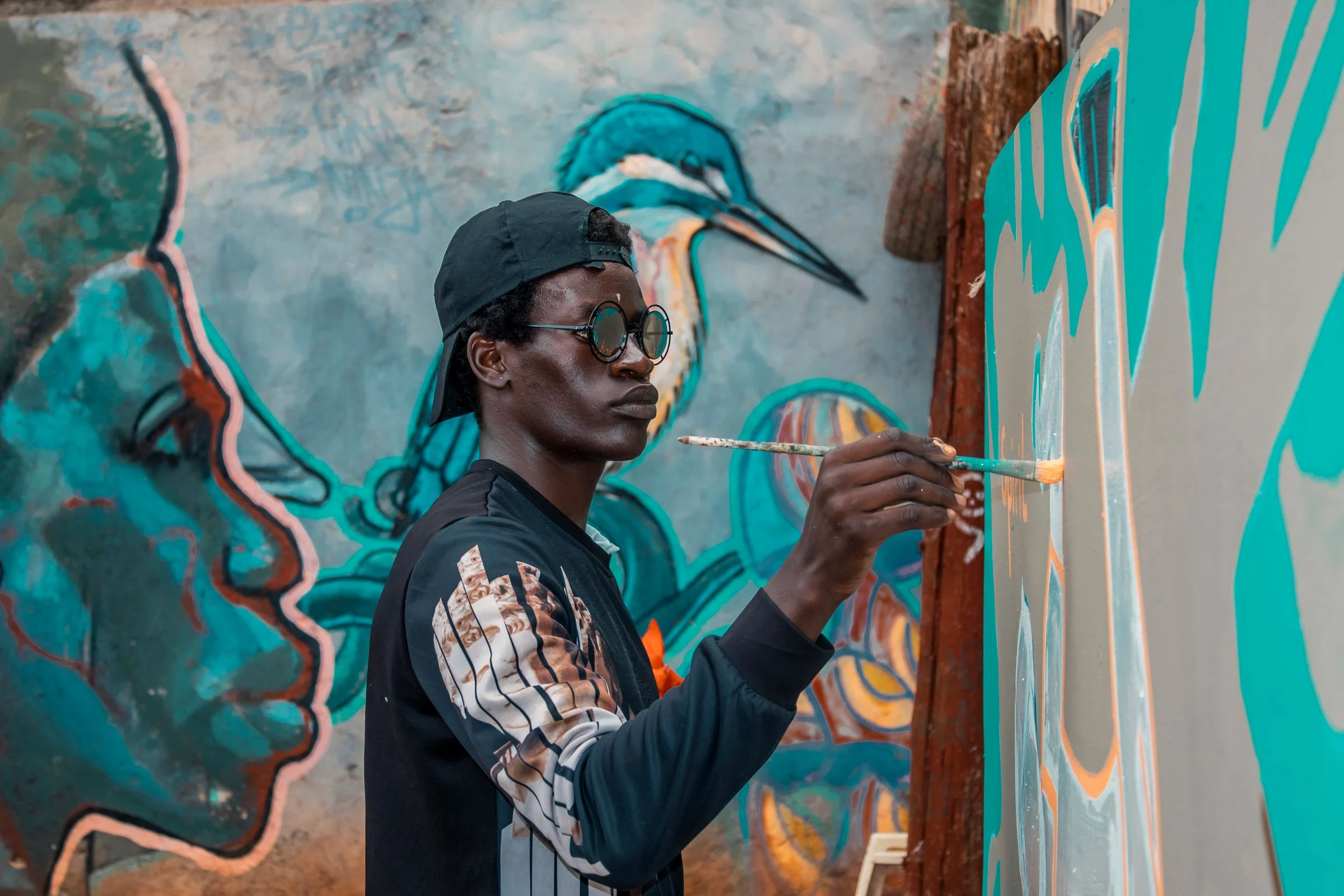
Downtown Nairobi in daylight, with jacaranda trees in bloom, matatus and people on the streets below the city towersKitenge and beadwork stalls at the Maasai Market in Nairobi, KenyaAn artist painting a street mural in Nairobi, Kenya

Nairobi

Community Does Not Mean Village.

Modern African life is part of Africa too.

Nairobi is food, music, art, fashion, markets, business, neighbourhoods, nightlife, creativity and entrepreneurship.

It is a major African city, not simply the airport before safari.

If you have time, experience some of it.

Eat Kenya

Not Everything Needs to Become a Tour.

Sometimes understanding a destination means going somewhere good for dinner.

Try nyama choma.

Share food around the table.

Stay long enough for conversation.

If a lively Nairobi restaurant fits the journey, we’ll recommend one.

If you’d rather have a quieter evening, we’ll do that instead.

Food doesn’t need a lecture to connect you to a place.

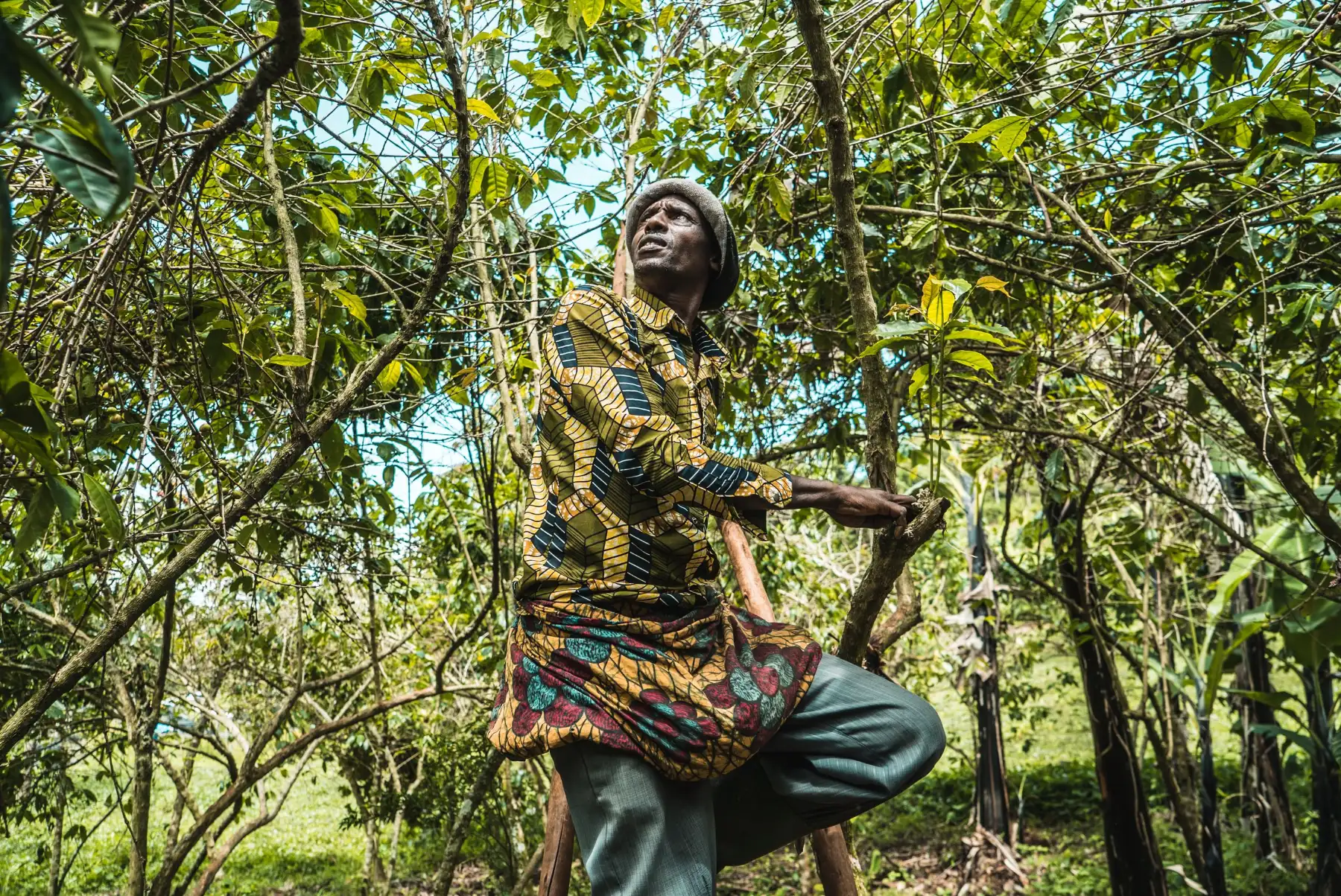
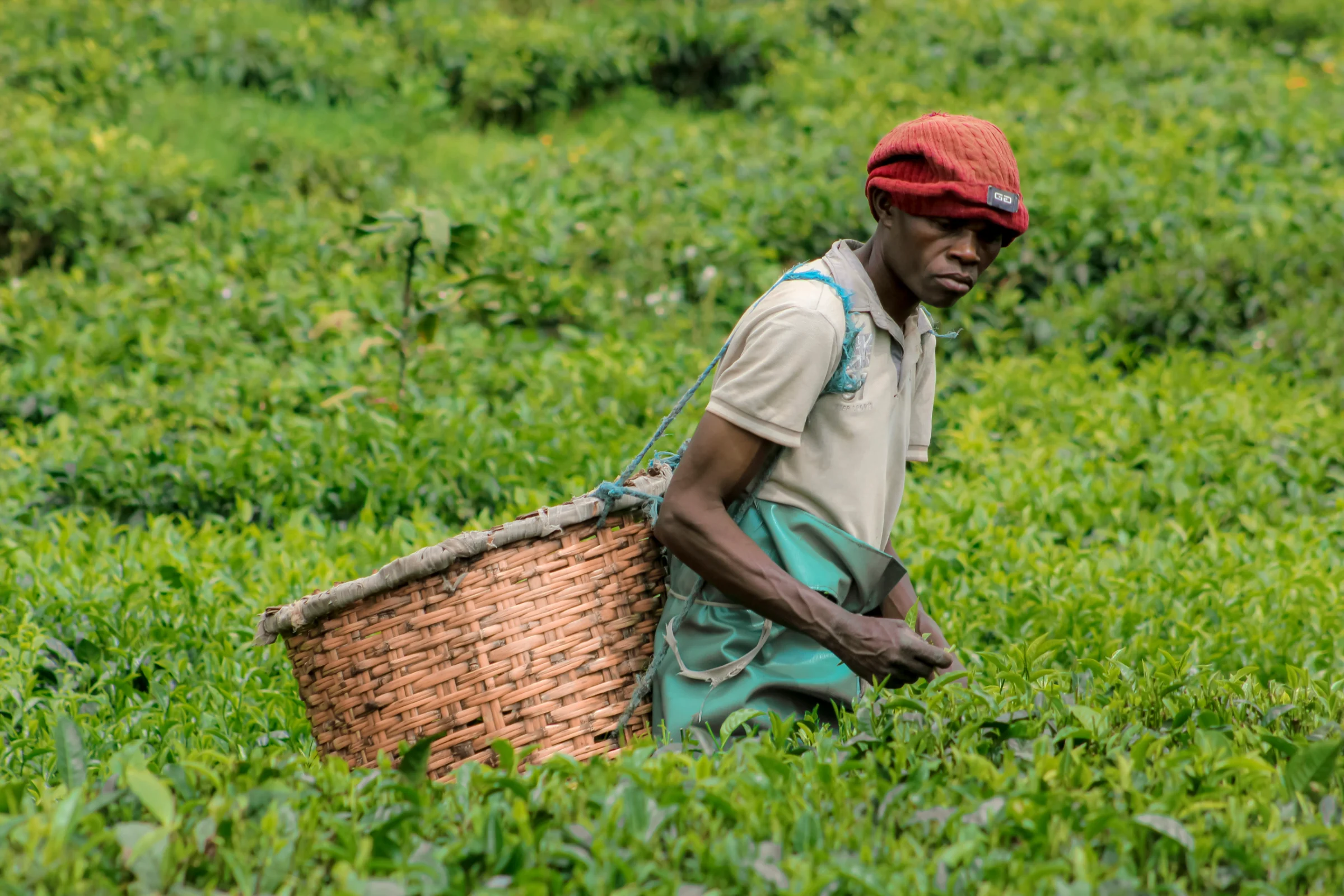
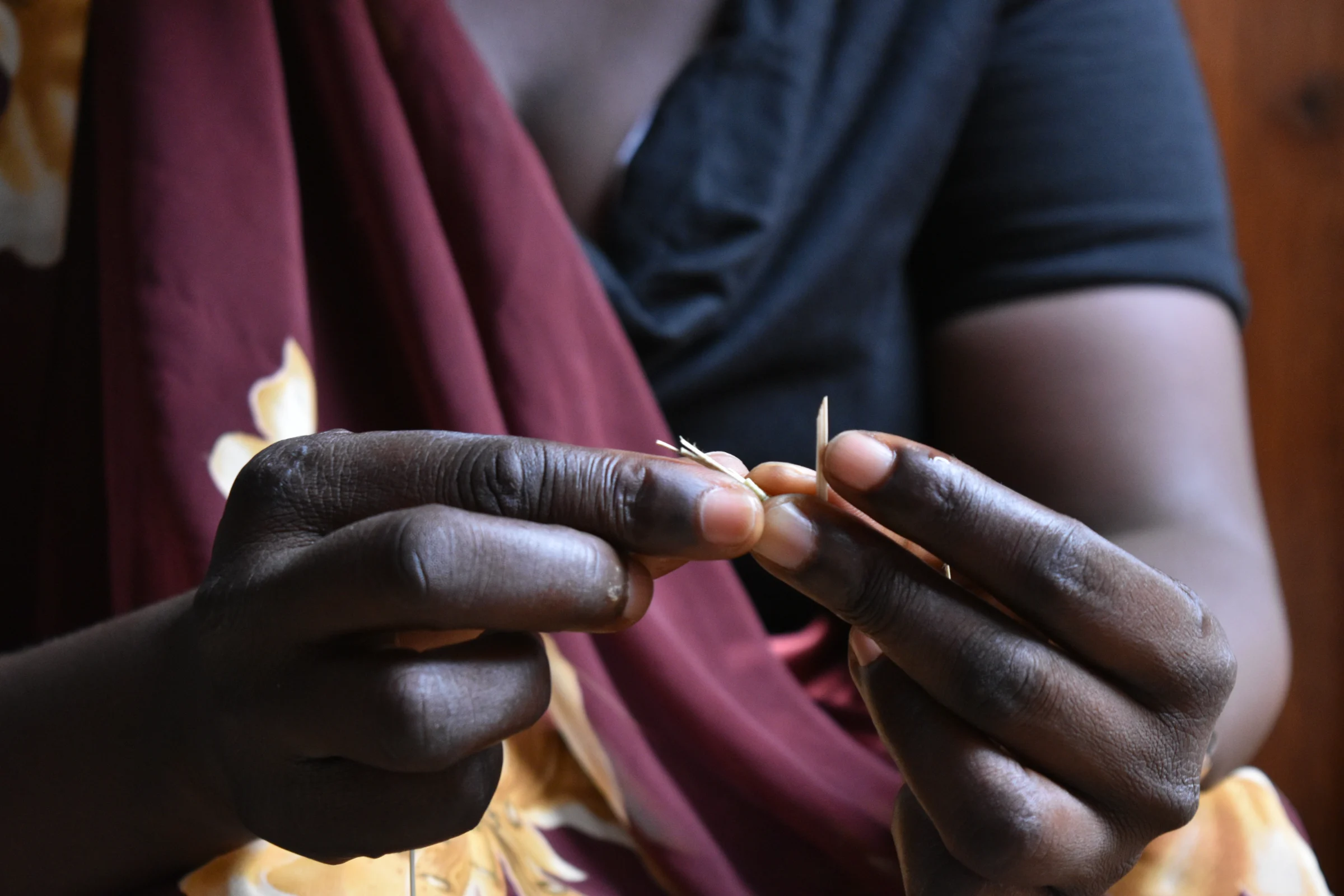
A farmer at work among the trees of a coffee plantation in Muhanga, RwandaA tea picker with a woven basket among the tea, RwandaKimironko Market in Kigali, RwandaA weaver threading sisal, Rwanda

Rwanda

Give the Country More Than Kigali → Gorillas → Airport.

Of course, trek the gorillas.

But Rwanda gives you reasons to slow down.

Coffee.

Agriculture.

Craft.

Food.

Conservation.

Communities around the landscapes you’re already travelling through.

If you’re interested in coffee, go beyond drinking it and learn where some of it begins.

If you’re travelling through the countryside, occasionally stop treating the road as merely the distance between attractions.

Explore Rwanda

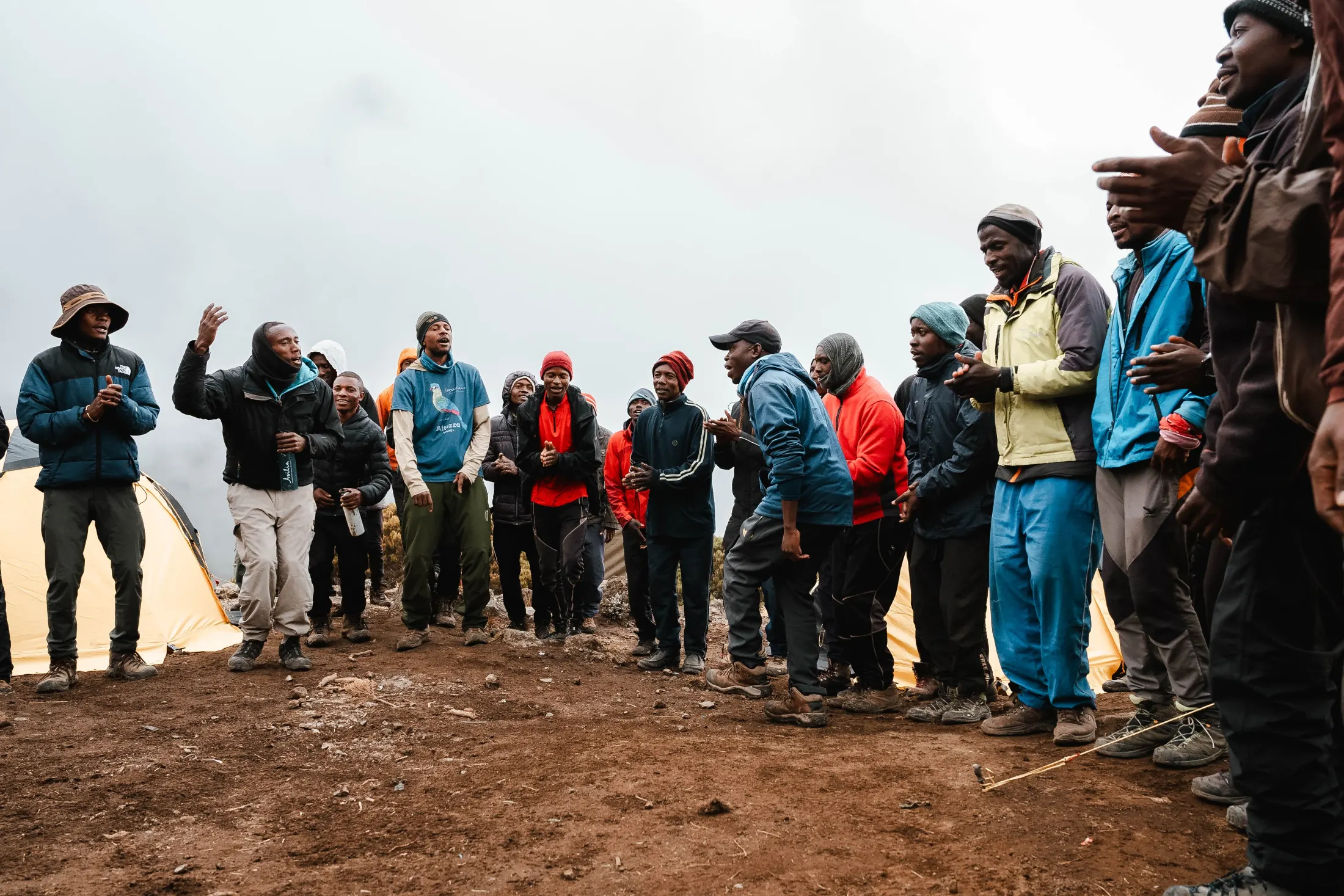
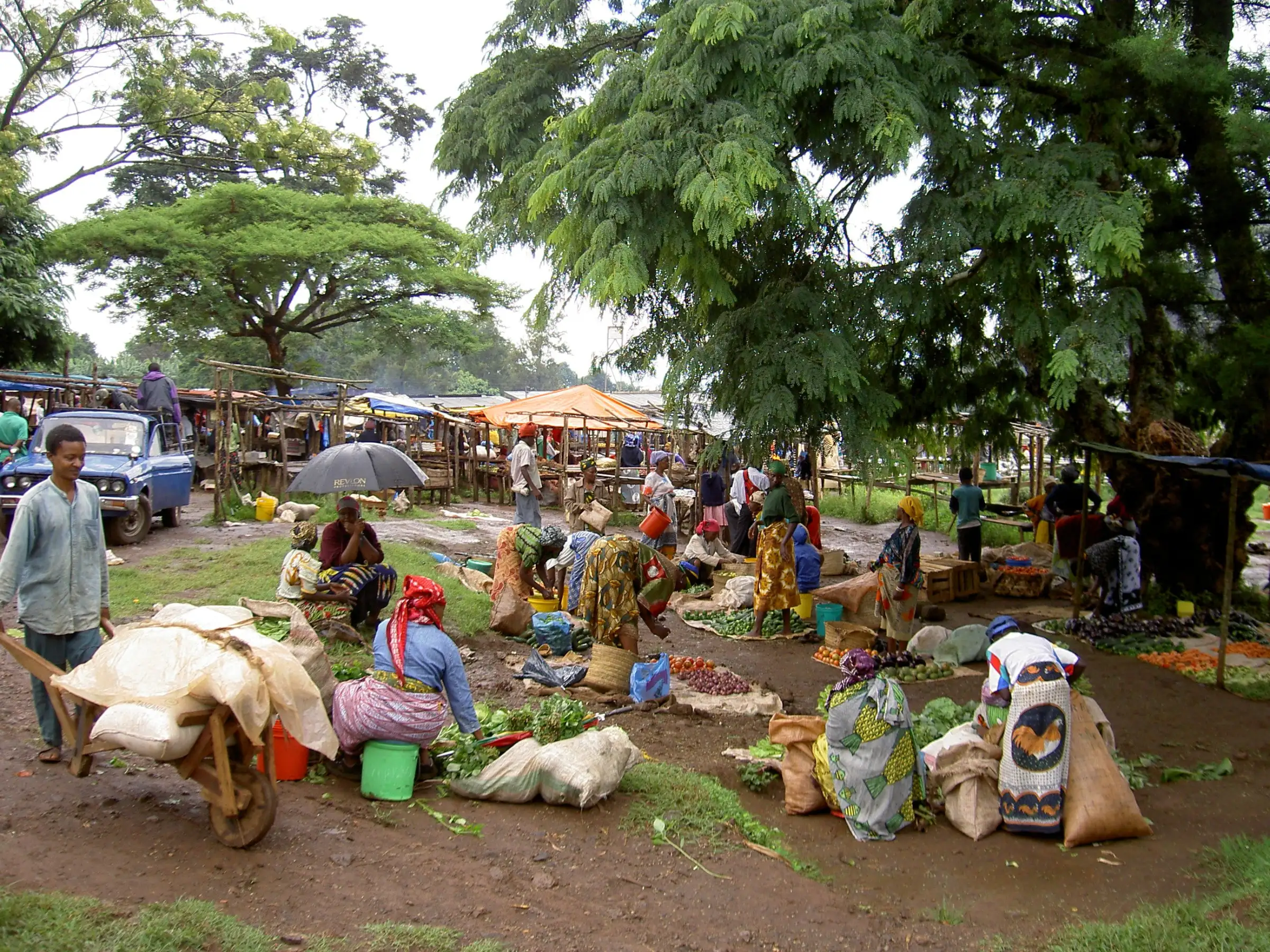
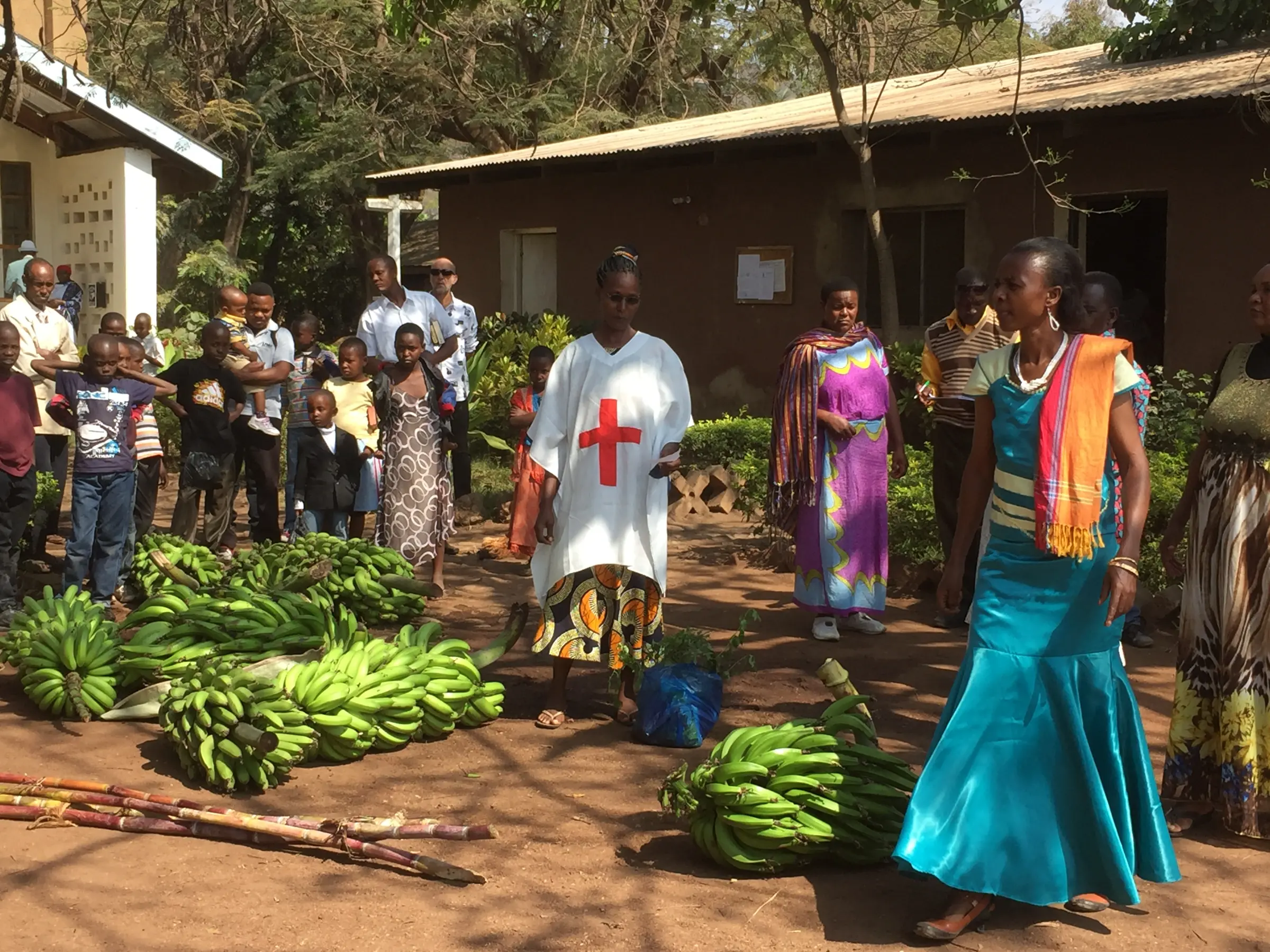
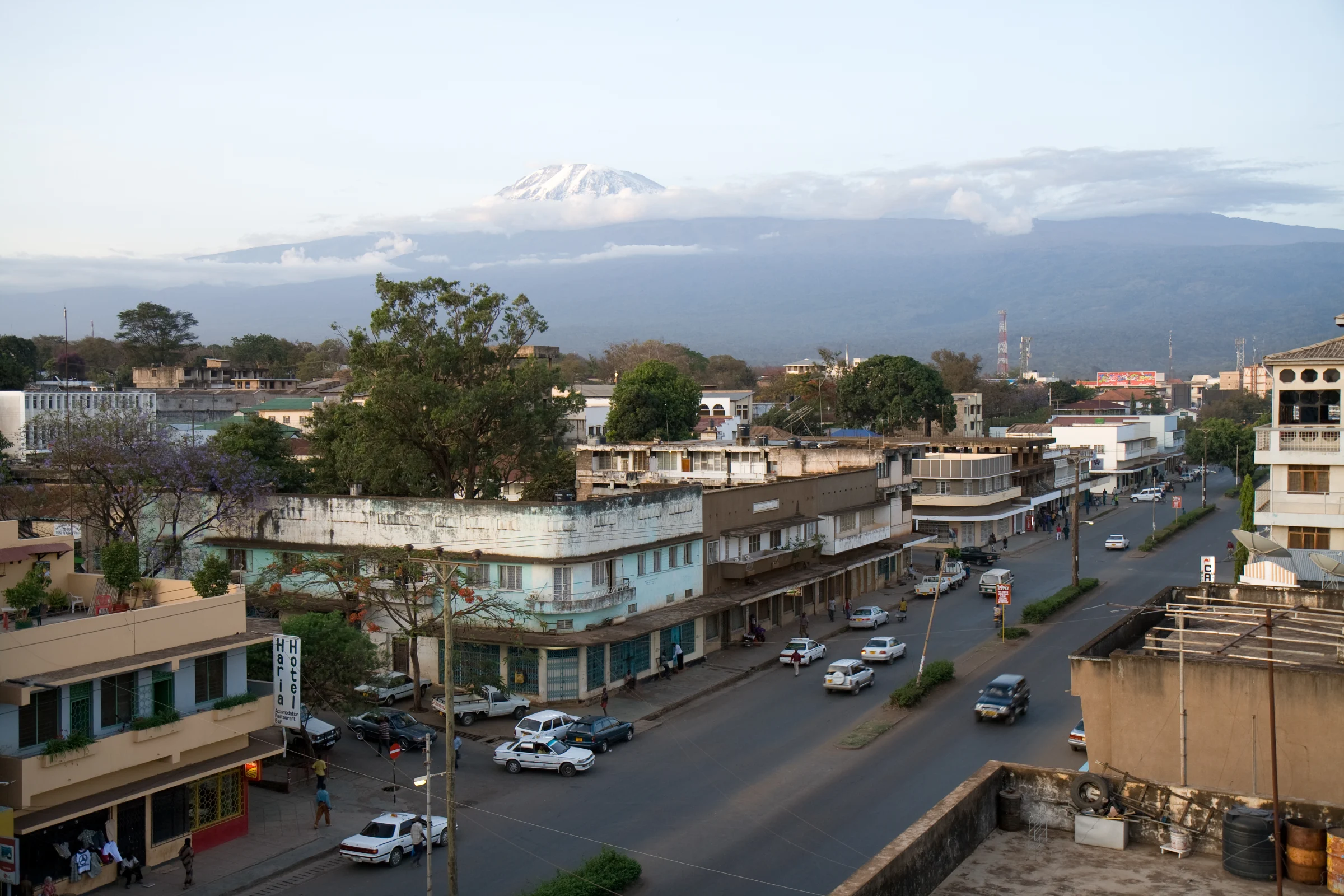
Kilimanjaro guides and porters singing together at camp on the mountain, TanzaniaThe market at Marangu on the slopes of Kilimanjaro, TanzaniaBananas and sugarcane sold after Sunday service in Mto wa Mbu, TanzaniaKilimanjaro’s summit above the clouds over Moshi at dusk, Tanzania

Tanzania

There Are People Between Arusha and the Serengeti.

A northern Tanzania safari can quickly become a rhythm of lodge, game drive, lodge, game drive.

It doesn’t have to.

Depending on your route and interests, spend time with farmers, coffee growers, pastoral communities or makers.

Explore a market.

Learn more about the communities around Kilimanjaro.

Then continue on safari.

On Kilimanjaro’s Slopes

The Chagga have farmed the fertile lower slopes of Kilimanjaro for generations, in home gardens of banana and coffee. Around Marangu and Moshi, follow coffee from cherry to roasting pan to cup on a family farm, walk the tunnels the Chagga once dug for refuge, and finish at a waterfall.

Explore Tanzania

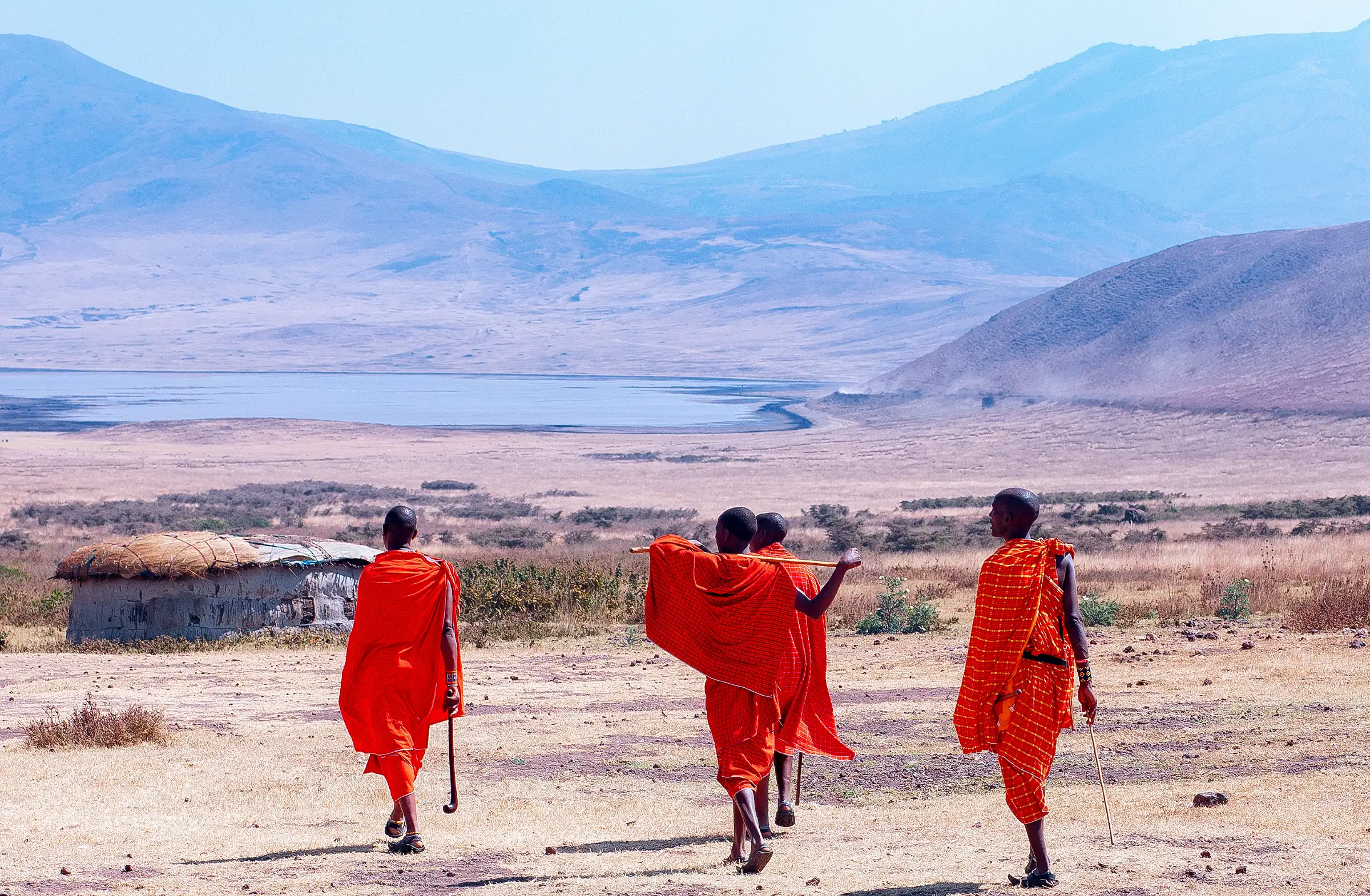
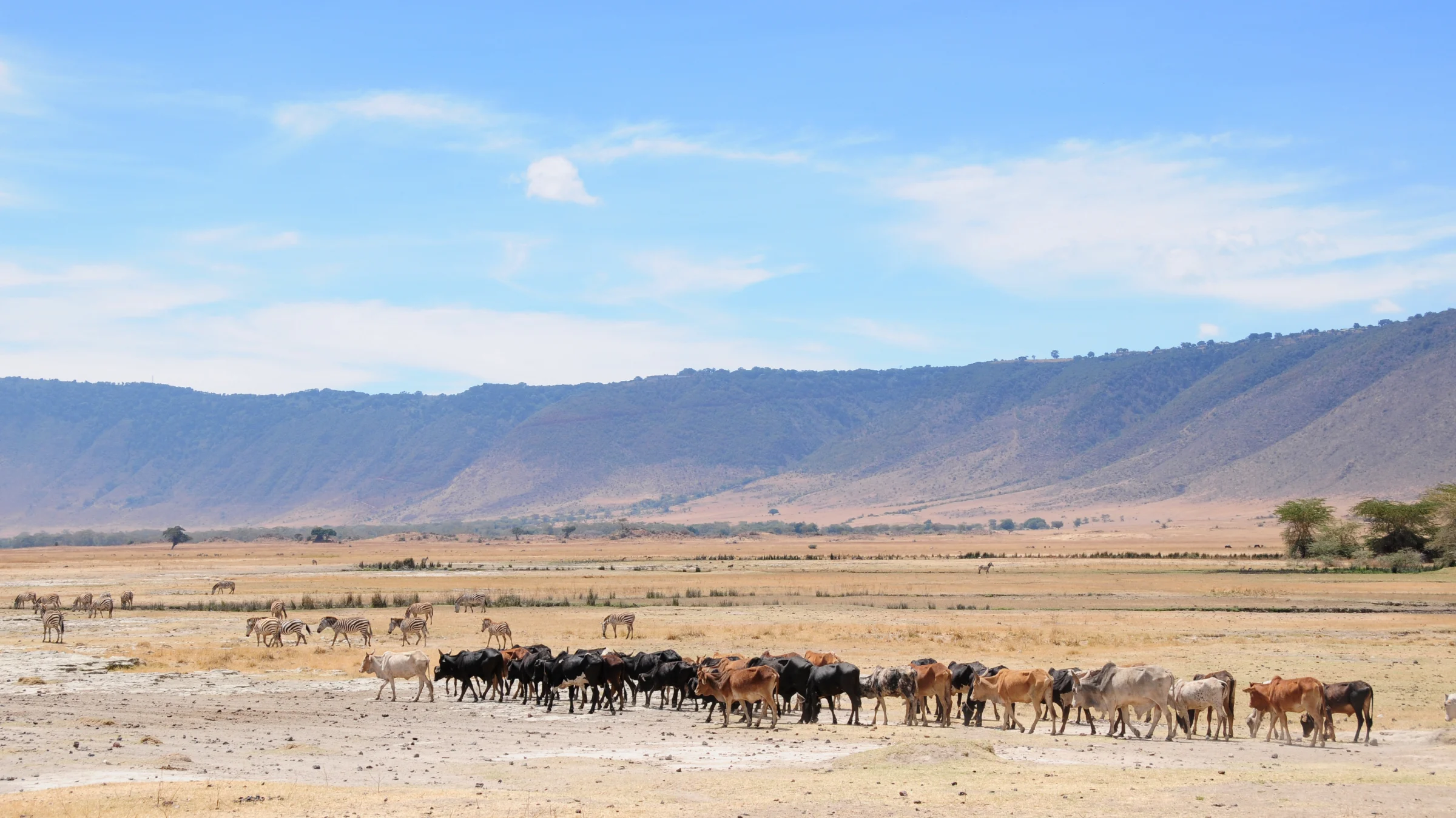
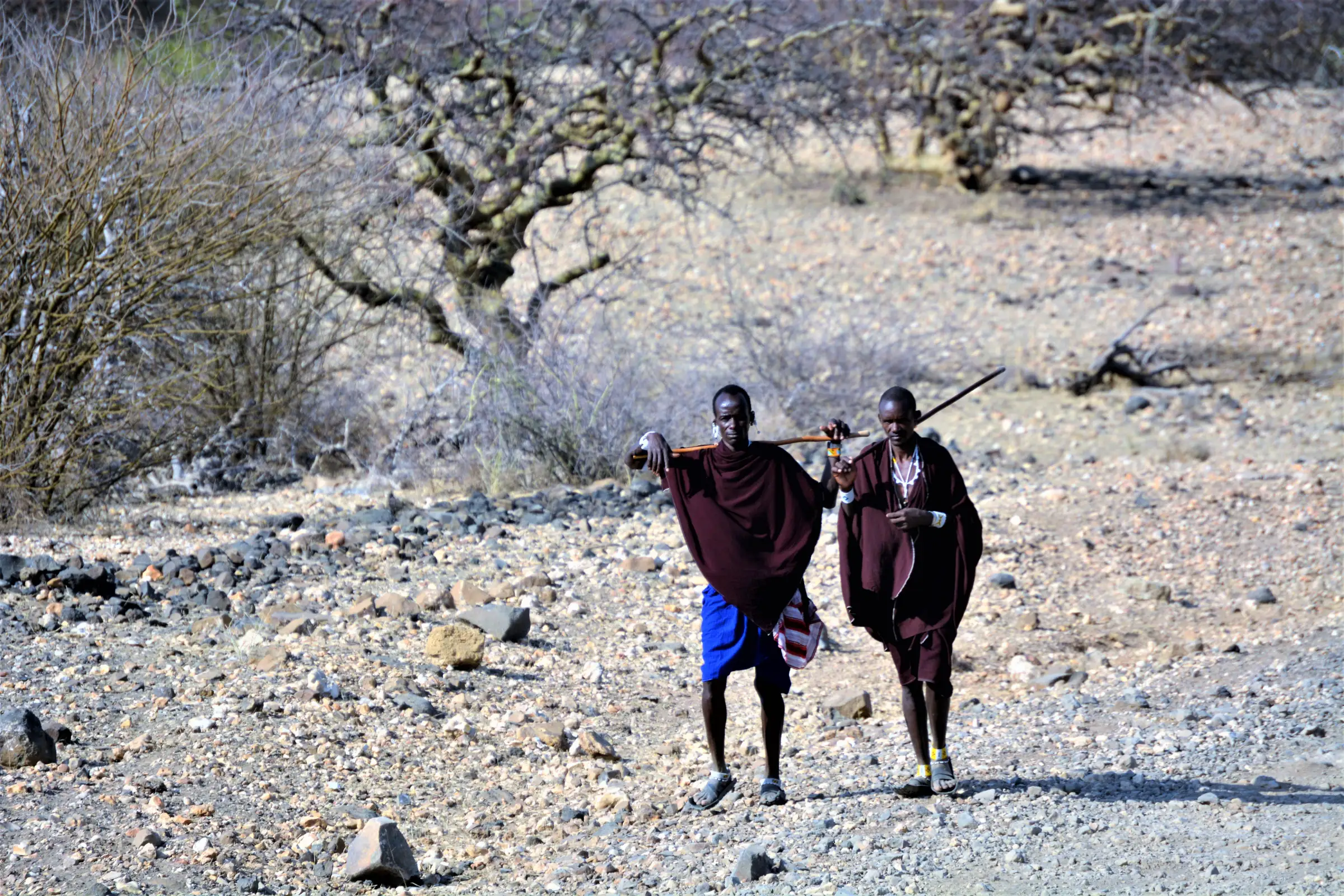
Three Maasai men walking towards the rim of Ngorongoro Crater, TanzaniaMaasai cattle grazing among zebra beneath the wall of Ngorongoro Crater, TanzaniaTwo Maasai men walking through the acacia country of the Ngorongoro highlands, Tanzania

Ngorongoro · Tanzania

The Maasai of the Crater Highlands.

The Ngorongoro Conservation Area is one of the few places in East Africa where Maasai herders and wildlife share protected land. Cattle graze beneath the crater rim, sometimes among zebra.

The Maasai of Kenya and Tanzania share one language, Maa, and a way of life that crosses the border.

Skip the roadside village stop.

Walk the highlands with a Maasai guide.

Talk about cattle, land and family, at the pace of the person hosting you.

Ngorongoro Crater

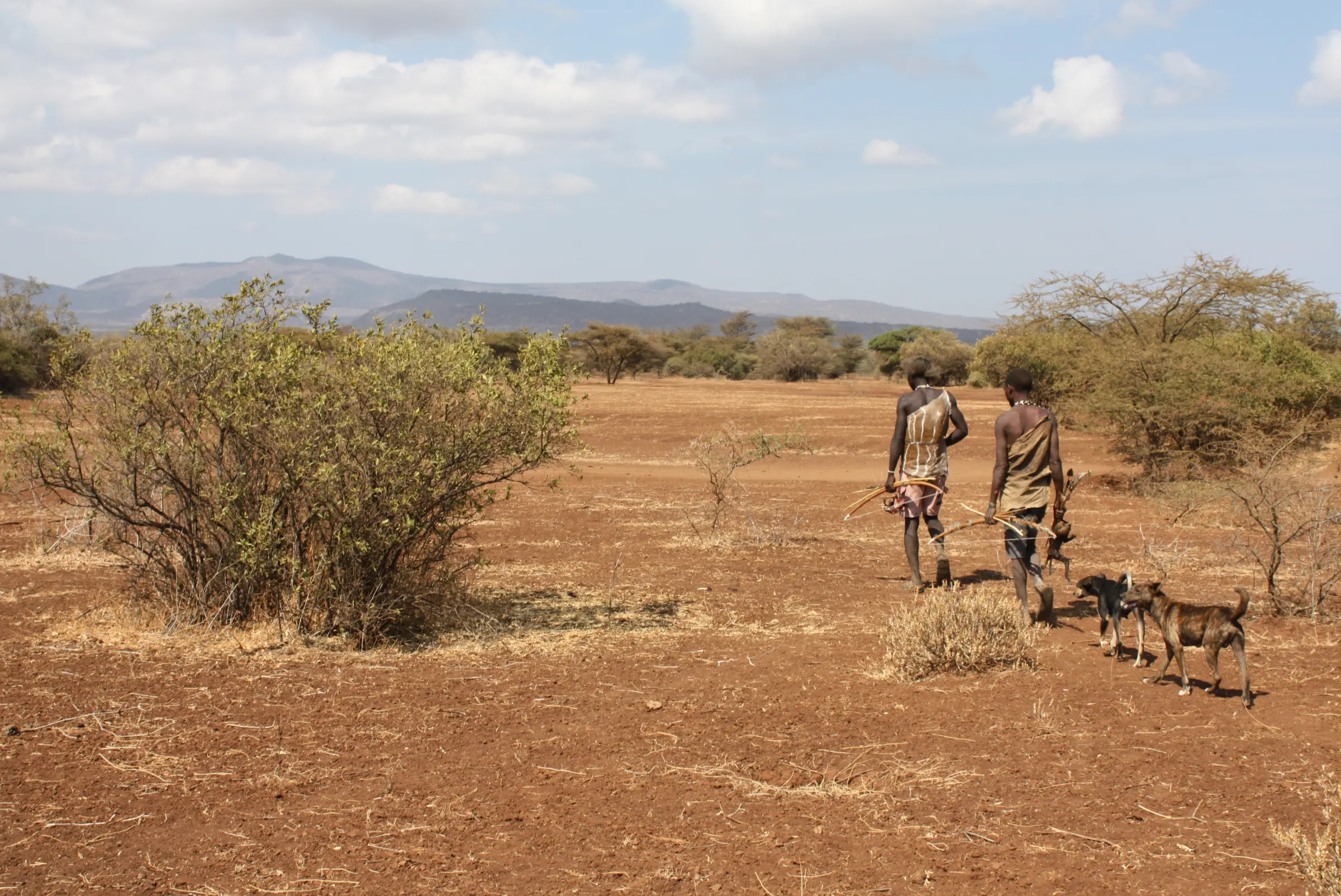
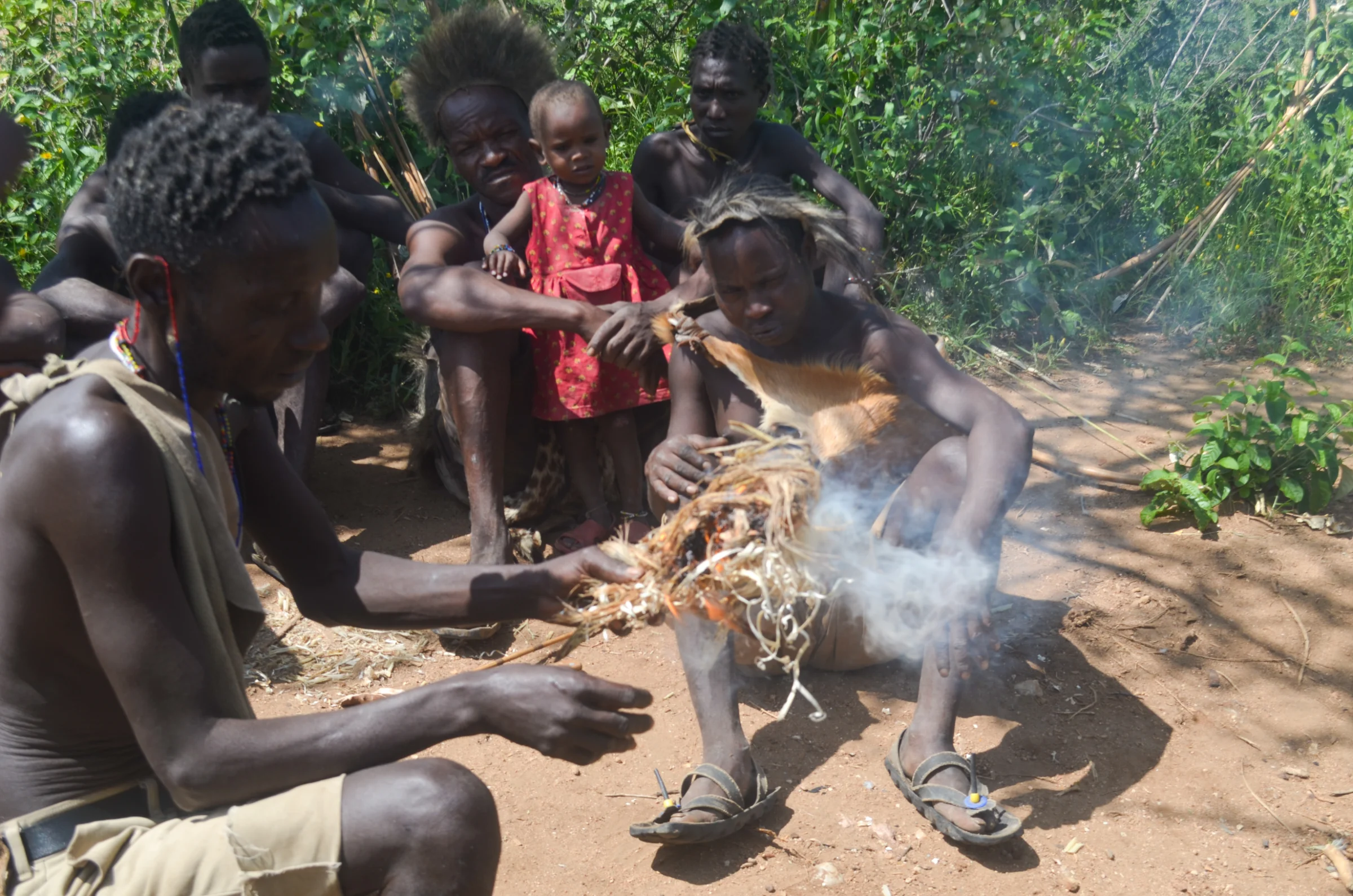
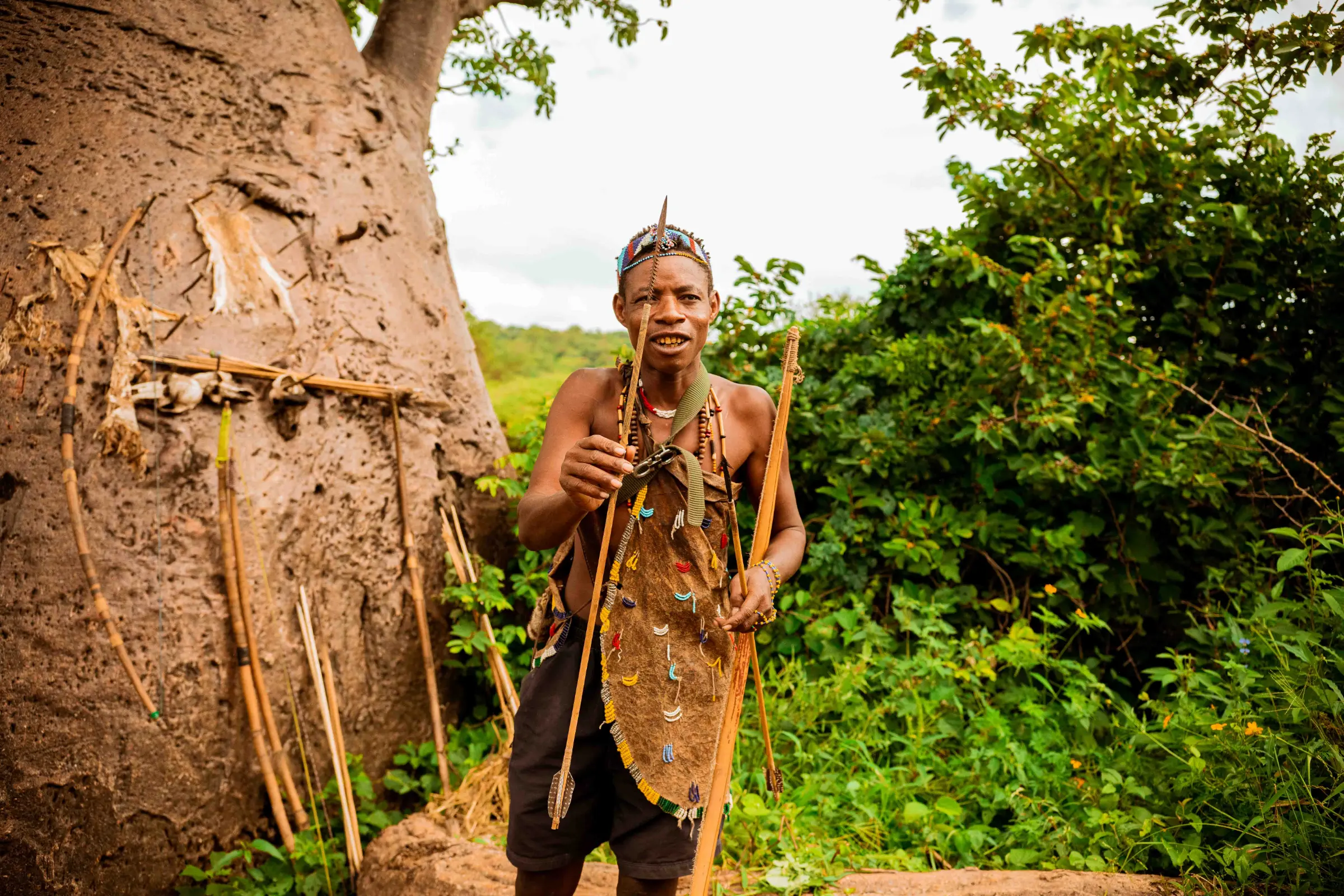
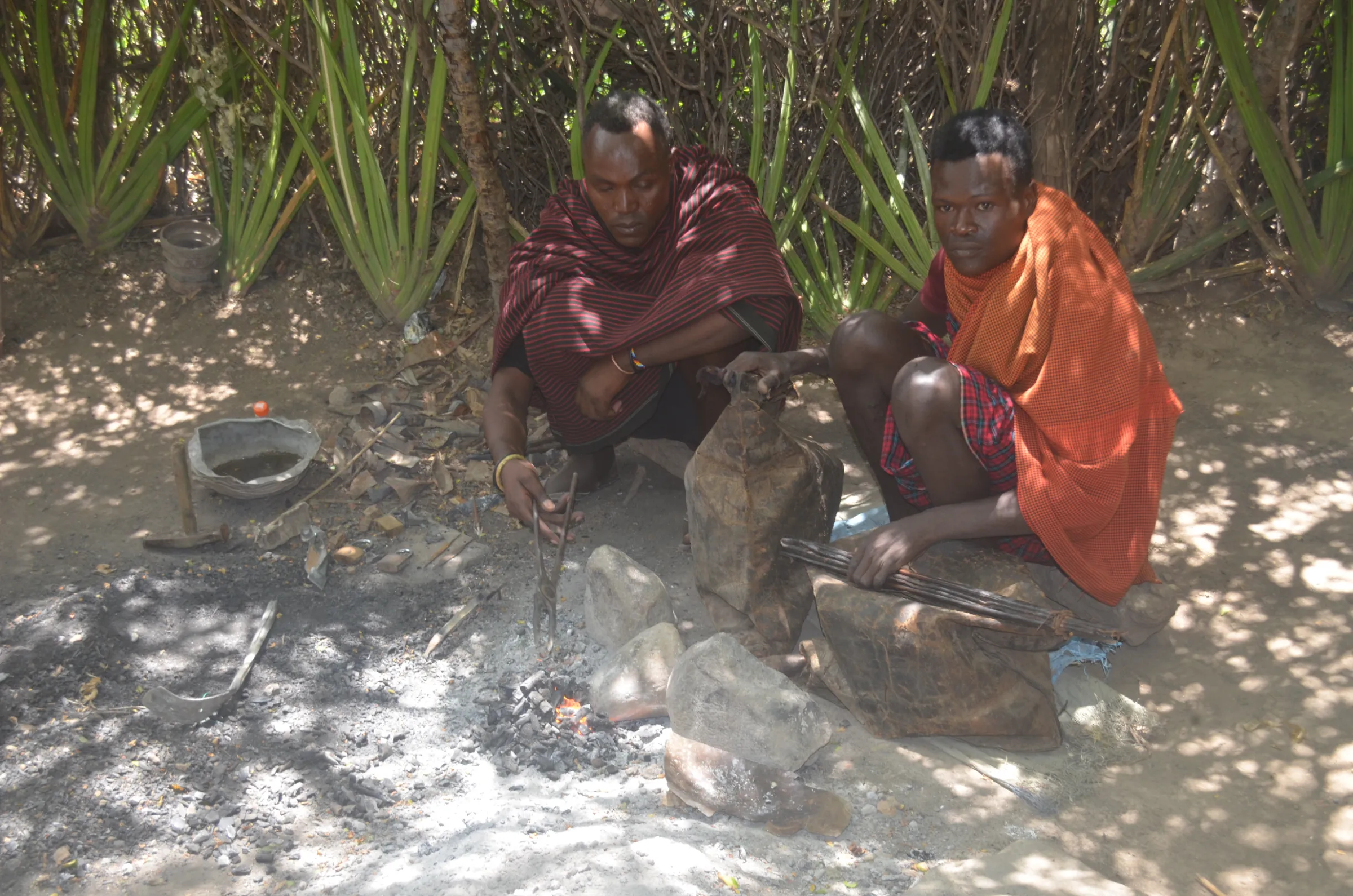
Hadzabe hunters returning through the acacia country of the Lake Eyasi basin, TanzaniaHadzabe men making fire by hand, TanzaniaA Hadzabe hunter with his bow beside a baobab, TanzaniaDatoga blacksmiths working goatskin bellows at their forge, Tanzania

Lake Eyasi · Tanzania

The Hadzabe and the Datoga.

South of Ngorongoro, around Lake Eyasi, live the Hadzabe, among the last hunter-gatherers in Africa, whose click language is related to no other. Their neighbours, the Datoga, are pastoralists and skilled blacksmiths.

Set out before sunrise.

Walk with Hadzabe hunters as they track, forage and make fire by hand.

Visit a Datoga forge, where arrowheads are hammered from scrap metal.

Go in a small group, with a guide the community knows, and keep it unhurried.

Plan My Journey

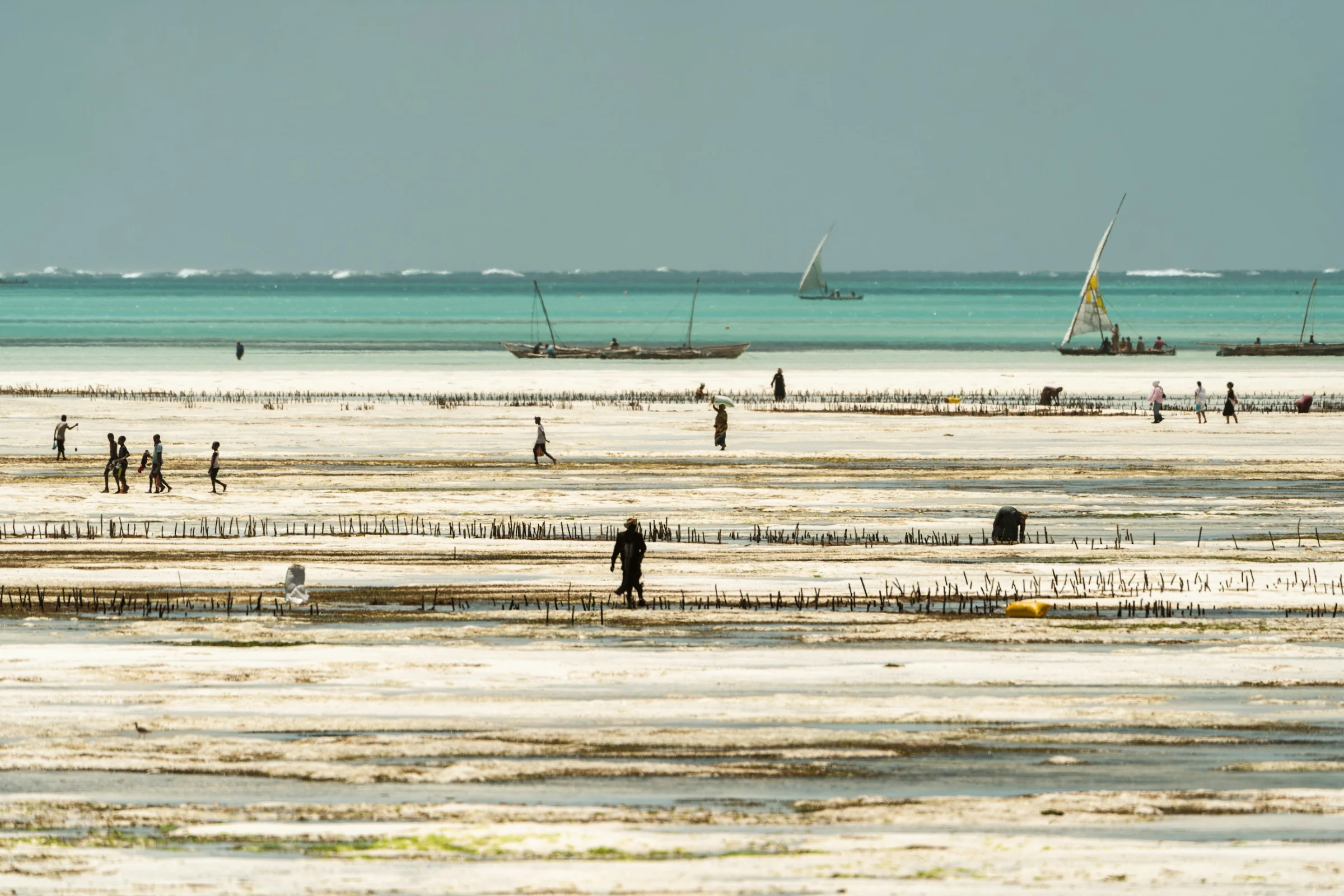
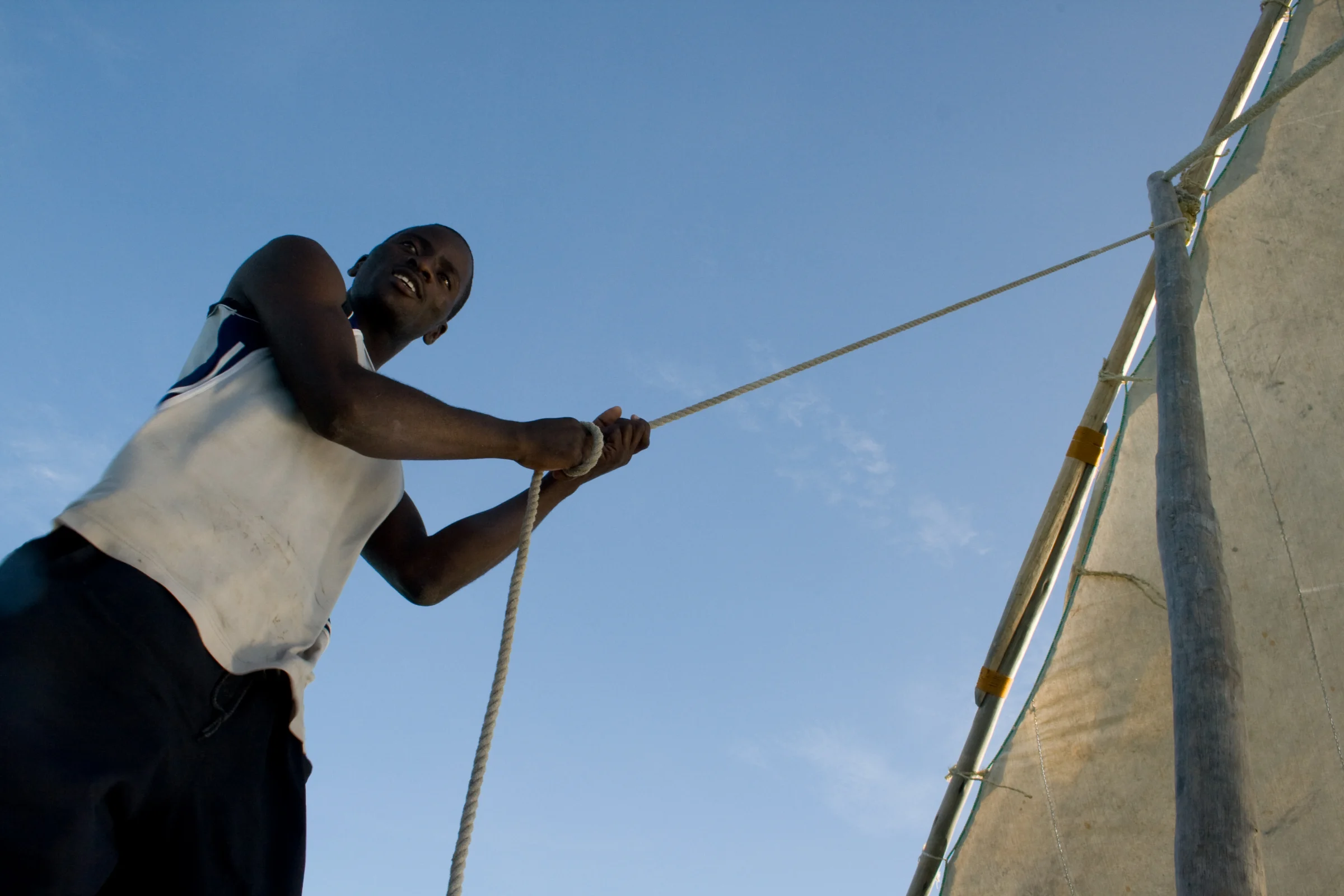
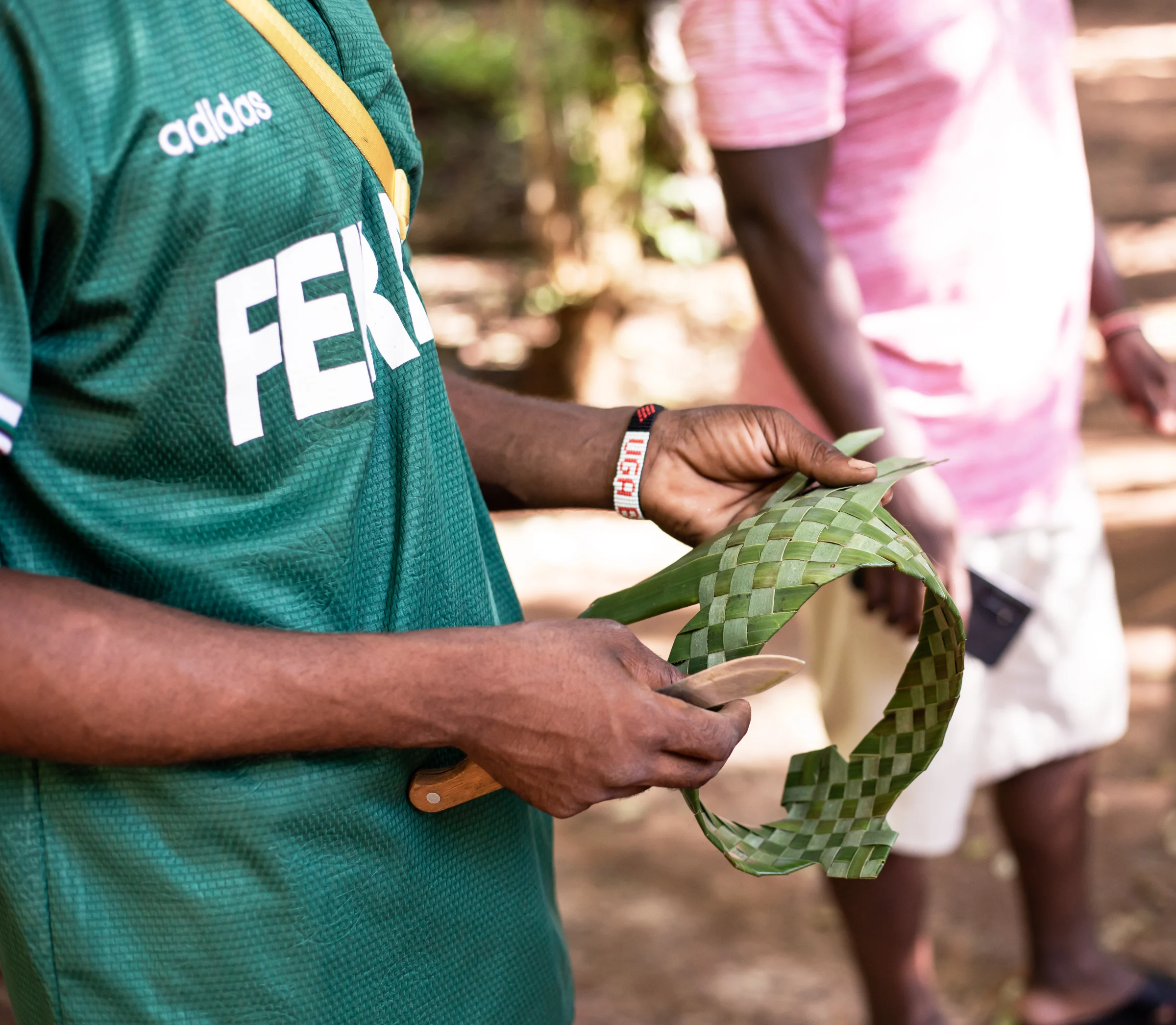
Seaweed farmers at work on the low-tide flats at Jambiani, Zanzibar, with dhows on the turquoise channel beyondA sailor hauling the lateen sail of a dhow, ZanzibarA guide weaving a palm-leaf crown on a spice farm, Zanzibar

Zanzibar

There Is an Island Beyond the Resort.

Keep the beach.

Keep the villa.

Keep the afternoon when absolutely nothing is scheduled.

But if you’re curious, Zanzibar also offers fishing and farming communities, spices, food, craft, markets, Swahili culture and coastal livelihoods shaped by centuries of Indian Ocean history.

Spend some time understanding the island.

Then go back to the beach.

Luxury and connection are not opposites.

Explore Zanzibar

Pair It With What You Came For

Don’t Add Experiences Just to Fill an Itinerary.

The best combinations make geographical and personal sense.

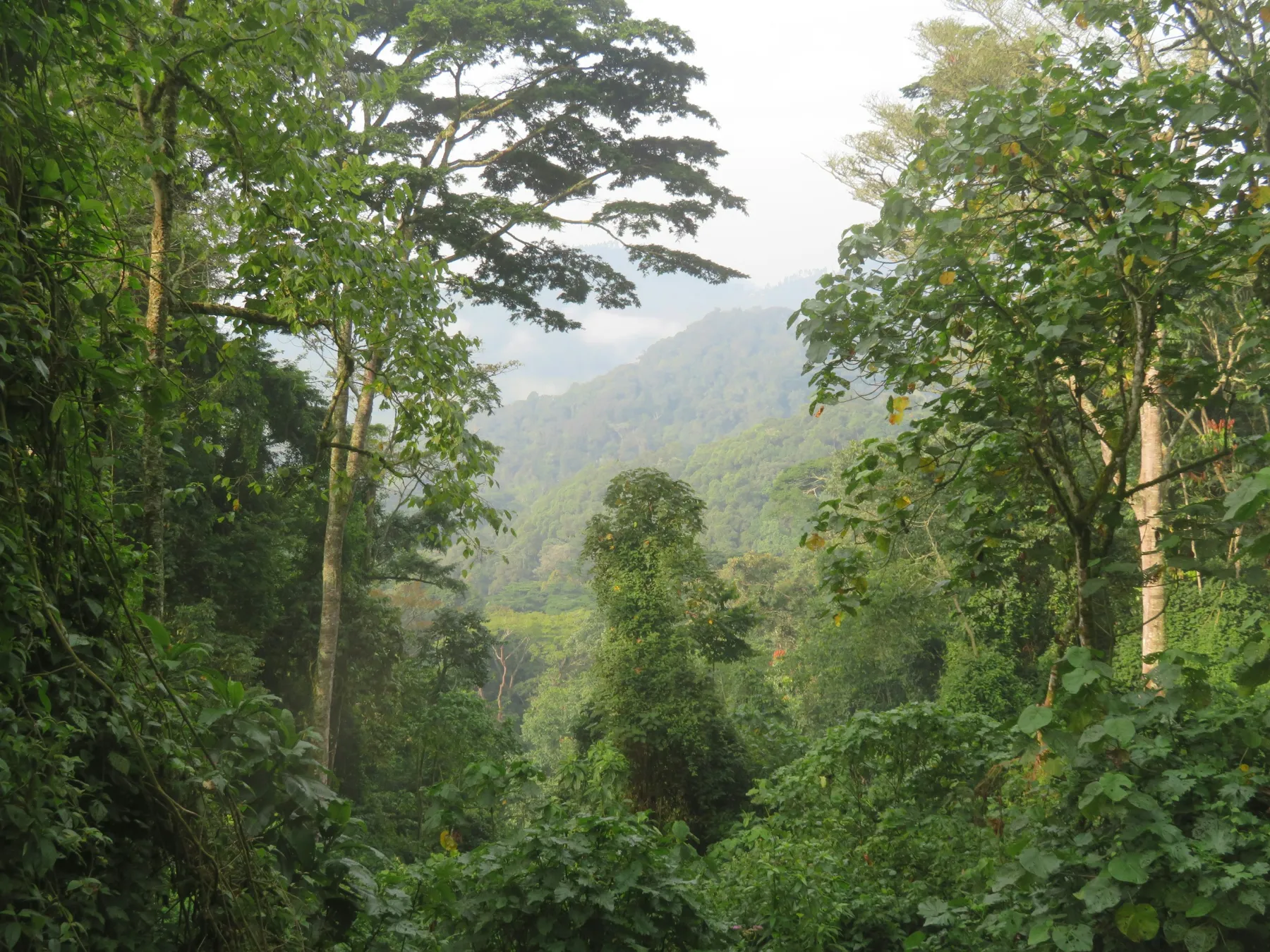
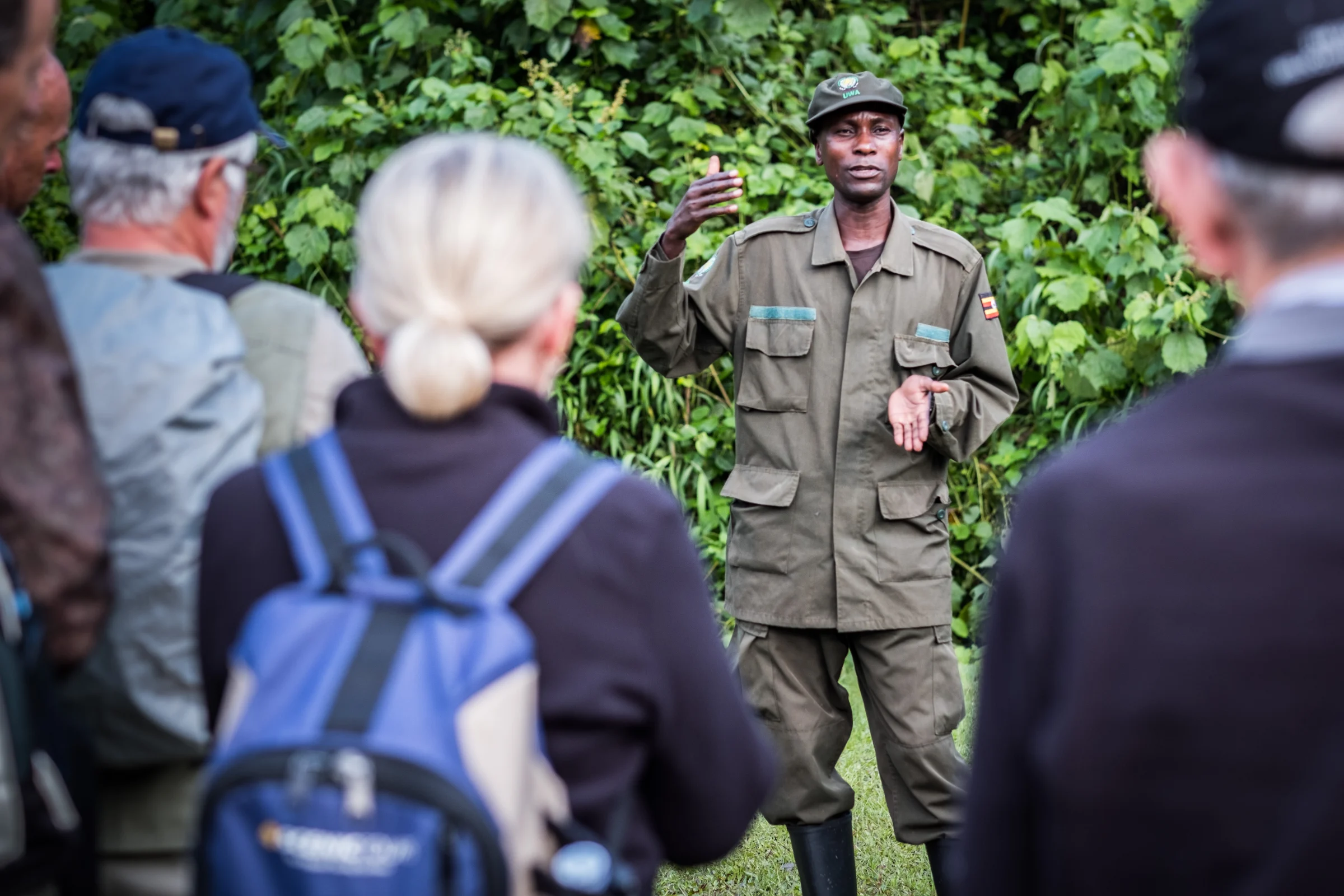
Looking through tall trees into the misty forested valleys of Bwindi Impenetrable National Park, UgandaA ranger briefing travellers before a gorilla trek at Buhoma, Bwindi Impenetrable National Park

Gorillas + Community

Trek mountain gorillas in Bwindi.

Then, if you’re interested, stay longer and learn something about the people living around the forest you travelled so far to enter.

Gorilla Trekking
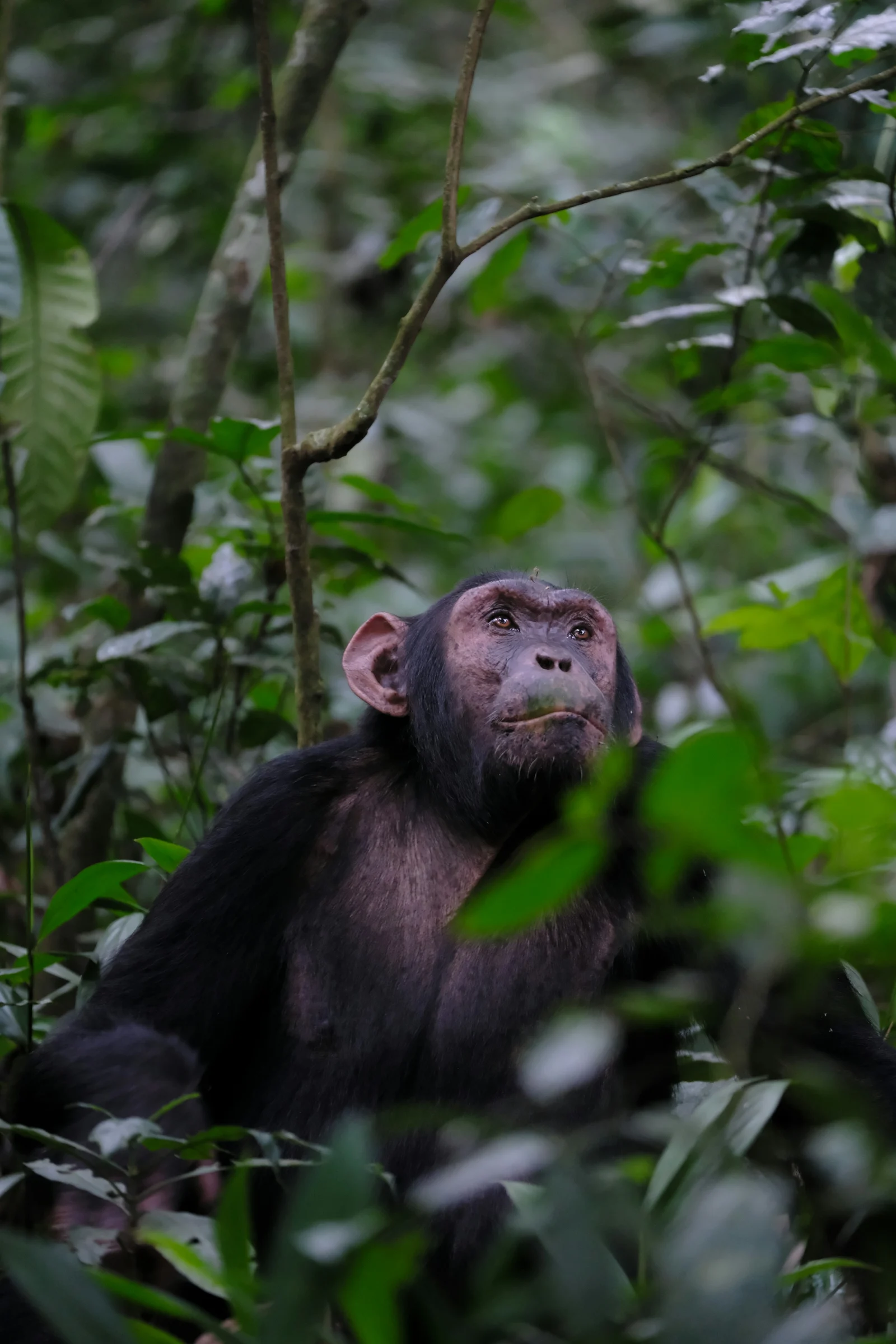
A chimpanzee looking up through layered green leaves in Kibale National Park, UgandaA Uganda red colobus climbing through the trees at Bigodi Wetland Sanctuary

Chimpanzees + Bigodi

This combination makes immediate sense.

Kibale for chimpanzees.

Bigodi for wetland, community and conservation.

Two very different experiences in the same part of Uganda.

Chimpanzee Trekking
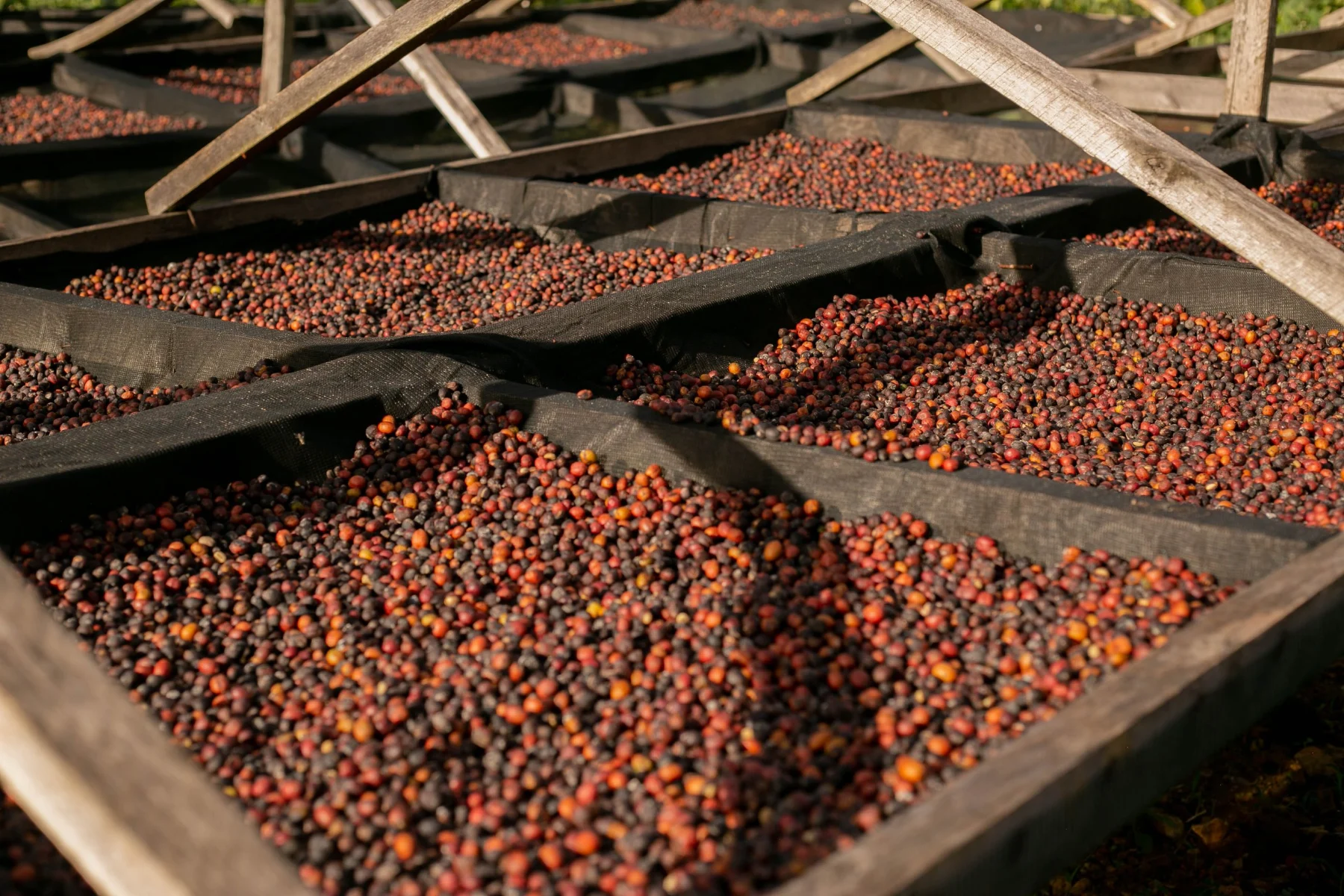
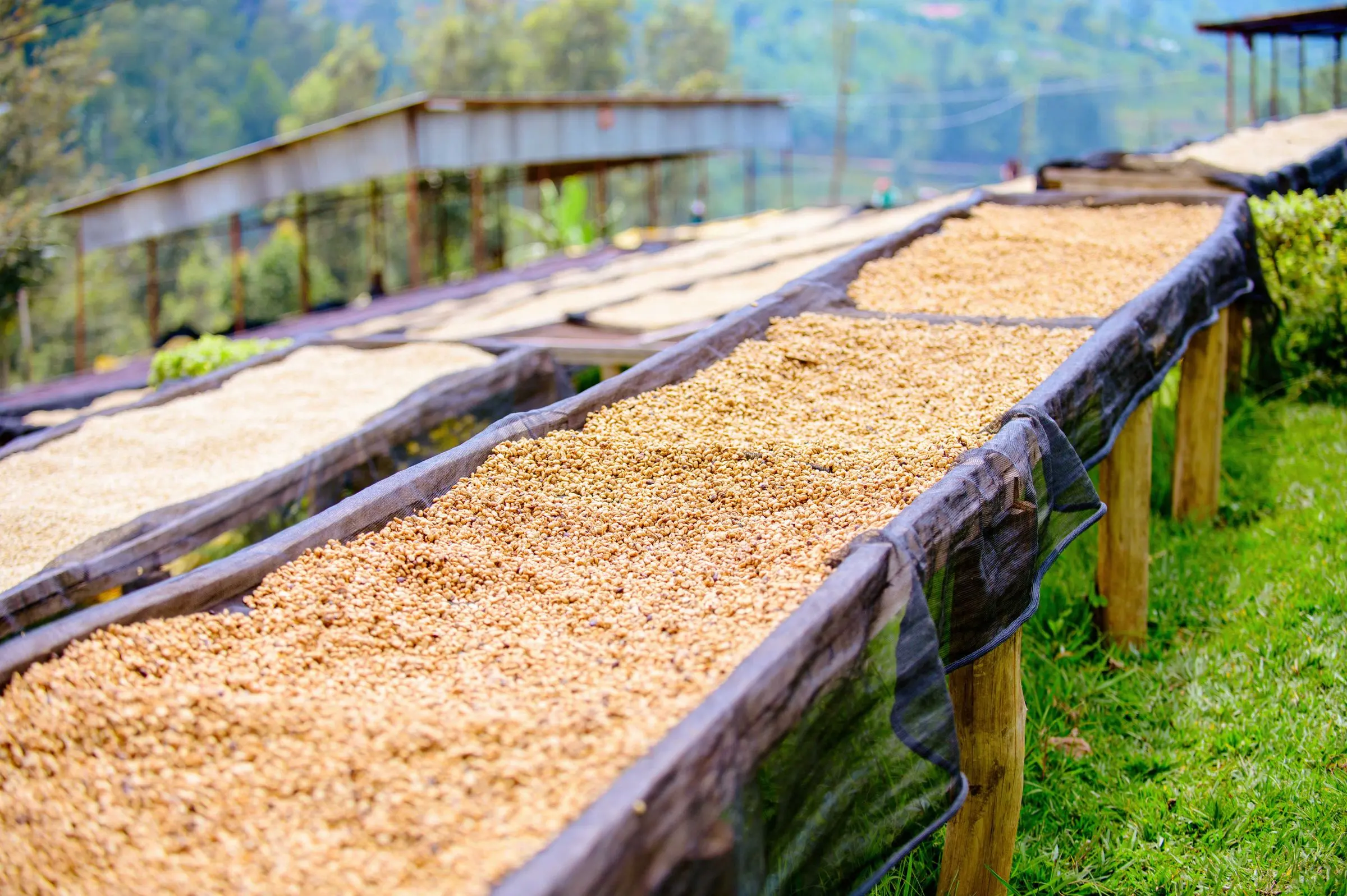
Ripe red coffee cherries drying on traditional raised racks in low sunParchment coffee drying on raised beds on a green hillside, East Africa

Coffee + the People Who Grow It

Coffee doesn’t begin at the lodge breakfast table.

Visit growing areas.

Meet producers where appropriately arranged.

Learn how coffee is grown and processed.

Then drink it.

If coffee is a major interest, our dedicated Coffee Experiences journey goes much deeper.

Plan My Journey
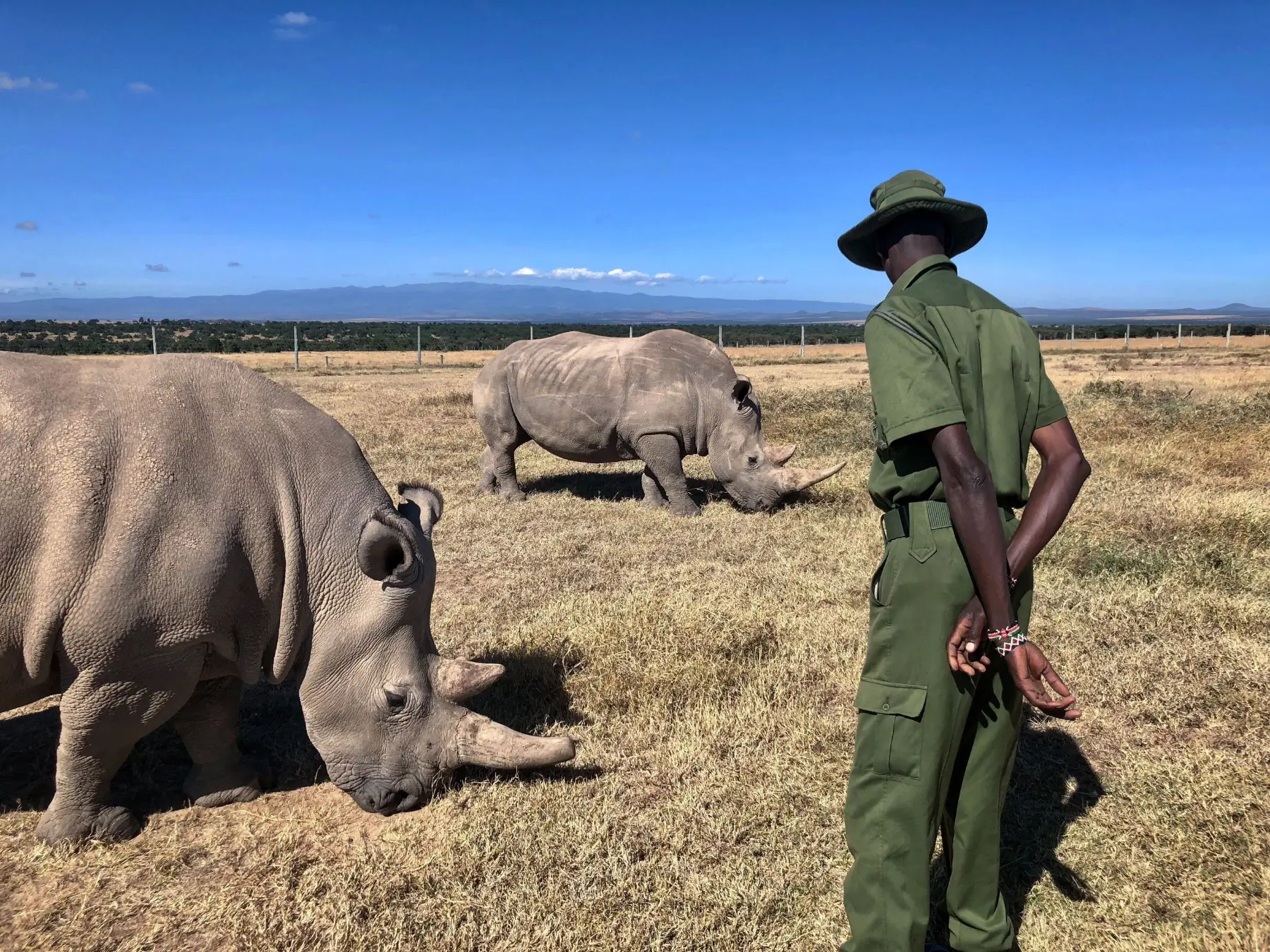
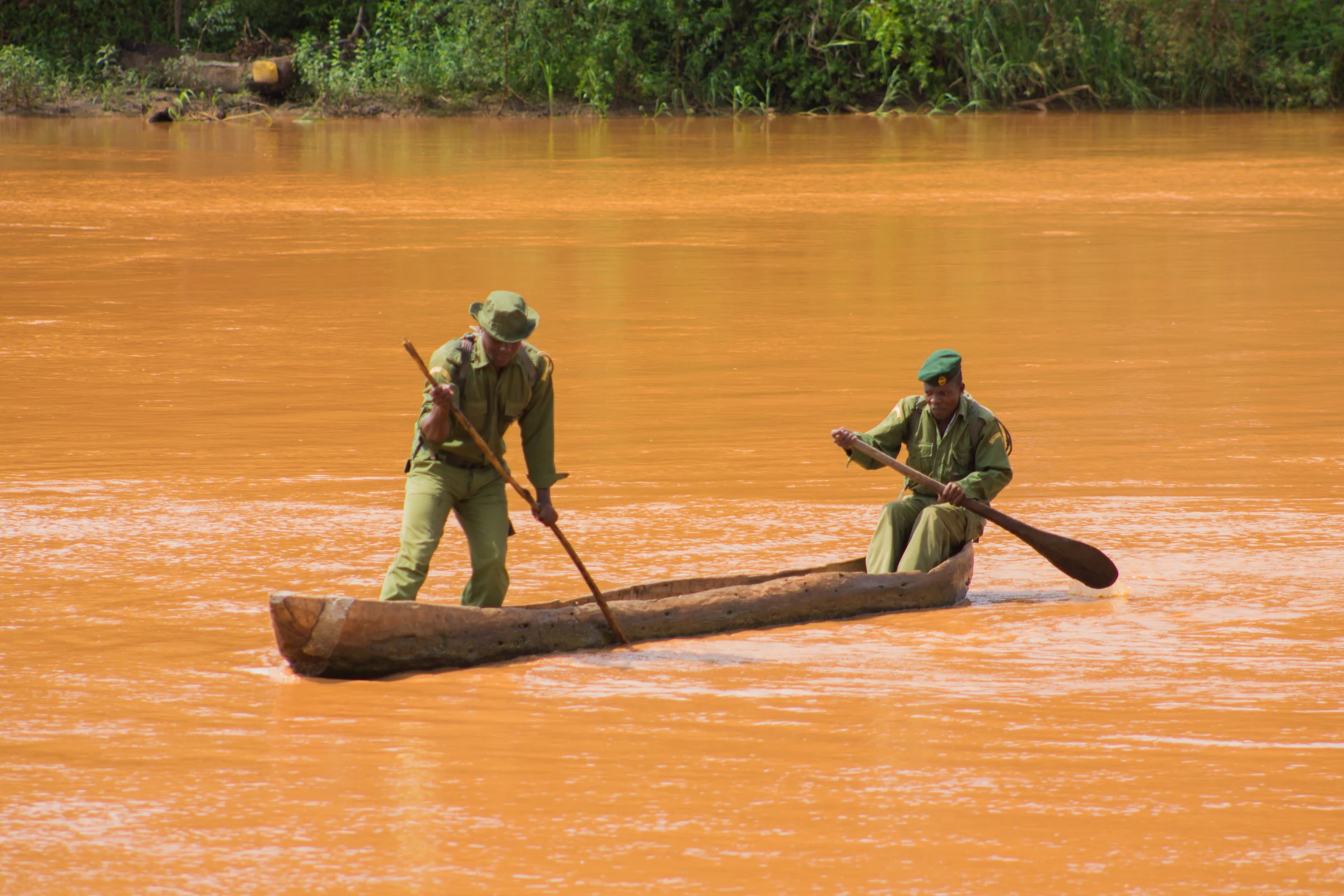
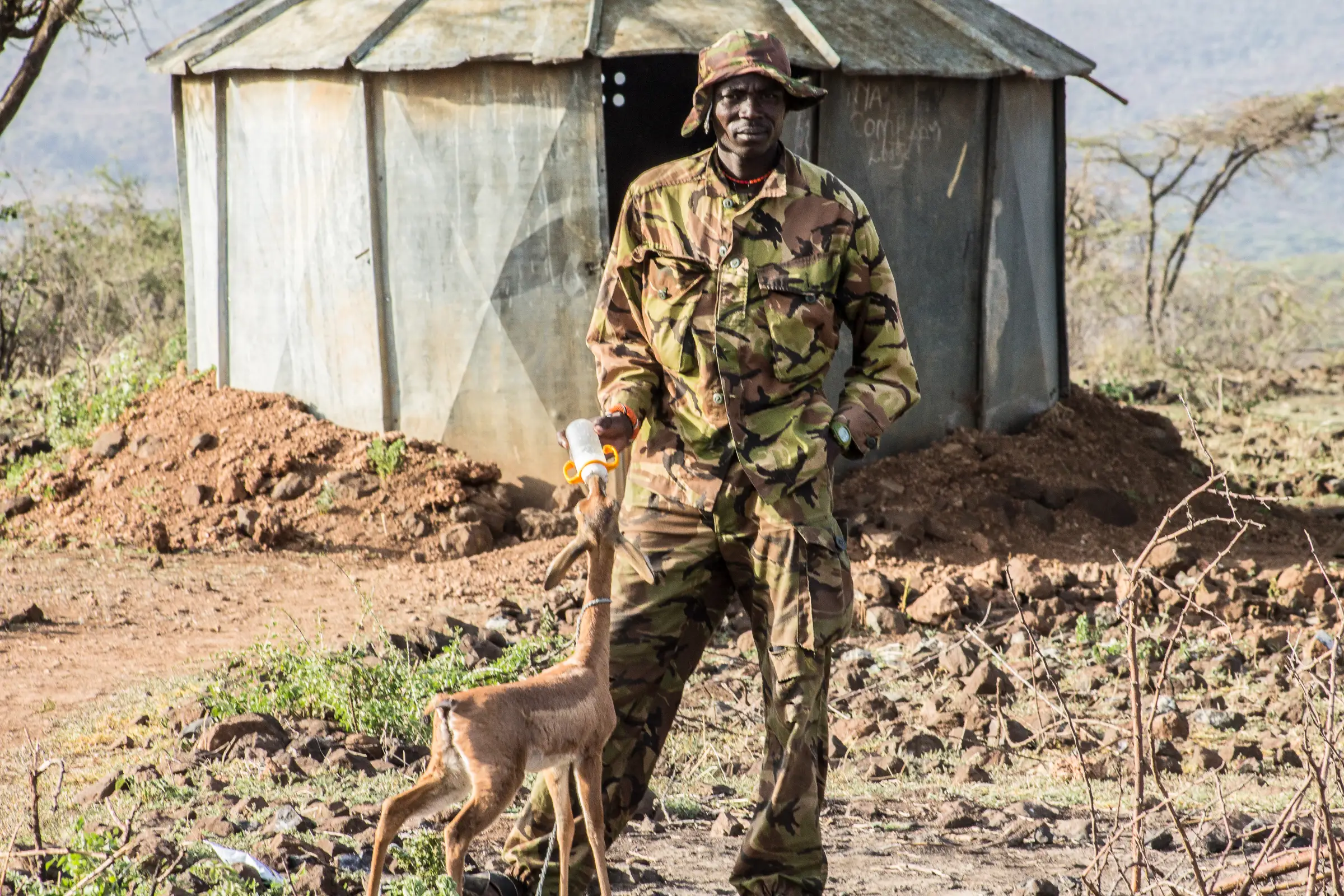
A ranger standing guard beside two northern white rhinos at Ol Pejeta Conservancy, Laikipia, KenyaCommunity conservancy rangers on patrol by dugout canoe on the Tana River, KenyaA ranger hand-rearing an orphaned gerenuk at Lekkuruki Community Conservancy, Laikipia, Kenya

Wildlife + Conservation

Protected areas raise important questions.

  • Who lives beside them?
  • Who benefits from tourism?
  • What happens when wildlife damages crops?
  • Why protect a forest rather than clear it?
  • How do communities participate in conservation?

The answers vary from place to place. That is exactly why they’re worth understanding.

Travelling With Children?

Let East Africa Become More Than Animals.

Community experiences can be particularly valuable for families when they’re chosen well.

  • Try unfamiliar food.
  • See where something grows.
  • Learn how something is made.
  • Meet a maker.
  • Walk through a farm.
  • Learn a few words.
  • Ask questions.

Children don’t need every experience turned into a lesson.

Give them opportunities to engage with the destination beyond wildlife.

Family Safaris

Private Groups & Educational Travel

Start With Why the Group Is Coming.

A family spending an afternoon in Bigodi does not need the same experience as a university group studying conservation.

A church group is different again.

So is a group interested in agriculture, entrepreneurship, tourism, sustainability or development.

We don’t take one standard community visit and rename it depending on who’s coming.

Tell us the purpose.

Then we’ll decide what actually belongs in the journey.

Private Group Safaris

This Is Not Poverty Tourism

Dignity Comes First.

  • We don’t take travellers somewhere simply to look at people who have less than they do.
  • We don’t ask children to perform because a safari vehicle arrived.
  • We don’t turn someone’s home into scenery.
  • We don’t encourage indiscriminate handing out of money or gifts.
  • We don’t treat people as wildlife sightings.
  • And we don’t pretend communities are frozen in time for visitors.

People can have traditions and smartphones.

Cattle and businesses.

Old stories and new ambitions.

Communities change.

Come as a guest.
That’s enough.

Ask Before You Photograph

Photography requires judgment.

Ask where appropriate.

Listen to your guide.

Respect a no.

Be particularly thoughtful around children, homes, schools, religious places and private moments.

You don’t need photographic evidence of everything meaningful that happens on your journey.

Where Does the Money Go?

A Question Worth Asking.

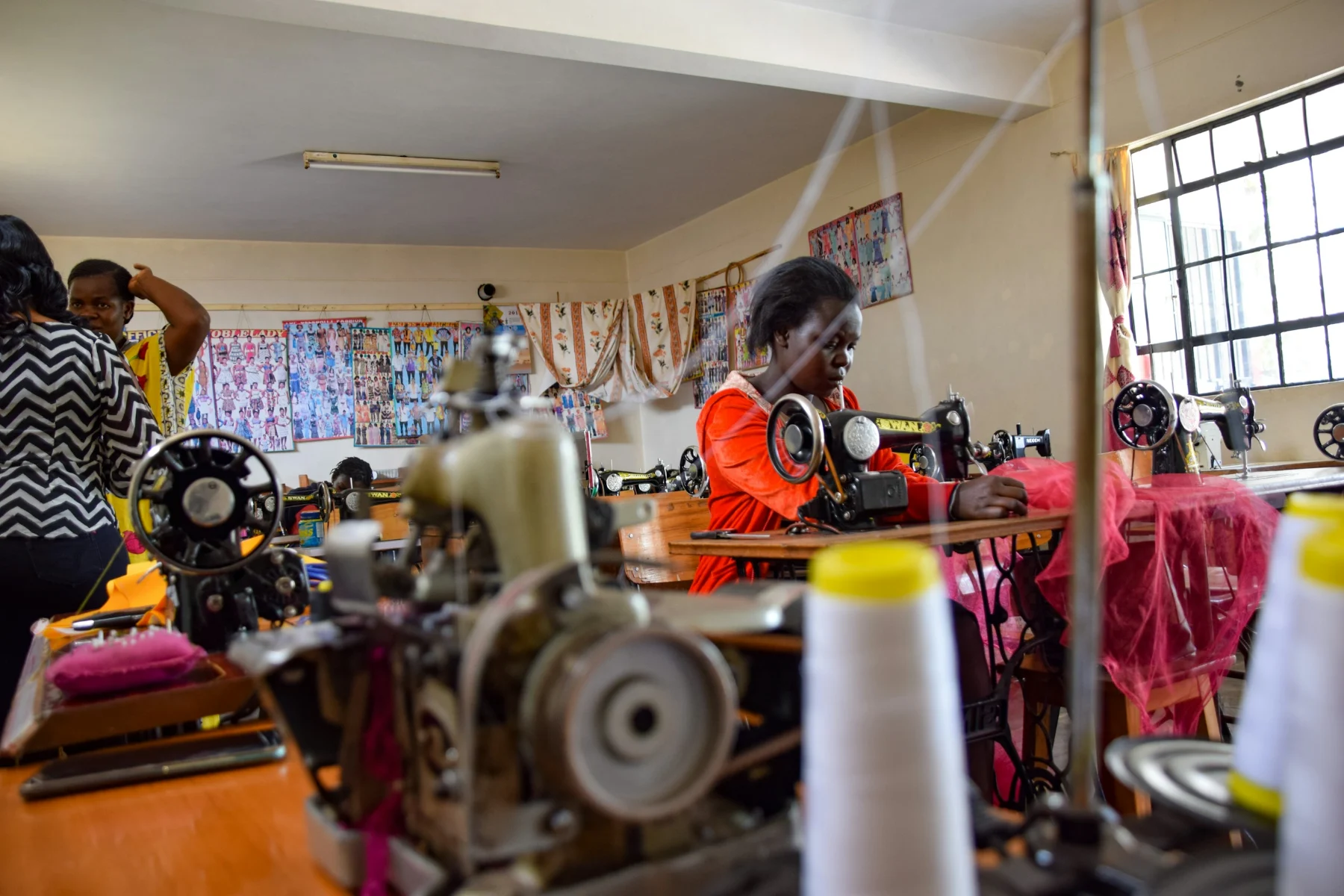
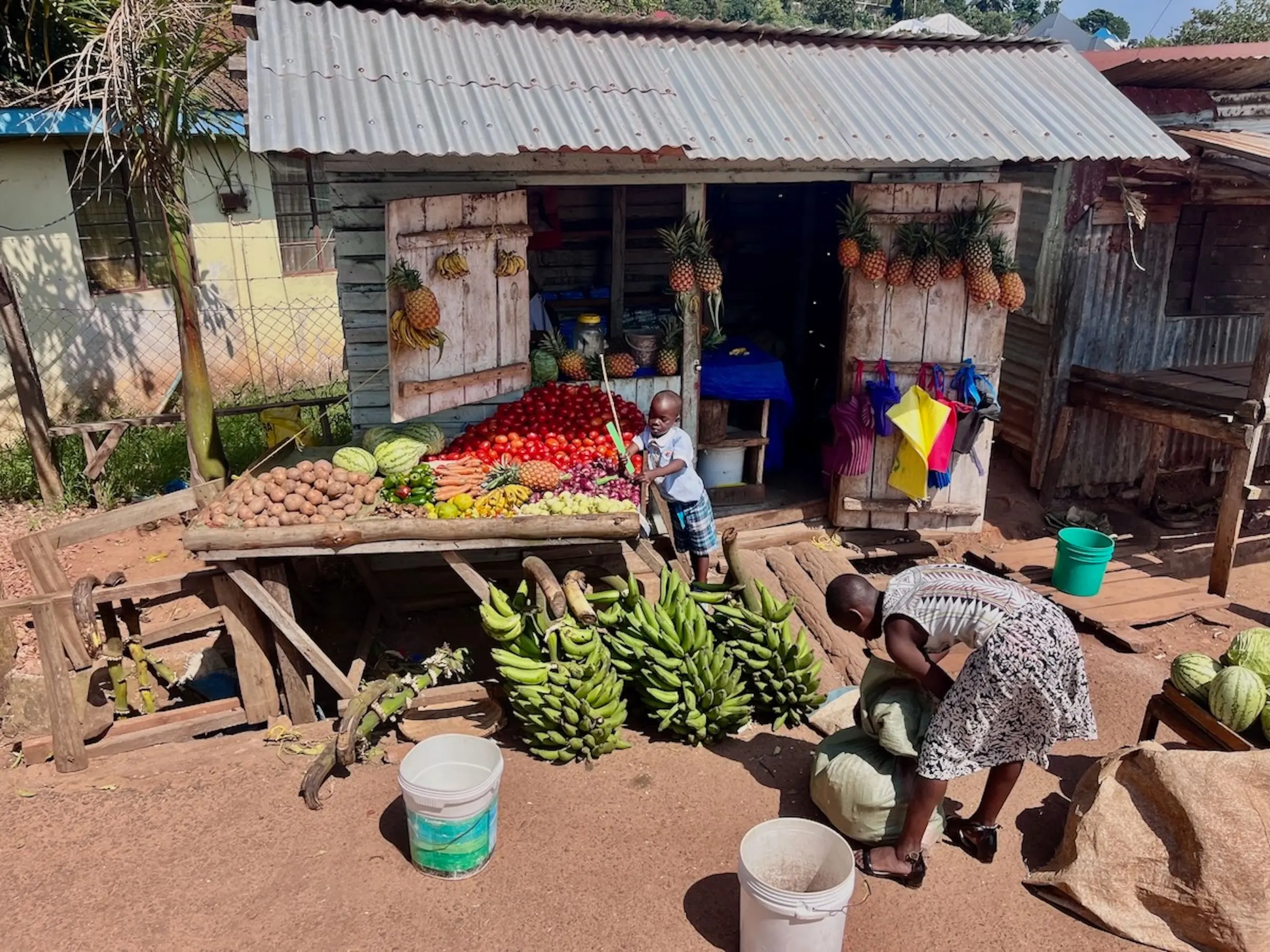
Women at work at rows of sewing machines in a bright tailoring workshop in Nairobi, KenyaA roadside stall of bananas, pineapples and tomatoes in Fort Portal, Uganda

If something is being sold as community tourism, we want to understand how local people participate in the value it creates.

That might be through local ownership, guiding, hosting, employment, food, craft sales, conservation fees, women’s enterprises, community organisations or locally chosen projects.

There isn’t one model across East Africa.

Bigodi is a useful example because tourism, local employment, conservation and community development are directly connected.

Responsible travel doesn’t require grand promises. It requires better choices.

One Good Experience Is Enough

This Is Still Your Holiday.

  • You don’t need a community visit every day.
  • You don’t need to weave a basket in every country.
  • You don’t need every meal explained.
  • And you don’t need a staged village stop between every game drive.

Choose something because you’re genuinely interested.

Then give it enough time to matter.

For one traveller, that may be Bigodi.

For another, coffee.

A meal in Nairobi.

Time with a women’s enterprise.

Or a pastoral community beside a wildlife conservancy.

One experience that belongs in the journey is better than five added simply to fill an itinerary.

Plan My Journey

Community Experiences FAQ

Questions Before You Add One to Your Journey.

What are community experiences in East Africa?

They can include food, farming, craft, conservation, pastoral life, local guiding, community enterprises, markets and other appropriately hosted experiences depending on the destination.

Can I add community experiences to my safari?

Yes. We prefer incorporating them naturally into your route rather than creating a standard “community day.”

Where can I experience community tourism in Uganda?

There are opportunities in several regions. Bigodi beside Kibale is one of the strongest examples and works particularly well for travellers already coming for chimpanzee trekking.

What can I do in Bigodi?

Depending on current arrangements and your interests, experiences may include the wetland, community walks, local food, makers and learning more about conservation and life around Kibale.

How long does a visit to Bigodi take?

Allow three to four hours for the guided wetland walk. Add the village walk and lunch, and Bigodi fills a relaxed morning, best on the day after chimpanzee tracking in Kibale.

Can I combine Bigodi with chimpanzee trekking?

Yes.

You’re already in the same region, which makes it one of the most natural combinations in Uganda.

Can I experience Maasai or Samburu communities in Kenya?

Yes, where appropriately hosted experiences fit your route.

How can we visit the Batwa respectfully?

Book only the official, Batwa-led experiences, such as the Batwa Trail in Mgahinga Gorilla National Park or Batwa-led walks near Bwindi, so the Batwa lead the visit and the payment reaches them. Buy crafts directly, and ask before taking photographs.

Can we spend time with the Hadzabe at Lake Eyasi?

Yes, with a small group and a guide the community knows. Mornings start before sunrise, walking with Hadzabe hunters, and can include a visit to a Datoga blacksmith nearby.

Can we meet the Maasai in both Kenya and Tanzania?

Yes. In Kenya, around the Maasai Mara and its conservancies; in Tanzania, in the Ngorongoro highlands. We arrange time with a Maasai guide rather than a roadside village stop.

Are community experiences suitable for luxury travellers?

Absolutely.

Luxury doesn’t require being sealed off from the destination.

Private guiding, excellent accommodation and seamless logistics can sit comfortably alongside a thoughtfully chosen community experience.

Can children participate?

Yes. We select experiences according to their ages and interests.

Should we bring gifts?

Don’t assume so.

Ask us or your guide first.

Can I photograph people?

Often, yes—but ask where appropriate and respect situations where photography isn’t welcome.

Can you arrange experiences for schools, universities or private groups?

Yes.

Tell us what the group is actually interested in learning or experiencing, and we’ll design accordingly.

The Queen Safaris Approach

We Don’t Add a Community Visit Because an Itinerary Looks Empty.

First, tell us where you’re going.

Then tell us what interests you.

We’ll look at your route and decide what genuinely belongs.

If you’re already in Kibale, Bigodi may make excellent sense.

If you’re in the Mara, the right experience should belong to the Mara.

If you’re in Nairobi, perhaps the answer isn’t a “community tour” at all.

It may simply be a great evening in the city.

If nothing fits naturally, we don’t add something simply so the itinerary can claim to include a community experience.

  • Food?
  • Coffee?
  • Conservation?
  • Craft?
  • Agriculture?
  • Pastoral life?
  • Contemporary cities?
  • Community enterprise?
  • Or simply meeting people beyond the tourism industry?

The experience should belong to the place. And it should belong in your journey.

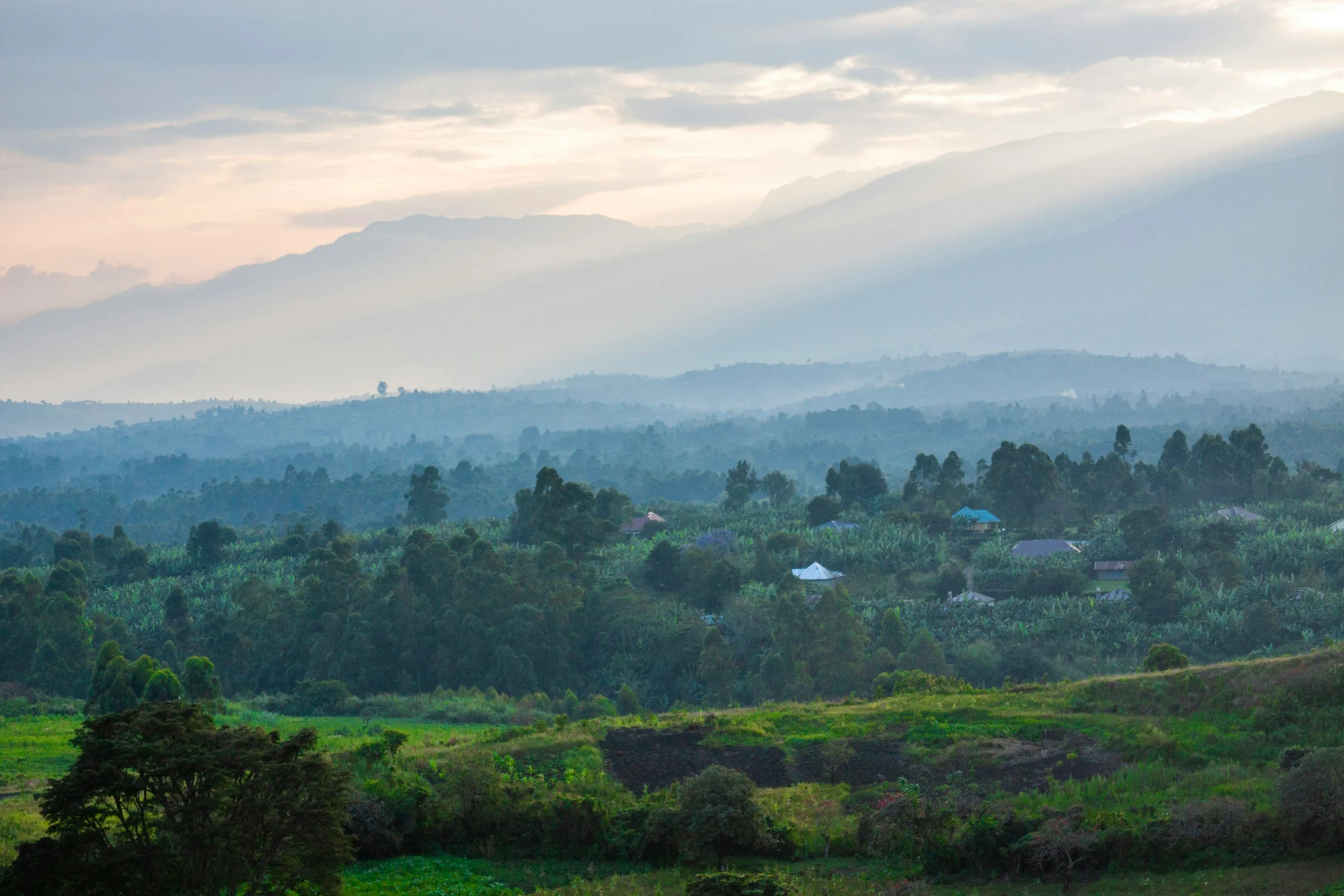
Layered green foothills of the Rwenzori Mountains with village rooftops among the trees near Fort Portal, western UgandaGolden plains and mountain ridges in Kidepo Valley National Park, Uganda

See East Africa. Know More About the Places You’re Travelling Through.

Community doesn’t need to become the whole journey.

For most travellers, it shouldn’t.

Come for gorillas.

Safari.

The Migration.

Kilimanjaro.

The Indian Ocean.

Then, if you’re curious, make room to understand something about the people living around the places you’ve travelled so far to see.

Tell us where you’re going.

Tell us what interests you.

We’ll find the experiences that genuinely belong there.

Uganda · Kenya · Rwanda · Tanzania · Zanzibar · Private Tailor-Made Journeys

Travel advisor? Inquire for Your Client →

Photography credits

Maasai women, Ngorongoro: Arnold Tibaijuka, CC BY-SA 4.0 · Samburu moran, Ewaso Ng’iro: Mustbetj (Trevor Maingi), CC BY-SA 4.0 · Tea grower, Nyabihu: Germain92, CC0 · Setting out into Bwindi: Jason Houston for USAID, Public domain · Dhow at dusk, Zanzibar: Fanny Schertzer, CC BY 2.5 · Maasai guide, Ol Kinyei: Make it Kenya, Public domain · L’Hoest’s monkey, Bigodi: Bernard Dupont, CC BY-SA 2.0 · Papyrus, Bigodi: Bernard Dupont, CC BY-SA 2.0 · Red colobus, Bigodi: Bernard Dupont, CC BY-SA 2.0 · Great blue turaco, Bigodi: Bernard Dupont, CC BY-SA 2.0 · Crowned crane, Bigodi: Charles J. Sharp, CC BY-SA 4.0 · Tea, Fort Portal: Timothy Akolamazima, CC BY-SA 4.0 · Mpanga market, Fort Portal: Ingo Wölbern, Public domain · Fruit stall, Fort Portal: Franck Lemozy, Pexels License · Batwa elders, Mgahinga: Jason Houston for USAID, Public domain · Buniga Forest Trail: Jason Houston for USAID, Public domain · Batwa guide, Buniga: Jason Houston for USAID, Public domain · Batwa baskets: Jason Houston for USAID, Public domain · Batwa women, Mgahinga: Jason Houston for USAID, Public domain · Batwa elder and guide, Buhoma: Jason Houston for USAID, Public domain · Woodcarver, Buhoma: Jason Houston for USAID, Public domain · Ranger briefing, Buhoma: Jason Houston for USAID, Public domain · Karamojong herder: Lainey 777, CC BY-SA 4.0 · Karamojong elder: Lainey 777, CC BY-SA 4.0 · Karamoja homestead: Rod Waddington, CC BY-SA 2.0 · Kidepo Valley: Kateregga1, CC BY-SA 4.0 · Elephants, Kidepo: Kateregga1, CC BY-SA 4.0 · Maasai beadwork, Kajiado: Mark Myles Mugambi, CC BY-SA 4.0 · Maasai home, southern Kenya: BarcarolIa, CC BY-SA 4.0 · Samburu ochre: Mustbetj (Trevor Maingi), CC BY-SA 4.0 · Samburu women: Sefika Safari, CC BY-SA 4.0 · Samburu carver: Filiberto Strazzari, CC BY 2.0 · Tea, Mount Kenya region: Neil Palmer / CIAT, CC BY-SA 2.0 · Banana market, Mount Kenya region: Neil Palmer / CIAT, CC BY-SA 2.0 · Mount Kenya from Nyeri: Ninara, CC BY 2.0 · Maasai Market, Nairobi: Ninaras, CC BY-SA 4.0 · Mural, Nairobi: Derrick Wandera, Pexels License · Rangers, Tana River: Athuman Komora Garisse, CC BY-SA 4.0 · Ranger, Lekkuruki: Athuman Komora Garisse, CC BY-SA 4.0 · Maasai, Ngorongoro: Erasmus Kamugisha, CC BY-SA 4.0 · Maasai cattle, Ngorongoro: Vince Smith, CC BY-SA 2.0 · Maasai, Ngorongoro highlands: Alyusuph, CC BY-SA 4.0 · Hadzabe hunters, Eyasi: Andreas Lederer, CC BY 2.0 · Hadzabe fire-making: Masele Czeus25, CC BY-SA 4.0 · Hadzabe hunter: Arnold Tibaijuka, CC BY-SA 4.0 · Datoga blacksmiths: Masele Czeus25, CC BY-SA 4.0 · Marangu market: Chris 73 / Wikimedia Commons, CC BY-SA 3.0 · Mto wa Mbu: Monstorm, CC BY-SA 4.0 · Kilimanjaro over Moshi: Stig Nygaard, CC BY 2.0 · Dhow sailor, Zanzibar: Fanny Schertzer, CC BY 2.5 · Spice farm, Zanzibar: Rwebogora, CC BY-SA 4.0 · Basket weaving, Rwanda: Rogerirakoze, CC BY-SA 4.0 · Tea picker, Rwanda: Wood Wildlife Photography, CC BY-SA 4.0 · Kimironko Market, Kigali: Hanay, CC BY-SA 3.0 · Sisal weaver, Rwanda: Masako Kato, CC BY-SA 4.0 · Coffee drying beds: Imanishimwe Regis, Pexels License · Fort Portal hills: Itote Rubombora, Unsplash License · Lake Bunyonyi: Random Institute, Unsplash License · Kibale at dawn: Ivan Sabayuki, Unsplash License · Crowned cranes, Mabamba: Dixon Newman, Unsplash License · Bwindi: Bike and Boat Motorcycle Tours, Unsplash License · Chimpanzee, Kibale: Simone Dinoia, Unsplash License · Maasai herder: Ahmed Galal, Unsplash License · Samburu women: Ken Kahiri, Unsplash License · Nairobi: Michael Njoroge, Unsplash License · Jambiani seaweed farms: Aron Marinelli, Unsplash License · Tailoring workshop, Nairobi: Kevin Menya, Unsplash License · Uganda tea hills: Workman House, Pexels License · Western Uganda: josh_dago__, Pexels License · Coffee farmer, Muhanga: Dawid Sobarnia, Pexels License · Coffee cherries: Speak Media Uganda, Pexels License · Beadwork workshop: Speak Media Uganda, Pexels License · Ranger, Ol Pejeta: Dianne Magbanua-Negado, Pexels License · Rwanda hills: Rwanda Lens, Pexels License. Wikimedia Commons photographs are used under the licences shown; images were resized for the web.