
The Queen Field Guide · Safari Planning
The Ultimate African Safari Packing Guide
What to pack, wear and know before you go: 24 safari essentials, jet lag relief, travel medication, clothing advice and practical counsel for every kind of African journey.
Pack well, and you forget the suitcase entirely. All that remains is the land, the light and the animals.
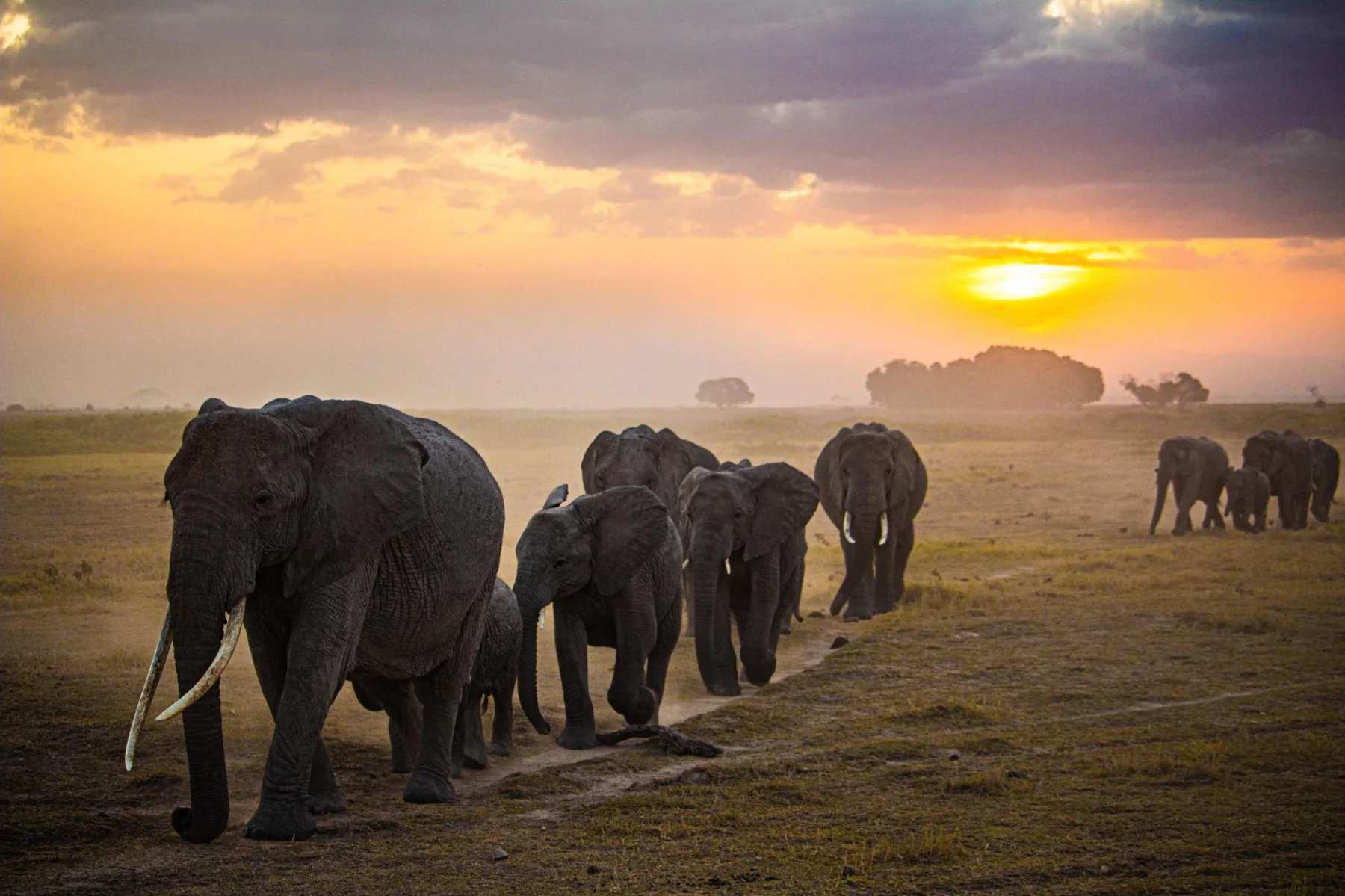
An African safari is one of the world's most extraordinary travel experiences. From the endless plains of the Serengeti and the Maasai Mara to the Okavango Delta, Kruger National Park and the mountain gorilla forests of Uganda and Rwanda, Africa offers encounters with wildlife and wilderness that stay with you for life.
Preparing for one can feel overwhelming, especially the first time. What should you wear? Which medication should you bring? How do you manage long international flights, changing time zones and climates that shift from frosted dawns to hot afternoons in a single day?
Whether you are planning a luxury safari, a family adventure, a gorilla trek or a beach escape, this guide covers everything you need for a comfortable, well-prepared journey.
Before You Travel
The papers that open the door.
Before the first item goes into your case, make sure the documents are in order. Requirements depend on your nationality, your route and sometimes the airports you connect through, so check them for every country on your itinerary.
i.Passport & Visas
Your passport should have at least six months' validity beyond your return date and several blank pages. Many African countries issue electronic visas or travel authorisations; apply through official government portals only, well before departure.
ii.Flights
Book international flights that land with time to rest before your first activity. Light-aircraft transfers between safari camps carry strict baggage limits, so check them before you pack.
iii.Entry Insurance
Some destinations ask visitors to hold a specific entry or medical insurance on arrival. Confirm whether this applies to each country you visit.
iv.Comprehensive Travel Insurance
Comprehensive travel insurance is mandatory for every Queen traveller and must be obtained by the traveller before travel. Choose a policy that covers your safari activities, including emergency medical evacuation.
v.Yellow Fever Vaccination Card
Some African countries require travellers to present an official Yellow Fever Vaccination Card, also called the International Certificate of Vaccination or Prophylaxis (ICVP).
Requirements vary with your destination, the countries you have visited beforehand and sometimes your airport connections. If you need the vaccine, arrange it well before departure. The certificate becomes valid ten days after vaccination and is generally valid for life.
Queen's Travel TipKeep your original card with your passport in your carry-on. Check the requirements for every country on your itinerary, including transit stops.
Entry and health requirements change. Confirm them with official government sources and CDC Travelers' Health before you travel.
The Essentials
Twenty-four things worth their space.
Nothing here is filler. Each item earns its place in a soft-sided bag, from the first airport queue to the last sundowner.
- 1
Travel Document Organiser
Keep your passport, visas, boarding passes, insurance details and important documents together. A secure neck wallet or travel organiser is particularly useful on long flights and through airport connections.
- 2
Insect Repellent
Mosquito protection matters in many African safari destinations. Pack an effective repellent containing DEET or picaridin, and wear lightweight long sleeves in the evenings. Repellent wristbands can be an extra, but never a replacement for proven protection.
- 3
Virtual Private Network (VPN)
A VPN adds privacy when you use public Wi-Fi at airports, hotels and lodges. Avoid accessing sensitive financial accounts over unsecured connections, and check local rules on VPN use.
- 4
Quick-Dry Travel Towel
A compact microfibre towel is useful for treks, outdoor excursions and beach days. It takes up almost no space and dries in minutes.
- 5
Binoculars
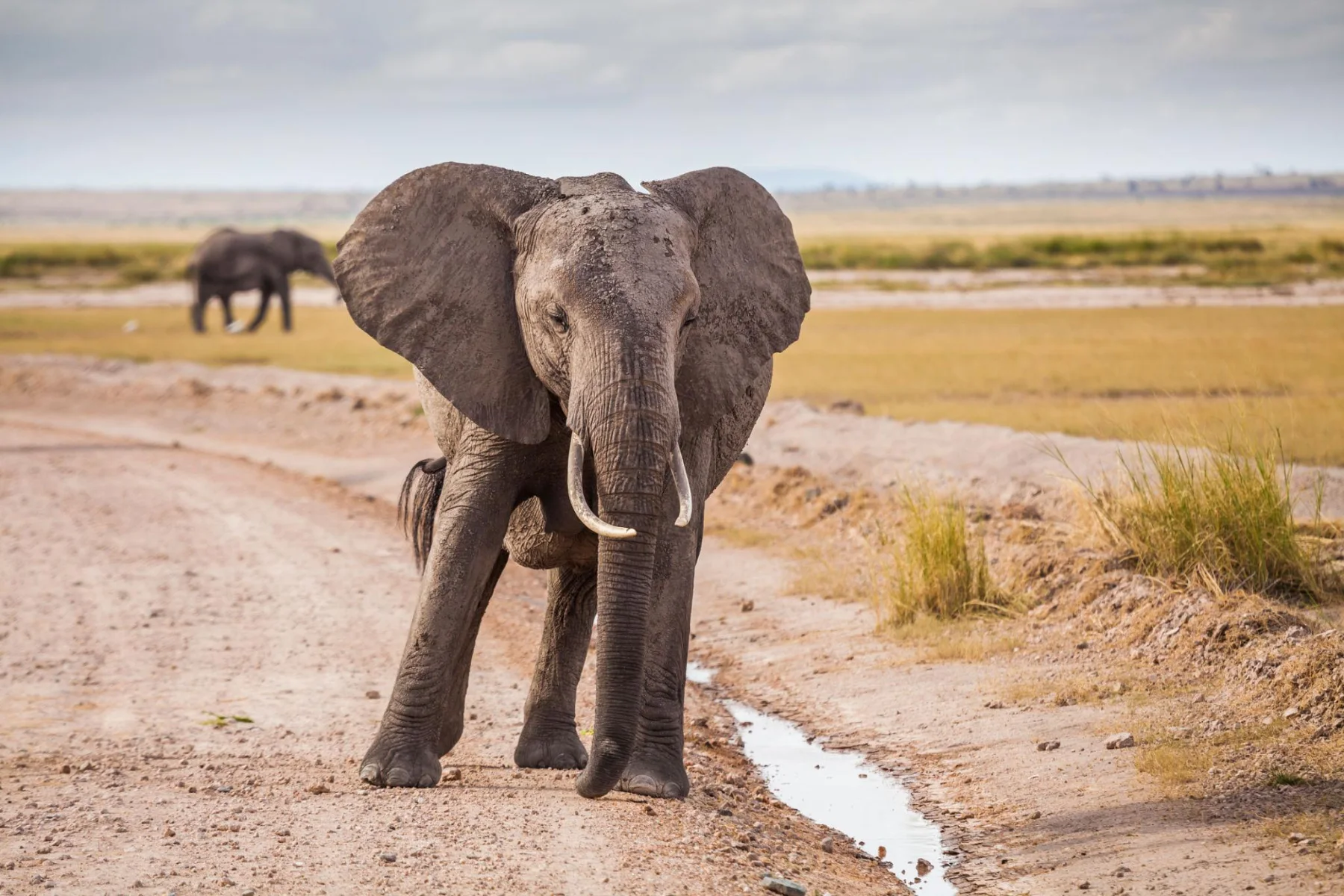
Binoculars make every game drive richer. Watch distant elephants, lions, giraffes and birds without disturbing them. A compact pair of around 8x or 10x magnification is the practical choice.
- 6
Universal Power Adapter
Africa does not share one socket. South Africa, Kenya, Tanzania, Uganda and Botswana use different plug types. Check your destinations and carry the right adapters.
- 7
Comprehensive Travel Insurance
Insurance protects your journey against medical emergencies, cancellations, lost luggage and other disruptions.
Choose cover appropriate to your safari activities, including emergency medical evacuation where needed.
- 8
Cooling Towel
Afternoon game drives can be hot, particularly on the open savannah. A cooling towel, activated with water, is a simple way to refresh yourself.
- 9
Safe Drinking Water Bottle
Staying hydrated is essential. Carry a reusable bottle and refill it with drinking water supplied by your lodge or safari team. Do not assume tap water is safe to drink. A suitable water purifier can be useful on certain remote adventures.
- 10
Portable Power Bank
Game drives and excursions can keep you away from charging points for hours. A power bank keeps your phone, camera accessories and other devices alive.
- 11
International eSIM or Mobile Data Plan
Roaming charges can be steep. Consider an eSIM, a local SIM card or an international data package before departure, and confirm coverage for each country, especially in remote safari areas.
- 12
Motion Sickness Relief
Safari roads can be uneven, and mountain routes, light aircraft and boat excursions may unsettle even seasoned travellers.
If you are prone to nausea, pack a remedy recommended by your pharmacist or healthcare professional, such as tablets or patches. Some medicines cause drowsiness, so check before you travel.
- 13
Lightweight Travel Umbrella
A compact umbrella is useful for sudden rain and occasional shade. Pack a waterproof jacket too, especially in the wetter months.
- 14
Refreshing Body Wipes
Long flights, warm afternoons and extended game drives take their toll. Gentle body or face wipes offer a quick refresh between activities.
- 15
Compact Emergency Accessories
A small whistle, compass or multipurpose paracord bracelet can be useful on certain outdoor adventures. On lodge-based safaris they are optional: your professional guide carries the essential safety equipment.
- 16
Comfortable Day Backpack
A light backpack keeps sunscreen, camera, water, medication and other essentials within reach on game drives and excursions.
- 17
Luggage Locks
Use suitable locks to secure your belongings through international travel and transfers. Keep documents, medication and valuables in your hand luggage.
Jet Lag Relief Pills
Reaching Africa from North America, Australia or other distant places often means long flights, several connections and a significant change of time zone.
Jet lag can leave you tired, disturb your sleep and dull the first days of your journey, precisely the mornings you do not want to miss.
Some travellers pack jet lag relief pills or melatonin to help reset their sleep. Properly timed melatonin can help some travellers adjust, but not every product marketed for jet lag has proven benefits.
Consult your pharmacist or healthcare professional before taking any medication.
To ease the transition, begin shifting your sleep before departure, drink water during the flight and get daylight soon after you arrive.
Queen's Travel TipWherever possible, give yourself a restful first evening before the early-morning safari activities begin.
Reference: CDC Yellow Book, guidance on jet lag and melatonin for travellers.
- 19
Packing Cubes
Packing cubes keep clothing organised, particularly when you move between several lodges, and separate clean clothes from laundry.
- 20
First-Aid Kit & Personal Medication
Carry a small first-aid kit with plasters, antiseptic supplies and any over-the-counter remedies you normally use.
Bring enough prescription medication for the whole journey, ideally in its original packaging, with a copy of your prescription. Keep essential medication in your carry-on and check destination restrictions.
Consult a travel-health professional about vaccinations, malaria prevention and other destination-specific requirements before departure.
For stomach illness, oral rehydration salts are useful. Do not rely on activated charcoal as a routine treatment for food poisoning.
- 21
Comfortable Safari Trousers
Light, breathable trousers are ideal for game drives and walking. Convertible styles that become shorts are convenient in warmer weather.
- 22
Hanging Toiletry Organiser
A compact hanging toiletry bag keeps skincare and personal items in order as you move between suites, tents and villas.
- 23
Digestive Health Essentials
New foods, travel routines and long journeys may occasionally upset digestion.
Pack any doctor-recommended medication, oral rehydration salts and personal remedies that suit you. Seek medical attention for severe symptoms, bloody diarrhoea, high fever or dehydration.
- 24
Camera With a Zoom Lens
Wildlife photography is one of the great pleasures of safari. A zoom lens lets you photograph animals from a respectful distance.
Bring spare batteries, memory cards and a protective bag against dust and moisture. Smartphones capture landscapes and moments beautifully too.
What to Wear
Dressed for dawn, and for dinner.
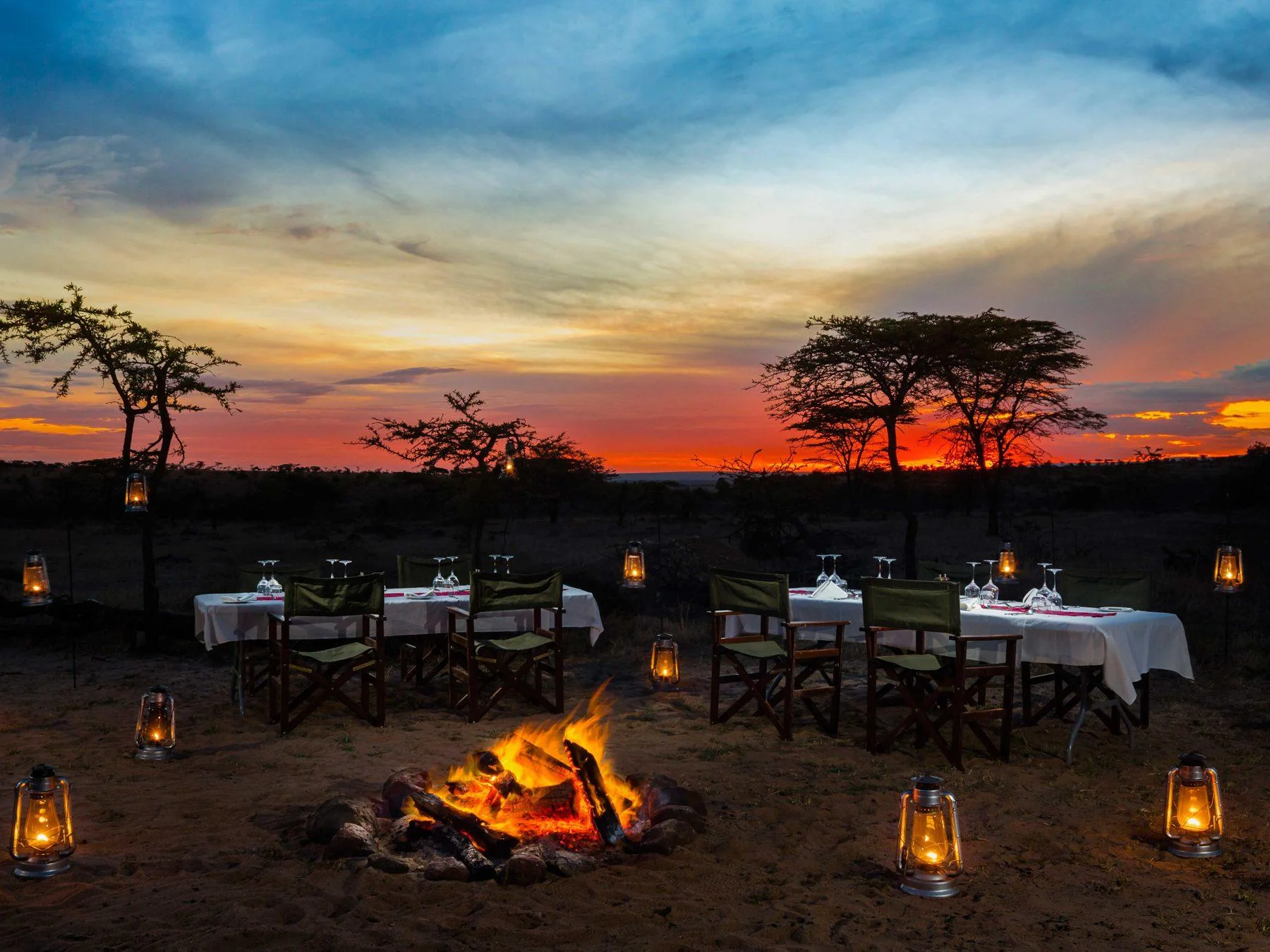
Safari clothing should be comfortable, practical and ready for changing temperatures. Early mornings can be surprisingly cold even when afternoons are hot. Layers are the simplest way to stay comfortable from the first drive to the last fire.
For women
Lightweight trousers, breathable blouses, long-sleeved shirts, comfortable walking shoes, a sun hat and a warm jacket. A few relaxed dresses or elegant pieces for evenings at the lodge.
For men
Safari trousers or chinos, breathable shirts, comfortable footwear, a fleece or light jacket and a sun hat. Smart-casual clothing for lodge dinners.
Neutral colours are practical in the bush. Avoid camouflage clothing, which is restricted in some countries.
By Experience
One continent, five ways to pack.
A gorilla forest asks for different things than a desert or a coral coast. Pack for the journey you are actually taking.
Savannah Safaris
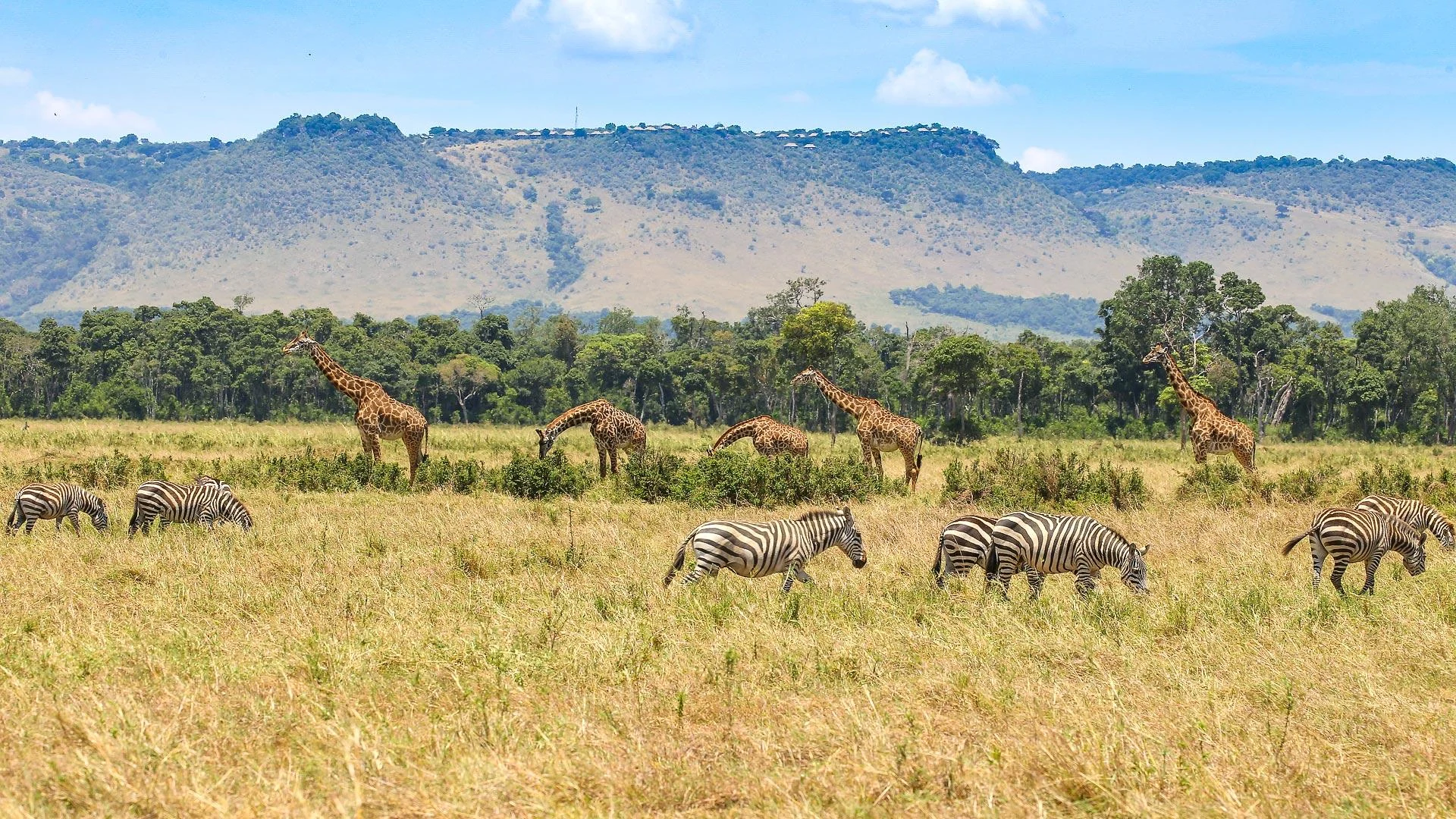
Kenya · Tanzania · South Africa · Botswana & beyondBreathable clothing, sun protection, binoculars, a warm layer for early drives and a dust cover for your camera.
Gorilla & Chimpanzee Trekking
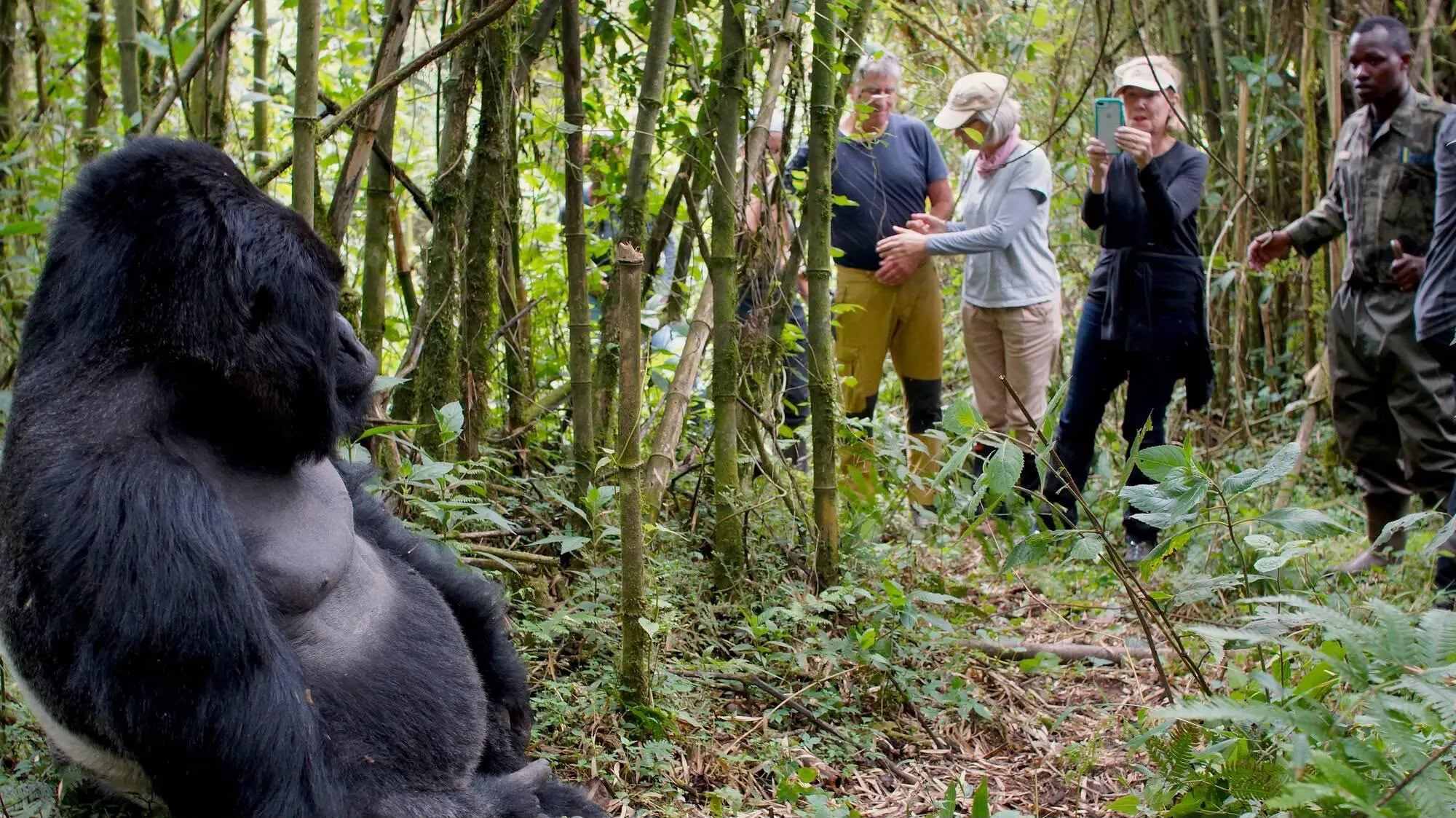
Uganda · RwandaWaterproof hiking boots, long trousers, long-sleeved shirts, gardening gloves for gripping vegetation, a rain jacket and a small backpack. Forest trails can be steep and muddy.
Desert Adventures
Namibia & other arid regionsPrepare for strong sun, dry air and cold nights: sunscreen, sunglasses, a hat and warm layers.
Water-Based Safaris
Botswana · Zambia & beyondA waterproof pouch, quick-drying clothing, sun protection and suitable footwear.
Beach Escapes
Zanzibar · Seychelles · Mauritius · MozambiqueSwimwear, sandals, linen, sunscreen and comfortable evening outfits. Dress respectfully when visiting local communities.
Africa's Seasons
Pack for the place, not the continent.
Africa is vast, with many climates. In much of East and Southern Africa, the dry months bring excellent wildlife viewing, though the exact timing varies by destination. Green seasons bring lush landscapes, rich birdlife and, in some regions, new young animals; pack waterproofs and good footwear.
Highland destinations, including parts of Rwanda, Uganda, Tanzania and South Africa, can be cool all year. Always check the weather for your specific destinations.
What Not to Bring
The art of leaving things behind.
Travel light. The best safari bags are soft, small and easy to carry onto a light aircraft.
- Excessive luggageSmall safari aircraft often have strict baggage limits and may require soft-sided bags.
- Expensive jewelleryLeave unnecessary valuables at home.
- Too many clothesMany luxury lodges offer laundry services.
- Drones without permitsDrone rules differ by country and protected area.
- Restricted plastic bagsSeveral African destinations regulate or prohibit certain plastic bags.
- Sleeping bagsGenerally unnecessary on lodge-based luxury safaris.
- Heavy booksAn e-reader is a lighter companion.
- Prohibited or restricted equipmentCheck local rules before travelling with knives, drones or specialised outdoor gear.
Where should I go on my first African safari?
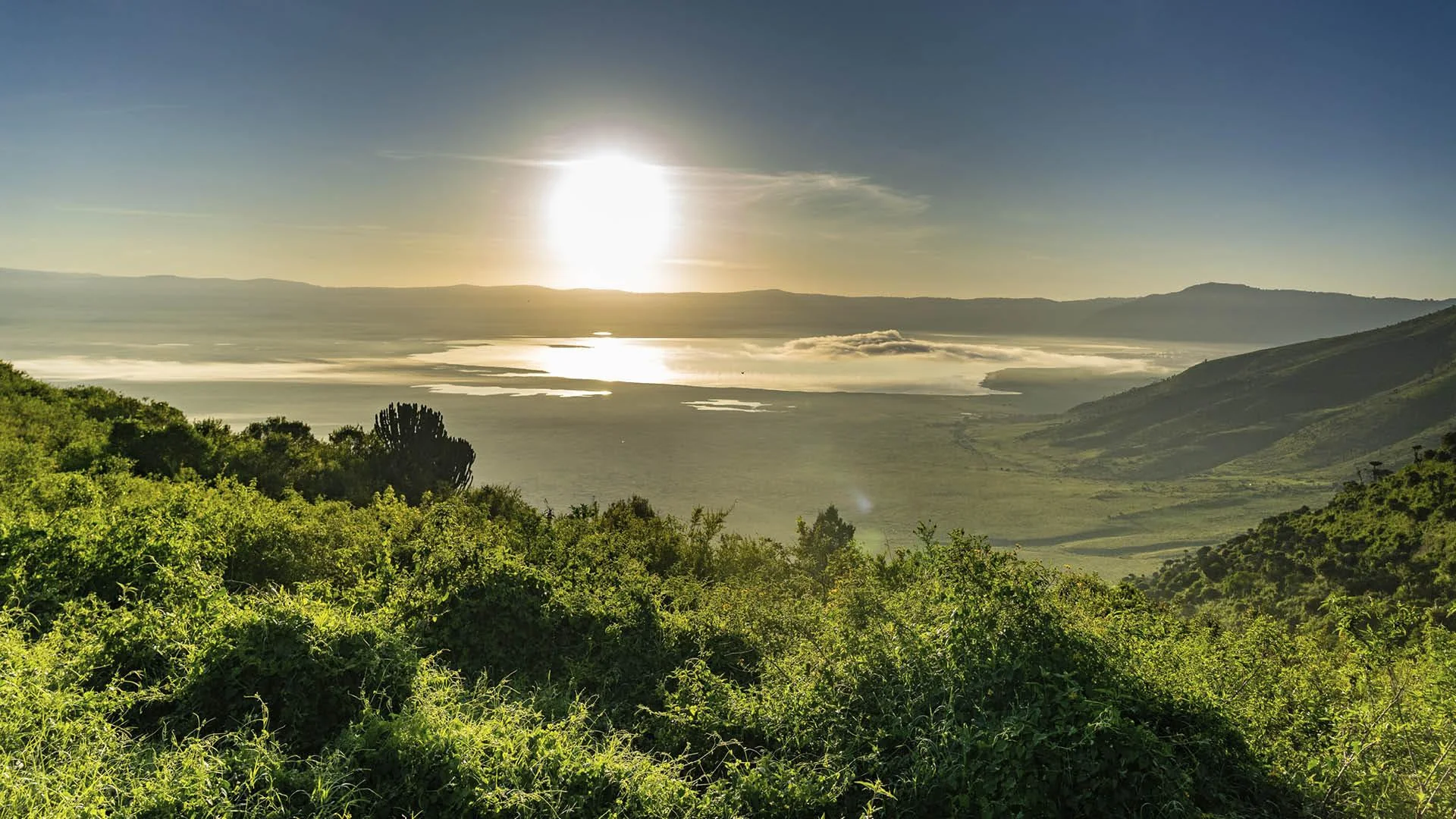
Kenya's Maasai Mara, Tanzania's Serengeti and Ngorongoro Crater, and South Africa's Kruger National Park are popular first choices. Botswana, Namibia, Zambia, Zimbabwe, Uganda and Rwanda also offer extraordinary safaris.
The right destination depends on your interests, your travel season and the style of adventure you prefer.
When is the best time for an African safari?
There is no single best time for all of Africa. Many destinations offer excellent wildlife viewing in their dry seasons.
For the Great Migration, timing depends on the stage you hope to see. Calving is typically associated with the southern Serengeti from January to March, while river crossings happen seasonally and can never be guaranteed.
Are African safaris safe?
Professionally guided safaris are generally well managed, but all travel involves some risk. Follow your guide's instructions, respect wildlife and review official travel and health advice for each destination.
Are African safaris suitable for children?
Yes. Private family safaris can be designed around children's ages and interests. Some lodges and activities have minimum ages, particularly gorilla and chimpanzee trekking.
Can I go on safari alone?
Absolutely. Solo travellers can enjoy private guides, personalised itineraries and carefully chosen lodges. Single-room supplements may apply.
How much does an African safari cost?
Prices vary with destination, season, accommodation, transport and activities. Luxury lodges, private guiding, internal flights and specialised wildlife experiences all shape the cost.
What are Africa's Big Five?
The lion, leopard, elephant, rhinoceros and African buffalo.
Are African safaris ethical?
Responsible safaris support conservation and local communities. Choose operators who respect wildlife, employ local professionals and promote responsible tourism.
How should I pay for purchases while travelling?
Carry a small amount of local currency for tips, markets and small purchases. Credit cards are accepted at many established hotels and lodges, though acceptance varies by destination.
Do I need vaccinations or malaria medication?
Requirements and recommendations depend on your destination, itinerary, medical history and the countries you visit before arrival. Consult a travel-health professional well before departure.
Your Final Safari Packing Checklist
Before you close the case.
0 of 17 packed
Download the PDF Guide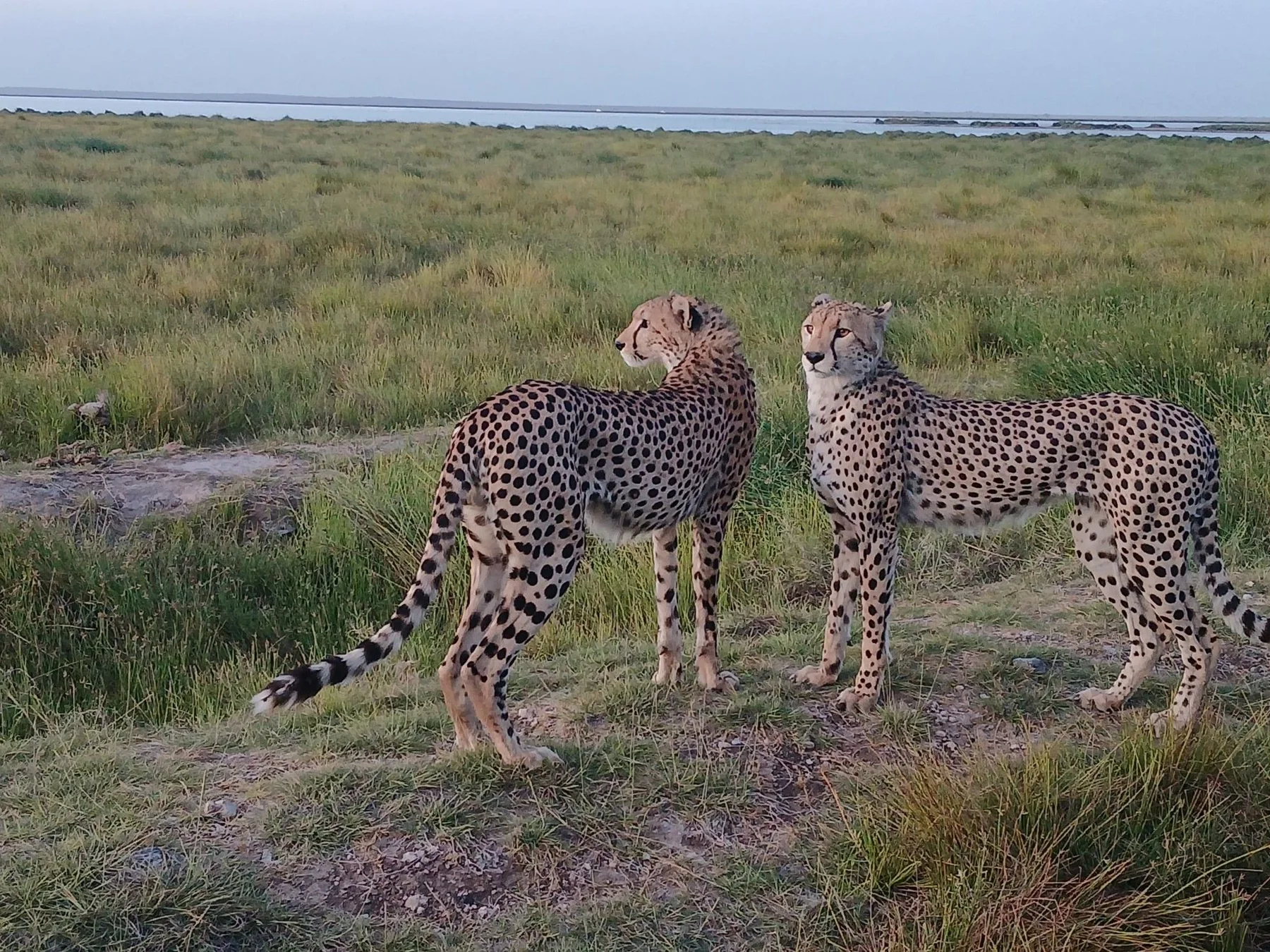
Ready for Your African Adventure?
The case is packed. Africa is waiting.
A remarkable safari begins with thoughtful preparation. With the right essentials in your bag, you are free to give yourself to what matters: extraordinary wildlife, vast landscapes, meaningful encounters, and memories that stay long after you return home.
At Queen of East Africa Luxury Tours, we design journeys across Uganda, Rwanda, Kenya, Tanzania and Zanzibar, pairing exceptional experiences with personal care.
Crafted With Experience. Delivered With Care.Designed in the U.S. · Delivered on the ground across East Africa