Corporate incentive travel in Africa, done with care
A reward journey your top performers will talk about for years: how to plan an East African incentive trip, from group size and exclusive-use camps to purposeful experiences and flawless logistics.
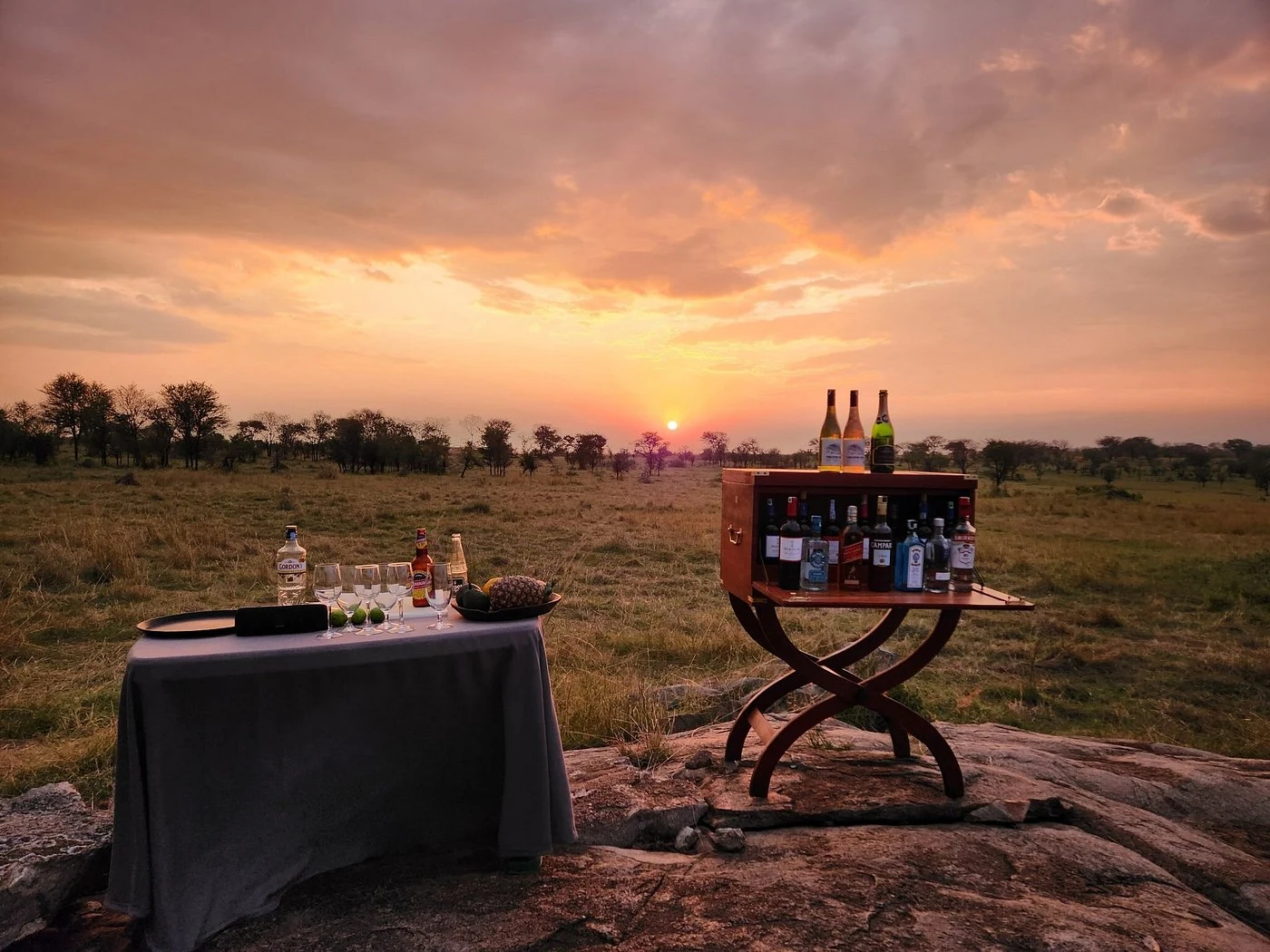
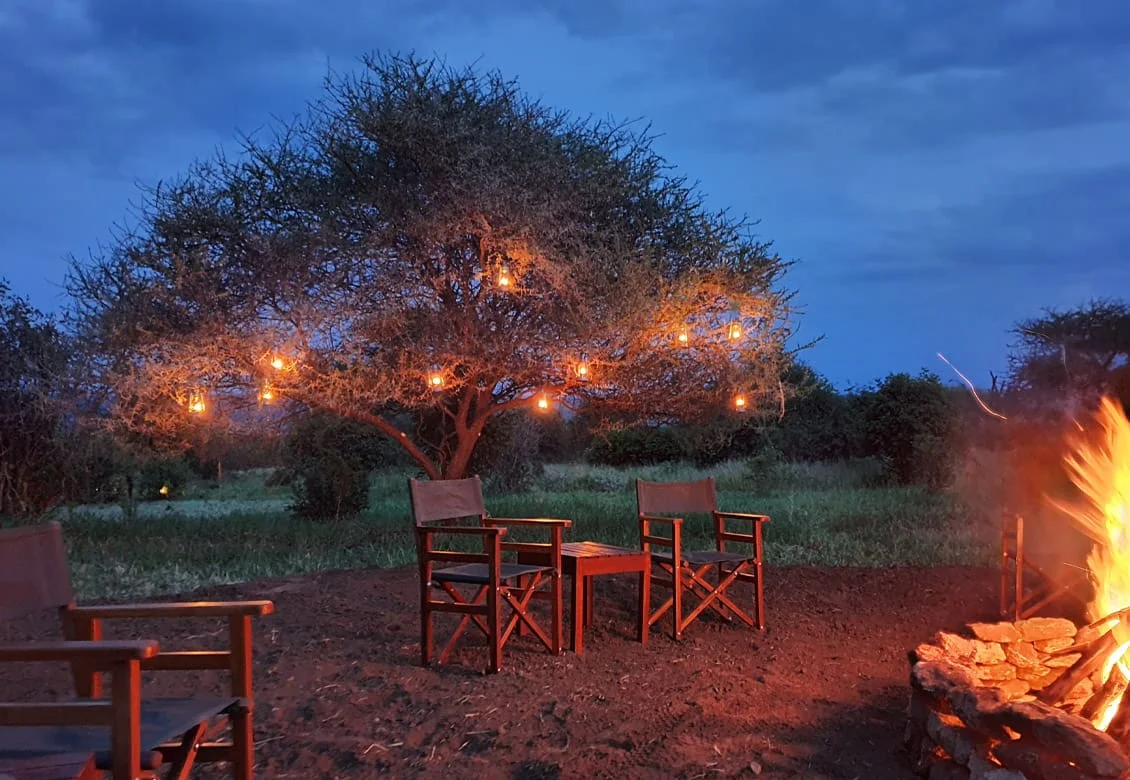
A gala dinner recognises achievement. An incentive journey to East Africa changes how a team remembers it: a private sundowner above the Serengeti, dinner under an acacia, a morning in a misted forest after meeting a gorilla family. These are not interchangeable rewards. They give people who rarely have time to be present together a shared reference point that lasts.
By the Queen of East Africa journey designers
- East Africa works best for small, selective incentive groups: often 8 to 24 guests, split across small camps or in exclusive-use properties.
- Shape the journey in three acts: an easy arrival, the safari, and a beach or lake stay to finish.
- Exclusive-use camps and private vehicles carry the luxury; a few shared moments, a bush dinner or a gorilla trek, carry the memory.
- Plan 9 to 12 months ahead, and longer if gorilla permits or holiday dates are involved.
Why an African incentive feels more meaningful
An incentive trip should make guests feel recognised. East Africa does this naturally because the experience is immersive rather than staged. A private game drive has no stage and no forced icebreaker; conversation returns in the quiet between sightings, over coffee at sunrise or around the fire after dinner.
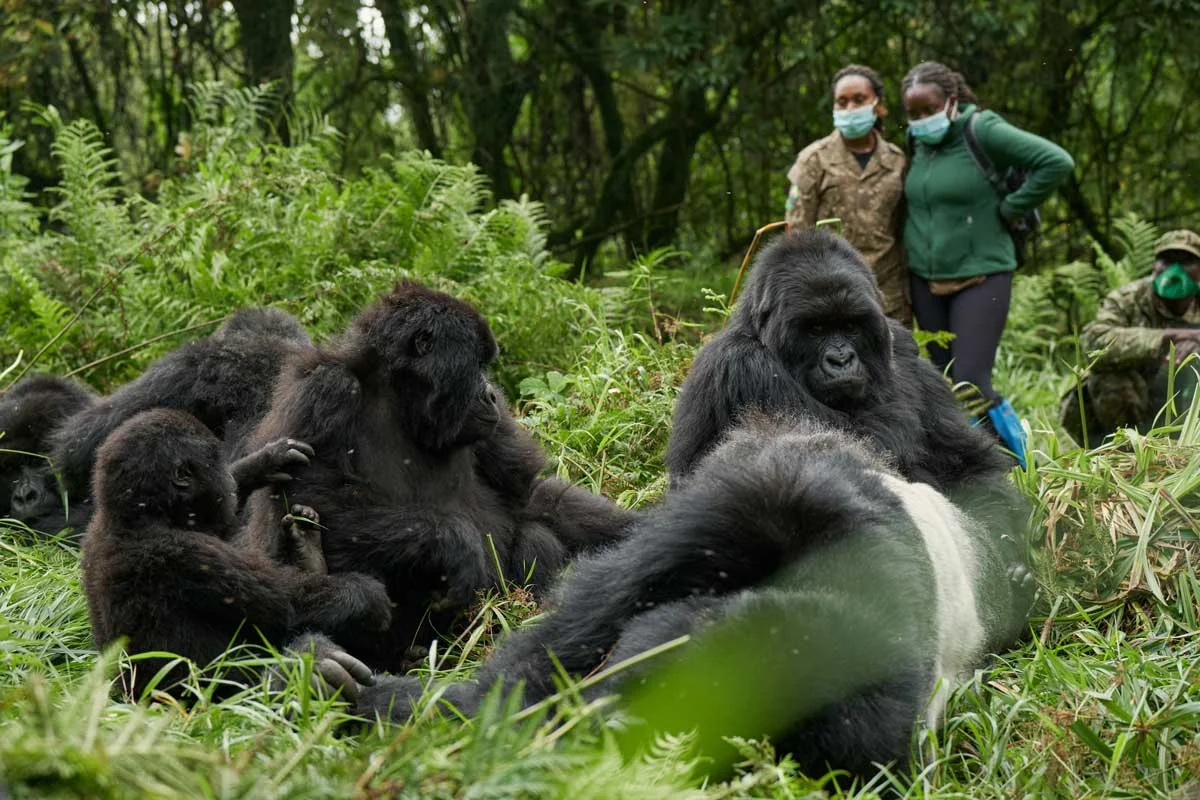
It also offers perspective. In Rwanda or Uganda, gorilla trekking asks guests to move slowly through a living forest, guided by trackers whose knowledge is rooted in place. In Kenya and Tanzania, the scale of the plains puts everyday urgency into proportion. Zanzibar adds a gentle landing after the bush.
Selective, not oversized
The most rewarding African incentive programmes are small. Safari camps are intimate by design, often 8 to 20 suites, and the best experiences rely on small vehicles and quiet sightings. For groups of around 8 to 24, we either reserve a whole camp or house, or divide the group across two neighbouring camps that come together for shared evenings.
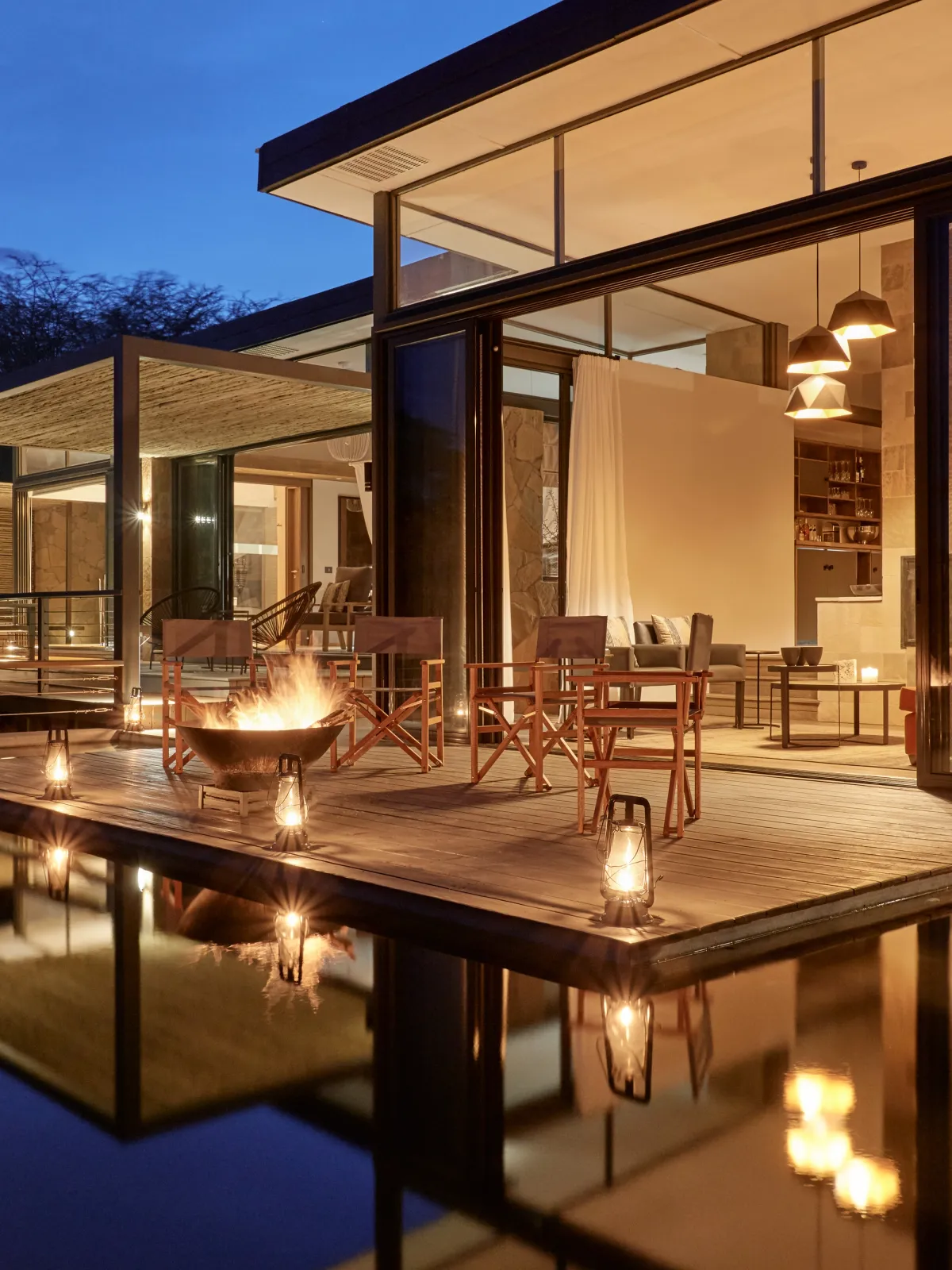
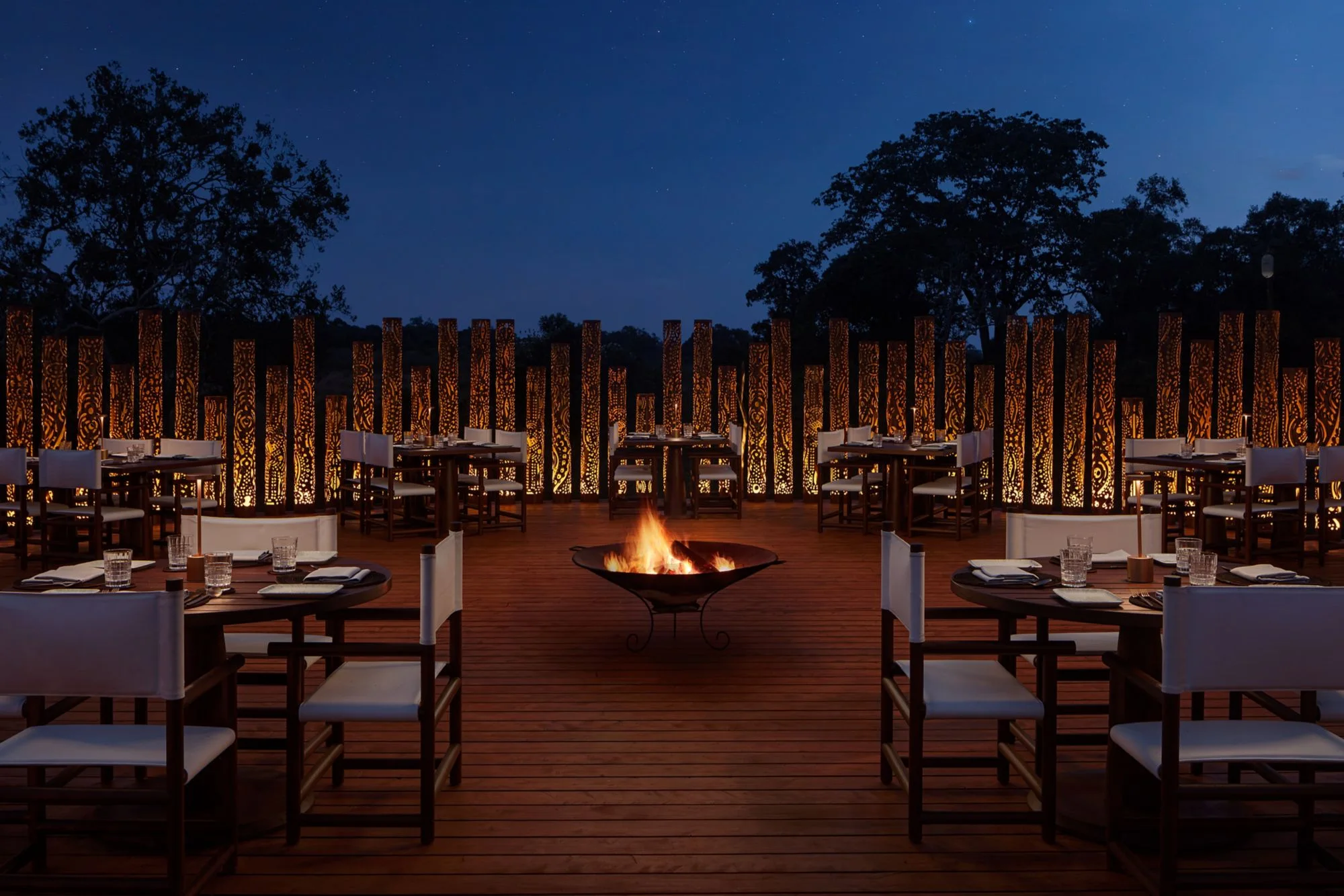
Exclusive-use properties are ideal: Sirikoi on Lewa, Singita Serengeti House or the private houses of Laikipia give a group its own team, vehicles and timetable. Our private group safaris page shows the range.
A reward journey in three acts
A calm welcome in Nairobi, Arusha, Kigali or Entebbe after the long-haul flight, with a dinner that sets the tone.
The Masai Mara, the Serengeti or Laikipia, or gorillas in Rwanda or Uganda, with private vehicles and one or two signature shared moments.
Zanzibar or the Kenyan coast, where the group can rest, reflect and celebrate.
Build around energy, not only geography. Early game drives and a gorilla trek are thrilling but tiring, so alternate active days with time to recover, and never schedule a long transfer straight after a trek.
What distinguishes an exceptional incentive
Privacy carries the luxury: private vehicles for small groups of guests, suites that feel separate, and evenings when guests can choose company or quiet. Shared moments carry the memory: a bush dinner by lantern light, a balloon flight at dawn, a sundowner on a kopje, a gorilla trek together.
Purpose should feel tangible and respectful. A visit to a conservation project, a ranger team or a community initiative can add meaning when the hosts welcome it and the visit gives something back. Our page on tourism with a purpose explains how we approach it.
Logistics decide whether a group feels looked after. Charter flights, luggage limits on light aircraft (around 15 kg each in soft bags), dietary needs, entry requirements for every nationality and a single point of contact on the ground are all planned in advance. Every Queen journey includes AMREF Flying Doctors evacuation cover within East Africa.
When to travel
The dry months, June to October, bring the easiest game viewing and the Great Migration in the Mara and northern Serengeti; January to March is calving season in the southern Serengeti and a beautiful time for the beach. Gorilla trekking runs all year. Avoid April and May, the long rains, when some camps close.
Book 9 to 12 months ahead, especially for exclusive-use properties, holiday dates and gorilla permits, which are limited each day. Our guide to the Great Migration by month helps with timing.
A journey built for a private group
Our 10-day Lewa, Samburu and Masai Mara journey works beautifully for small groups, with exclusive-use options in Laikipia and private vehicles throughout.
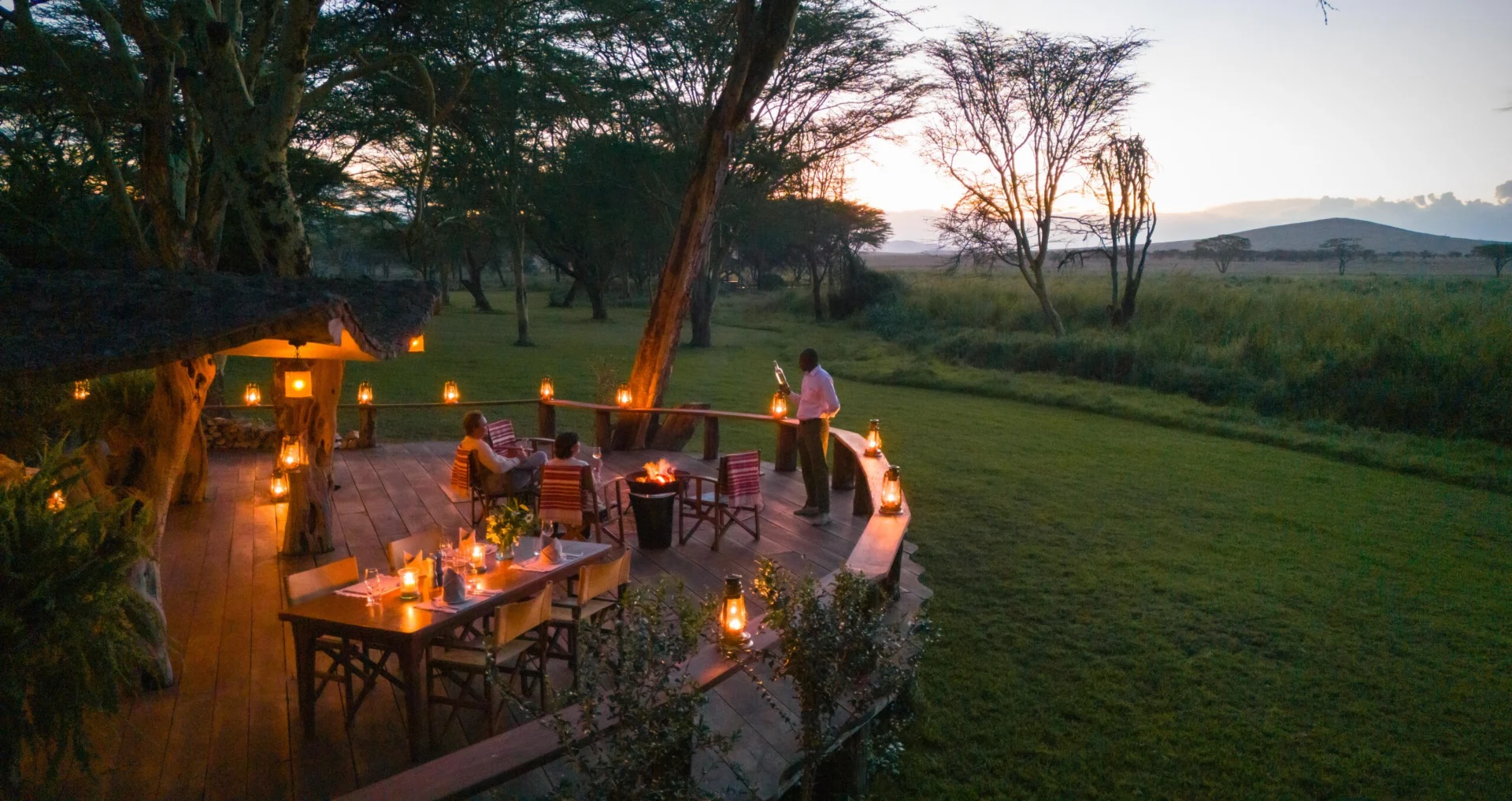
Ten days across three regions of Kenya, with internal flights. Shaped to your group.
Incentive travel, answered
Is Africa good for corporate incentive travel?
Yes, especially East Africa for small, selective groups. Safari camps, gorilla treks and the Indian Ocean create shared experiences that guests remember for years.
How large can an incentive group be on safari?
Groups of around 8 to 24 work best, either in an exclusive-use camp or house, or divided across neighbouring camps. Larger groups need more careful planning.
How long should an incentive trip to Africa be?
Seven to 10 nights: an arrival night, three to five nights on safari, and a few nights on the coast to finish.
Can an incentive group go gorilla trekking?
Yes, in groups of up to eight per gorilla family, aged 15 and over. Permits are limited each day, so we secure them early.
How far ahead should we plan?
Nine to 12 months ahead, and earlier for holiday dates, exclusive-use properties and gorilla permits.
Tell us about your group, and we will plan the rest
Share your dates and what matters most to you. A Queen journey designer will reply personally with a route, the lodges and a written proposal with the exact price, and a private consultation, if you wish, by phone or Zoom. There is no obligation until you choose to reserve.
Plan My Journey Or call 602-816-8206Explore more: Private Group Safaris · Kenya · Gorilla Trekking · Zanzibar