
How to plan a safari honeymoon that feels like yours
Seven steps, from the feeling you want to the details that make it effortless: how to choose the season, the pace, the lodges and the moments for a honeymoon in East Africa.
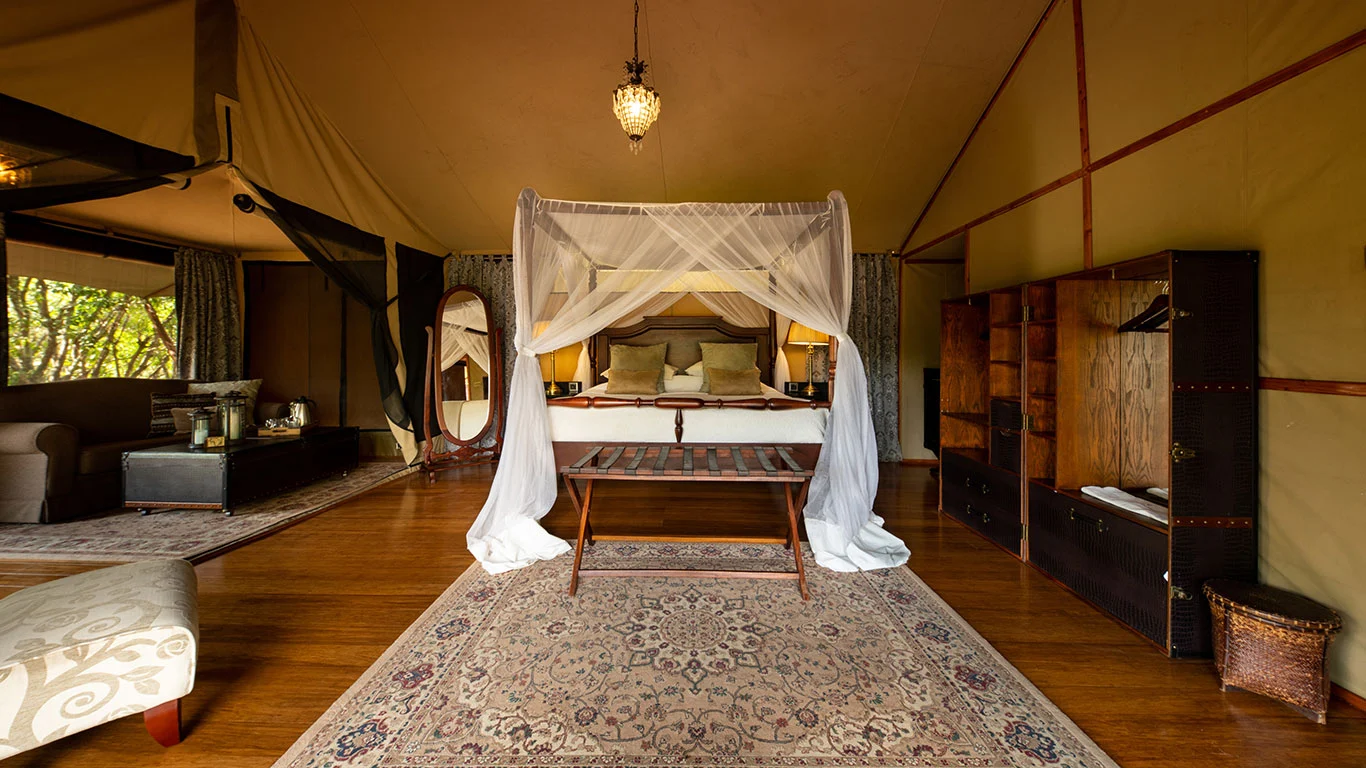
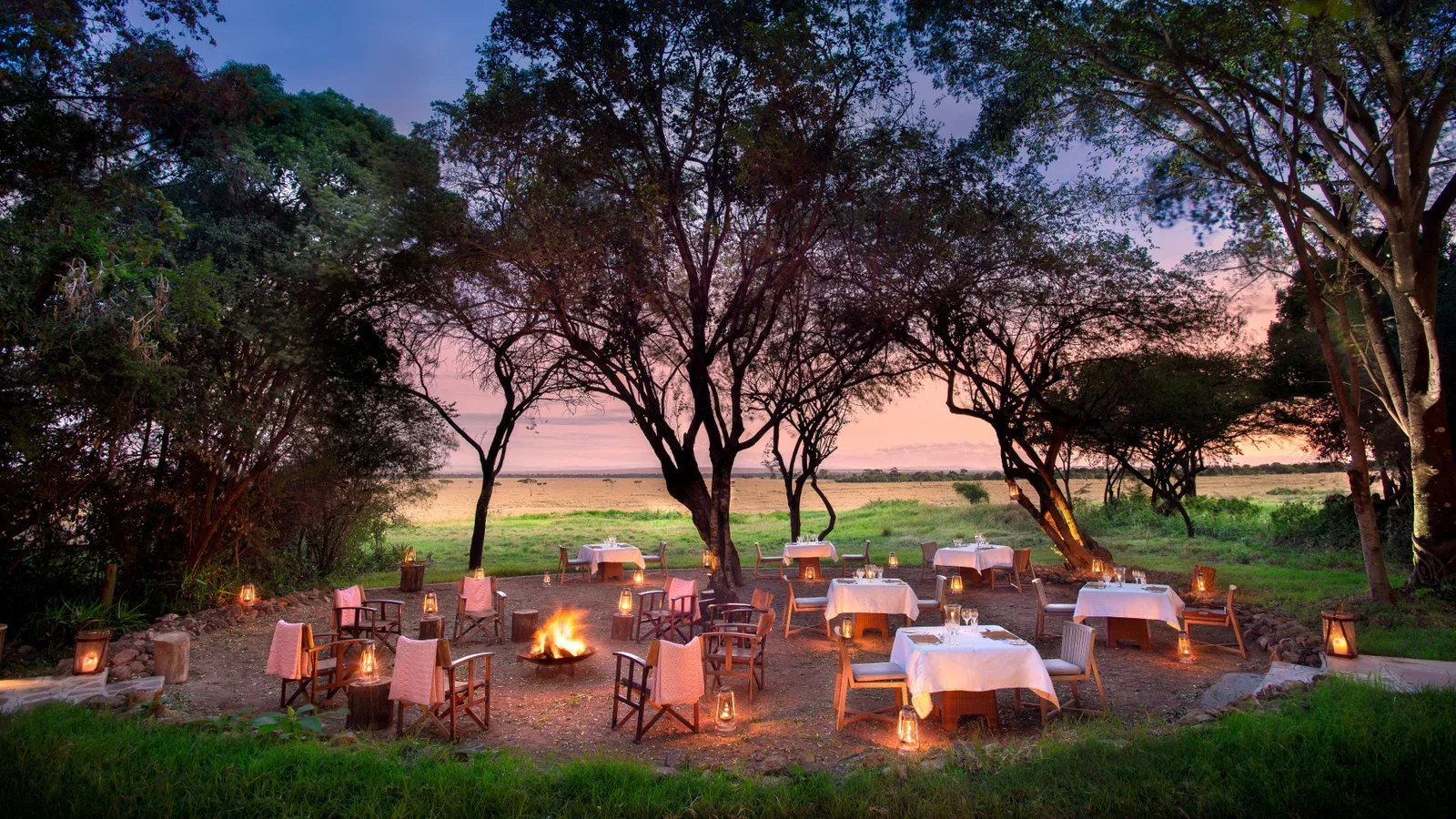
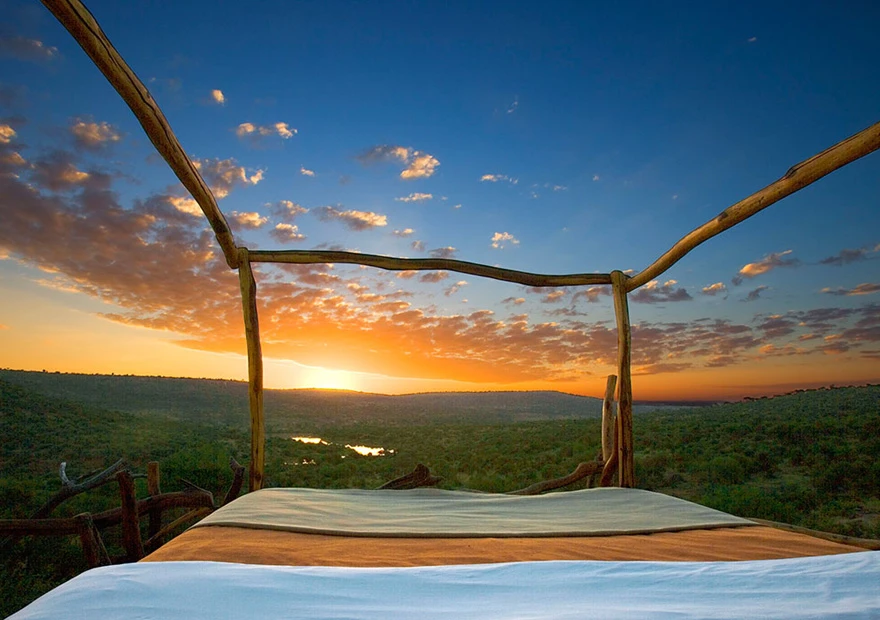
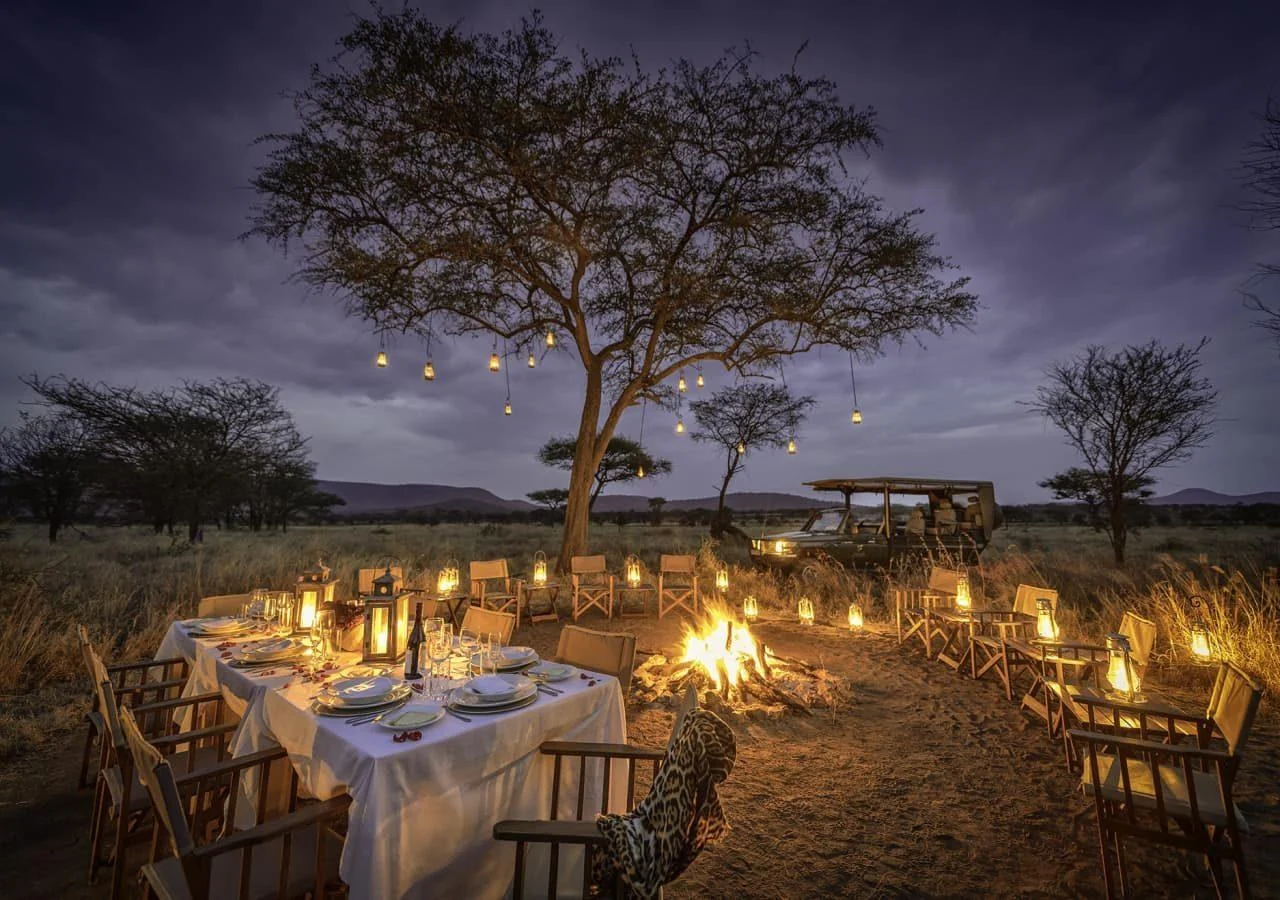
A safari honeymoon should not feel like a list of famous animals and beautiful rooms. It should unfold at your pace: coffee outside your tent at sunrise, a private game drive with no one else to accommodate, dinner under a sky full of stars and afternoons with nowhere to be. The way to get there is to plan in the right order, starting with how you want it to feel.
By the Queen of East Africa journey designers
- Start with the feeling, then the places: the open plains of Kenya and Tanzania, the forests of Uganda and Rwanda, and the Indian Ocean on Zanzibar.
- Pick the season for the experience you want most. June to October for the Great Migration and dry-season game viewing; January to March for calving in the Serengeti; gorillas all year.
- Plan 8 to 12 nights for safari and beach, or 12 to 14 with gorillas. Three nights per camp is the sweet spot.
- Choose lodges for privacy and guiding, not just photographs, and book 9 to 12 months ahead for peak months.
Begin with the feeling
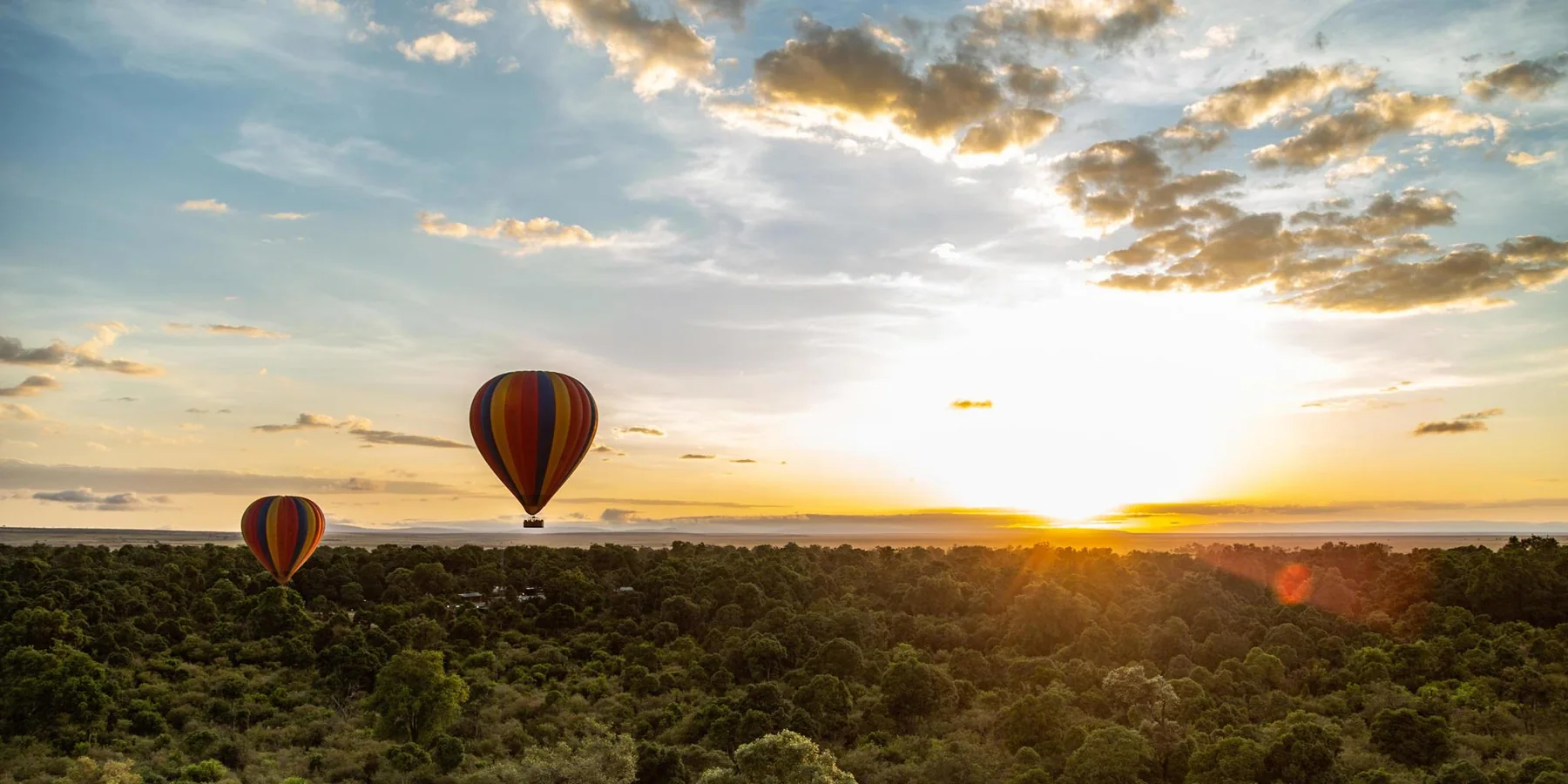
Before choosing countries, decide how you want the honeymoon to feel. Some couples want the cinematic safari: lions on the plains, a balloon over the Mara at dawn, elephants crossing the track ahead. Others want something more intimate: the hush of a forest, a gorilla family, a final week of bare feet on the sand. Most want a little of both.
That answer shapes everything. Kenya and Tanzania offer the classic open-plains safari; Uganda and Rwanda the forests and gorillas; Zanzibar the sea. Our guide to the best honeymoon destinations in East Africa describes what each does best.
Choose the season, then design around it
There is no single best month for a safari honeymoon, but there is a best season for the experience you want most. The dry months, June to October, bring the easiest game viewing and the Great Migration in the Masai Mara and northern Serengeti. From January to March the herds calve in the southern Serengeti. Gorilla trekking runs all year; the trails are drier from June to September and December to February.
The beach has its own calendar. Zanzibar is driest from June to October and late December to February, and April and May bring the long rains. A good plan weighs the weather at every stop, not just the one that first caught your imagination. Our guides to the Great Migration by month and Zanzibar’s seasons help.
Give each place enough time
For a first safari honeymoon, 8 to 12 nights is the sweet spot: two safari areas and a few nights on the coast. With gorilla trekking, allow 12 to 14 nights or more. Three nights at a camp is usually more rewarding than two: you learn the rhythm of the place, get to know a resident leopard or elephant herd, and have at least one day that does not revolve around packing.
Fly between camps where the road would take more than a few hours. Light aircraft show you the scale of the land and deliver you straight into the wilderness, though they have luggage limits (around 15 kg each in soft bags), so pack accordingly. Our safari packing guide keeps it simple.
Choose lodges for privacy, not just prestige
The lodge shapes the texture of every day: the quality of the guiding, how private the honeymoon feels and how well the team handles a celebration. Look beyond the photographs and ask how many guests stay at once, whether you can have a private vehicle, how far apart the suites are and whether dinner can be served on your deck.
Private conservancies in Kenya allow walks, night drives and off-road tracking where permitted, with far fewer vehicles at sightings. In Tanzania, a Serengeti camp placed for the season puts you close to the herds, while a highland lodge near Ngorongoro adds fireplaces and cool evenings. In Uganda, pair a forest lodge near Bwindi with a savannah lodge in Queen Elizabeth or on the Nile. Our guide to choosing a safari lodge goes further.
Make a gorilla trek a highlight
Gorilla trekking is physical, unpredictable and deeply moving. The walk can take under an hour or several, depending on where the family is that day, and the hour with the gorillas is carefully protected. Trekkers must be at least 15, and permits are limited each day, so we secure them before anything else.
Porters and trekking poles make a real difference, and a good fitness base helps. Never schedule a long transfer or an international departure straight after the trek: give yourselves an afternoon to rest, a fire and a quiet dinner. Our guides to Rwanda or Uganda for gorillas and what to wear cover the practical side.
Add the sea, and one meaningful encounter
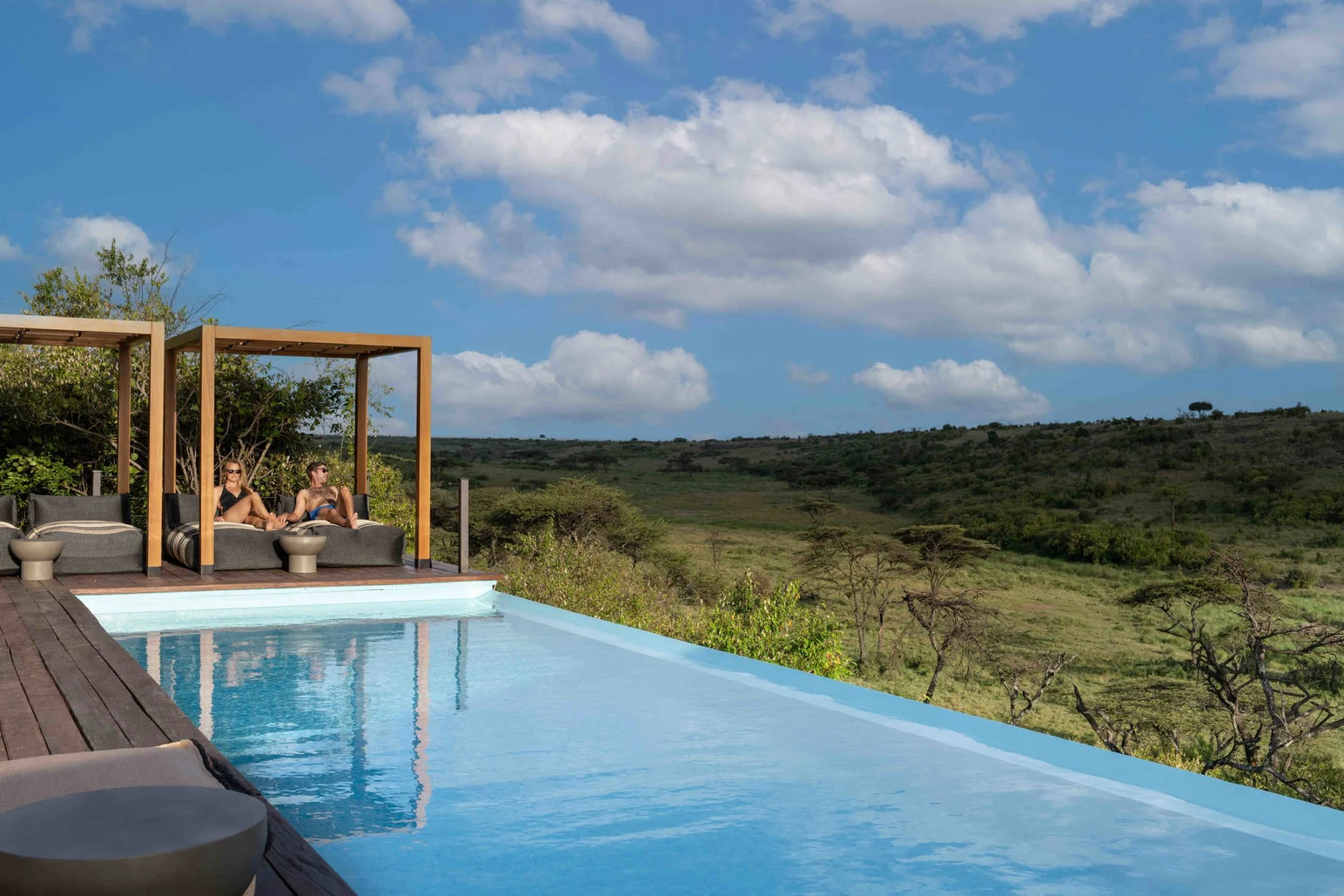
A beach finale works best when it is treated as part of the story rather than an afterthought. After the early starts, four to six nights on Zanzibar in a villa or on a private island gives you space to exhale. Our Zanzibar honeymoon guide explains which coast suits which couple.
The most memorable honeymoons are also grounded in place. A morning with a conservation team, a conversation with a Maasai guide, a coffee farm in the Ugandan foothills or a sunset dhow sail can add a dimension that no suite can. The test is simple: it should feel respectful, natural to the destination and chosen for your interests.
Let the details be handled before you arrive
Luxury on safari is the confidence that every flight, permit, dietary preference and celebration has been anticipated. Gorilla permits, small camps and peak-season dates should be secured 9 to 12 months ahead. Tell us the small things too: whether you like early mornings, how much privacy you want, favourite drinks, and whether a surprise would delight you or not.
Check entry requirements early through the official portals: Kenya requires an approved eTA, and mainland Tanzania and Zanzibar require mandatory inbound travel insurance. Our guide for travellers from the US covers flights and paperwork.
A Tanzania honeymoon, start to finish
Crowned in Love is our private Tanzania honeymoon: the Ngorongoro Crater, the northern Serengeti and a barefoot finish on the Indian Ocean.
Private guiding, three very different regions and time built in to rest. Shaped to your dates.
Planning a safari honeymoon, answered
How far ahead should we plan a safari honeymoon?
For June to October, the holidays and gorilla trekking, 9 to 12 months ahead. Other months can often be arranged with less notice, but the smallest camps fill first.
How much time do we need for a safari honeymoon?
Eight to 12 nights for a safari and beach honeymoon; 12 to 14 or more with a gorilla trek.
Where should we go on a safari honeymoon?
For the classic safari, Kenya’s Masai Mara or Tanzania’s Serengeti. For something rarer, a gorilla trek in Uganda or Rwanda. For the sea, Zanzibar. Most couples combine two or three of these.
Is a safari honeymoon tiring?
It can be if the itinerary moves too often. Three nights per camp, flights between regions and a beach stay at the end keep it relaxed.
Can we combine a safari with a beach honeymoon?
Yes. Zanzibar is a short flight from the Serengeti, Arusha or Nairobi, so the beach fits naturally at the end of a Tanzania or Kenya safari.
Tell us how you want it to feel, and we will plan the rest
Share your dates and what matters most to you. A Queen journey designer will reply personally with a route, the lodges and a written proposal with the exact price, and a private consultation, if you wish, by phone or Zoom. There is no obligation until you choose to reserve.
Plan My Journey Or call 602-816-8206Explore more: Honeymoon Safaris · Kenya Honeymoon · Zanzibar · Gorilla Trekking