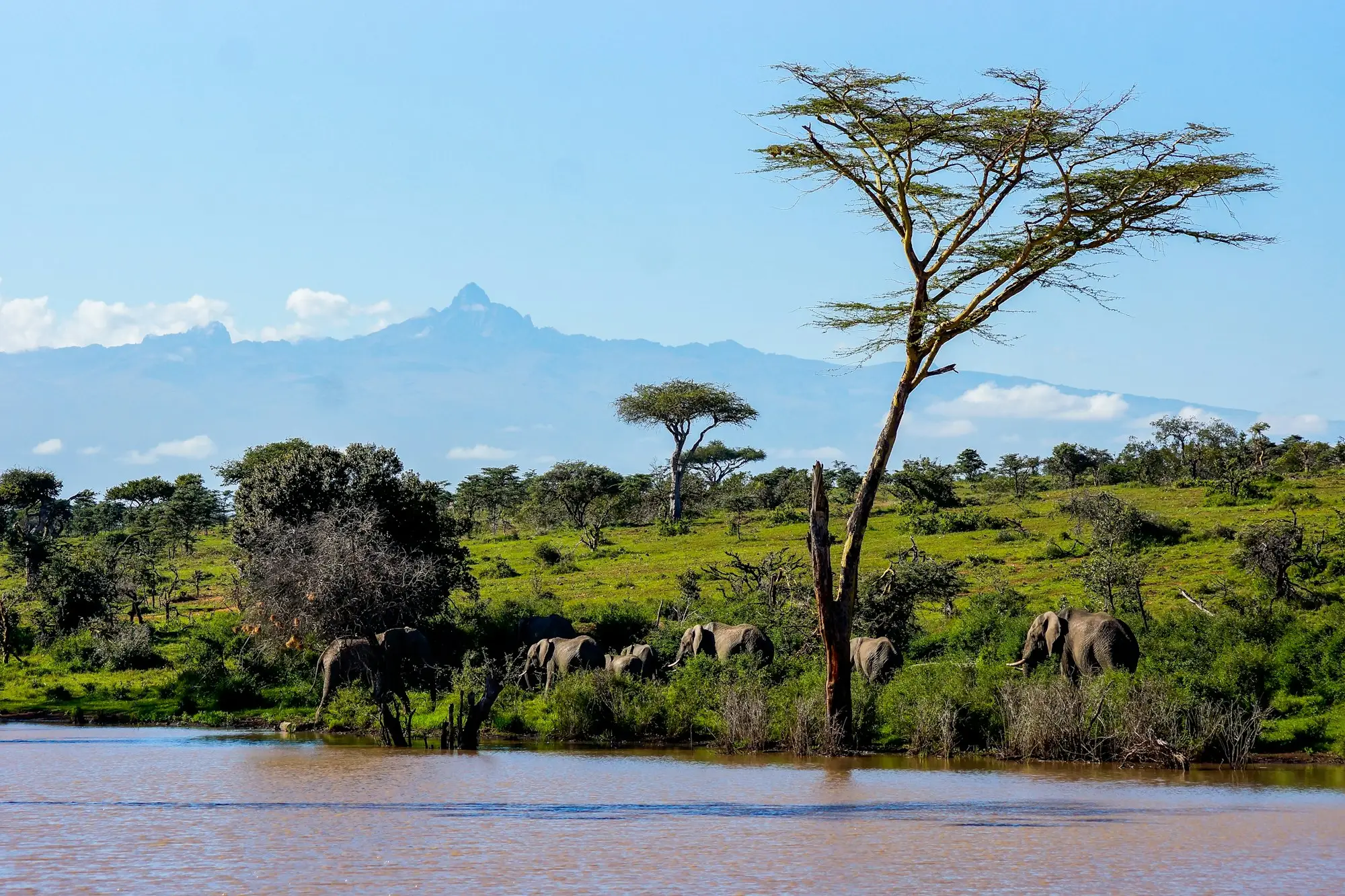
A family of elephants crossing the Laikipia plains in Kenya with Mount Kenya behind

Private Safaris · Kenya · Tanzania · Rwanda · Uganda

Big Five Safaris, privately yours.

Lion, leopard, elephant, rhino and buffalo, sought with your own guide, your own vehicle and all the time the wild asks for.

Big Five Safaris in East Africa

Come for five. Leave with far more.

Seeing all five comes down to three things: the right wildlife areas, a guide who can read the land, and the time to let the bush do its work. Tell us what you most want to see, and every day is designed around it.

Your first safari or your fifth. One elusive leopard still missing, or the five as the start of something larger: mountain gorillas, the Great Migration, a week on the Indian Ocean. You don’t need to know which park to choose. That part is ours.

5Icons to seek
4Countries
1Private guide & vehicle
100%Tailor-made
I

How We Travel

A Big Five safari on your terms.

The animals set the schedule. Everything else is arranged around you.

  • Your own vehicle and guideNo shared seats and no one else deciding when to move on. Stay with a leopard for an hour if she is worth an hour.
  • Conservancies, not crowdsWhere the country allows it, we favour private conservancies and quieter sectors, where sightings are shared by a handful of vehicles rather than dozens.
  • Time where it mattersMore nights where your missing animal is most likely, fewer on the road. Light aircraft between regions when it gives you back a day.
  • Rhino, planned properlyRhino locations and visitor access change, so we confirm them before your journey is finalised, not after you land.
  • Supported throughoutA dedicated Safari Director, supported by our planning and operations team, before, during and after your journey.
II

What Are the Big Five?

Lion. Leopard. Elephant. Rhino. Buffalo.

The name comes from the hunting era, when these five were considered the most difficult and dangerous animals to hunt on foot.

Today it means something else entirely. For wildlife travellers, the Big Five are five of the most sought-after encounters in Africa, and a well-planned safari gives you the time to watch them, not just tick them off.

  • LionAfrica’s great social cat.
  • LeopardSolitary, camouflaged and often elusive.
  • ElephantThe largest land animal on earth.
  • RhinocerosOne of Africa’s great conservation stories.
  • BuffaloPowerful, social and formidable.

Meet the Big Five

Five animals. Five very different encounters.

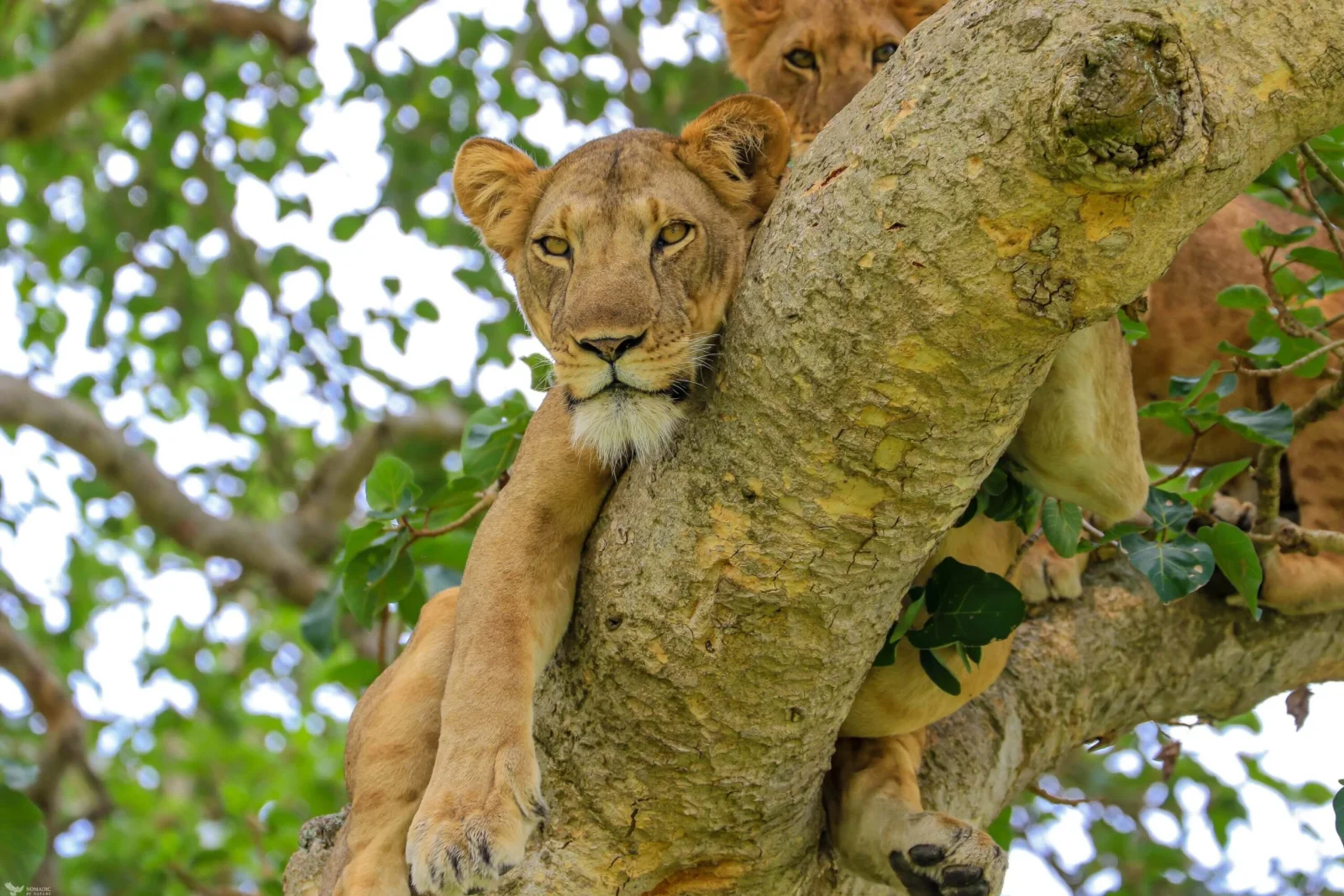
A lion resting in the branches of a fig tree in the Ishasha sector of Queen Elizabeth National Park, Uganda

Lion

The social cat

Lions are the only cats that live in prides: related females, their cubs, and one or more males, while other males roam alone or in coalitions.

You might find a pride asleep under an acacia, cubs wrestling, females greeting one another, or a male walking his boundary at first light.

Often they do almost nothing.Then everything changes in seconds.

Where: Serengeti, Maasai Mara, Ngorongoro, Ruaha, Queen Elizabeth, Murchison Falls, Kidepo Valley and Akagera. In Uganda’s Ishasha sector, lions are famous for resting high in fig trees.

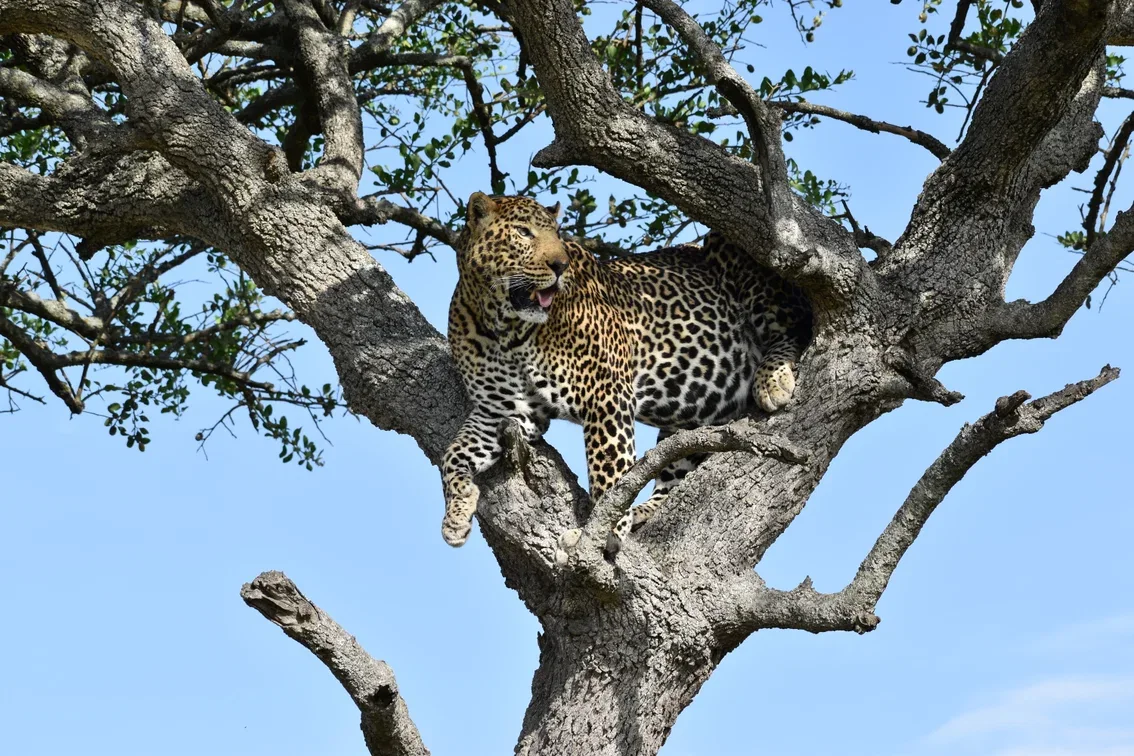
A leopard draped along a branch in the Maasai Mara, Kenya

Leopard

The one you may have to earn

Solitary, powerful and almost perfectly camouflaged, a leopard can vanish into cover a few metres from the road. This is where a great guide earns their reputation.

Fresh tracks in the sand.An alarm call from the trees.Baboons staring hard at one thicket.

Often the landscape tells your guide a leopard is close long before you see it. If leopard is high on your list, we choose areas known for them and give the search real time.

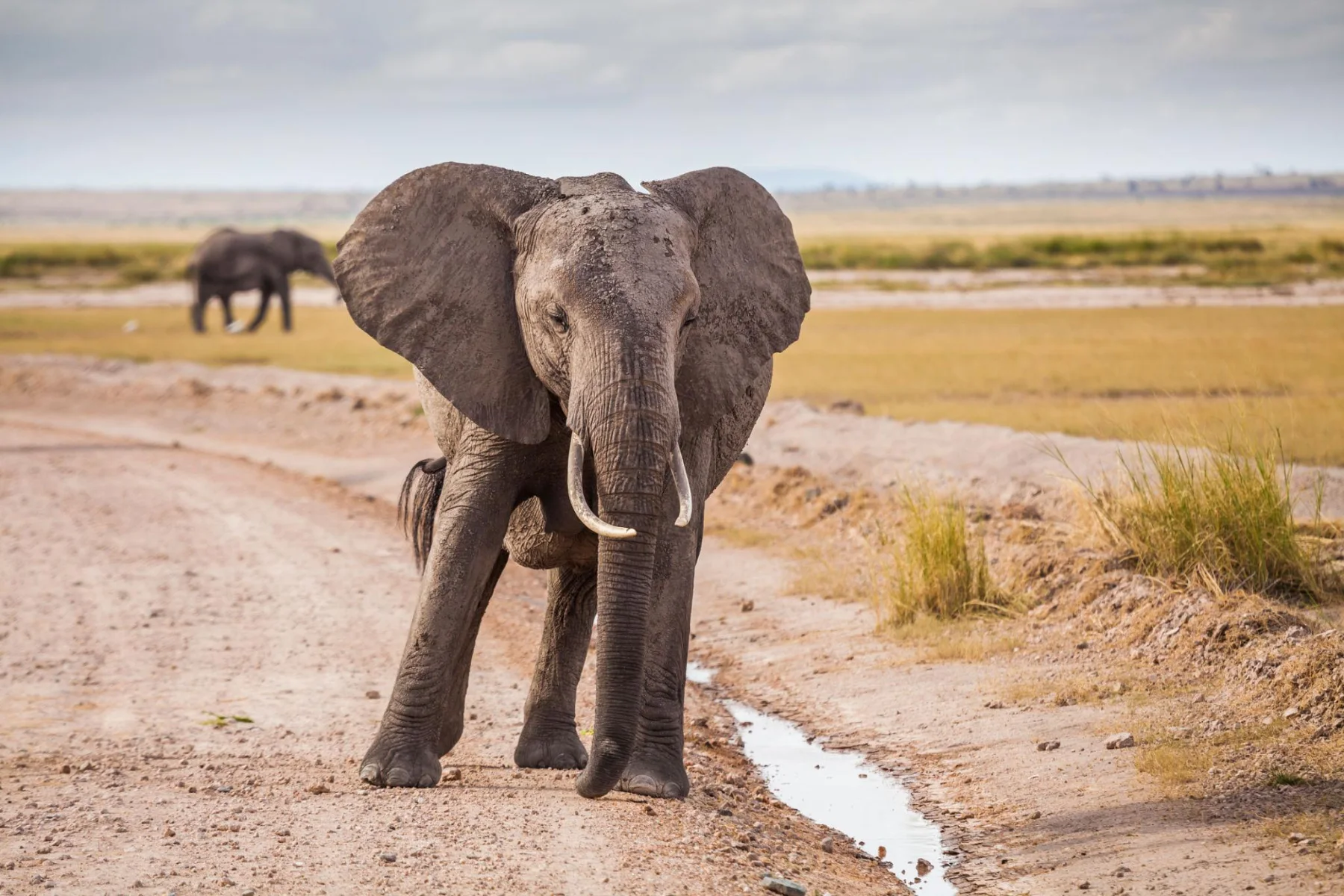
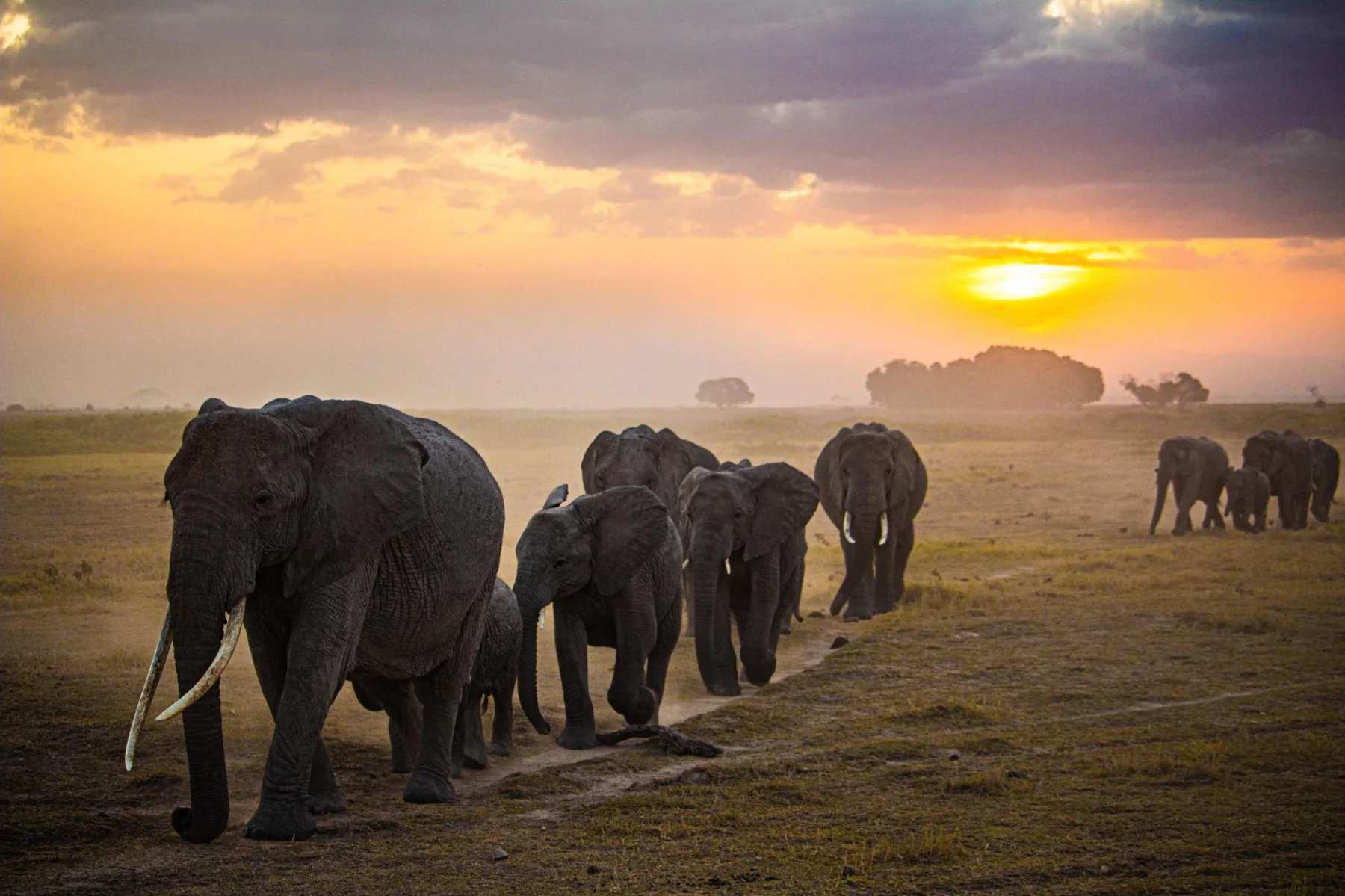
Elephants crossing Amboseli National Park, Kenya, in the evening light

African Elephant

Don’t just see them. Watch them.

Your first wild elephant is unforgettable. The real privilege is time: a family herd closing around a calf, two young bulls testing each other, a matriarch leading the way to water along routes her family has used for generations.

Where: Amboseli beneath Kilimanjaro, Tarangire among the baobabs, Laikipia, Murchison Falls, Queen Elizabeth and Kidepo, as well as Akagera, the Maasai Mara, Serengeti, Ruaha and Nyerere.

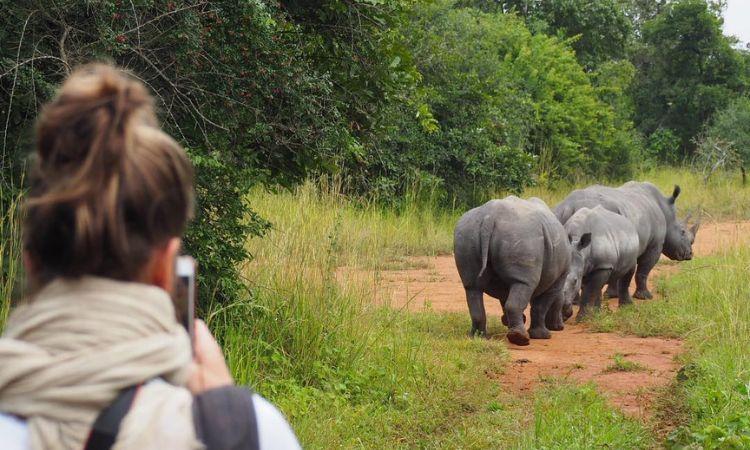
A southern white rhino grazing on foot-tracking at Ziwa Rhino Sanctuary, Uganda

Rhinoceros

The one that needs deliberate planning

Rhinos are not spread evenly across East Africa, so if you are determined to see one, the choice of destination matters more than for any other animal on the list. East Africa is home to both black and white rhino, depending on where you go.

Black rhino

A browser, feeding on leaves, shoots and woody plants with a pointed, hooked upper lip. Black rhino favour thicker cover and can be hard to find.

White rhino

A grazer, with a broad, square lip built for cropping grass. Usually seen in more open country.

Both, despite their names, are grey.

Kenya has several important rhino conservation landscapes. Tanzania’s Ngorongoro ecosystem matters especially for black rhino. Rwanda’s Akagera holds rhino alongside the other four.

Uganda’s story is one of recovery. After its wild rhinos were lost, Ziwa Rhino Sanctuary led the comeback, and you can track rhino there on foot with rangers. In 2026, southern white rhinos began returning to Kidepo Valley National Park.

Conservation programmes and visitor access change, so we confirm current rhino locations and rules when we design your journey.

Explore Ziwa Rhino Tracking →

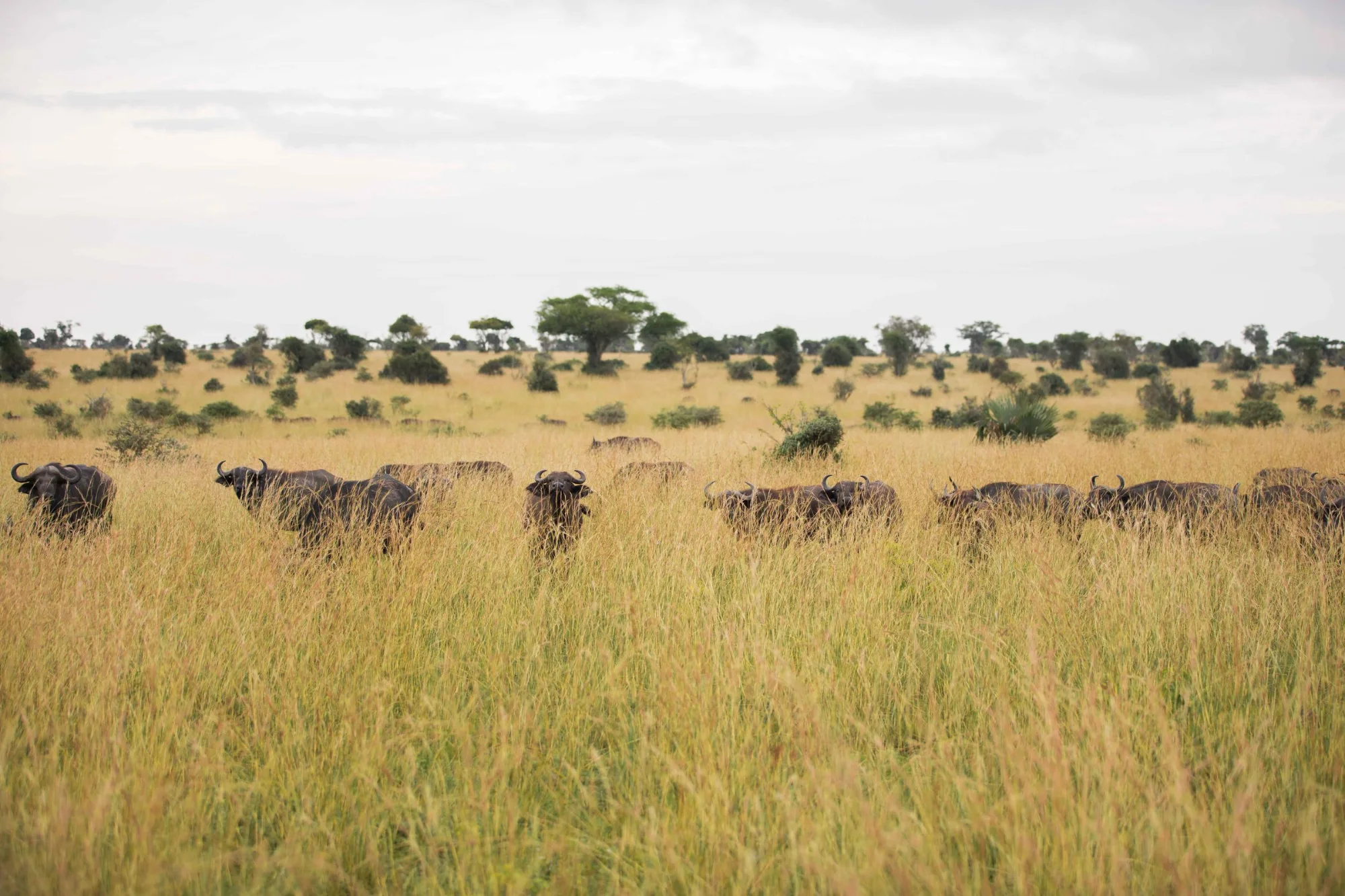
African buffalo in the grasslands of Queen Elizabeth National Park, Uganda

African Buffalo

Never underestimate the fifth

Buffalo get less attention before a first safari. Then you meet them.

A lone bull watching you from the grass.Hundreds moving toward water.Oxpeckers working along their backs.

Powerful, intensely social and found across most of East Africa’s great wildlife areas, buffalo are far more interesting than number five on a list.

Which Big Five Animal Is Hardest to See?

There is no universal answer. Two usually take the most planning.

Leopard

Solitary, elusive and extraordinarily well camouflaged. How hard depends on the area, the habitat, the season and luck, which is why we build real searching time into the itinerary.

Rhino

Found in fewer places, so your choice of destination matters enormously. Where rhino live often decides which wildlife areas belong in your journey before anything else is settled.

No honest operator can guarantee a wild sighting.

Lion, elephant and buffalo are seen more readily in many strong wildlife areas. All five are wild animals moving freely. What we can do is give you the right places, the right guides and enough time.

III

Where Can I See the Big Five?

Kenya, Tanzania, Rwanda and Uganda.

Not every park holds all five, and even where they all occur, the experience can be completely different. The right country depends on what you want beyond the five.

CountryLionLeopardElephantRhinoBuffalo
Kenya
Tanzania
Rwanda
Uganda
Found in this country Indicative only. No wild sighting can be guaranteed.

All five are found in all four countries. Rhino live in fewer, protected places in each, so where they are often shapes your itinerary. In Uganda, that means Ziwa Rhino Sanctuary and, since 2026, Kidepo Valley.

Four Countries

The same five animals. Four very different journeys.

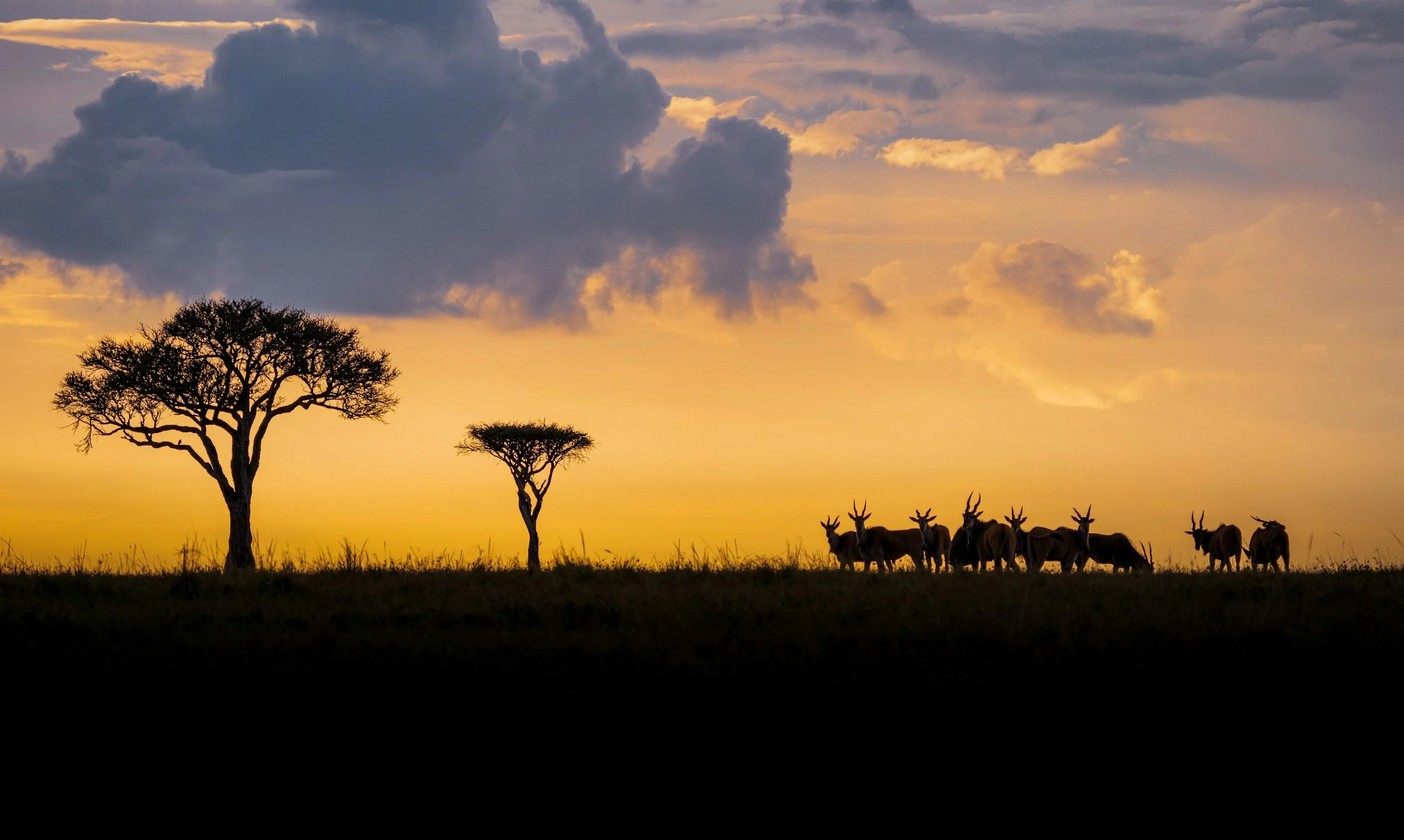
Dusk over the Maasai Mara, Kenya

Kenya

Exceptional wildlife, exceptional choice

The Maasai Mara and its private conservancies are some of the finest predator country in Africa. Laikipia adds serious rhino conservation alongside elephant, lion, leopard and buffalo, and select conservancies offer walking and night drives beyond the usual game drive.

Strong for first Big Five safaris, predators, rhino, private conservancies, photography and families.
Elephants among baobab trees in Tarangire National Park, Tanzania

Tanzania

Big wildlife, vast landscapes

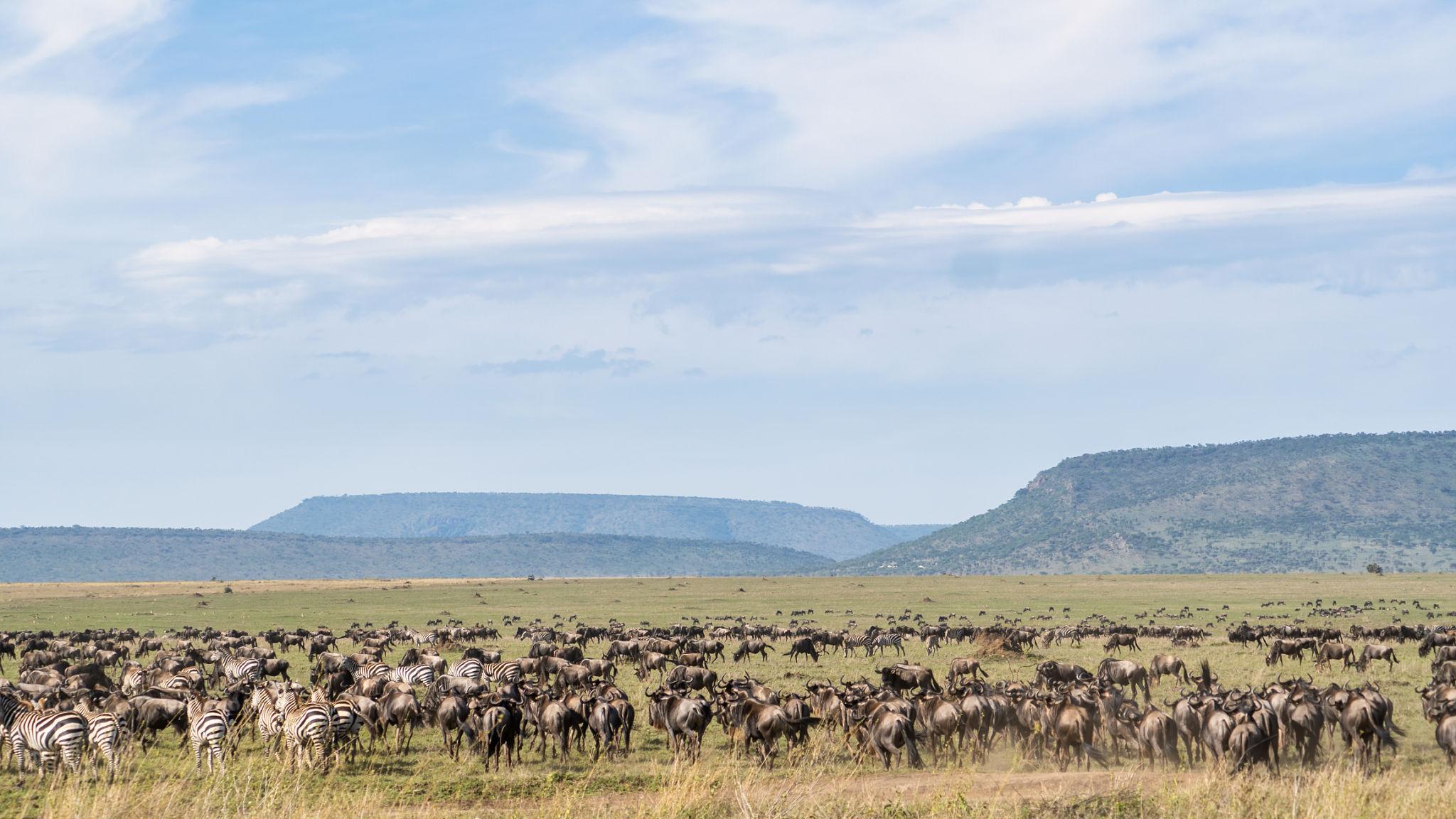
The Serengeti delivers predators and plains game on an immense scale. Ngorongoro adds another dimension, and matters especially for black rhino. Tarangire and other regions join the route by season and interest, and if the Great Migration matters as much as the five, we plan for both.

Strong for the Serengeti, Ngorongoro, black rhino, the Great Migration and photography.

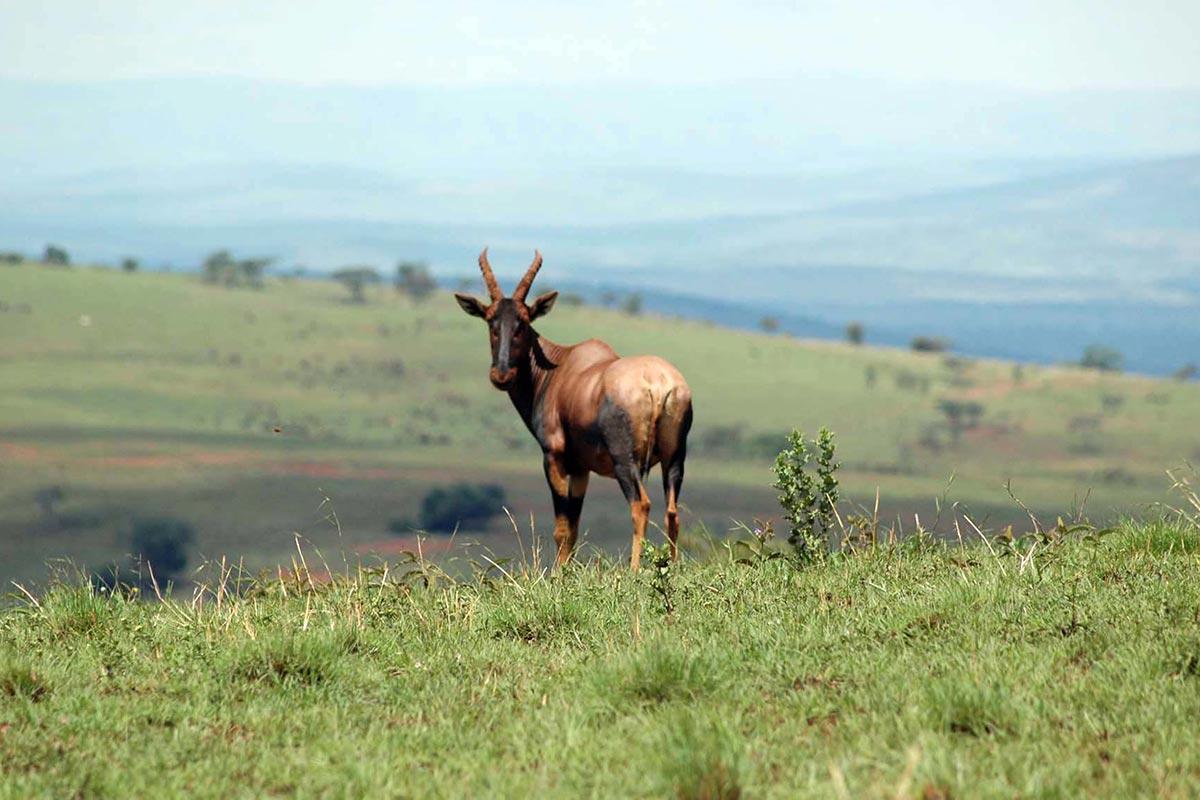
Antelope on the open plains of Akagera National Park, Rwanda

Rwanda

All five in Akagera

Thanks to years of restoration, Akagera National Park is home to lion, leopard, elephant, rhino and buffalo, across savannah, woodland, lakes and wetland. Game drives by day, a boat on Lake Ihema, and night drives where available. Then chimpanzees in Nyungwe and mountain gorillas in Volcanoes, all in one compact country.

Strong for the Big Five with gorillas or chimpanzees, and short, seamless luxury journeys.

Elephants beside a game-drive vehicle in Queen Elizabeth National Park, Uganda

Uganda

The five, and so much more

Lion, leopard, elephant and buffalo roam Uganda’s savannah parks, rhino are tracked on foot at Ziwa, and in 2026 rhino began returning to Kidepo. Then come mountain gorillas, chimpanzees, the Nile at Murchison Falls and some of the richest birdlife in Africa.

Strong for the Big Five with gorillas or chimpanzees, rhino tracking on foot, boat safaris and extraordinary variety.

Which Country Is Best for a Big Five Safari?

It depends on what you want after number five.

  • Choose Kenya

    for exceptional predators, important rhino areas, private conservancies and the widest choice of luxury camps.

  • Choose Tanzania

    for the Serengeti, Ngorongoro, enormous landscapes and the chance to pair the Big Five with the Great Migration.

  • Choose Rwanda

    to seek all five in Akagera, then continue to mountain gorillas and chimpanzees.

  • Choose Uganda

    to make the Big Five part of something broader: gorillas, chimpanzees, the Nile and a rhino comeback story.

Or choose two.

With ten days or more, two countries in one journey is often the strongest answer of all.

IV

The Queen Private Collection

Two journeys at the very top of the range.

Already designed, fully private and built around the finest camps in each country. Use either as it stands, or as the starting point for your own.

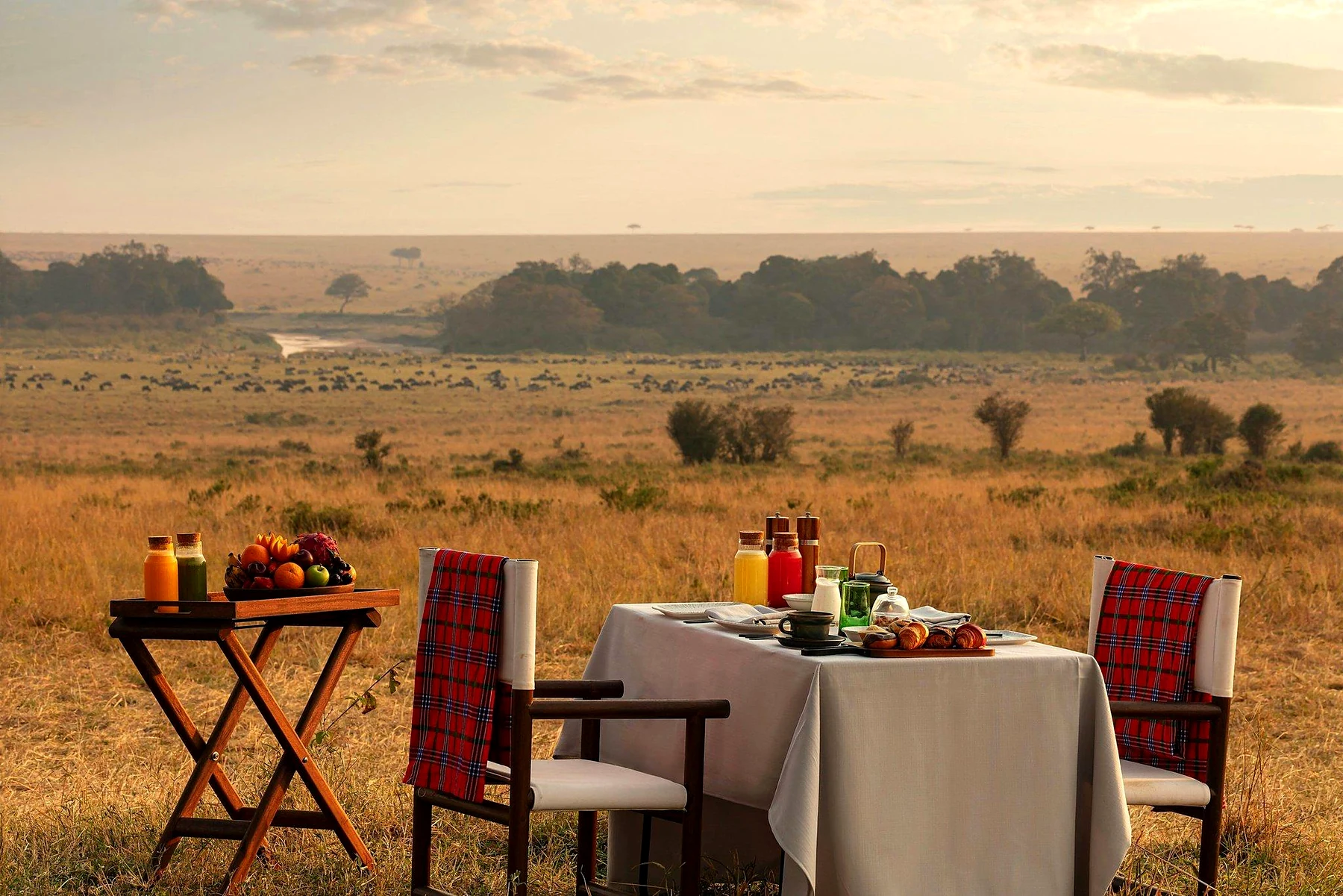
Breakfast overlooking the Maasai Mara during the migration, Kenya

Kenya · 10 days · Private

The Royal Kenya

Giraffe Manor, Nairobi · Segera, Laikipia, with a private helicopter · The Ritz-Carlton Masai Mara Safari Camp

Laikipia’s conservation country for elephant and rhino, then the Mara for big cats, with the helicopter turning long transfers into some of the best hours of the trip.

Price on requestper person sharing
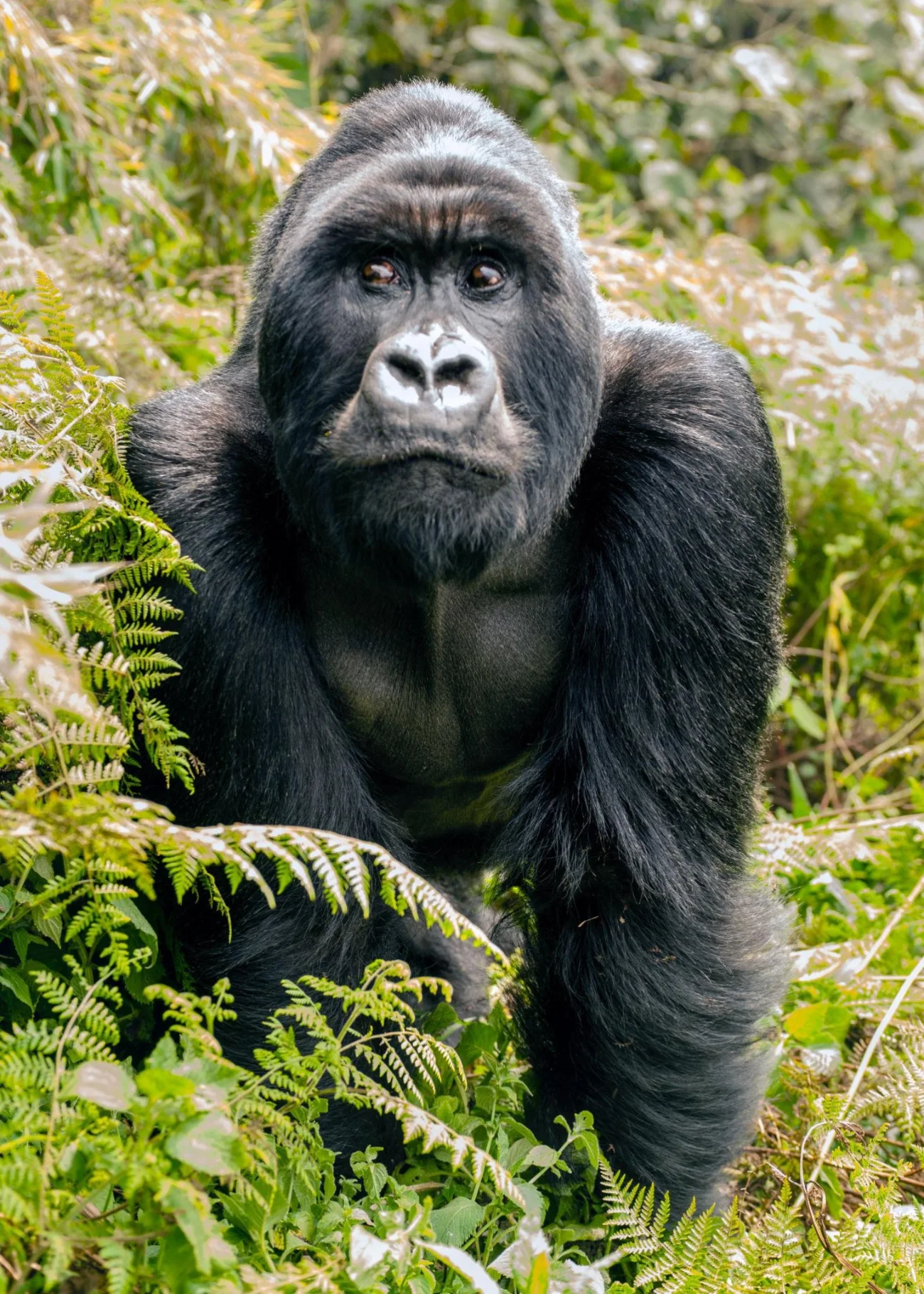
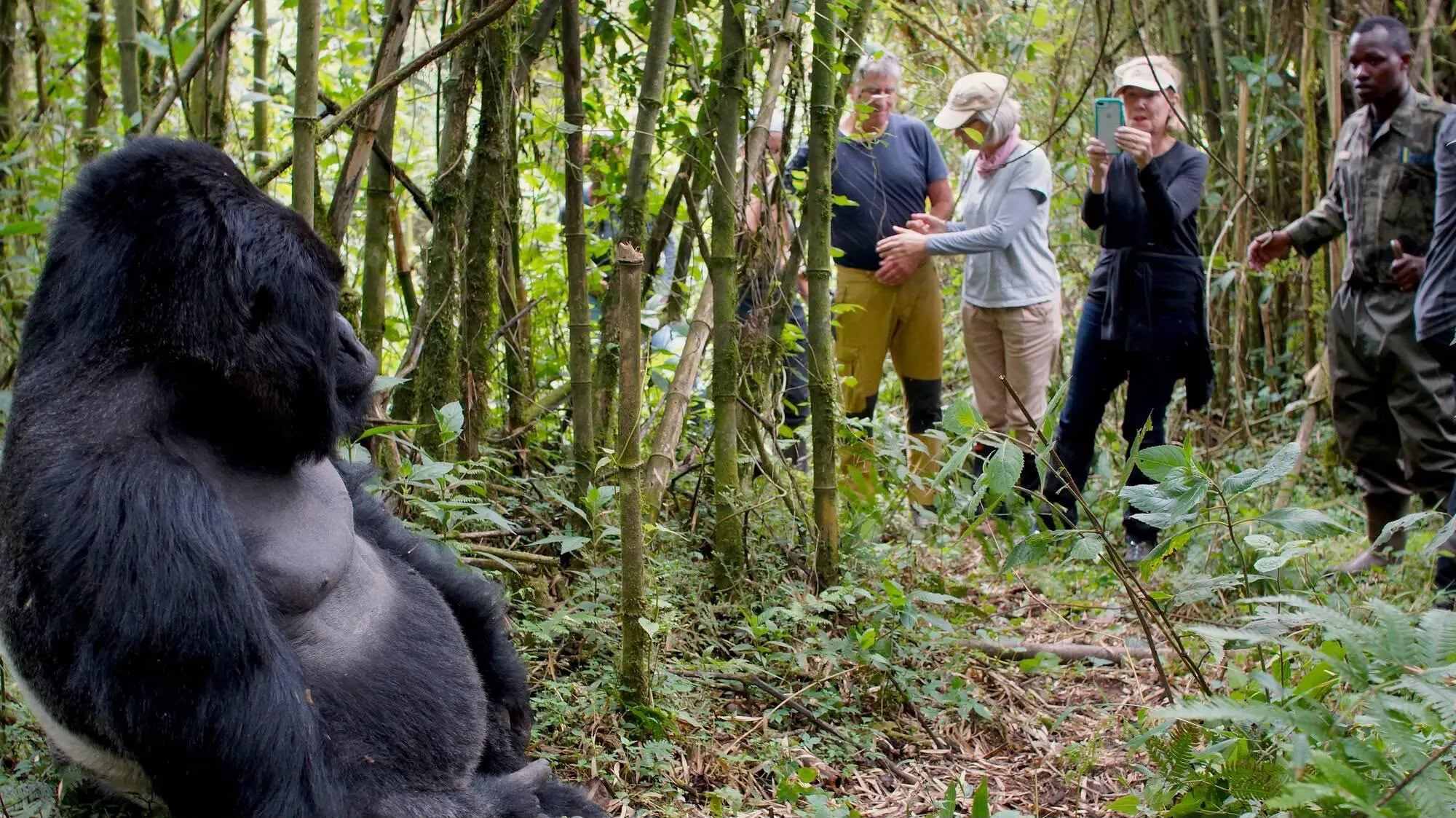
A silverback mountain gorilla in Bwindi Impenetrable Forest, Uganda

Uganda · 10 days · Private

The Royal Uganda

Entebbe · Murchison Falls · Queen Elizabeth · Bwindi

Lion, leopard, elephant and buffalo along the Nile and across Queen Elizabeth, then the hour of a lifetime with mountain gorillas in Bwindi. Rhino tracking at Ziwa can be added on the way north.

Price on requestper person sharing

Signature moments, arranged on request

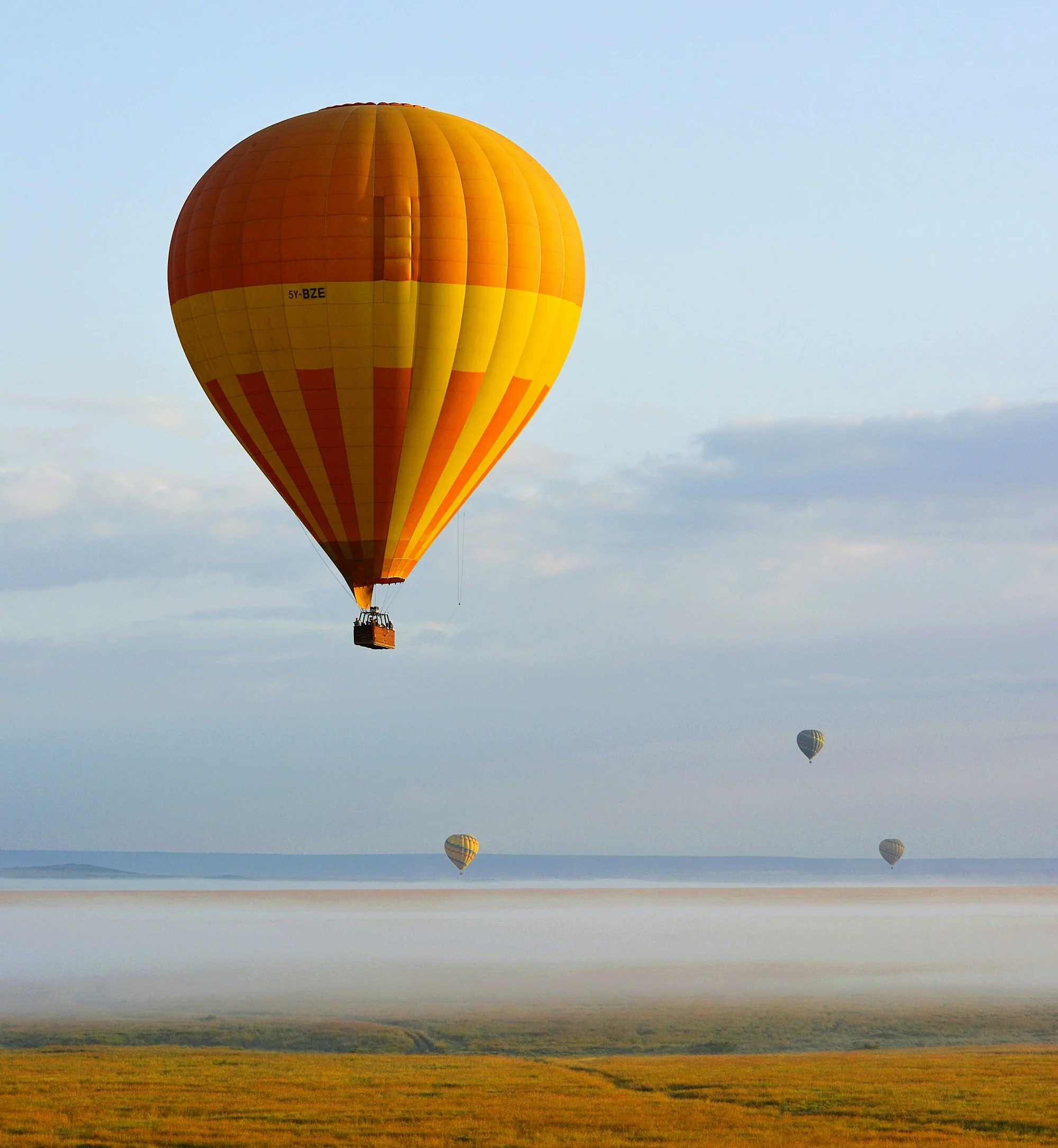
  • A balloon over the SerengetiLift off before sunrise, drift above the herds, land to a champagne bush breakfast. US$600 per person.
  • Helicopter, not highwayPrivate helicopter time in Laikipia is part of The Royal Kenya. Elsewhere, light aircraft link the great wildlife areas.
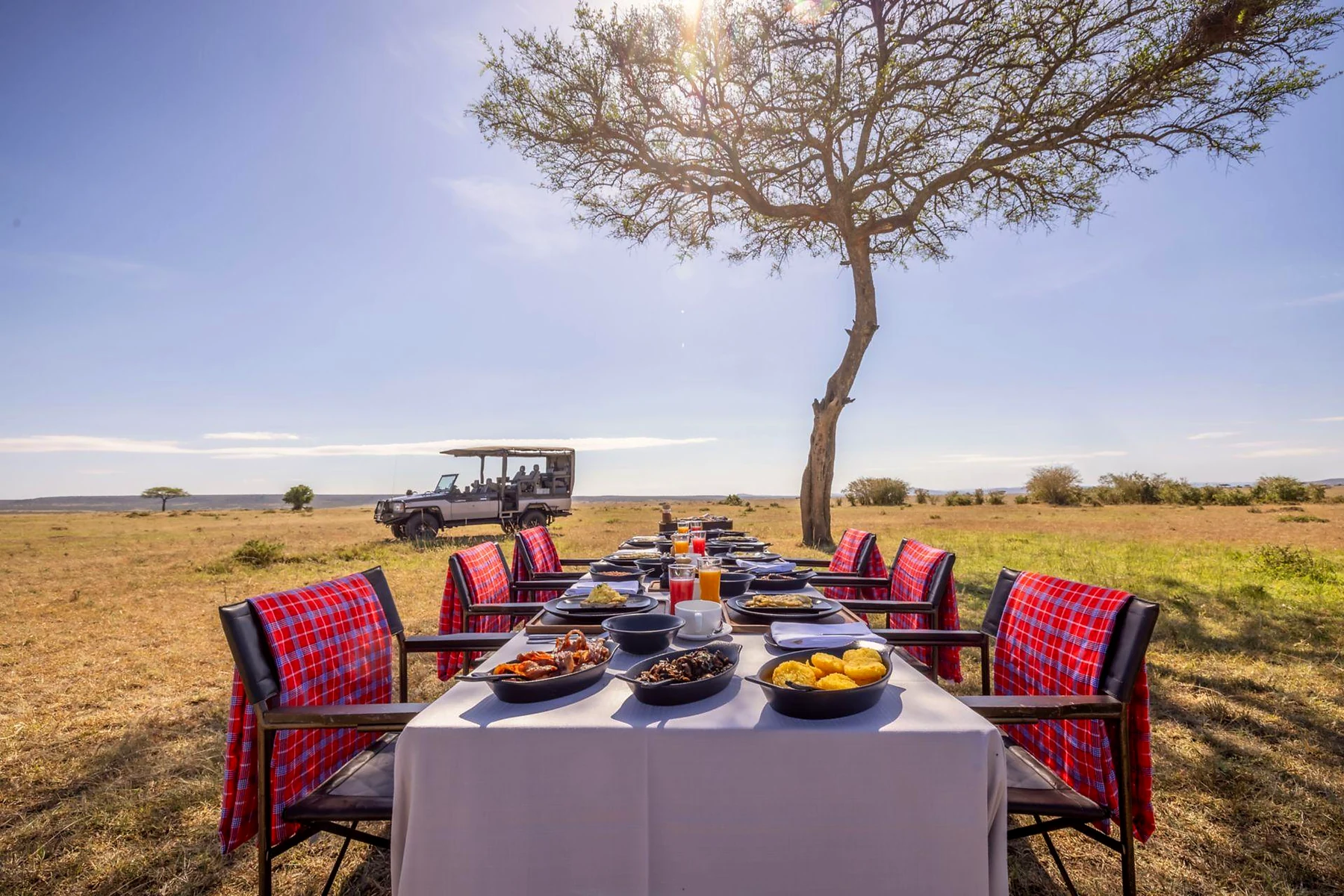
  • Dinner where the day endedA private table in the bush, lanterns in the grass and the night sounds all around.
  • On foot and after darkGuided walks and night drives in the conservancies that allow them.
  • Your own photographerA safari photographer for your party, so no one has to choose between watching and recording.

Prices are per person sharing and vary by season and camp availability. The finest camps hold very few rooms, so the earlier we begin, the more of them remain open to you.

V

How Many Days Do I Need?

Give the safari enough time.

Can you see all five in a day? Occasionally. A lucky traveller may meet them all in a short stay, while another spends three days on one leopard. These are wild animals, and nobody keeps an appointment book.

Most encounters come on guided game drives, and the best guides read tracks, alarm calls, water and weather. A lion pride may be easy to find. A leopard may take hours. Time is the luxury that makes the difference.

  • 3–4 daysA focused safari in one carefully chosen area. Possible, though never guaranteed.
  • 5–7 daysOur usual recommendation when all five matter and you want to enjoy everything else too.
  • 7–10 daysTwo or more wildlife areas, or the Big Five with gorillas, chimpanzees or the Migration.
  • 10–14+ daysA deeper East Africa journey across several ecosystems or countries.

The aim isn’t two weeks of looking for five animals. It’s an extraordinary safari in which the five are part of something much bigger.

More Than the Five

Build the journey around the search.

You have come a long way. The journey doesn’t need to end with five animals.

Travellers watching mountain gorillas in Bwindi Impenetrable Forest, Uganda

Big Five and gorillas

Akagera then Volcanoes in Rwanda; the savannah parks, Ziwa and Bwindi in Uganda; or Kenya or Tanzania first, then a short flight to the gorillas.

Gorilla Trekking →
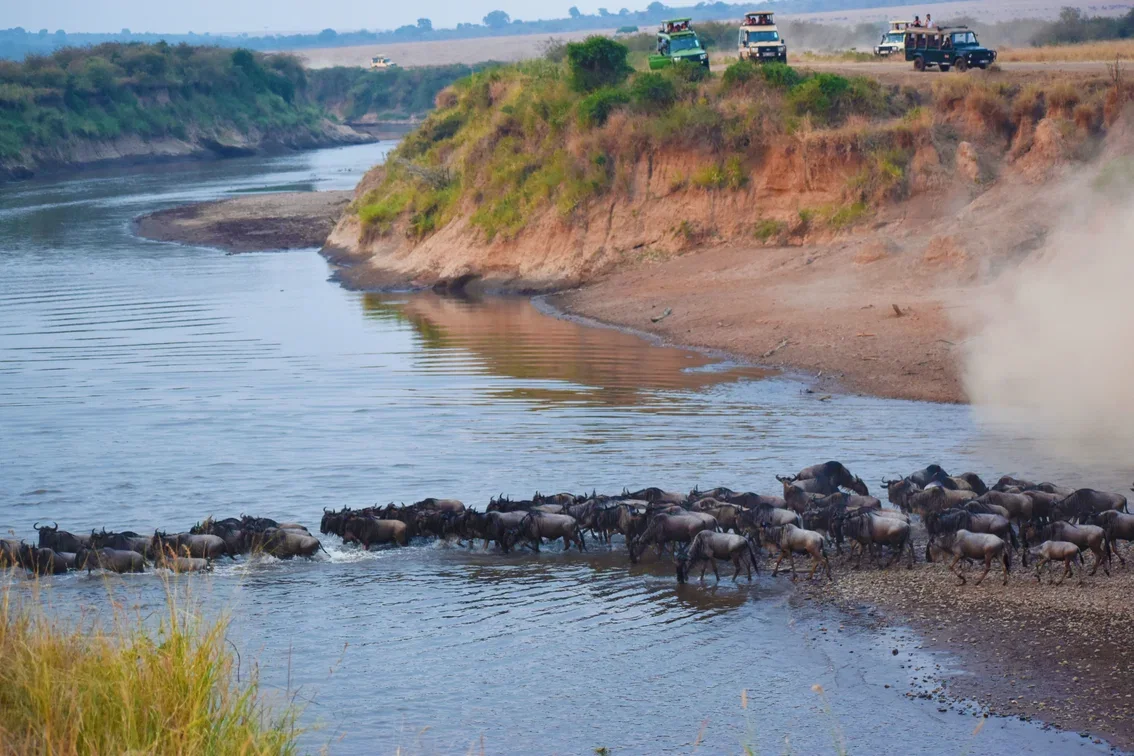
Wildebeest crossing the Mara River during the Great Migration, Kenya

Big Five and the Migration

Kenya and Tanzania shine here. The herds move through the year, so we plan timing and routing to serve both goals, not just one.

Great Migration →
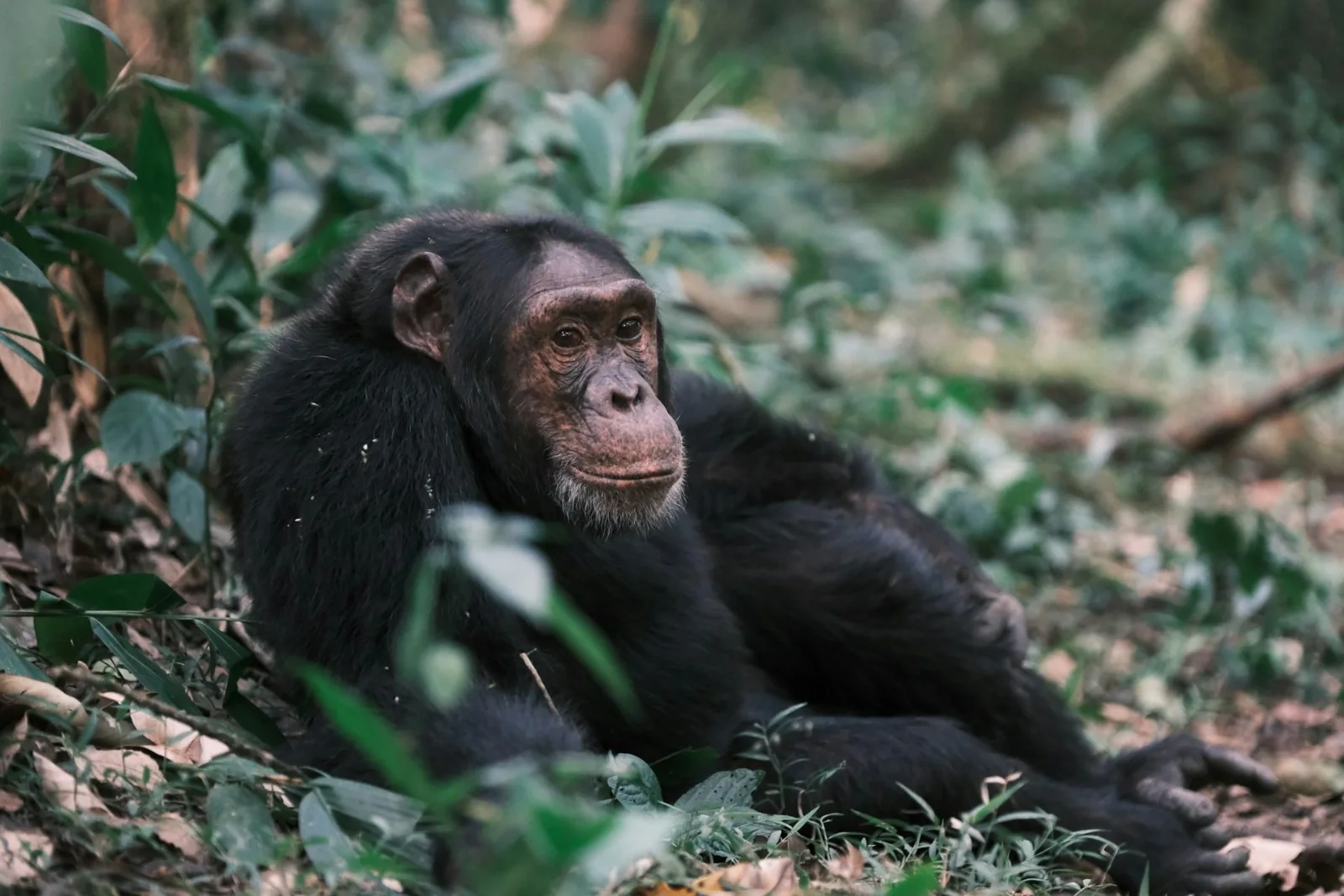
A chimpanzee in Kibale Forest National Park, Uganda

Big Five and chimpanzees

Leave the plains for the forest. Uganda and Rwanda pair classic safari wildlife with chimpanzee trekking in one journey.

Chimpanzee Tracking →
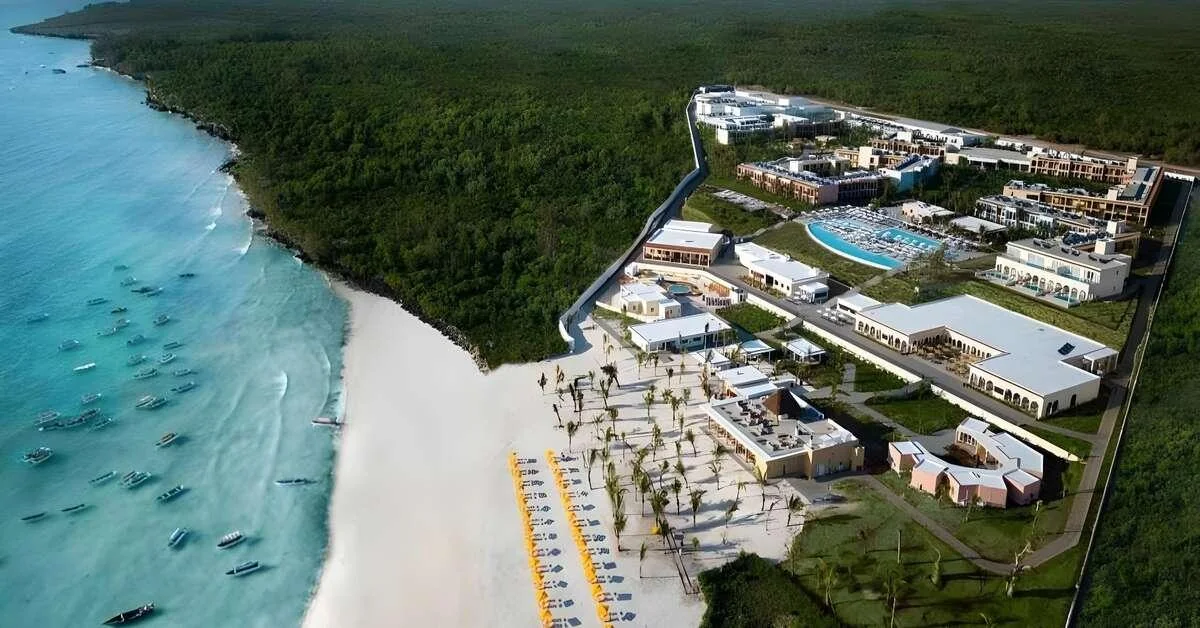
Aerial view of a Zanzibar beach and the Indian Ocean

Big Five and Zanzibar

After the early mornings, the Indian Ocean. Zanzibar follows a Tanzania or Kenya safari beautifully.

Zanzibar →

When to Go

When is the best time for a Big Five safari?

There is no single best month

It depends on the country and on what else you want. If your journey also includes the Migration, gorillas, chimpanzees or Zanzibar, those seasons count too.

Tell us what matters most and we will recommend where and when.

What the seasons change

  • Dry months can concentrate wildlife around permanent water in some ecosystems.
  • Green seasons bring dramatic skies, newborn animals, superb birdlife and fewer vehicles in places.
  • Predators are present all year.
  • Rhino opportunities depend far more on destination than on month.
VI

The Queen of East Africa Approach

Tell us what matters. We take it from there.

You don’t need to arrive knowing every park, reserve and conservancy. Just tell us what you want.

All five? Leopard above all? Elephants? Gorillas too? The Migration? Zanzibar afterwards? Photography? Complete privacy? A first family safari?

Then we weigh the season, wildlife areas, camps, guides, vehicles, flights and pace to bring it together.

No unnecessary rushing.No famous park added just because everyone goes.No standard itinerary dressed up as tailor-made.

What Happens After I Inquire?

From five names to one extraordinary journey.

  1. 01

    Tell us

    Your dates, who is travelling, and whether seeing all five is a priority.

  2. 02

    Tell us what else

    Gorillas, the Migration, photography, family, private conservancies, Zanzibar, or simply exceptional wildlife.

  3. 03

    We recommend

    The country, or combination of countries, that best fits your priorities.

  4. 04

    We design

    Wildlife areas, camps, private game drives, guides, transfers and flights, with time to enjoy them.

  5. 05

    You travel

    Everything around the safari is taken care of. Now the search begins.

01How much does a Big Five safari cost?

It depends on the destination, season, number of nights, camps, private vehicles, flights, park and conservancy fees, group size and any additional experiences. A short safari in one area is very different from a two-week private journey combining the Big Five, gorillas and Zanzibar.

Our Private Collection journeys are priced on request. Tell us how you want to travel and we will prepare a proposal written for you.

Request my tailored proposal →
02Can I see all five on one safari?

Yes, with the right destinations and enough time, although no individual sighting can be guaranteed. If completing the Big Five matters to you, tell us at the start and we will plan the route around it.

Plan My Big Five Safari →
03Is a Big Five sighting guaranteed?

No. These are wild animals moving freely through natural ecosystems. Excellent guiding, the right destinations and enough time improve your chances considerably. Nature decides the rest.

04Which country is best for a Big Five safari?

All four hold the Big Five. Kenya for predators and private conservancies, Tanzania for the Serengeti and Ngorongoro, Rwanda for all five in Akagera before the gorillas, Uganda for the five alongside gorillas, chimpanzees and the Nile. With ten days or more, two countries is often the strongest answer.

Compare the four countries →
05How many days do I need?

Five to seven days is our usual recommendation when all five matter. Seven to ten lets you add a second wildlife area, gorillas or the Migration. Ten to fourteen or more becomes a deeper East Africa journey.

See how the days work →
06Is a private Big Five safari worth it?

For travellers who value privacy, flexibility, photography or a particular animal, yes. Your own vehicle and guide mean you decide how long to stay at each sighting and what the day is built around.

07Which Big Five animal is hardest to see?

Leopard is often the most elusive, because it is solitary and superbly camouflaged. Rhino live in fewer, protected places, so where you go matters. The answer varies by destination.

08Why are they called the Big Five?

The term comes from the hunting era, when lion, leopard, elephant, rhino and African buffalo were considered the most difficult and dangerous animals to hunt on foot. Today it belongs to wildlife viewing and photographic safaris.

09Which animals are the Big Five?

Lion, leopard, African elephant, rhinoceros and African buffalo.

10Are cheetahs, giraffes or hippos part of the Big Five?

No, though a cheetah on the hunt, giraffe at sunset or hippos in the Kazinga Channel can easily become highlights of your safari.

11What is the difference between black and white rhinos?

Both are grey. White rhinos have broad, square lips for grazing grass; black rhinos have a pointed, hooked upper lip for browsing leaves and woody plants. They also differ in behaviour, habitat and distribution.

12Can I see the Big Five in Kenya?

Yes. Kenya offers strong Big Five opportunities, especially when the itinerary combines the Maasai Mara conservancies with Laikipia.

Explore Kenya →
13Can I see the Big Five in Tanzania?

Yes. The Serengeti and the Ngorongoro ecosystem offer excellent Big Five opportunities, with Ngorongoro especially important for black rhino.

Explore Tanzania →
14Can I see the Big Five in Rwanda?

Yes. Akagera National Park is home to lion, leopard, elephant, rhino and buffalo.

Explore Rwanda →
15Can I see the Big Five in Uganda?

Yes. Lion, leopard, elephant and buffalo live in Uganda’s savannah parks, rhino are tracked on foot at Ziwa Rhino Sanctuary, and since 2026 rhino have been returning to Kidepo Valley National Park.

Explore Ziwa Rhino Tracking →
16Can children go on a Big Five safari?

Yes. We plan around your children’s ages and interests, drive lengths, camp age policies, activity rules and downtime.

Family safaris →
17Is a Big Five safari good for photographers?

Very. A private vehicle gives you control of positioning, light and how long you stay at a sighting. Wildlife welfare always comes first.

Five Animals May Start the Journey

Africa will give you far more to remember.

Come looking for lion, leopard, elephant, rhino and buffalo. Stay curious about everything else.

Whichever country you choose, the journey is designed around you: the wildlife areas, the guides, the pace, and the time you are given simply to watch.

Speak with us directly: +1 602-816-8206

Kenya · Tanzania · Rwanda · UgandaPrivate, tailor-made Big Five safaris