
Planning a luxury safari from USA to East Africa is more than booking a flight. Between long-haul routes, visas, health prep, and remote bush lodges, the details you handle now decide if your trip feels effortless or stressful.
US travellers who prepare early skip the paperwork panic and land ready for wildlife, culture, and five-star comfort.
The distances are vast, the itinerary choices are genuinely overwhelming, and the difference between a good trip and an extraordinary one comes down entirely to how you prepare.
This guide cuts through the noise. You will find specific guidance on timing, budgeting, itinerary design, health considerations for 2026, and the kind of insider knowledge that separates a curated, soul-stirring safari from an expensive disappointment. Ready to start?
Request Your Custom East Africa Luxury Safari Quote
Table of Contents
Key Takeaways for Your Luxury Safari from USA to East Africa
| Planning Tip | Why It Matters for US Travellers |
|---|---|
| Book 9-12 months ahead | Top luxury lodges and private conservancies sell out fast, especially during the Great Migration season from July to October. Early booking locks in the best camps and flight connections from the USA. |
| Choose 2-3 destinations max | Fewer stops mean deeper experiences. Limiting your luxury safari from USA to East Africa to 2-3 parks like Serengeti, Maasai Mara, or Bwindi gives you richer wildlife encounters vs. rushing across 5 countries. |
| Budget realistically for luxury | Premium Kenya and Tanzania safari pricing starts at $800 per person per night. Top tented camps and lodges can exceed $2,500 per night during peak season. Include international flights from the USA in your total. |
| Handle health requirements early | U.S. travellers need yellow fever vaccination proof for entry and malaria prophylaxis and should check CDC advisories for the DRC and Uganda border regions. Start this 8-10 weeks before departure. |
| Get comprehensive travel insurance | Confirm your policy covers medical evacuation, trip cancellation, and all itinerary locations, including border crossings. Protect your investment on a high-value luxury safari from USA to East Africa. |
Essential Entry Requirements for a Luxury Safari from USA to East Africa
Before you reserve a lodge or book flights from the USA, the groundwork you do now determines how seamless your trip feels later. East Africa’s entry rules vary by country, and luxury itineraries often cross 2-3 borders in one trip.
A luxury safari from USA to East Africa involves long-haul flights, multiple entry requirements, and remote destinations. Prepared travelers avoid last-minute stress and arrive ready to focus on wildlife, culture, and the experience.
Kenya eTA, Uganda e-Visa, Tanzania Visa, and the East Africa Tourist Visa Explained
- Kenya eTA: Apply online at least 72 hours before departure. Required for all U.S. passport holders.
- Uganda e-Visa: Single-entry, 3-month validity. Must be printed and presented on arrival.
- Tanzania Visa: E-visa or visa on arrival is available, but the e-visa is faster for luxury arrivals.
- East Africa Tourist Visa: $100 for Kenya, Uganda & Rwanda. This is the best value for multi-country luxury safaris from the USA to East Africa. One visa covers all three countries for 90 days.
Pro Tip: Rwanda gorilla trekking permits are $1,500 per person and sell out 6-12 months in advance. Book only through licensed operators to secure your dates. Check Gorilla Permit Availability for 2026 →
Health, Safety, and Travel Readiness for East Africa in 2026
Luxury travel means peace of mind. East Africa is open and welcoming to U.S. visitors, with standard travel health protocols in place.
What U.S. Travelers Should Know About Health and Vaccinations
Kenya, Tanzania, and Rwanda currently have no confirmed Ebola cases and maintain enhanced screening at major airports and borders. The U.S. Embassy in Kigali recommends that travellers monitor for Ebola symptoms for 21 days after visiting affected DRC or Ugandan border areas and continue ongoing malaria prophylaxis in most safari regions.
For a smooth trip, consult your travel medicine physician at least 8 weeks before departure to obtain a yellow fever vaccination, routine vaccinations, and antimalarial prescriptions. Download Our Free East Africa Safari Health Checklist →
Best Time for a Luxury Safari from USA to East Africa: Weather and Wildlife Seasons
Timing is everything on an East Africa luxury safari. The region’s wildlife calendar changes by country, so your travel dates decide what you see, how busy it is, and what you pay.
Dry Season vs Green Season: When to Travel from the USA to East Africa
Dry Season, June to October: This is peak safari season. Expect unmatched game viewing, dramatic river crossings in Kenya’s Masai Mara, and easier access for Rwanda and Uganda gorilla trekking.
Green Season, November to May: Think lush scenery, fewer crowds, newborn animals, and lower luxury lodge rates across Kenya, Tanzania, and Uganda.
Match Your Safari Dates to Key Wildlife Events
East Africa is not a one-season destination.
- The Great Migration: Kenya’s Masai Mara peaks from July to October, when the Mara River crossings are most dramatic.
- Calving Season: Tanzania’s Serengeti is at its best January through March, with thousands of wildebeest calves.
- Gorilla and Chimpanzee Trekking: Rwanda and Uganda offer year-round treks, but June to September and December to February have drier trails and better forest access.
Your ideal month depends on your priority: the Migration, chimpanzees in Uganda, or private gorilla treks in Rwanda.
How Much Does a Luxury Safari from USA to East Africa Cost in 2026?
A luxury safari from the USA to East Africa is a premium experience, and budgeting early prevents surprises. Most costs are all-inclusive, but a few extras add up fast.
Realistic Luxury Safari Budget Breakdown for U.S. Travelers
Luxury Lodges & Camps: Kenya rates range from $800 to $2,500+ per person per night. This typically includes gourmet meals, house wines, conservancy fees, laundry, and two guided game drives daily.
- Signature Experiences: Hot air balloon safaris over the Masai Mara average $450-$500 + $50 landing fee.
- Gorilla Trekking: Rwanda permits are $1,500 per person and must be booked months ahead.
- International Flights: Business class from major U.S. hubs to Nairobi or Kigali typically runs $1,800 to $3,500.
- Trip Buffer: Add 15% for park fees, guide/driver tips, and incidentals.
Pro Tip: Multi-country trips using the East Africa Tourist Visa often deliver better value than single-country bookings. Request a No-Obligation Luxury Safari Quote →
Designing an Immersive Luxury Itinerary: Less Transit, More Experience
The biggest mistake on a luxury safari from USA to East Africa is treating the region like a checklist.
Why 3 Countries in 10 Days Ruins a Luxury Safari
Five countries in ten days looks impressive on paper. In reality, it means half your trip is spent in airports and transfer vehicles. You arrive at each lodge just as you are settling in, then leave before the wildlife, culture, and quiet moments create real memories. Luxury is time.
A well-designed itinerary focuses on 2-3 regions max. That gives you private game drives, sundowners in the bush, and time to acclimatise – the difference between a trip and a trip of a lifetime. Talk to an East Africa Safari Designer
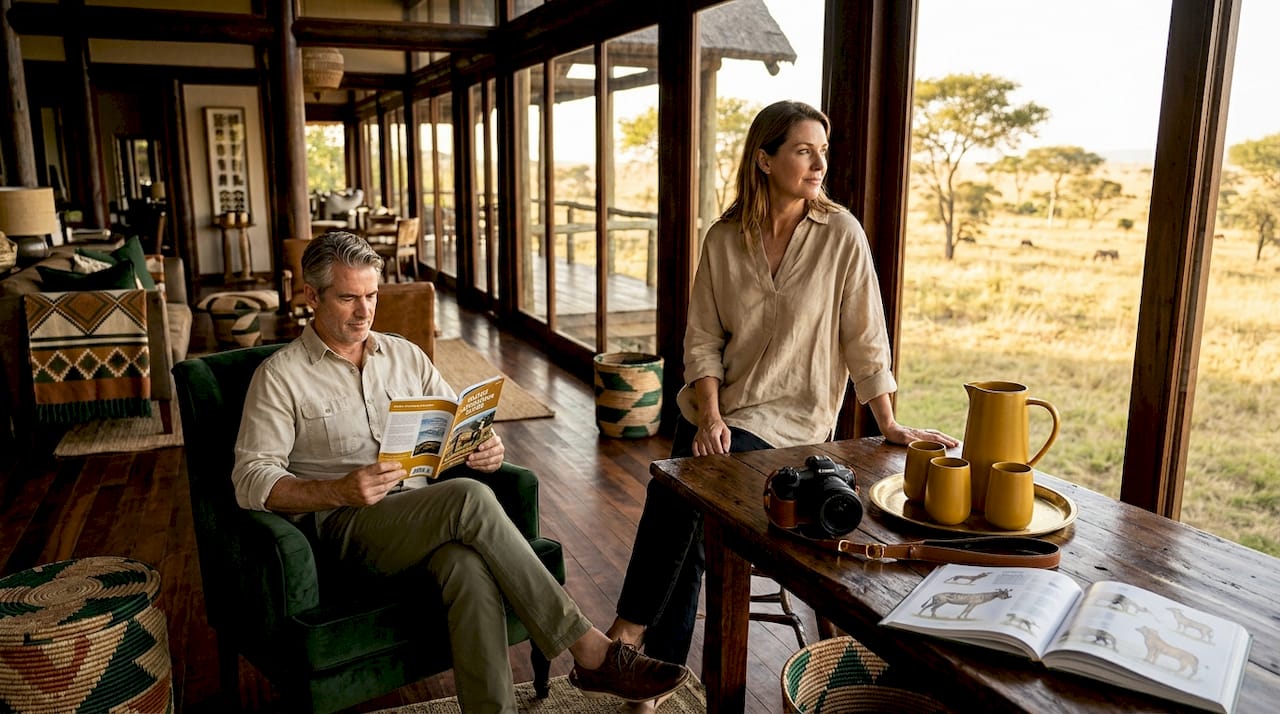
The shift happening among ultrahigh-net-worth travelers is telling: fewer destinations, longer stays, and a deliberate focus on immersive moments over ticked boxes. Three nights at a private conservancy will reveal more than six nights split across three different camps.
Choosing the Right Destinations for a 10 to 14-Day Luxury Safari from USA to East Africa
For a 10 to 14-day itinerary from the U.S., the most powerful combinations balance wildlife, exclusivity, and recovery time.
The Classic Kenya/Tanzania + Rwanda + Beach Combo
Pair the Masai Mara or Serengeti for raw wildlife spectacle with Rwanda’s Volcanoes National Park for intimate gorilla encounters in misty mountains, and finish on Zanzibar’s turquoise Indian Ocean beaches. This is the top-selling multi-country luxury safari from USA to East Africa for a reason: each stop delivers a distinct, non-repetitive experience.
The Uganda-Focused Alternative for Quieter Luxury
Travelers seeking something more untouched choose Uganda luxury safari experiences. Bwindi Impenetrable Forest for gorilla trekking and Queen Elizabeth National Park for tree-climbing lions and boat safaris offer lower vehicle density and a wilder feel than Kenya or Tanzania.
Pro Tip: When reviewing lodge options, ask if the property operates its own conservancy or contributes to one. Conservancy-based lodges unlock night drives, walking safaris, and dramatically lower vehicle density at sightings, experiences that national reserves simply cannot match.
Signature Experiences to Build Your Luxury Safari from USA to East Africa Around
Luxury in East Africa isn’t about seeing more parks. It’s about depth, access, and exclusivity. The most memorable East Africa luxury safaris are built around a few signature moments, not a rushed checklist.
Exclusive Safari Experiences U.S. Luxury Travelers Request Most
These are the experiences that turn a trip into a story you will tell for years:
- Private Balloon Safari at Sunrise: Float over the Serengeti or Masai Mara at dawn as lions head back from a hunt. You will land with a champagne breakfast on the golden plains.
- Night Drives in Private Conservancies: Only conservancy guests can go after dark. Track elusive leopards, hyenas, and bush babies that daytime visitors in national parks never see.
- Expert-Led Walking Safaris: Cover ground on foot with certified guides who interpret tracks, plants, and animal behavior in ways a vehicle can’t.
- Authentic Cultural Encounters: Spend unhurried time with Maasai communities in Kenya/Tanzania or Batwa communities in Uganda/Rwanda. The focus is on genuine exchange, not staged visits.
- Hands-On Conservation Participation: Join rangers for wildlife health monitoring or anti-poaching patrols at select luxury lodges. It’s now a top priority for U.S. luxury travelers to East Africa.
Why Conservancy Lodges Matter
Luxury travelers increasingly choose properties for conservation impact and community engagement. The best luxury safari lodges in East Africa now offer these purpose-driven experiences alongside traditional game drives.
Pro Tip: Always ask if the lodge operates its own conservancy. Conservancy-based stays unlock night drives, walking safaris, and far fewer vehicles at sightings – access that national reserves cannot offer. View Our Top Conservancy-Based Luxury Lodges →
Luxury travellers increasingly prioritise conservation impact and community engagement as primary factors in choosing where to stay, which means the best lodges are now offering purpose-driven experiences alongside traditional game drives.
Luxury Safari Logistics: How to Book Transfers and Accommodations from the USA
For a luxury safari from the USA to East Africa, logistics are where an exceptional trip separates from an average one.
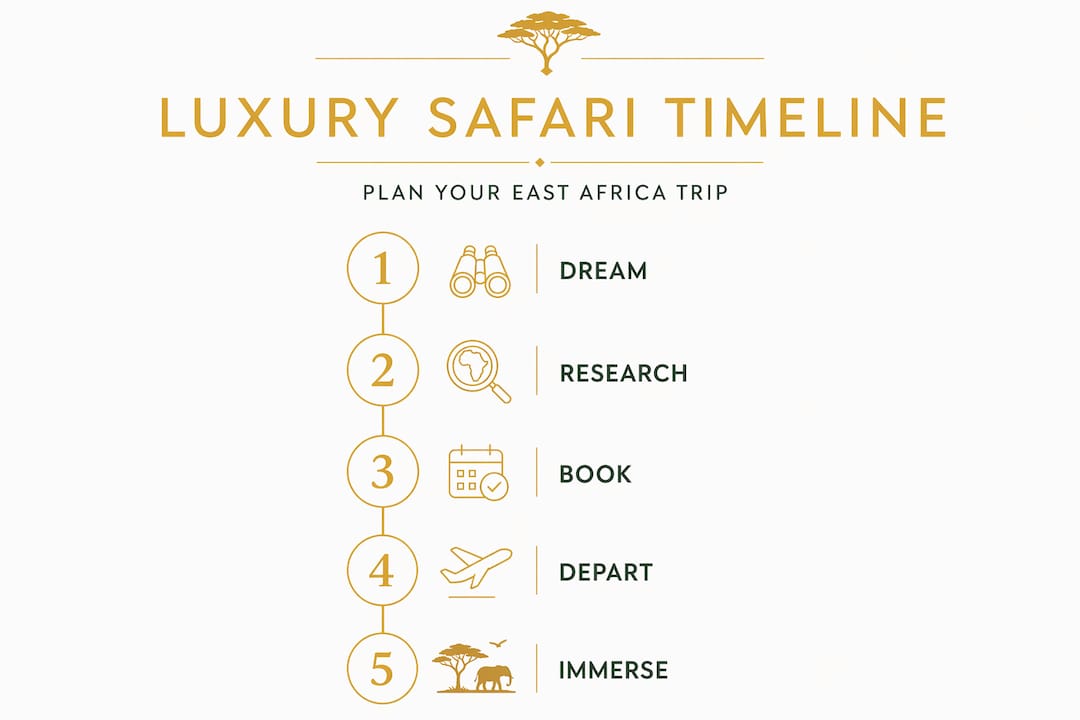
The Right Booking Sequence for Seamless East Africa Travel: The 5-Step Logistics Plan
For U.S. travelers, logistics make or break a luxury safari from USA to East Africa. The difference between a good trip and a flawless one comes down to booking order, timing, and capacity.
East Africa’s best luxury lodges, conservancies, and experiences are intentionally small. Most hosts have just 8 to 16 guests at a time. That means July and August dates, gorilla permits, and peak-season balloon flights sell out 9-12 months in advance. Waiting until 6 months out is a real risk.
The Correct Booking Sequence for U.S. Travelers to Avoid Delays
Follow this order, and you will spend your time on safari, not in transit:
- Lock International + Internal Flights First: Secure business class to Nairobi or Kigali, then add light aircraft transfers between parks. This prevents expensive backtracking and sold-out routes.
- Reserve Rwanda Gorilla Permits Immediately: At $1,500 per person, these are the hardest components to get. Book them before any lodge or flight.
- Book Luxury Lodges and Private Conservancies: Choose 2-3 regions maximum for longer stays. This increases wildlife time and reduces airport time. Target properties in the Masai Mara, Serengeti, or Volcanoes National Park early.
- Add Signature Experiences: Secure private balloon safaris, night drives, and walking safaris. These fill fastest during the June to October dry season.
- Coordinate Ground Transfers & Guides: Pre-arrange private vehicles, airport meet-and-greets, and English-speaking guides for every leg with your specialist.
Get the sequence wrong, and your East Africa luxury safari becomes a series of airports and transfer vehicles. Get it right, and the entire journey feels effortless, from touchdown in the U.S. to your last sundowner in the bush.
Pro Tip for 2026 Travel: Start planning 9-12 months out. Limited-capacity lodges and gorilla permits will not be available at the last minute.
Talk to a USA-Based East African Safari Planner →
East Africa Safari Transport: Charter Flights vs Road Transfers for U.S. Luxury Travelers
How you move between parks decides if your luxury safari from USA to East Africa feels exclusive or exhausting. U.S. travelers booking high-end trips rarely use shared shuttles or long road drives between countries.
Charter Flights vs Scheduled Flights vs Private Road Transfers: Cost and Comfort Compared
For multi-country luxury itineraries, time is the real luxury. Here’s how East Africa transfers compare in 2026:
| Transfer type | Best for | Typical cost Per Leg | Key consideration |
|---|---|---|---|
| Private Charter flights | Multi-country trips: Kenya, Rwanda, Tanzania | $400 to $900 | Fastest option. Land at private airstrips next to your lodge and skip 6-8 hour road transfers. |
| Scheduled Safari flights | Single country routes | $150 to $400 | Reliable, but you share with other guests and fixed schedules. |
| Private Road Transfer | Short scenic drives under 3 hours | $100 to $300 | Flexible for photo stops, but slow between parks. |
| Shared Shuttle | Budget travel only | $20 to $60 | Not suitable for a luxury East Africa safari. Long waits, no privacy. |
The Luxury Standard: Charter flights are the gold standard for exclusive East Africa experiences. For a Kenya + Rwanda + Tanzania itinerary, charters are what make the trip flow instead of grind.
Pro Tip for US Travellers: Build in one full rest day in Nairobi after your 20-hour transatlantic flight. Arriving and going straight to the Mara means you experience your first game drive exhausted. One night in a serene Nairobi property resets jet lag and starts your safari right.
Common Mistakes to Avoid on a Luxury Safari from USA to East Africa
Even experienced travelers can have their East Africa luxury safari derailed by small, avoidable details. U.S. planners who book directly or last-minute hit these 3 pitfalls most often.
Masai Mara Park Fees, Ticket Rules, and Other Cost Surprises for 2026
Park fees are not included in most lodge rates, and the rules change by season.
- Masai Mara Entry Fees for Non-Residents 2026: $100 per adult, January to June. $200 per adult, July to December, which is peak Migration season.
- The Detail Most Travelers Miss: Mara tickets expire at 6:00 PM on the day of purchase. If you enter at 4:00 PM, you only get 2 hours of game driving that day.
Other common pitfalls: underestimating tipping budgets, booking national reserves instead of private conservancies, and skipping travel insurance that covers light aircraft.
Avoid the stress: A USA-based specialist builds these fees and rules into your quote upfront so there are no surprises on arrival.
How to Avoid Crowds on Safari: Private Conservancy vs National Reserve
During peak Migration months, the main Masai Mara reserve can have 30 to 50 vehicles at a single river crossing. That’s not luxury; it’s a traffic jam.
The luxury alternative: Private conservancies adjacent to the reserve cap vehicles per sighting and allow activities the national reserve prohibits, like night drives and guided walking safaris.
Choosing a conservancy-based lodge is not just a comfort upgrade. It’s a completely different wildlife experience and the standard for luxury safaris from USA to East Africa.
Health & Safety Checklist for U.S. Travelers to East Africa in 2026
East Africa remains open and safe for U.S. visitors, but preparation is key for a seamless trip.
-
Malaria: Start prophylaxis as directed by your travel medicine physician before departure.
-
Yellow Fever: A vaccination certificate is required for entry into Uganda and recommended for Kenya, Tanzania, and Rwanda.
-
Borders & Insurance: Avoid unmonitored DRC border areas in western Uganda. Confirm your travel insurance explicitly covers light aircraft and all safari locations.
-
Confirm your travel insurance explicitly covers all locations on your itinerary
As noted by CN Traveller, “Regional Ebola outbreaks don’t translate to blanket travel bans; key safari destinations remain open with enhanced health screening and risk management.”
Travel Insurance for a Luxury Safari from USA to East Africa: What U.S. Travelers Need
Standard travel insurance is not enough for an East Africa luxury safari. Remote locations, light aircraft, and multiple borders create coverage gaps that can invalidate your policy.
Medical Evacuation and Trip Coverage Requirements for East Africa
Medical Evacuation is Non-Negotiable: Most luxury camps are hours from hospitals. Confirm your policy includes air ambulance evacuation from remote safari areas. Trip cancellation without evacuation is not adequate for East Africa.
Country + Border Coverage: Policies can be voided if you visit restricted areas or ignore U.S. State Department advisories. Verify coverage for every country and border crossing on your Kenya, Tanzania, Rwanda, or Uganda itinerary.
Activity Coverage: Ensure your plan covers light aircraft flights, walking safaris, and private balloon safaris.
A USA-based safari specialist will review your policy against your route so you’re fully protected from day one.
What True Luxury Means on a Safari from USA to East Africa
For U.S. travelers, luxury in East Africa is not thread count or wine lists. It’s time, access, and space to experience the wild without crowds.
Why Slow Travel Wins: The Real Luxury of an East Africa Safari
After planning hundreds of luxury safaris from USA to East Africa, the pattern is clear: travelers who come back transformed are not the ones who saw 5 countries in 10 days. They are the ones who slowed down.
True luxury looks like this: Two hours watching a lioness teach her cubs to hunt, with no other vehicle in sight. An evening with a Maasai elder as the sun sets over the Mara, hearing stories that have no English translation.
You cannot schedule these moments. You create them by choosing a conservation-focused safari at one or two extraordinary properties instead of a rushed 5-park tour. Exclusive access, unhurried pacing, and guides who know every animal by name, that is what makes crossing an ocean worth it.
The Invisible Craft of Luxury Planning: The best itineraries feel effortless because the logistics disappear. Every transfer connects. Every gorilla permit is confirmed. Every guide knows your preferences before you land.
That level of planning is what separates a genuinely exceptional luxury safari from the USA to East Africa from one that was simply expensive.
Book Your Luxury Safari from USA to East Africa with Queensafaris
Queensafaris specialises in intentional, immersive luxury safari itineraries from the USA to East Africa. From private conservancy stays in the Masai Mara, to gorilla trekking in Rwanda’s mist-veiled forests, to beach escapes on Zanzibar’s private shores.
Here, every journey is crafted around your travel style, pace, and interests. We handle charter flight coordination, permit booking, lodge selection, and on-the-ground logistics so your trip feels effortless from arrival to departure.
If you want a bespoke East Africa luxury safari built specifically for discerning U.S. travellers, Queensafaris is where your story begins.
FAQ
How far in advance should I book a luxury East Africa safari?
Book 9 to 12 months ahead to secure limited-capacity luxury lodges, $1,500 Rwanda gorilla permits, and private charter flights. July through October is peak Migration season and sells out fastest for East Africa luxury safaris. Waiting until 6 months out risks losing your first-choice camps.
Is East Africa Safe for a Luxury Safari in 2026/2027?
Yes. Kenya, Tanzania, and Rwanda remain open for U.S. travelers with no confirmed Ebola cases in major safari regions. All have enhanced health screening at entry points. For a safe luxury safari from USA to East Africa, follow U.S. Embassy advisories, take malaria prophylaxis, and book with a specialist who avoids restricted border areas.
How Much Does a Luxury Safari from USA to East Africa Cost Per Person?
Budget $800 to $2,500 per person per night for premium lodges and conservancies. Total trip cost also includes international business/economy flights, $1,500 Rwanda gorilla permits, and $400 to $900 per leg for internal charter flights. A 10-day luxury East Africa safari for two typically ranges from $18,000 to $35,000+ all-in.
How Many Countries Should I Include on a Luxury East Africa Safari?
Two to three countries is the sweet spot for a 10 to 14-day itinerary. Kenya and Tanzania, or Rwanda, Uganda and Kenya, work best. Adding more countries creates a trip defined by airports, not wildlife. The goal of a luxury safari from the USA to East Africa is slow, immersive travel.
Do U.S. Citizens Need a Visa for a Luxury East Africa Safari?
Yes. Most East African nations offer e-visas for U.S. citizens. The East Africa Tourist Visa covers Kenya, Uganda, and Rwanda for $100 and is ideal for multi-country luxury safaris from the USA to East Africa. Tanzania requires a separate $100 e-visa. Apply 4-6 weeks before.
Two to three countries is the sweet spot for a 10 to 14-day luxury itinerary. More than that creates a trip defined by transit rather than experience.
Contact Queen of East Africa luxury safaris, where your story begins.
One Response