Discover how conservation focused safaris in East Africa turn luxury travel into wildlife protection. Kenya, Uganda, Rwanda, and ethical lodges are explained.
What if true luxury isn’t thread count, but knowing your trip helps wildlife survive?
For many discerning travelers, the modern safari dilemma is real: you want to witness East Africa’s wild places, but you fear your footprint could harm them. When “green” often means little more than no plastic straws, conservation-focused safaris offer something deeper.
A conservation-focused safari in Kenya, Uganda, or Rwanda is intentional travel. It means your permit fees, lodge rates, and presence directly fund anti-poaching, habitat restoration, and community empowerment.
Instead of just observing, you become part of a regenerative model that protects the Serengeti, Bwindi’s gorillas, and Kenya’s community conservancies. This guide shows you how to choose an ethical safari that delivers high-end comfort and measurable impact, so your journey creates a legacy long after you return home.
Key Takeaways: What You Will Learn About Conservation-Focused Safaris
What Defines a Conservation-Focused Safari: How modern safaris evolved from observation to active wildlife and habitat preservation in East Africa.
The 3 Pillars of Impact: How your trip supports wildlife protection, habitat restoration, and local community empowerment.
Hands-On vs. Passive Conservation: Which type of ethical safari matches your travel style, from community conservancy stays to gorilla conservation?
How to Vet a Genuine Partner: The criteria for identifying truly regenerative, transparent safari operators in Kenya, Uganda, and Rwanda.
Travel as a Legacy: How a well-planned, purposeful luxury safari creates lasting impact for people and wildlife.
What Is a Conservation Focused Safari in 2026? The Definitive Guide
The safari has undergone a profound metamorphosis. It’s moved away from the passive gaze of the 20th century, opting instead for a more intentional, active engagement with the land. The safari has evolved. It’s no longer just about watching from a jeep.
In 2026, a conservation focused safari in East Africa is an intentional, regenerative model of travel. Instead of passive observation, your presence actively funds habitat protection, anti-poaching, and community livelihoods.
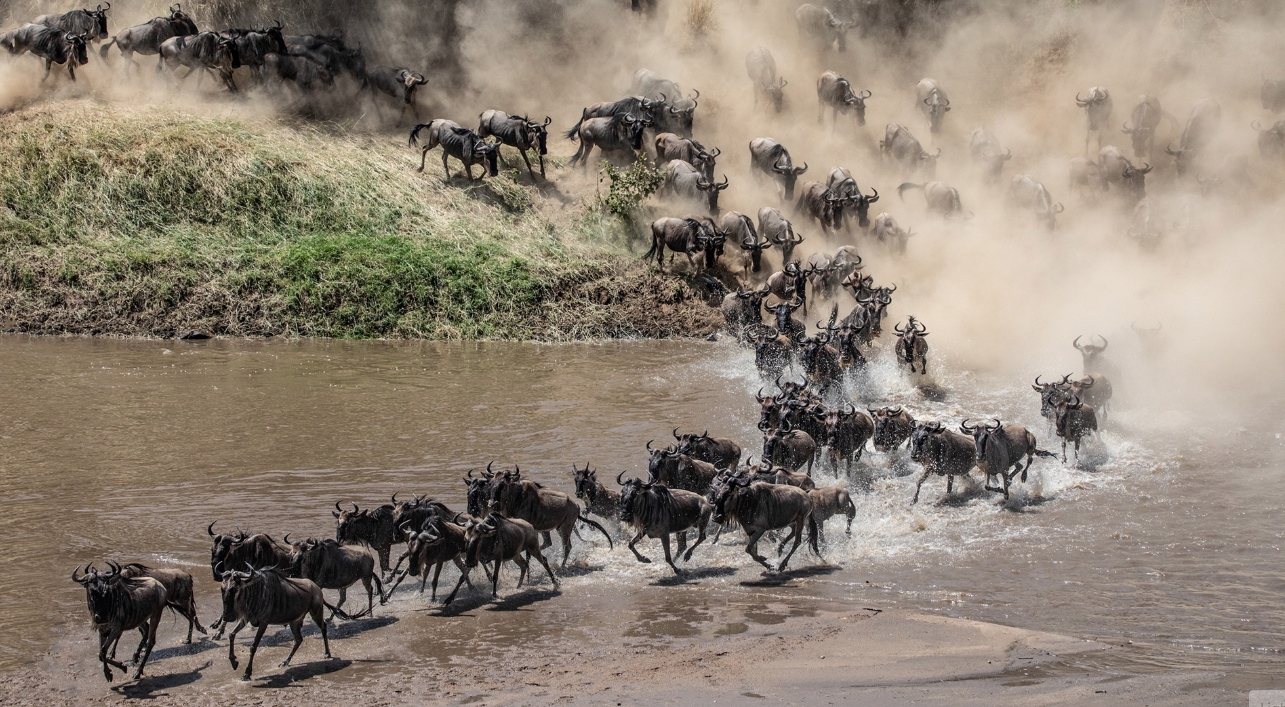
This is not merely about witnessing the Great Migration or tracking gorillas in the mist. It’s about a symbiotic relationship where the traveler’s presence acts as a vital heartbeat for habitat survival. conservation focused safaris represent this new era.
They are designed for those who recognize that true exclusivity lies in the preservation of the rare and the wild.
This year marks a significant turning point for community-led wildlife management. By 2023, Kenya already boasted 230 community conservancies covering 9 million hectares, a testament to the power of local stewardship.
As travelers increasingly seek “safe havens” amidst global instability, East Africa has emerged as a sanctuary of both security and purpose. These lands prove that when local communities benefit directly from high-end tourism, the incentive to protect becomes unbreakable.
It’s a shift from a “look but don’t touch” philosophy to one of shared stewardship and collective renewal.
Conservation focused safaris are built for travelers who want luxury with legacy. You get exclusivity, expert guides, and comfort, while knowing your trip directly protects the rare and the wild. Want to see how your trip can protect wildlife? Explore our conservation focused safari itineraries
Conservation Focused Safaris vs Eco-Friendly: Why ‘Regenerative’ Matters More
“Eco-friendly” is no longer enough. “Eco-friendly” or “ecotourism” means “do less harm”. A conservation focused safari means “do more good”. This is the shift from sustainable to regenerative travel.
Regenerative safaris use data and science to create a net positive impact. That looks like:
- Reforestation: Luxury lodges fund tree planting in critical wildlife corridors.
- Species Protection: Direct funding for anti-poaching units and veterinary teams in Bwindi or the Serengeti.
- Community Impact: Revenue is shared with local communities, who become the first line of defence for wildlife.
So when you choose a conservation focused safari, every night you spend in a luxury lodge contributes to measurable restoration, not just minimal impact. Not sure which lodges are truly regenerative? Speak to a specialist for a vetted list
Your Role as a Steward: Why Conservation Focused Safaris Need You
Choosing a conservation focused safari reframes your trip from a vacation to an investment in our global natural heritage. It’s a purposeful act. There is a deep psychological resonance in knowing your exploration funds the anti-poaching units that helped Uganda’s elephant population rise to nearly 8,000.
Your presence provides the financial gravity required to keep wild spaces wild. It’s a legacy of grace. By selecting conservation focused safaris, you aren’t just a visitor. You are a guardian of the story, ensuring that these landscapes remain vibrant for generations to come.
Your permit fees and lodge rates provide the financial gravity that keeps wild spaces wild. They fund the rangers who protect Uganda’s elephants. They support the community scouts who monitor gorilla families in Rwanda.
You are not just a visitor. You become a guardian of the story. A traveler whose journey ensures these landscapes remain vibrant for generations to come.
The 3 Pillars of Impact: Wildlife, Habitat, and Community in Conservation Focused Safaris
The real measure of a journey is the work you do not see. Conservation focused safaris prioritize 3 pillars over mass-market volume:
- Wildlife: Revenue funds anti-poaching patrols, veterinary care, and species monitoring in protected areas across Kenya, Uganda, and Rwanda.
- Habitat: Low-impact lodges invest in reforestation and secure wildlife corridors, keeping ecosystems connected and healthy.
- Community: Tourism income gives local people a direct stake in conservation, aligning livelihoods with wildlife protection.
This high-value, low-volume model adheres to international conservation policies that prioritize long-term ecological health over mass-market volume. It chooses scarcity and depth over crowded parks.
Apparently, luxury lodges often act as guardians of the surrounding habitat. They facilitate reforestation and secure migration paths that would otherwise be lost to development.
This is the essence of purposeful travel. It isn’t a transaction; it’s a legacy. When you choose to explore these landscapes, you are participating in a sophisticated system of renewal that protects the very beauty you’ve come to witness.
When you book a conservation focused safari, you are funding all three pillars at once. See which East Africa itineraries support all 3 pillars. View sample itineraries
Conservation Focused Safaris: Understanding Gorilla and Chimpanzee Permit Fees
A gorilla or chimpanzee permit is more than a ticket. It’s direct funding for a fragile ecosystem.
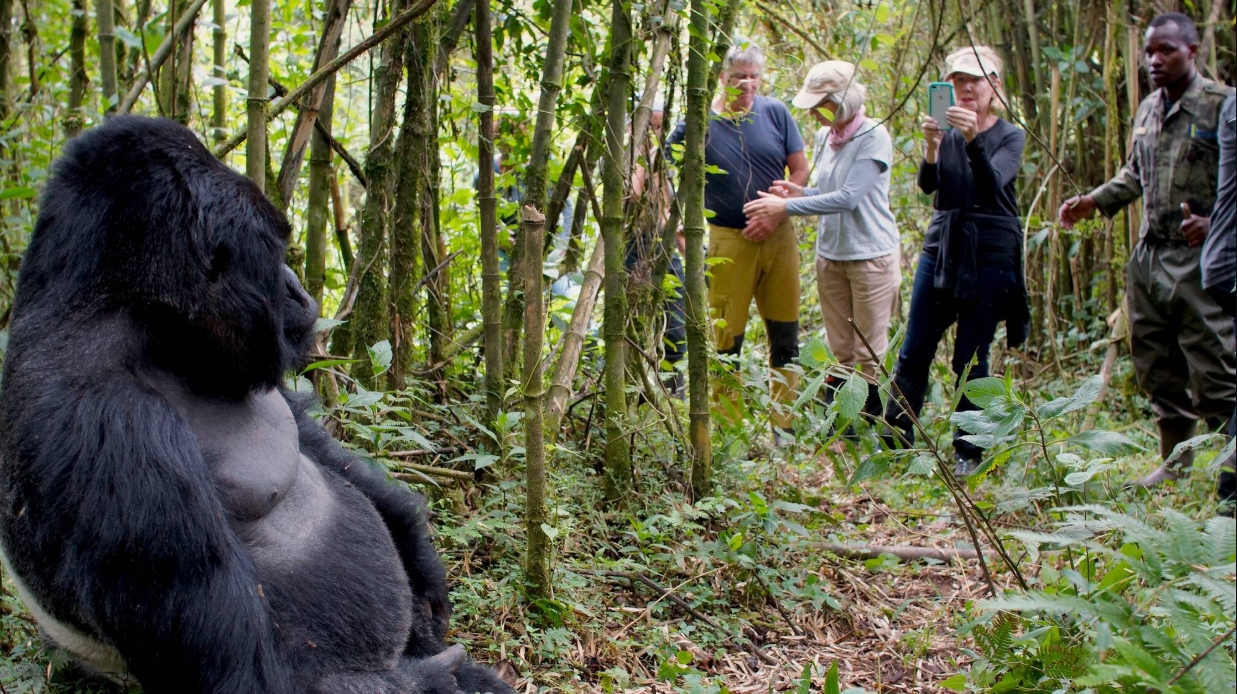
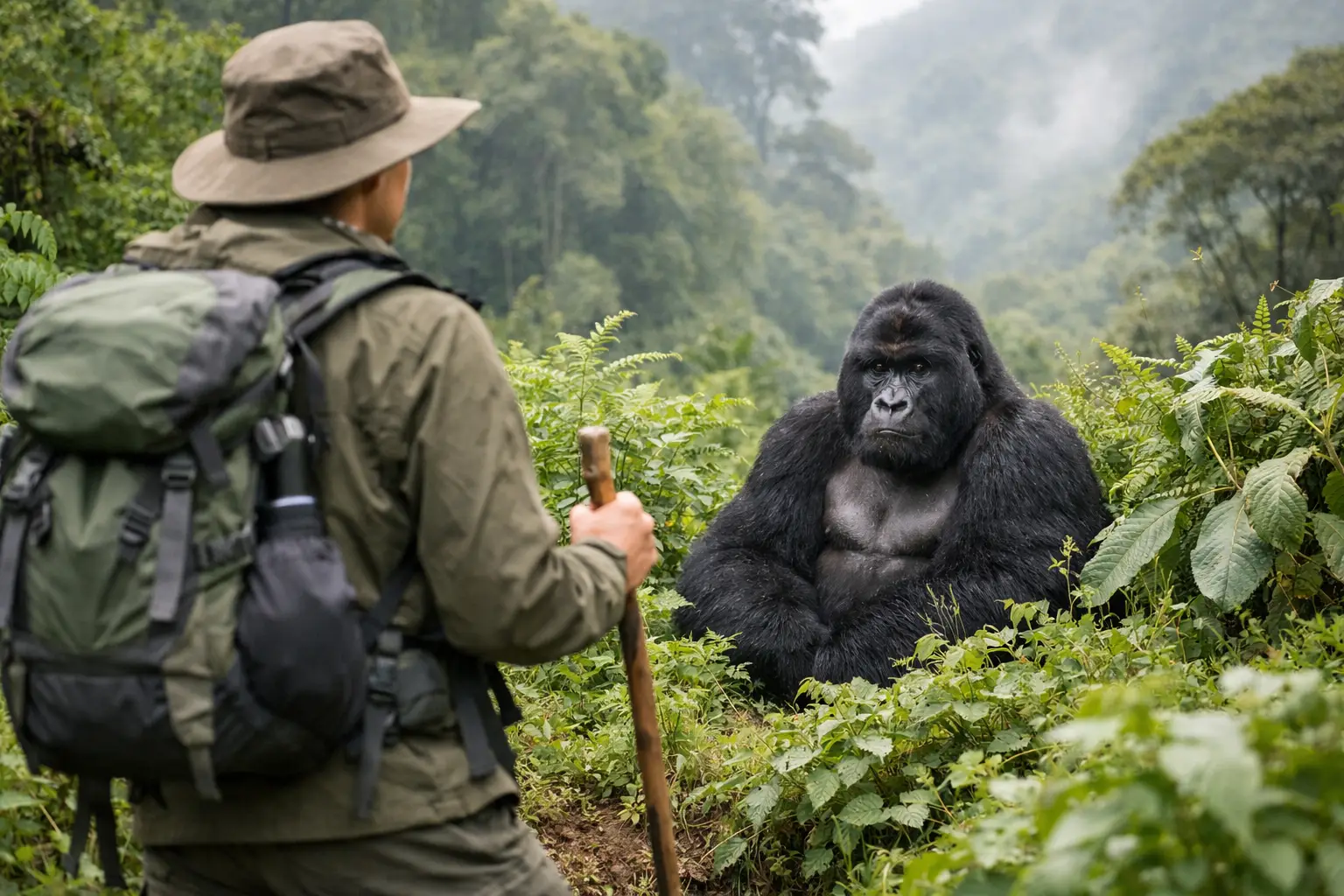
On a conservation focused safari, 100% of your permit fee goes to protection. In Rwanda, the $1,500 gorilla permit funds 24-hour ranger patrols in Volcanoes National Park. In Uganda, the $800 Bwindi permit supports anti-poaching units and veterinary care for the mountain gorilla population.
Without this tourism revenue, these forests would face agricultural conversion and poaching. Your presence creates a financial wall that keeps the habitat standing.
By choosing custom, private itineraries with vetted operators, you ensure your contribution reaches the front lines of preservation.
Conservation Focused Safaris and Community Conservancies: The Maasai Mara Model
The survival of the Great Migration depends on land that exists outside official park borders. In the Maasai Mara ecosystem, over 80% of wildlife is found within community conservancies.
Conservation focused safaris rely on this model. Private safari companies lease land directly from Maasai families. This creates a dual benefit:
- For communities: Tourism dividends and managed grazing rights replace farming pressure/overuse. It’s a sophisticated balance of tradition and modern conservation. Community-owned land is the future of East Africa’s wild spaces.
- For wildlife: Unfenced corridors stay open, so lions, elephants, and cheetahs can roam safely. It ensures that the landscape remains a home for both the people and the predators who have shared it for centuries.
Community-owned land is the future of East Africa’s wild spaces. When you stay in a conservancy, your trip ensures the landscape remains home to both people and predators.
Conservation Focused Safaris: Hands-On vs. Passive Conservation — Which Is Right for You?
Deciding how to engage with conservation focused safaris is a deeply personal choice. Some seek the visceral thrill of active participation. Others prefer the quiet dignity of passive support. Both paths are vital.
They represent two sides of the same coin of stewardship. One offers a front-row seat to the raw mechanics of preservation; the other provides the foundational capital that keeps ecosystems breathing. It’s a balance between a purposeful mission and a restorative retreat.
Active engagement might involve joining a specialized team for a rhino ear-notching expedition or assisting in a lion collaring project. These aren’t mere excursions. They’re critical data-gathering missions.
You will work alongside head rangers and researchers, gaining an intimate understanding of the challenges facing these species. It’s a rare privilege. It transforms the holiday into a mission of urgent relevance, allowing you to witness the direct result of your investment in the field.
Conversely, passive support allows you to retreat into the wild while your presence funds the hidden side of safari conservation. Many of the most impactful projects happen invisibly.
By staying at lodges that prioritize landscape-level restoration, you secure the future of vast wilderness areas without ever leaving your veranda. It’s a sophisticated way to give back. The luxury of your stay becomes the very engine of preservation, ensuring that the wild remains untouched and thriving.
Conservation Focused Safaris: Ethical, Behind-the-Scenes Wildlife Encounters
Ethics come first on a conservation focused safari. Responsible research experiences ensure human presence never disrupts natural behavior. Instead, they fund protection and education. At Kenya’s Sheldrick Wildlife Trust, you see elephant rehabilitation up close and learn how keepers rebuild trust with orphaned calves.
For deeper access, gorilla habituation in Bwindi Impenetrable Forest gives you a 4-hour window with a family, instead of the standard 1 hour.
Private guides act as your bridge to this world. They offer context that transcends the usual checklists, revealing the intricate tapestry of life in the bush with the grace of a master storyteller.
These encounters are defined by respect and distance. You witness impact, not performance.
Conservation Focused Safaris: The Luxury of Intentional Lodge Design
In 2026, true luxury and ecological integrity are inseparable.
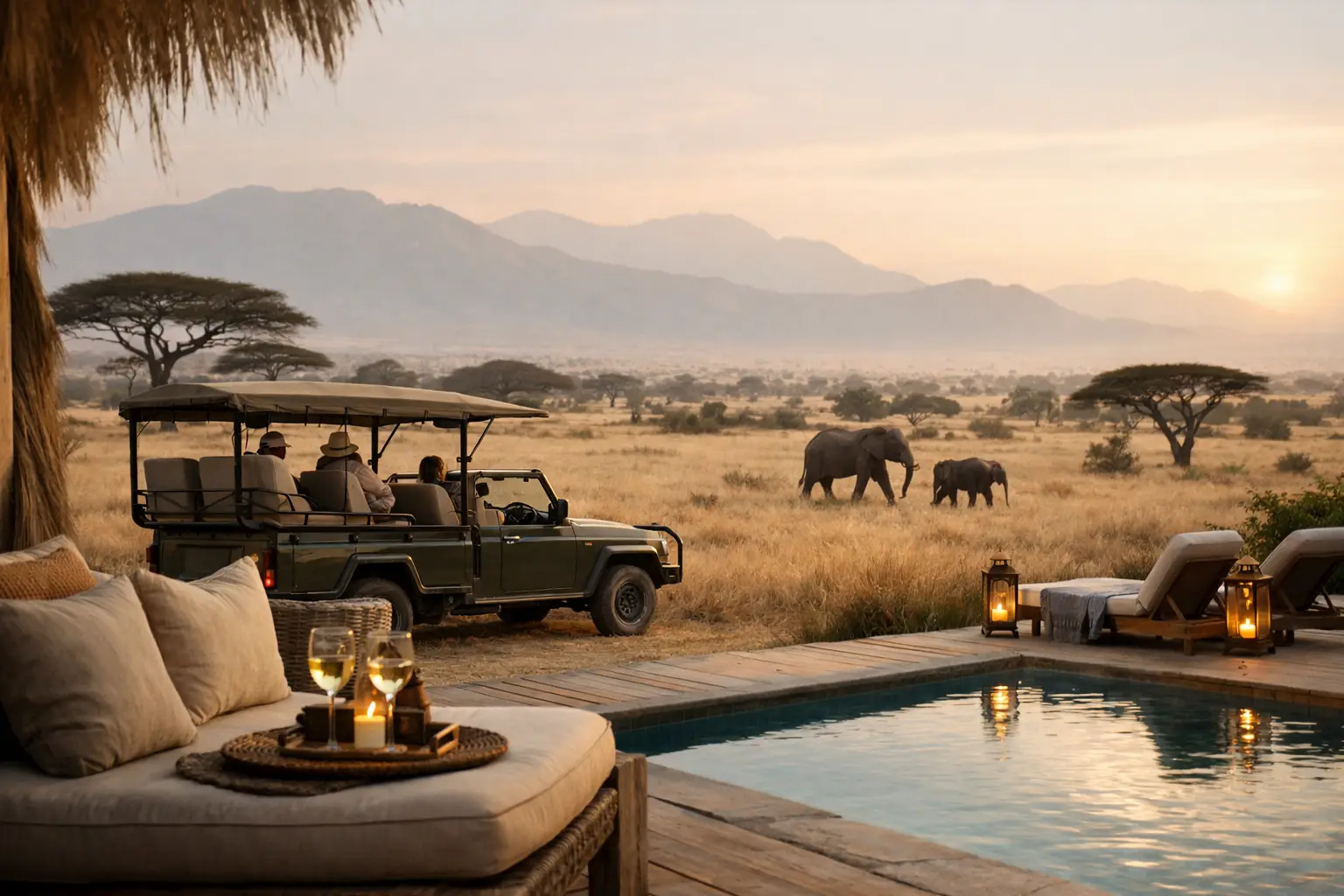
High-end camps on a conservation focused safari use solar power, zero-waste kitchens, and farm-to-table menus to eliminate carbon footprints without lowering comfort. The design itself is part of the conservation plan.
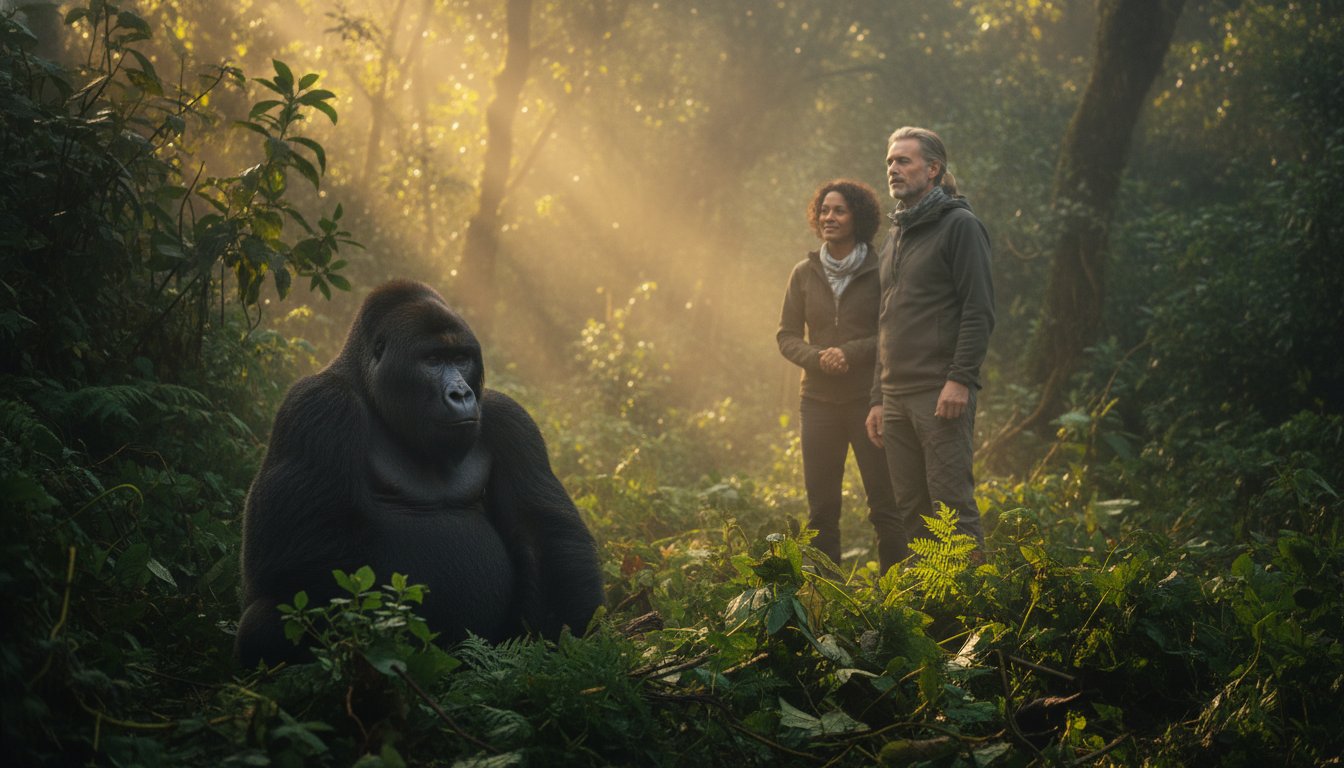
This commitment to detail is explored further in The Primal Connection, which examines how intentional design elevates the gorilla trekking experience. It’s about creating a sanctuary that honors the land as much as the guest, proving that true luxury and ecological integrity are inseparable.
Lodges are built to minimize impact on wildlife corridors and maximize connection to the place. You get a sanctuary that honors the land as much as the guest. From off-grid lighting to locally sourced materials, every detail proves that refined hospitality and habitat protection can exist together.
This is the new standard for purposeful luxury in Kenya, Uganda, and Rwanda.
How to Identify a Genuine Conservation Focused Safari Partner
Discernment is the ultimate luxury. In a world where sustainability is often a buzzword, identifying a true partner requires looking beneath the surface. A genuine conservation focused safari operator proves impact with transparency. Look for 3 things:
1. Radical Transparency: It’s not enough for a company to claim they care; they must prove it. Look for those who publish annual impact reports. These documents should detail exactly how much revenue is diverted to the field and which specific projects are being funded.
2. Longevity: A company that’s supported the same rhino sanctuary or conservancy for 20+ years shows commitment that a newcomer simply cannot match. It suggests a relationship built on trust rather than a fleeting marketing trend.
3. Ethical Standards: Avoid any operator offering cub petting, lion walking, or staged interactions. Be wary of the “transactional” wild. Any interaction that feels staged or exploitative is a significant red flag.
These practices have no place in a legitimate conservation framework. They are often linked to the unethical “canned hunting” industry, a dark reality that genuine stewards work tirelessly to dismantle. True wildlife encounters are defined by respect and distance.
They honor the animal’s autonomy. When a partner prioritizes the well-being of the species over a manufactured photo opportunity, you’ve found a guide worth following. These are linked to the “canned hunting” industry and have no place in real conservation.
Conservation Focused Safaris: The ‘Luxury with a Conscience’ Checklist
Your camp choice reveals a partner’s true philosophy on a conservation focused safari.
Look for 3 non-negotiables before you book:
- Tread-Lightly Infrastructure: Prefer canvas camps over concrete ones. These move with the land, leaving zero permanent scars.
- Resource Responsibility: Ask about water sourcing and single-use plastic policies. The best lodges run on solar and refillable systems.
- Slower Pace, Deeper Impact: A refined itinerary values quality over quantity. Lingering in one location reduces internal flights and carbon footprint, while building a stronger connection to the place.
When your stay leaves no trace, your impact becomes purely positive.
Conservation Focused Safaris: 5 Questions to Ask Your Safari Designer
Directness separates marketing from real impact.
Before booking any conservation focused safari, ask your designer these 5 questions:
- What percentage of my fee goes to conservation? Demand a specific number, not “a portion”.
- Can I meet rangers or community leaders? Direct access signals an authentic partnership.
- Where are your impact reports? Vetted operators publish annual data on projects funded.
- How do you avoid greenwashing? Look for data-backed action, not just evocative words.
- Is this a custom private itinerary? Private planning vets every partner for multi-generational commitment to the land.
Queen Safaris: Conservation Focused Safaris That Curate Legacies
At Queen Safaris, we design conservation focused safaris to be a bridge, not just a trip.
High-end travel should fund renewal. We partner only with lodges and conservancies that demonstrate multi-generational commitment to their land. This ensures your presence supports a legacy of preservation, not just a vacation.
Managing the intricate logistics of a multi-country expedition requires a refined, authoritative touch.
Whether you are embarking on our 12 Days Uganda and Rwanda Combined journey or exploring the vast horizons of the 7 Days Kenya and Tanzania Migration Safari, we ensure the transition between habitats is seamless.
Every detail is handled with unhurried precision. This allows you to remain fully present in the moment, focused on the wonder of the landscape rather than the mechanics of the travel. It’s a methodical approach that mirrors the intentional pace of the wild itself.
We choose depth over superficiality. Because the best safaris respect both the traveler and the wild. Explore our legacy-driven itineraries. See Kenya, Uganda, and Rwanda safaris
Conservation Focused Safaris: Design Your Journey, Maximize Your Impact
Your specific interests are the compass for our custom private itinerary planning. Perhaps your heart lies with the primates of the Albertine Rift, or maybe you are drawn to the ancient rhythms of the Serengeti plains.
We unify these diverse visions into a single, cohesive narrative. We reject the frantic energy of mass tourism. Instead, we embrace space and time as the ultimate luxuries.
This unhurried approach allows the impact of your journey to settle deeply within you, fostering a sense of permanence and a spiritual connection to the earth’s most vital ecosystems.
Conservation Focused Safaris: Your Next Steps in East Africa
Planning a conservation focused safari for 2026 starts with your values. The right partner is more than a planner. They are a bridge between you and the hidden rhythms of the wild.
A good designer ensures you leave as a guardian, not just a visitor, with memories, plus measurable impact.
It’s time to turn travel into a deliberate act of stewardship for East Africa’s wild heritage. Begin your journey of purpose with Queen Safaris and secure your place in the continued story of East Africa’s wild heritage.
The Legacy of Conservation Focused Safaris: Your Presence, Their Future
The journey you choose today protects the landscapes of tomorrow. The modern safari is now regenerative.
On a conservation focused safari, your presence directly funds forest protection, anti-poaching, and community prosperity in Kenya, Uganda, and Rwanda. When you prioritize transparency and ethics, you move beyond witness to guardian.
True exclusivity is no longer a private vehicle. It’s the preservation of the rare. It’s travel that honors the land as much as the guest.
At Queen Safaris, we design customised itineraries with award-winning conservation lodges and the insight of deeply personalised private guiding; your expedition will be as impactful as it is refined. It’s time to align your passion for discovery with a commitment to restoration.
Every expedition is as impactful as it is refined.
Conservation Focused Safaris: Frequently Asked Questions (FAQ)
1. What exactly is a conservation focused safari?
A conservation focused safari is a purposeful, regenerative journey. Instead of passive observation, your trip directly funds wildlife protection, habitat restoration, and community empowerment.
A portion of your investment goes to boots on the ground, from anti-poaching units to reforestation projects in East Africa.
2. How do gorilla permit fees support conservation focused safaris?
Gorilla permit fees are a critical engine for conservation focused safaris. In Uganda’s Bwindi and Rwanda’s Volcanoes National Park, funds are split between park management, rangers, and local communities. Revenue builds schools, clinics, and water projects.
This makes residents the primary guardians of the mountain gorilla.
3. Can I participate in actual conservation work during my safari?
Yes. Many conservation focused safaris offer hands-on experiences. You can join researchers for rhino monitoring, lion collaring, or habitat restoration. If you prefer passive impact, your lodge rate still funds the same work invisibly. Both models are key to regenerative travel.
4. Are conservation focused safaris more expensive than a traditional luxury safari?
The investment in conservation focused safaris often aligns with traditional high-end travel, yet the value is measured in impact rather than just amenities.
While the price reflects the exclusivity and craftsmanship of the experience, it also incorporates the essential levies and fees required to maintain vast wilderness areas. You aren’t paying more for the sake of it; you’re investing in the permanence of the wild and the integrity of the ecosystem.
5. Are conservation focused safaris suitable for families with children?
Intentional travel is a profound gift for the next generation, making these journeys exceptionally suitable for families. Many private conservancies offer educational programs that engage young minds in the wonders of the natural world and the importance of stewardship.
It’s an opportunity to instill a sense of global responsibility, allowing children to witness firsthand the positive change that a single journey can create.
6. How do I know if a lodge on conservation focused safaris is truly eco-friendly?
Authentic sustainability is revealed through a lodge’s transparency and its physical footprint on the land. A truly eco-friendly sanctuary will provide clear data on its waste management, water sourcing, and energy use, often employing solar power and “tread lightly” architecture.
Beyond the logistics, look for a deep integration with the local community and a multi-generational commitment to protecting the surrounding habitat.
7. What is the difference between a national park and a private conservancy on conservation focused safaris?
National parks are state-managed sanctuaries, while private conservancies are often community-owned lands leased to safari operators for wildlife protection. Conservancies offer a more exclusive experience with fewer vehicles and greater flexibility for activities like night drives or walking safaris.
This model is particularly effective in Kenya, where community-led stewardship has secured critical migration corridors that exist outside official park boundaries.
8. How does Queen Safaris ensure my conservation focused safari is sustainable?
Queen Safaris ensures integrity through vetting. We only partner with lodges and organizations with verifiable impact on wildlife and community prosperity. Every conservation focused safari is custom-planned to be unhurried and purposeful, so your trip becomes an act of renewal.