Experience the ultimate luxury with a private Great Migration viewing in 2026. Book a private Kenya or Tanzania safari with exclusive conservancy access, expert guides, and space to witness it all.
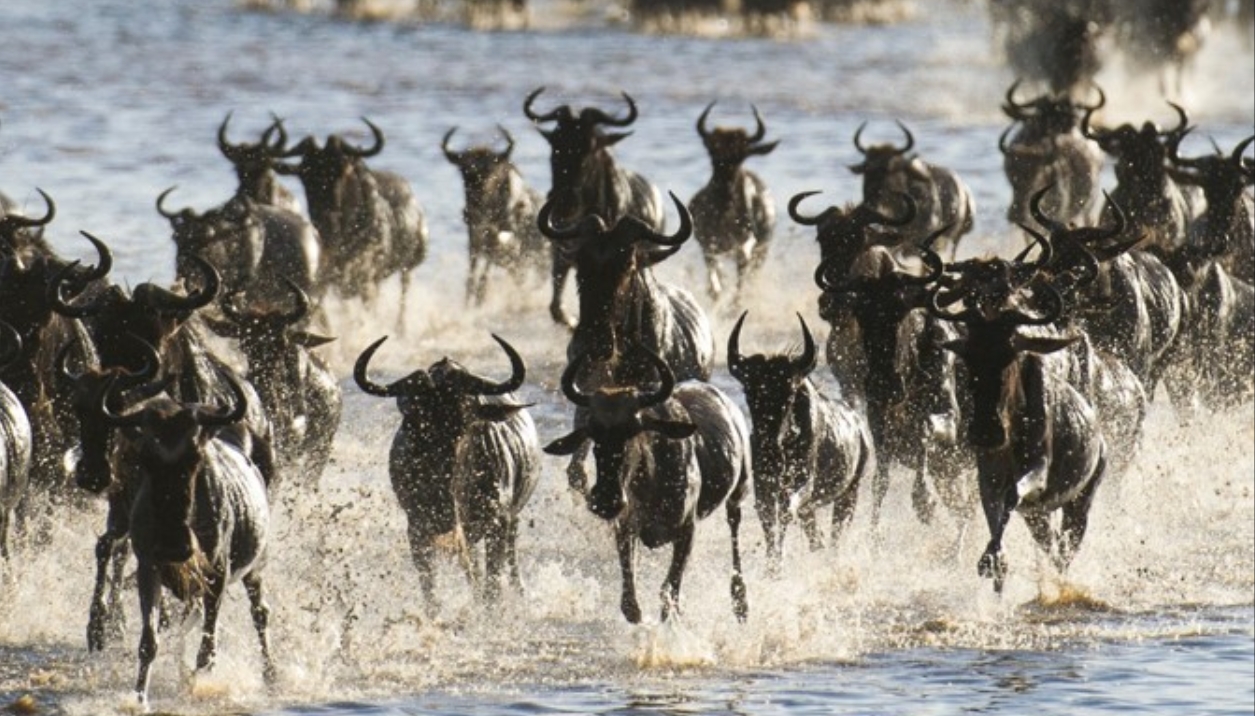
Imagine the Great Migration with no other vehicles in sight. Just you, your guide, and thousands of wildebeest crossing the Mara River.
Most travelers fly to East Africa for a once-in-a-lifetime wildlife moment, seeking a spiritual connection with the wild.
It’s a common frustration that dilutes the majesty of the wilderness. Only to find their view obscured by a dozen other safari trucks.
A private Great Migration safari in 2026 solves that. It trades crowds for silence and schedules for space.
True luxury in the wild isn’t marble bathrooms. It’s time, access, and intention. With a customised 2026 itinerary, you control where you go, when you stop, and how long you watch.
We design around private conservancies, low-density camps, and slow safari principles that protect both your experience and the animals. The result: a trip that feels less like tourism and more like a legacy you will carry for life.
Key Takeaways
- Skip the Crowds: How private conservancies use strict vehicle limits to protect silence and animal behaviour.
- Time It Right for 2026: The exact months in Kenya and Tanzania when migration crossings are most private.
- Your Safari, Your Rules: The key features of a bespoke vehicle, guide, and pace are built for photography and unhurried observation.
- Follow the Herds, Not the Map: How a custom 7 to 10 day Kenya and Tanzania route adapts to real-time wildlife movement.
- From Trip to Legacy: Why slow, low-impact travel creates a deeper connection to the savanna ecosystem.
Why it’s better: Stronger action verbs were used, vague language like “delicate balance” and “spiritual weight” was removed, and it was kept benefit-led and scannable. Each bullet now stands alone for featured snippet potential.
Beyond the Crowds: Why Exclusivity Matters on a Private Great Migration Safari 2026
Most people picture the Great Migration as endless herds across open plains. The reality in peak season often looks different: a line of dust-choked vehicles racing to the same river crossing.
This “safari circus” breaks the silence that makes the wild feel sacred. A private Great Migration safari 2026 is the opposite. It’s a curated, low-density experience designed for depth over volume.
By choosing exclusivity, you trade engine noise for space and turn a crowded sighting into a quiet moment of renewal on the 2026 migration route.
This is the core of the “slow safari” approach. Fewer sightings in a private, silent setting carry more meaning than twenty sightings shared with a crowd. Silence becomes a resource on the savanna.
When you pause, the landscape comes alive. You notice a zebra’s ear flick. You hear wildebeest move through grass before you see them in the Serengeti Ecosystem.
That unhurried observation is what makes an exclusive safari in Kenya and Tanzania feel personal, not packaged. It’s about quality, respect, and being the only witness to a rhythm that has played out for millennia.
The Emotional Impact of a Private Migration Journey
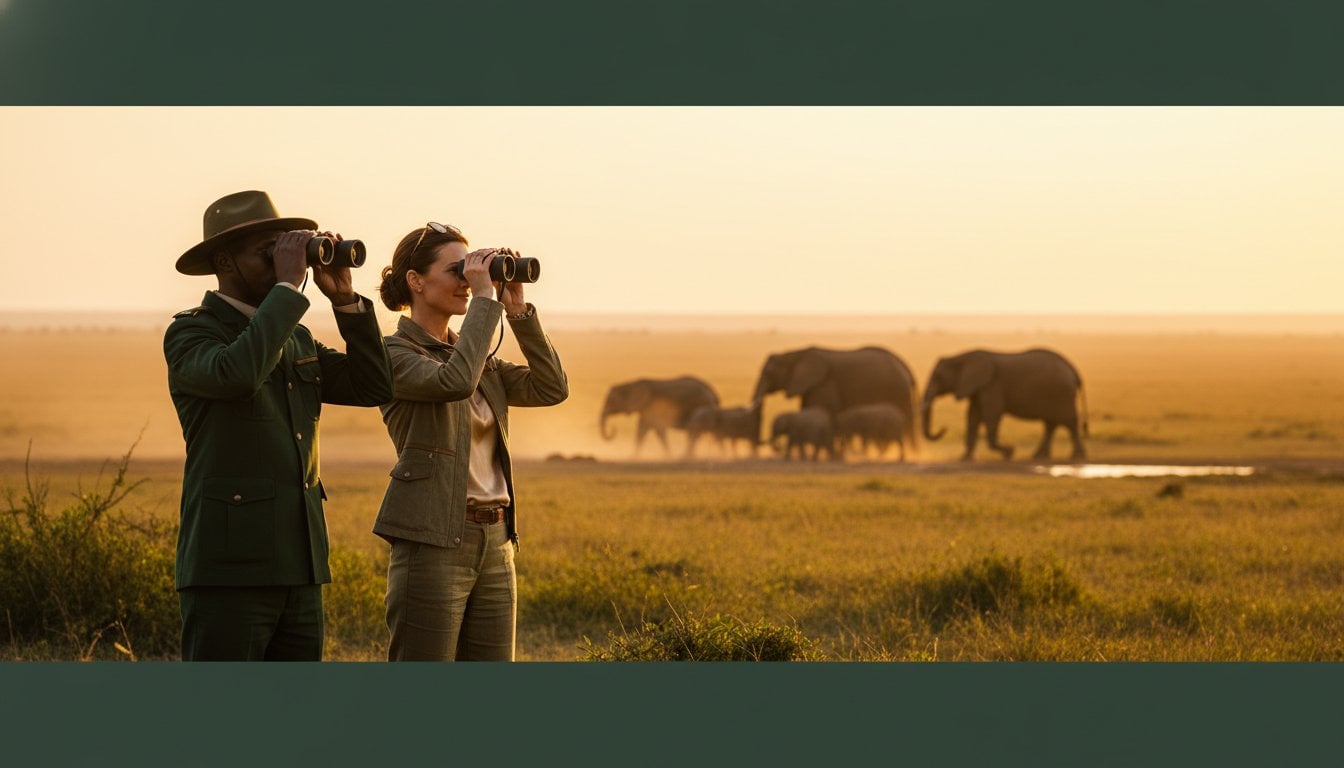
To watch the migration is to step into an ancient rhythm. Moving from tourist to witness requires two things: space and time. Privacy creates both. Without a group schedule, you can stay at a Mara River crossing for hours as herds gather on the bank.
There’s no pressure to chase the next “big” sighting. That patience is rewarded. You start to read the tension, the hesitation, the push to cross.
A private Great Migration safari 2026 gives you time to understand the struggle for survival, not just photograph it. That shift is what turns a trip into a life-shaping memory.
What “Private” Really Means: Conservancies, Access, and Ethics for 2026
Exclusivity is not just about a private vehicle. It’s about the land you are on. A true private Great Migration safari 2026 happens inside private conservancies and concessions in Kenya and Tanzania.
These areas cap vehicle numbers, often to one vehicle per several thousand acres. That rule protects animal behavior and keeps sightings ethical.
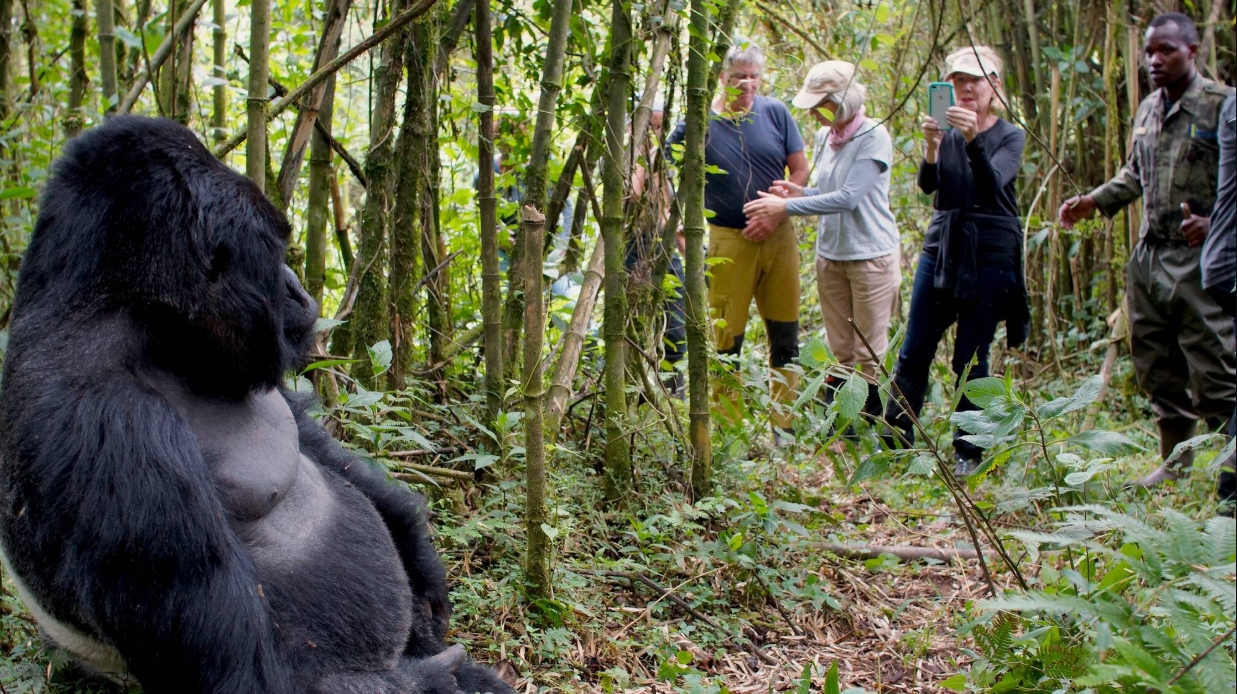
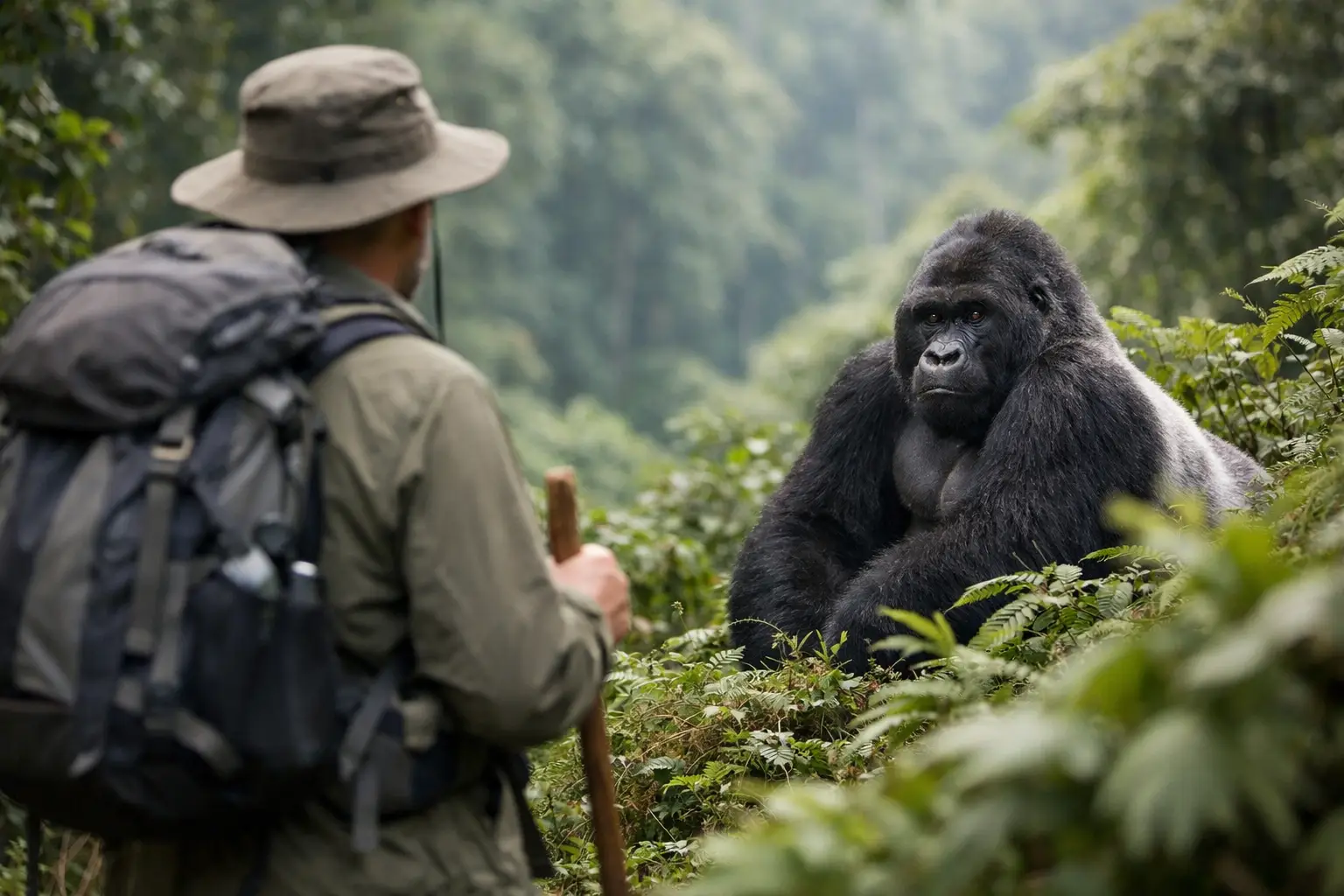
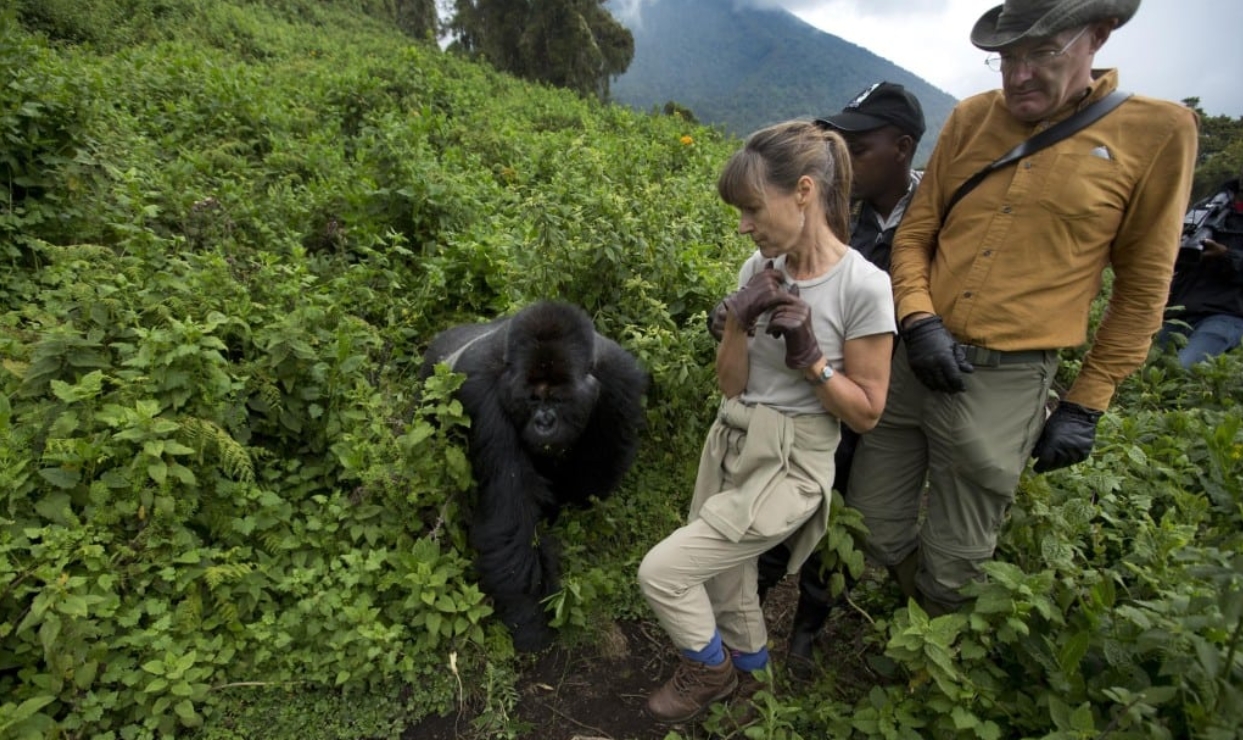
The animals remain undisturbed. You get a front-row view without radio chatter or rush. Like a custom gorilla trekking safari, these migration journeys are defined by what’s absent: crowds, noise, and pressure.
In 2026, that absence is the luxury. It’s how you reclaim the silence of the savanna and witness the wild on its own terms.
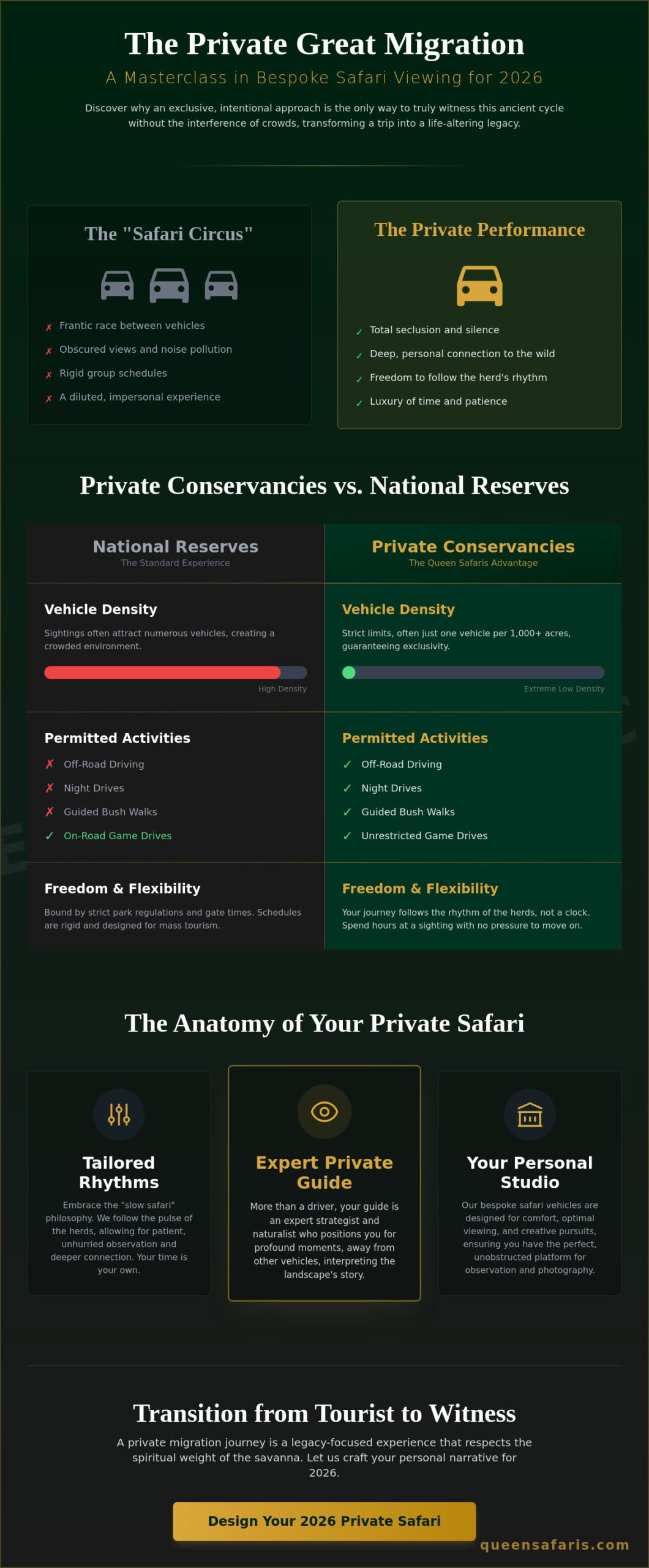
Private Conservancies vs National Reserves: Where to Book Your Private Great Migration Safari 2026
Choosing between a public reserve and a private conservancy changes more than your map pin. It changes how you experience the wild. National parks like the Masai Mara Reserve or Serengeti National Park are iconic, but they operate for mass tourism.
That means fixed roads, fixed hours, and vehicle clusters at every sighting. Private concessions use a different model.
On a private Great Migration safari in 2026, you are a guest of the land, not a seat on a bus. Access is limited, and the goal is silence. That shift replaces crowds with space and lets the landscape’s story unfold without interruption.
Vehicle density is the biggest difference you will feel. In a national park, one river crossing can draw ten or more vehicles. That creates a wall between you and the animals.
Most private conservancies follow a strict “one vehicle per 1,000 acres” rule. That scarcity means every encounter feels like a first. You also gain flexibility.
Off-road driving lets you follow a lion into the bush or wait at a crossing point without breaking park rules set by the Tanzania National Parks Authority. Activities like night drives and guided bush walks, which are restricted in most parks, add another layer.
They reveal the nocturnal side of the migration that most travelers never see.
Maasai Mara Conservancies: The Private Side of Kenya’s Migration for 2026
The conservancies along the edge of the Maasai Mara, such as Mara North, Olare Motorogi, and Naboisho, are the benchmark for exclusivity in Kenya.
They operate through a partnership between luxury lodges and local Maasai landowners. Your stay funds conservation and community projects directly. In return, you get front-row access to migration routes and river crossings with far fewer vehicles than the main reserve.
This is the “gold standard” for a private Great Migration safari 2026. It balances heritage with low-impact design. Your guide’s expertise works with the privacy of the setting, so you can stay longer, watch closer, and move on your own schedule.
Tanzania’s Private Concessions: The Serengeti Reimagined
Tanzania’s edge of the Serengeti offers the same exclusivity as Kenya, but on a larger scale. Areas like the Grumeti Reserve and private concessions bordering the Western Corridor create a sanctuary of space next to the open plains.
While the central Serengeti is famous, these private areas let you watch the herds with minimal vehicle traffic. That means you can witness crossings and predator action without the rush.
Planning a cross-border trip takes expert timing. Our 7 Days Kenya and Tanzania Wildebeest Migration Safari is built for 2026 to handle that transition for you. You keep the same private guide and vehicle, so the experience stays seamless from the Mara to the Serengeti.
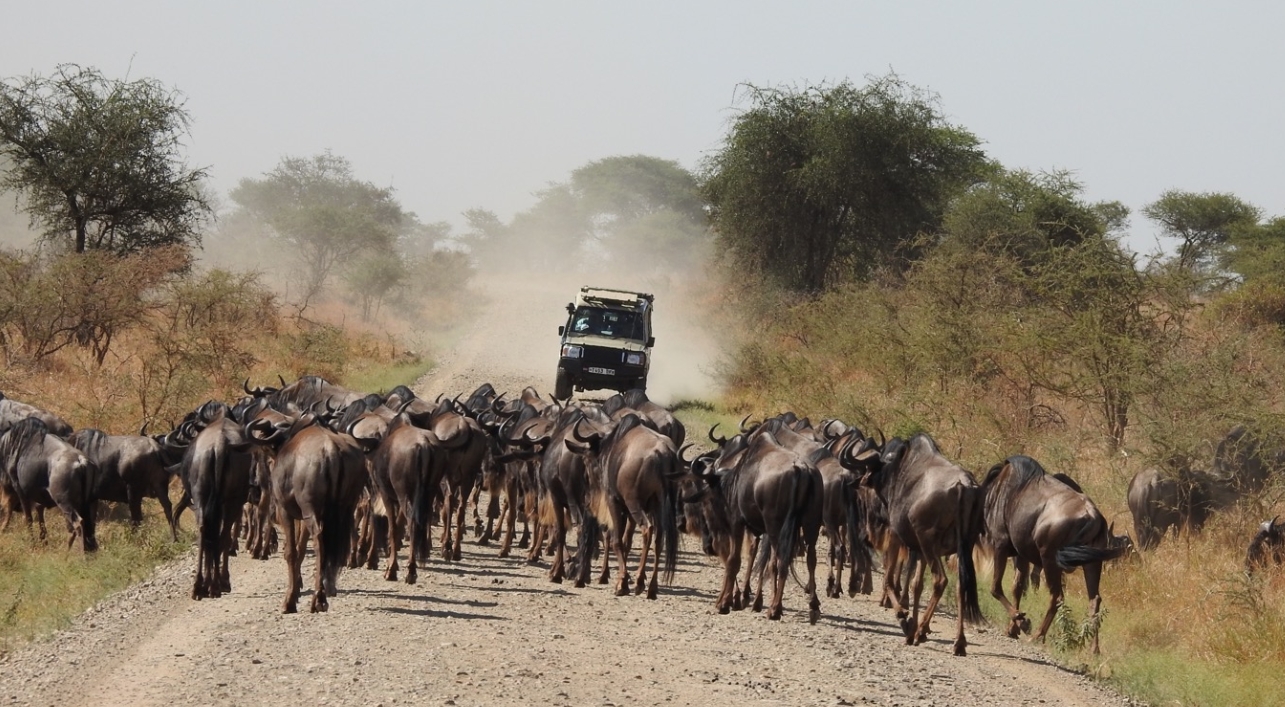
The 3 Pillars of a Private Great Migration Safari 2026: Vehicle, Guide, and Time
A private Great Migration safari 2026 is built on three essentials: the right vehicle, an expert guide, and full control of your time.
This is not a standard group tour where breakfast or another guest’s schedule decides when you leave.
If a leopard is moving through the grass at dawn, you stay. If you want a bush breakfast on the plains, your guide makes it happen. That total control lets the wilderness set the pace, not a timetable. You move from tourist to witness because you are never rushed.
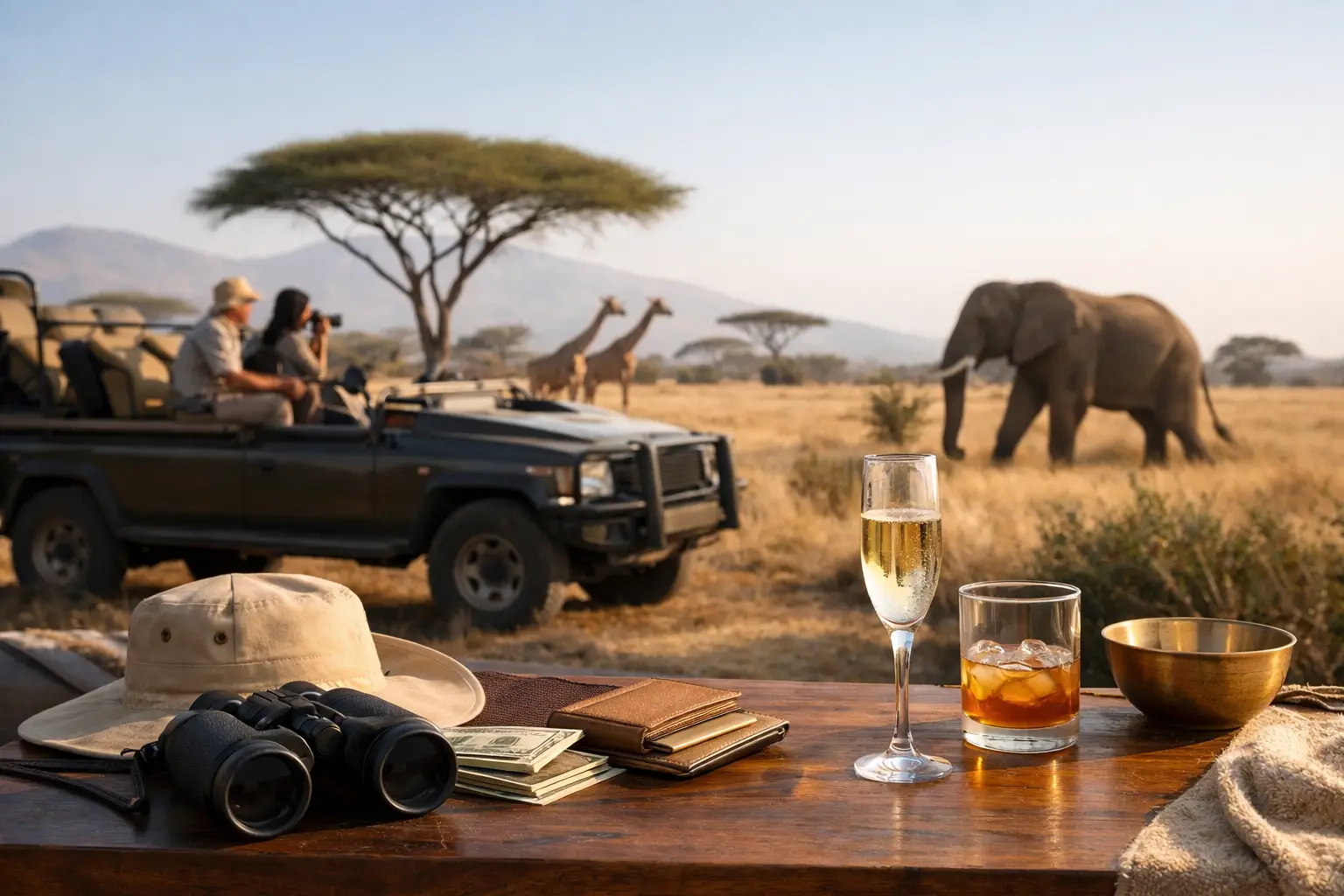
Your 4×4 is more than transport. On a private safari, it’s your mobile base. Every vehicle is set up for serious wildlife viewing, with pop-top roofs, camera mounts, charging ports, and window seats for every guest.
The cabin is quiet and comfortable, so you can focus on the migration, not your battery life or a cramped bench. It’s designed to put you in the right position, at the right moment, without competing with other vehicles.
Why Your Private Guide Is the Most Important Part of a 2026 Migration Safari
Your guide is more than a driver. On a private Great Migration safari 2026, they are your naturalist, planner, and host.
They read the wind, the clouds, and herd behavior to predict crossing days. They also understand light and positioning, which is the difference between a crowded photo and a clear, frame-worthy moment.
Beyond wildlife, they connect you to East Africa’s story. Through their knowledge of Kenya’s conservation efforts and local Maasai heritage, the landscape gains context and depth. You are not just seeing animals. You are understanding a living system.
Ready to design your own? Speak to a safari expert to build a 2026 private migration itinerary around your pace, interests, and budget.
Private Safari Logistics 2026: Scenic Flights, Custom Camps, and On-Site Service
Luxury on a private Great Migration safari 2026 starts with how you move. Scenic flights between Kenya and Tanzania replace long, dusty road transfers and give you more time on safari.
On the ground, the detail stays high. We tailor everything from your 4×4 seat layout to meal plans and dietary needs, so the trip fits you. A private bush lunch in the heart of the migration is part of that.
These are the moments that make the journey feel intentional, not packaged. Every detail is managed so you can focus on the wildlife, not the plan.
Best Time for a Private Great Migration Safari 2026: Seasons and Strategic Timing
Timing is everything for a private Great Migration safari 2026. The herds follow a clockwise route, but rain and grass growth now shift the dates year to year.
That means fixed dates no longer work. A private safari gives you the flexibility to pivot. We track rainfall data and movement patterns in real time, so your itinerary meets the herds, not the other way around.
This is how you replace guesswork with placement and trade crowded crossings for quiet, direct viewing.
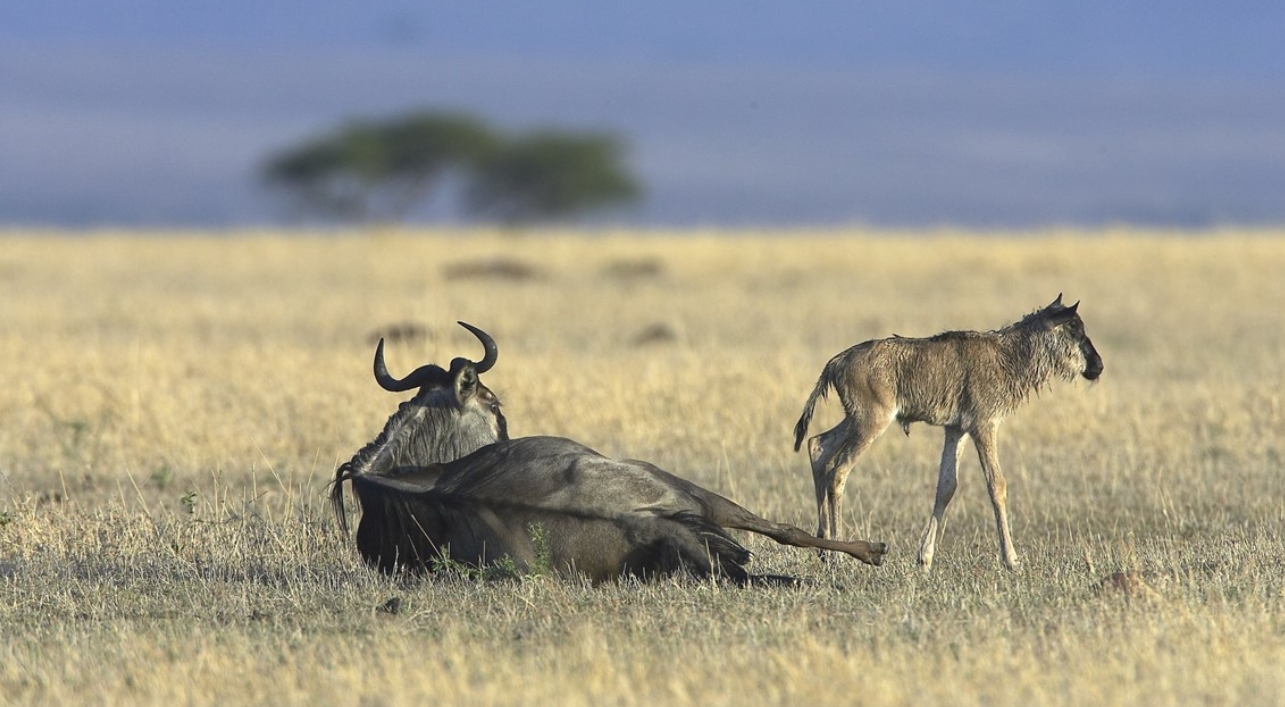
For true privacy, consider January to March. This is the Southern Serengeti calving season, and it’s the quietest time to be on a private migration safari.
The plains fill with new life, and predator action is close and frequent. Because it sits outside the mid-year river crossing rush, you get near-total seclusion. You are not watching from a line of vehicles.
You are watching the start of the cycle, with the emerald plains and far fewer guests around.
Private Great Migration Safari 2026 Calendar: Where to Be and When
- January-March: Southern Serengeti calving season. This is the quietest time for a private Great Migration safari 2026. You get open plains, high predator activity, and near-total privacy.
- June-August: The herds push toward the Mara River. This is the peak of the crossing intensity, requiring a private strategy to secure secluded vantage points away from the main tourist drift.
- October- December: Herds return south. Short rains bring green landscapes and calm light. It’s a slower, more serene end to the annual cycle, with fewer guests.
Book Early: Why Private Access for 2026 Is Limited
Private conservancies and exclusive-use camps have strict guest limits. The best lodges for a private Great Migration safari 2026 are often booked 12 to 18 months ahead.
This isn’t only about luxury. Limited access protects the land and the wildlife experience. Whether you want a focused 7-day migration trip or a 12 Day Uganda and Rwanda Combined safari, early planning is key.
Start your Custom Private Itinerary now to secure space in the most exclusive areas before they sell out.
Queen Safaris: Your Partner for a Private Great Migration Safari 2026
At Queen Safaris, we operate with a quiet, unwavering conviction: your journey to East Africa is a significant, life-altering event that deserves more than a standard itinerary.
We don’t just book tours. We act as the guardians of your story. This philosophy is woven into every layer of our service, ensuring that your private great migration viewing is defined by depth, reverence, and uncompromised luxury.
We understand that the true value of a safari lies in the moments between the sightings, the silence of the dawn, and the profound connection felt when the world seems to belong to you alone.
Our role is to protect that intimacy, engineering every detail so the wilderness remains the protagonist of your narrative.
The Queen Safaris difference is rooted in our dual presence. With dedicated teams based in both the United States and Uganda, we provide a bridge between your aspirational planning and the practical, on-the-ground reality.
This global perspective allows us to offer a level of sophisticated support that is both royal and intimate. We handle the complexities of permits and regional logistics with the grace of a refined host, leaving you free to immerse yourself in the experience.
Whether you’re witnessing the thunderous river crossings or the quiet calving season, our presence is a constant, invisible thread of excellence that ensures your peace of mind.
Custom Private Great Migration Safari 2026 Itineraries: Built Around You
No two private Great Migration safari 2026 trips should be the same. We specialize in Custom Private Itinerary Planning that builds every moment around your pace, interests, and travel dates.
If you want to follow the herds across borders, our 7 Days Kenya and Tanzania Migration Safari gives you strategic placement with minimal transfers.
If you want to extend the trip, we can combine the migration with a 12 Days Uganda and Rwanda Combined safari for gorillas and chimps. These are curated, expert-led journeys that use private conservancies and exclusive lodges, not standard tour routes. [Plan your Custom Private Itinerary] with us.
Why 2026 Is the Year for a Private Great Migration Safari
In 2026, privacy is the difference between watching from a crowd and witnessing from a distance.
A private Great Migration safari lets you slow down and move on your own schedule. You step away from mass tourism and into conservancies where vehicle numbers are limited.
That space creates quiet observation, better light for photography, and time to understand animal behavior. If you want a journey that respects the wild and your time, 2026 is the year to book. Begin your private migration journey with Queen Safaris today.
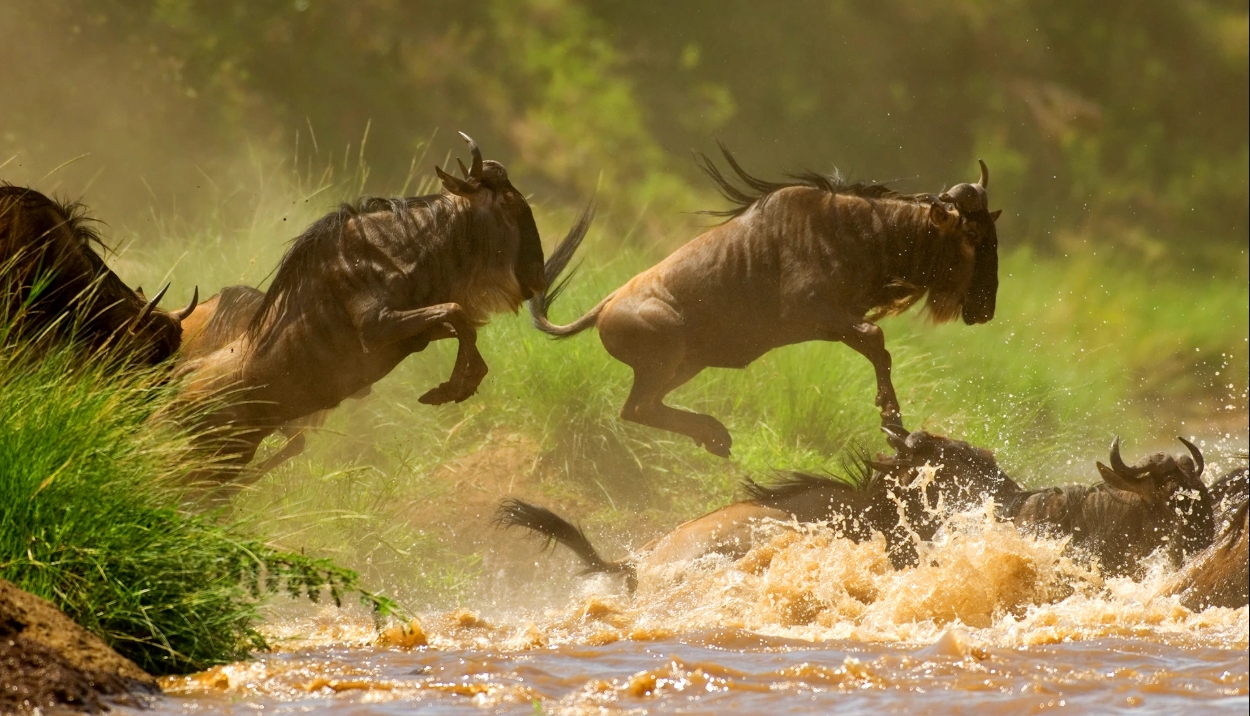
Experience the Silence: Private Concessions on a 2026 Migration Safari
The Great Migration is more than a sighting. On a private Great Migration safari 2026, the value is in the space between sightings. Exclusive-use concessions in Kenya and Tanzania limit vehicles and allow off-road access.
That means you hear the grass move before you see the herd. You get silence, time, and expert guidance without pressure. This approach turns a trip into a personal renewal, not a rushed checklist.
Queen Safaris supports you from the US and East Africa. We handle cross-border logistics, permits, and lodge selection so your narrative stays focused on the wild.
Our multi-country expertise ensures every detail is managed to a high standard. If you want to see the savanna on your own terms in 2026, we can build it for you. Design Your Exclusive 2026 Migration Itinerary now.
FAQ Section: Private Great Migration Safari 2026
1. What makes a private Great Migration safari 2026 different from a group safari?
A private Great Migration safari 2026 gives you total control of time, vehicle, and guide. There are no fixed schedules or shared vehicles. You can stay at a sighting for hours, choose your route, and travel with only your group. That creates space, silence, and a closer wildlife experience.
2. Can I see the Mara River crossings on a private Great Migration safari 2026 without crowds?
Yes. Private conservancies in Kenya and Tanzania limit vehicles to about one per 1,000 acres. We also use exclusive access points and off-road permissions. This lets you watch river crossings from secluded vantage points, away from the main tourist clusters in the national parks.
3. Kenya or Tanzania: Which is best for a private Great Migration safari 2026?
Both are essential for the full cycle. Tanzania’s Serengeti is best for calving season and open plains from January to March. Kenya’s Maasai Mara is best for river crossings from July to September. For 2026, we recommend a 7 Days Kenya and Tanzania Migration Safari to cover both.
4. How far in advance should I book a private Great Migration safari for 2026?
We recommend securing your arrangements 12 to 18 months in advance for the 2026 season. Exclusivity is a finite resource, and the most coveted private villas and boutique camps are often reserved over a year out.
Early booking is essential to ensure access to the specific concessions and expert guides that define a high-end experience. This unhurried planning process allows us to craft a legacy journey that is perfectly aligned with the migration’s shifting rhythms.
5. What “private” features should I look for in a luxury safari lodge for 2026?
Look for exclusive-use camps, private 4×4 vehicles for your group only, and a dedicated guide. Key features include off-road driving, night drives, bush walks, and flexible meal times. These are standard on a true private Great Migration safari 2026.
6. Can a private safari be customised for professional photographers?
Private safaris are the gold standard for professional photographers who require specific technical support and patience. We customize vehicles with specialized camera mounts, high-speed charging ports, and lowered sides to provide the perfect unobstructed angle.
Your private guide acts as a strategist, positioning the vehicle to account for the shifting light and animal behavior. This level of personalized attention is vital for capturing the “perfect shot” without the constraints of a shared group vehicle.
7. How does a private guide enhance the Great Migration experience?
A private guide serves as a naturalist, a strategist, and a refined host who anticipates the herds’ movements with expert intuition. They possess deep knowledge of the ecosystem, allowing them to read subtle environmental cues that others might miss.
Beyond the wildlife, they act as a cultural bridge, sharing stories that provide a spiritual connection to the East African heritage. This dedicated attention transforms a simple game drive into a profound, educational experience that respects the wild’s sovereignty.
8. Are private conservancies more expensive than national parks?
Private conservancies typically command higher daily fees, often ranging from $100 to $250 per person compared to the $70 to $200 found in national reserves. However, these fees represent an investment in exclusivity and conservation.
The higher cost directly supports local communities and ensures the strict vehicle limits that preserve the silence of the wild. For the discerning traveler, the value of a crowd-free experience and the ability to go off-road far outweighs the initial price difference.
Contact us at Queen of East Africa Safaris