
Discover why Uganda is Africa’s number one primate destination and home to the world’s highest mountain gorilla population in Bwindi Impenetrable National Park, track chimpanzees in Kibale, and see over 8 primate species in one trip. Book your 2026 Uganda primate safari.
Why Uganda Offers a Unique Primate Safari Experience
A Uganda primate safari experience is the world’s most compelling wildlife experience, defined by stable mountain gorilla populations, a rapidly growing chimpanzee count, and protected ecosystems where multiple great ape species share the same ancient forests. No other country on the continent delivers the combination of verified population data, overlapping primate habitats, and conservation-backed tourism infrastructure that a Uganda primate safari provides.
The Uganda Wildlife Authority’s 2026 census confirms this is not a matter of reputation alone. It’s a matter of record, and for adventure travellers who want the best Uganda primate safari adventure, the numbers tell a story worth booking a flight for.
Uganda Primate Safari Conservation: Safer, Smarter Gorilla Tracking
What makes a Uganda primate safari genuinely rare is the geographic overlap of endangered species. The 2026 UWA Report confirms mountain gorillas are stable at 459 individuals in Bwindi and Mgahinga. The stability is extraordinary for a critically endangered species, and it means travellers who book a Ugandan primate safari can trek with genuine confidence that apes will be there.
The chimpanzee story is even more striking for anyone planning a Uganda primate safari. Uganda’s chimpanzee population increased from 5072 to 6072. across the country’s forest ecosystems, a rise that reflects decades of sustained conservation investment. That growth translates directly into richer, more reliable encounters for visitors tracking primates in Uganda’s forests.
- Mountain gorillas are concentrated in Bwindi Impenetrable National Park and Mgahinga Gorilla National Park, both in southwestern Uganda.
- Chimpanzees thrive in Kibale Forest National Park, Bwindi, Kyambura Gorge, and Budongo Forest.
- Other primates on a Uganda primate safari, including red-tailed monkeys, olive baboons, and L’Hoest’s monkeys, inhabit the same protected corridors.
What Ecological Factors Make Uganda’s Primate Habitats so Distinctive?
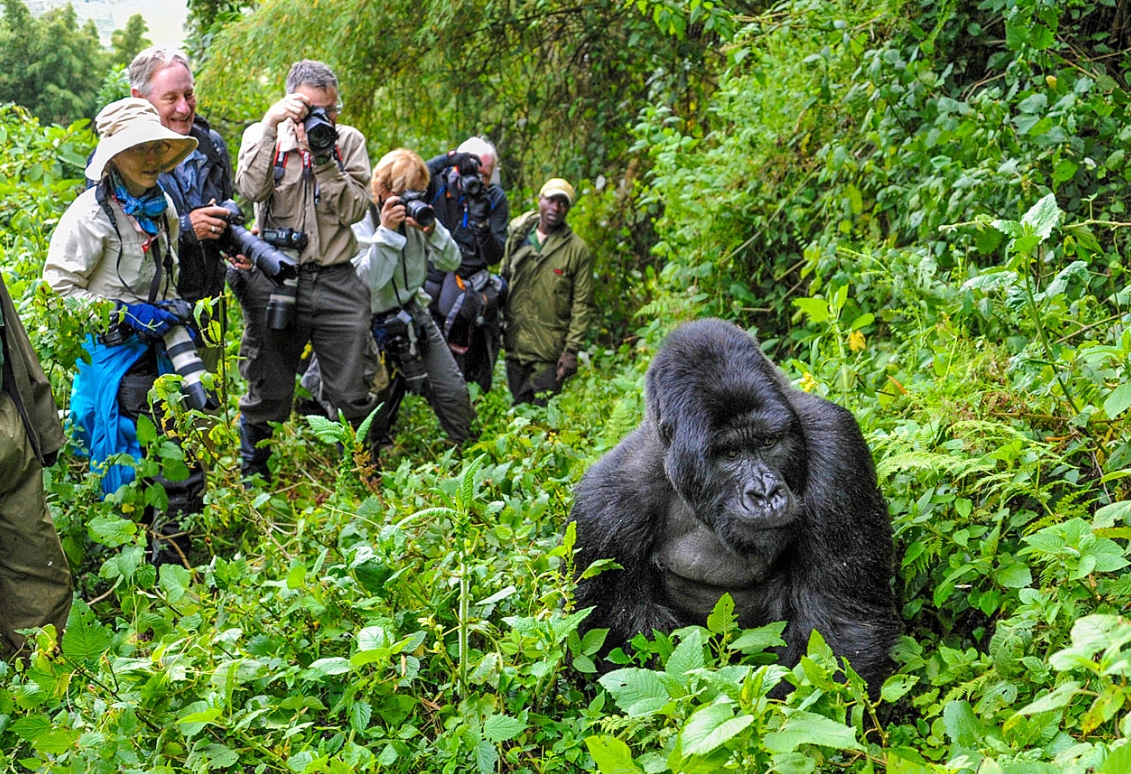
Bwindi Impenetrable National Park is a UNESCO World Heritage Site, and its ecological complexity is why a Uganda primate safari here offers unmatched depth. The park’s montane and mixed Afromontane forests create layered habitat zones that support both mountain gorillas and a population of over 426 chimpanzees, as the 2026 UWA census report shows coexisting within gorilla territory.
This transforms Bwindi from a single-species stop into a great ape ecosystem worth planning your Uganda primate safari around.
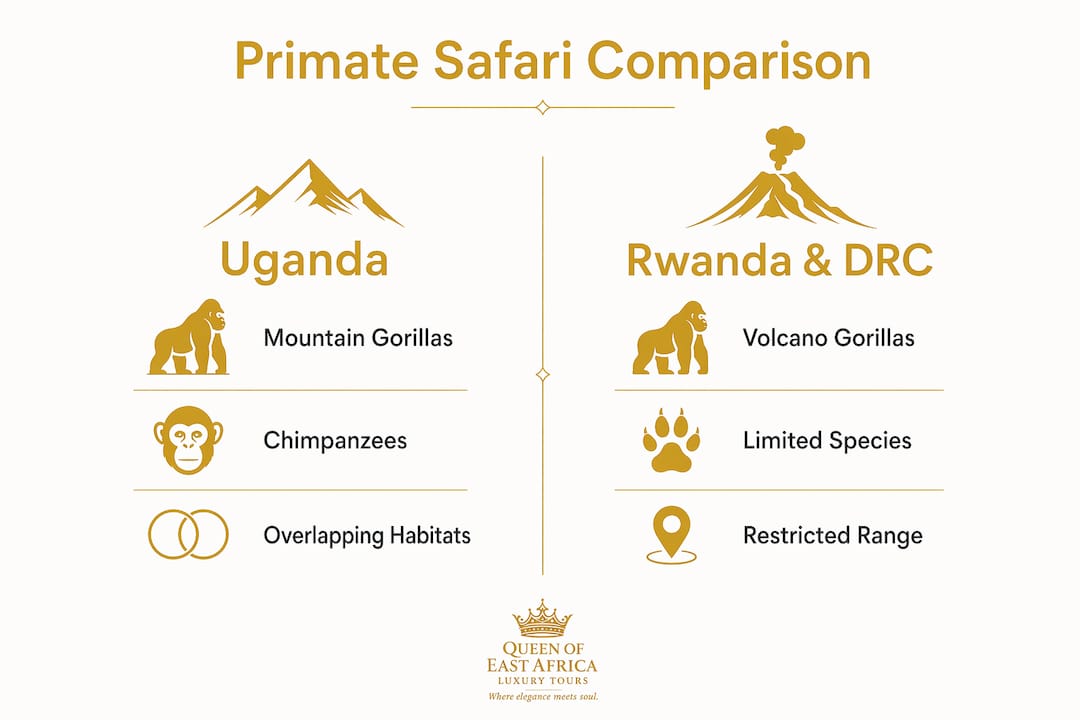
That ecological overlap is unique to Uganda at this scale. A Uganda primate safari here means you can track gorillas and chimpanzees in one itinerary. Rwanda’s Volcanoes National Park offers exceptional gorilla trekking, but the chimpanzee habitats are separate.
The Democratic Republic of Congo protects gorillas, but permits and access are less predictable for travelers. For biodiversity plus reliable logistics, a Uganda primate safari gives you both.
Uganda primate safari: Feature /Uganda Primate Safari / Rwanda / DRC
| Feature | Uganda | Rwanda | DRC |
|---|---|---|---|
| Mountain gorilla access | Bwindi and Mgahinga | Volcanoes NP | Virunga NP |
| Chimpanzee habitat overlap | Yes, confirmed in Bwindi and Kibale | Limited | Limited |
| Multi-primate itinerary | Yes, 8+ species possible | Primarily gorillas | Limited access |
| Tourism infrastructure | Well-developed | Well-developed | Developing |
| Conservation monitoring | SMART patrols, aerial surveys | Strong | Variable |
Pro Tip: When planning your Uganda primate safari, build your itinerary around Bwindi for gorillas, then add Kibale Forest National Park for chimpanzee tracking. The two parks are connected by a scenic drive through the Rwenzori foothills, making the combination both practical and breathtaking.
Murchison Falls National Park adds another dimension to a Uganda primate safari. and wildlife tours. Its Nile river landscapes and chimpanzee habitats create a blend of classic savannah and forest primates that no single-ecosystem destination can replicate. Uganda’s protected areas are not isolated parks. They form an interconnected circuit that makes a multi-park Uganda primate safari practical.
The circuit approach works because Uganda’s conservation model prioritises both primate health and visitor access.
How UWA Technology Makes a Uganda Primate Safari More Reliable
The Uganda Wildlife Authority manages primate populations with scientific rigour that directly improves your Uganda primate safari through SMART ranger patrols, aerial surveys, and digital ecological databases that track gorilla and chimpanzee movements in near real time. This technology-assisted approach means habituation groups are consistently located, reducing the uncertainty that can frustrate visitors on less-managed safaris.
Health Safety Rules on a Uganda Primate Safari
Health and safety are equally prioritised for adventure seekers weighing destinations amid global health uncertainties; these measures provide a decisive layer of confidence for your Uganda primate safari. Uganda implements thermal screening and mandatory sanitisation at all park gates, protocols that protect both travellers and the primate populations they come to see.
The conservation programme’s key operational pillars include:
- Continuous gorilla and chimpanzee habituation programmes that create stable, visitor-ready family groups.
- Strict group size limits of eight visitors per gorilla family per day, preserving the intimacy and ecological integrity of each encounter.
- Community conservation partnerships that give local populations economic stakes in protecting primate habitats.
- Regular veterinary monitoring of habituated gorilla groups to detect and address health threats early.
Pro Tip: Book your gorilla trekking permit for a Uganda primate safari at least six months in advance, particularly for the Bwindi sectors of Rushaga and Buhoma. Permit availability reflects the strict daily visitor limits that protect the gorillas, and peak season dates fill quickly.
The result of these layered conservation efforts is a safari experience grounded in evidence. When the Uganda Wildlife Authority reports stable gorilla numbers and growing chimpanzee populations, travellers can trust that the encounter they are planning is both sustainable and genuinely extraordinary.
Why a Uganda Primate Safari Beats Single Park Destinations
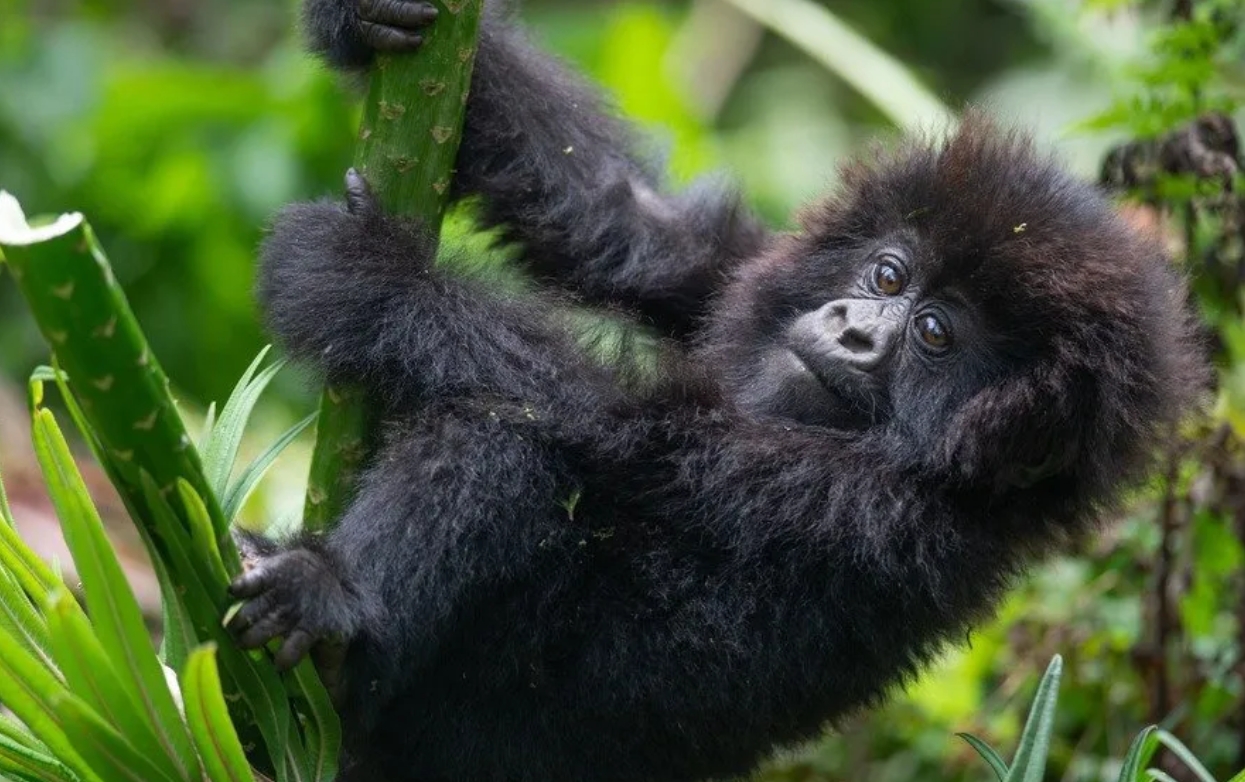
Uganda’s geography makes a multi-park Uganda primate safari not just possible, but seamless. The country’s protected areas form a natural circuit that lets you track mountain gorillas, chimpanzees, and savannah wildlife in one trip without either the trade-offs of Rwanda or Tanzania.
A well-structured Uganda primate safari typically follows this progression:
- Bwindi Impenetrable National Park for mountain gorilla trekking on your Uganda primate safari, with luxury options including Clouds Mountain Gorilla Lodge set within the forest itself.
- Kibale Forest National Park, for chimpanzee tracking, is widely regarded as the best single location in Africa for this experience.
- Queen Elizabeth National Park, accessible via Kasese, for tree-climbing lions, hippos, and the chimpanzees of Kyambura Gorge.
- Mgahinga Gorilla National Park for golden monkey tracking and a second gorilla trek to extend your Uganda primate safari in a volcanic setting.
| Park | Primary Primate | Secondary Wildlife | Luxury Lodge Option |
|---|---|---|---|
| Bwindi Impenetrable NP | Mountain gorilla trekking | Chimpanzee, L’Hoest’s monkey | Clouds Mountain Gorilla Lodge |
| Kibale Forest NP | Chimpanzee | Red colobus, olive baboon | Primate Lodge Kibale |
| Queen Elizabeth NP | Chimpanzee (Kyambura) | Tree-climbing lions, elephants | Kyambura Gorge Lodge |
| Mgahinga Gorilla NP | Mountain gorilla | Golden monkey | Mount Gahinga Lodge |
Uganda’s protected ecosystems mean you don’t have to choose between gorillas or chimpanzees. A single Uganda primate safari delivers both, plus savannah wildlife, crater lakes, and Murchison Falls. That’s why travelers planning multi-species encounters start here. Ready to map your circuit?
Why Choose a Uganda Primate Safari Over Rwanda or Congo
Uganda’s position as the premier destination for a Uganda primate safari is supported by measurable factors. Rwanda offers exceptional gorilla trekking in Volcanoes National Park with permits, currently at $1,500, while Uganda’s permits are $800.
The DRC protects the other half of the world’s mountain gorillas in Virunga National Park. However, Uganda uniquely combines gorilla and chimpanzee habitats at scale, which is why a Uganda primate safari delivers multi-species encounters in one itinerary.
Conservation Rules That Protect Your Uganda Primate Safari
- Species diversity: Eight or more primate species accessible within a single Uganda Primate safari itinerary, compared to one or two in most single park destinations.
- Population stability: Verified gorilla and chimpanzee population growth on a Uganda primate safari, backed by the 2026 UWA census, providing evidence-based confidence in encounter quality.
- Conservation infrastructure: Gorilla trekking permits for Uganda primate safaris are priced lower than Rwanda’s, making luxury safari packages more accessible without compromising the quality of the encounter.
- Value: Gorilla trekking permits in Uganda are priced lower than Rwanda’s, making luxury safari packages more accessible without compromising the quality of the encounter.
Uganda’s evidence-based approach means your Uganda primate safari is built on decades of Conservation science and community partnerships. The result is the most diverse and reliable circuit on the continent. Ready to compare itineraries and permit dates?
Key takeaways
Uganda’s unique primate safari experience is built on verified population stability, overlapping great ape habitats, and conservation-backed tourism infrastructure that no other African destination replicates at this scale.
Key Point for Uganda Uganda Primate Safari
| Point | Details |
|---|---|
| Stable gorilla population | Mountain gorillas are confirmed at 459 individuals, giving travelers reliable encounter opportunities. |
| Growing chimpanzee numbers | Chimpanzees increased from 5,072 to 6,075, reflecting sustained conservation success across Uganda’s forests. |
| Habitat overlap at Bwindi | 426 chimpanzees share gorilla territory in Bwindi, making it a true great ape ecosystem. |
| Multi-park itinerary advantage | Bwindi, Kibale, Mgahinga, and Queen Elizabeth NP combine for unmatched primate diversity in one trip. |
| Safe tourism protocols | Thermal screening and mandatory sanitization at park gates protect travelers and primate populations alike. |
Uganda Primate Safari 2026: Why Seasoned Travellers Choose Bwindi Over Rwanda
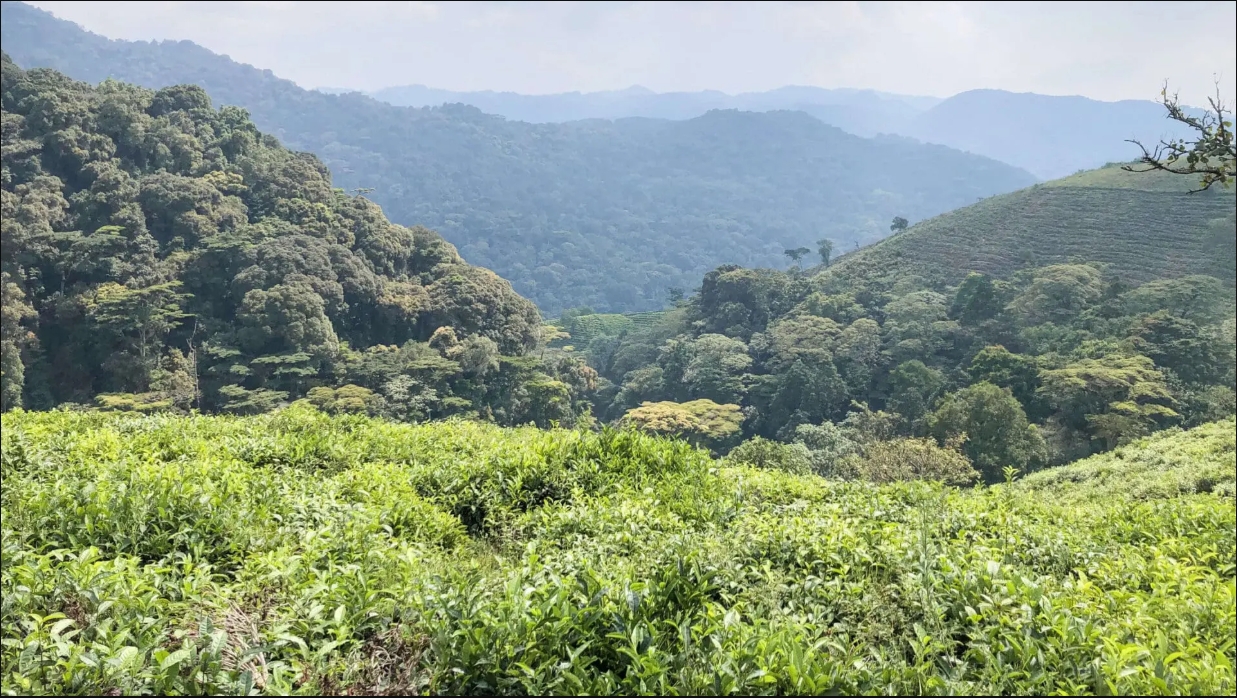
After years of designing Uganda primate safari itineraries, I still find myself moved by what Uganda delivers that Rwanda and Tanzania cannot. The moment that stays with me is not the gorilla encounter itself, extraordinary as it is. It is the realisation, standing in Bwindi’s cathedral-like forest on a Uganda primate safari, that the chimpanzee calling from the canopy are residents of the same ecosystem, not a separate day trip you book later.
What the 2026 UWA census data makes clear is why a Uganda primate safari delivers reliable encounters. SMART patrols, aerial surveys, and community partnerships have produced measurable results. The chimpanzee population grew from 5,072 to 6,075, while the mountain gorilla population is currently 459. That growth is not luck. It is why your Uganda primate safari booking has science behind it.
For adventure travelers who want a Uganda primate safari to mean something beyond the photographs, Uganda’s evidence-based conservation is the reason to choose it over Rwanda or the DRC, a competitor.
Safe tourism protocols add confidence for 2026 travel. And the ability to see gorillas at dawn in Bwindi and chimpanzees at dusk in Kyambura Gorge on one Uganda primate safari. It is something I have never found replicated elsewhere. Ready to see permit dates
Experience Uganda’s primate wonders with Queen of East Africa Luxury Tours
Experience Uganda’s primate wonders with Queen of East Africa Luxury Tours, which designs privately guided primate safaris that move seamlessly between Uganda’s most extraordinary great ape habitats, from the mist-veiled forests of Bwindi to the chimpanzee-rich canopy of Kibale.
Every itinerary is built around verified population data, expert local guides, and premium lodges that place you at the heart of the wilderness without sacrificing comfort.
Whether you are drawn to the soul-stirring intimacy of a luxury gorilla trekking safari or a 14-day Uganda luxury safari that weaves together gorillas, chimpanzees, savannah wildlife, and crater lake scenery, Queen of East Africa Luxury Tours crafts the experience around you. Contact us today to begin planning your most unforgettable primate adventure.
FAQ
How many mountain gorillas live in Uganda?
Uganda’s mountain gorilla population is stable at 459 individuals according to the 2026 Uganda Wildlife Authority census. This confirmed stability makes Uganda one of the most reliable destinations for gorilla trekking in the world. Check current Uganda gorilla permit availability for 2026 dates here, ” Link to permit page.
How to See Gorillas and Chimpanzees on One Ugandan Primate Safari?
Yes. A census confirmed 426 chimpanzees in Bwindi alongside mountain gorillas, and Kibale Forest National Park offers dedicated chimpanzee tracking. A well-planned itinerary can include both species within a single trip. “You want a custom itinerary that includes both? Talk to our safari planners.”
Is Uganda Safe for Primate Safaris in 2026-2027?
Uganda implements thermal screening and sanitisation at all national park gates as part of its safe tourism protocols. These measures protect both visitors and the primate populations they encounter.
Which Ugnada Park is best for chimpanzee trekking?
Kibale Forest National Park is widely regarded as Africa’s premier chimpanzee trekking destination, with one of the highest densities of habituated chimpanzee groups on the continent. Bwindi and Kyambura Gorge offer additional chimpanzee encounters within broader primate safari itineraries. Kibale tour link
Uganda vs Rwanda Gorilla Trekking: Cost, Experience, and Permits
Uganda offers lower permit costs, greater primate species diversity, and multi-park itinerary options that Rwanda’s more focused gorilla circuit cannot match.
Rwanda’s Volcanoes National Park delivers a refined experience, but Uganda’s combination of gorillas, chimpanzees, and eight or more additional primate species across connected parks makes it the stronger choice for travelers seeking the best primate adventure in Africa.
How much does a Ugandan primate safari cost in 2026/2027?
The Uganda primate safari ranges between $3,500 and $12,000, and the permit goes for $800 for gorilla trekking and $300 for chimpanzee trekking.
What is the best time for a Uganda primate safari?
The best time for primate trekking is during the dry months of June to September and December to February.
How hard is gorilla trekking in Uganda?
Gorilla trekking in Uganda requires some physical fitness, but with prior briefings before the activity and assistance offered, our guides match trek difficulty to your fitness level.
Contact us: https://queensafaris.com/