Compare gorilla trekking in Rwanda vs Uganda with expert insights on permits, luxury lodges, trekking difficulty, wildlife, and responsible travel planning.
Why Gorilla Trekking Is One of Africa’s Greatest Wildlife Experiences
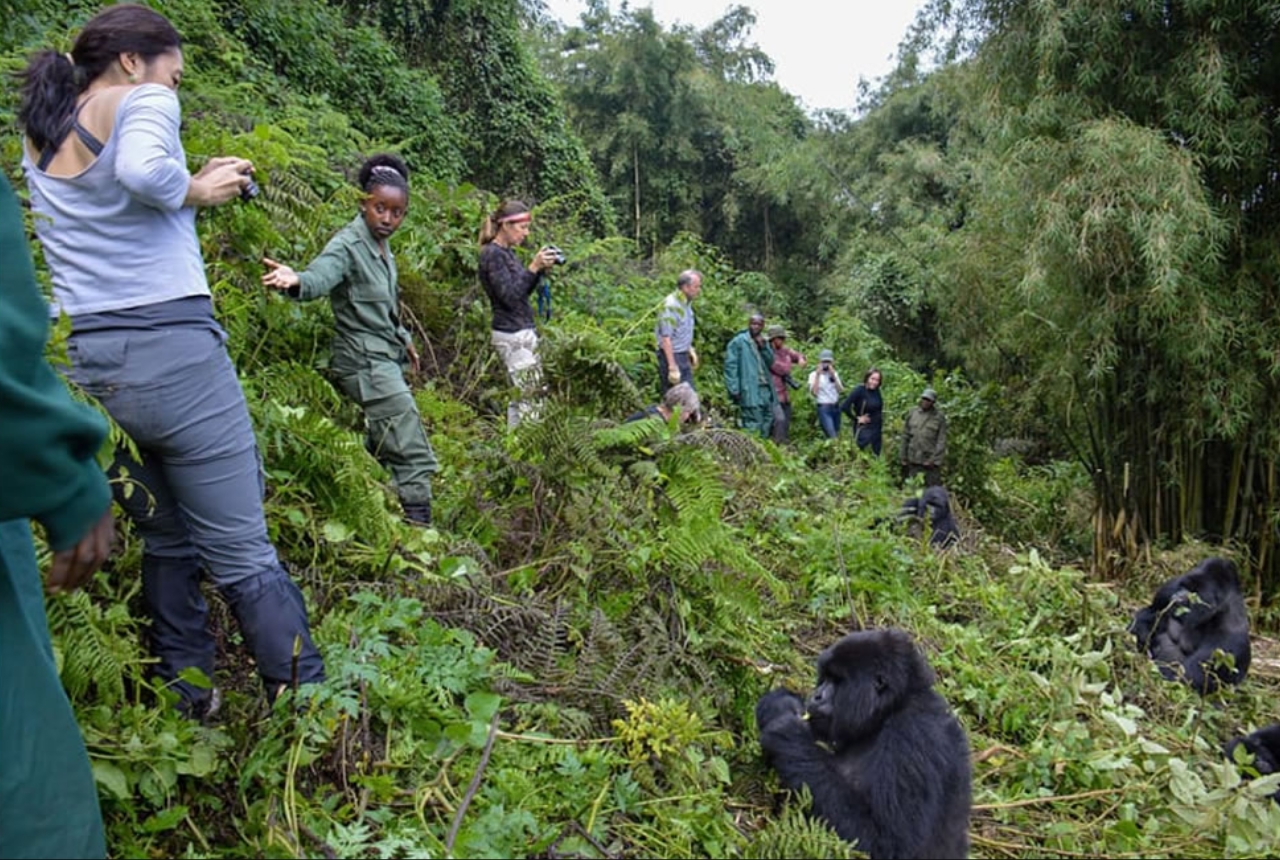
The forest falls silent as your guide signals for everyone to stop. Moments later, the dense vegetation parts to reveal a towering silverback calmly watching over his family. Young gorillas tumble through the undergrowth, mothers cradle their infants, and the rainforest echoes with the gentle sounds of one of the world’s rarest wildlife encounters.
For one unforgettable hour, you become a respectful guest in the home of the endangered mountain gorilla, a privilege experienced by only a small number of travellers each day.
This extraordinary encounter is why gorilla trekking is considered one of Africa’s most rewarding wildlife adventures. It is not simply about seeing gorillas; it is about witnessing a remarkable conservation success story while supporting the long-term protection of one of humanity’s closest relatives.
For many travellers, however, one important question arises long before they lace up their hiking boots:
Should You Choose Gorilla Trekking in Rwanda vs Uganda?
Both countries offer exceptional opportunities to observe mountain gorillas in their natural habitat, yet each provides a distinctly different journey. Rwanda is renowned for its seamless luxury, efficient logistics, and elegant lodges nestled beneath the Virunga Volcanoes.
Uganda, meanwhile, rewards adventurous travellers with ancient rainforests, greater wildlife diversity, and outstanding value for longer safari itineraries.
Choosing between them depends on far more than permit prices. Your available time, travel style, fitness level, conservation interests, and overall safari ambitions all shape which destination will deliver your ideal experience.
This comprehensive guide compares every important aspect of gorilla trekking in Rwanda vs Uganda, helping you confidently select the destination that best matches your dream East African safari.
Gorilla Trekking Rwanda vs Uganda at a Glance
Before exploring the details, here’s a quick comparison based on the priorities of most luxury travellers.
| Your Priority | Best Choice |
|---|---|
| Short luxury escape (3–5 days) | Rwanda |
| Best value for money | Uganda |
| Ultra-luxury lodges | Rwanda |
| Diverse wildlife safari | Uganda |
| Easier travel logistics | Rwanda |
| Longer immersive rainforest adventure | Uganda |
| More permit availability | Uganda |
| Combine gorillas and chimpanzees | Uganda |
Although the experience of spending one hour with a habituated gorilla family is identical in both countries, everything surrounding that magical hour differs. The journey to the park, the landscapes, the accommodation, the trekking conditions, the conservation model, and the overall atmosphere create two equally extraordinary, but very different, luxury safari experiences.
Understanding these differences allows you to choose a journey that reflects your interests, whether you prefer effortless sophistication or a deeper wilderness adventure.
Mountain Gorillas, Conservation, and Why Your Choice Matters
One of the most inspiring aspects of gorilla trekking is knowing your visit directly contributes to the survival of an endangered species.
Today, just over one thousand mountain gorillas remain in the wild, living exclusively within the mist-covered forests spanning Uganda, Rwanda, and the Democratic Republic of the Congo. Their recovery from the brink of extinction is widely regarded as one of Africa’s greatest conservation achievements.
Unlike many wildlife experiences, gorilla trekking operates under strict conservation principles. Visitor numbers are carefully limited, only habituated gorilla families can be visited, and every trek is led by highly trained rangers and trackers who monitor the health and behaviour of each family daily.
Permit fees play a vital role in funding:
- Anti-poaching patrols that protect gorilla habitats.
- Veterinary care for injured or sick gorillas.
- Scientific research and monitoring.
- Habitat restoration initiatives.
- Community development projects that create sustainable livelihoods around protected forests.
Responsible tourism has transformed neighbouring communities into active conservation partners. Revenue from tourism supports schools, healthcare, infrastructure, and employment, giving local families a meaningful incentive to protect the forests instead of exploiting them.
Every permit purchased becomes an investment in conservation, ensuring future generations can continue experiencing these remarkable primates in the wild.
Gorilla Trekking Permits, Availability, and Costs
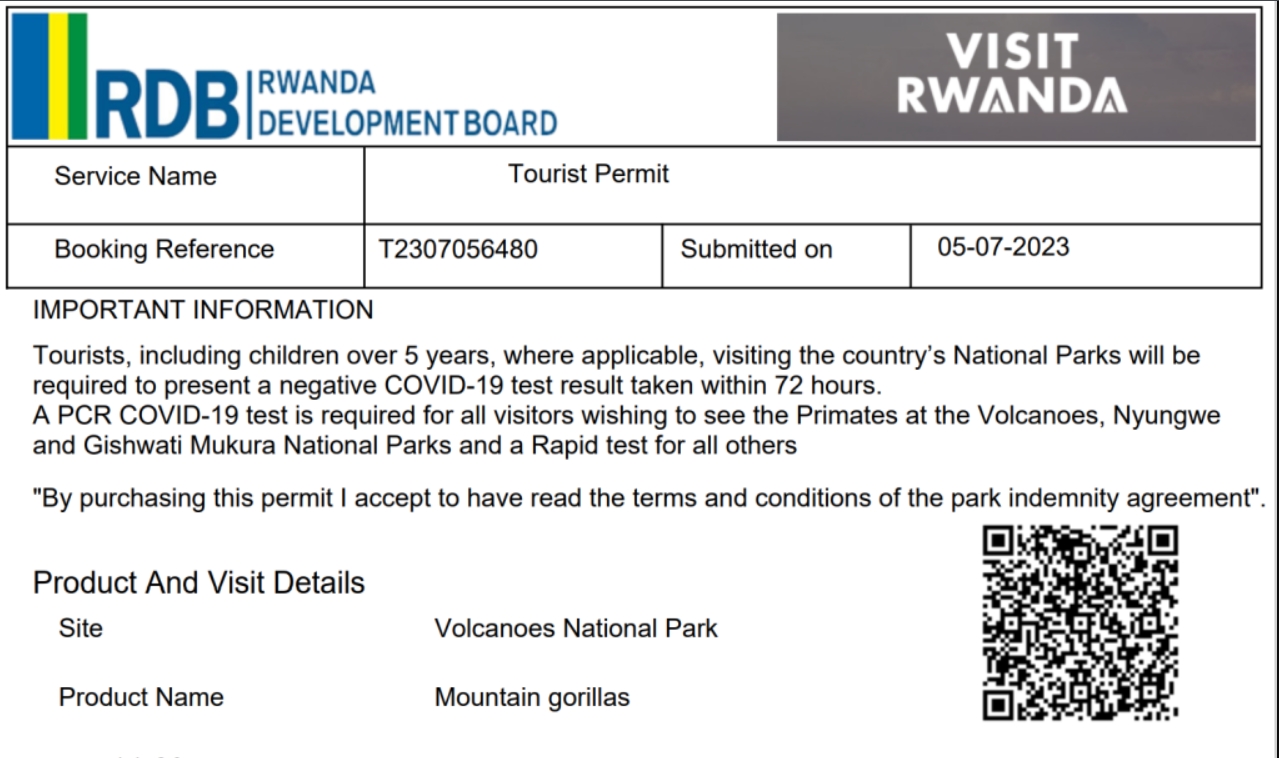
For many travellers comparing gorilla trekking in Rwanda vs Uganda, permit costs represent the most noticeable difference. However, understanding what these permits support reveals why they are considered one of the most valuable conservation investments in African tourism.
Rwanda Gorilla Trekking Permits
Rwanda has positioned itself as a premium, low-volume luxury destination.
A standard Rwanda gorilla trekking permit costs USD 1,500 per person, reflecting the country’s emphasis on exclusive experiences, conservation funding, and high-quality visitor management.
The premium pricing contributes to the following:
- Gorilla conservation
- Community revenue-sharing programmes
- Veterinary interventions
- Park management
- Sustainable tourism development
Travellers extending their stay by visiting destinations such as Akagera National Park or Nyungwe National Park may also qualify for promotional permit packages, adding further value to a broader Rwanda itinerary.
Uganda Gorilla Trekking Permits
Uganda offers exceptional value while maintaining equally high conservation standards.
A gorilla trekking permit costs USD 800 per person for international visitors, making Uganda particularly attractive for couples, families, and travellers planning longer East African safaris.
The savings often allow visitors to upgrade to luxury forest lodges, extend their safari, or combine gorilla trekking with chimpanzee tracking and classic wildlife experiences.
Uganda also offers one of Africa’s most exclusive wildlife experiences, the Gorilla Habituation Experience. Limited to just four guests each day, this remarkable activity allows visitors to spend up to four hours observing researchers gradually acclimating wild gorillas to human presence.
For wildlife enthusiasts and photographers, it provides a deeper understanding of gorilla behaviour and conservation science.
Gorilla Trekking Rwanda vs Uganda: When Should You Book?
Demand for permits continues to increase, especially during the dry seasons from June to September and December to February.
To secure preferred travel dates, Queen of East Africa Luxury Tours recommends booking permits 6-12 months in advance, particularly for honeymooners, photographers, and luxury travellers seeking the finest lodges.
Early planning also provides greater flexibility when designing tailor-made itineraries that combine gorilla trekking with other iconic East African experiences.
Getting There: Gorilla Trekking Rwanda vs Uganda
The journey to the gorillas shapes the overall safari experience just as much as the trek itself.
Rwanda: Effortless Luxury from Arrival
Rwanda offers one of Africa’s most accessible gorilla trekking experiences.
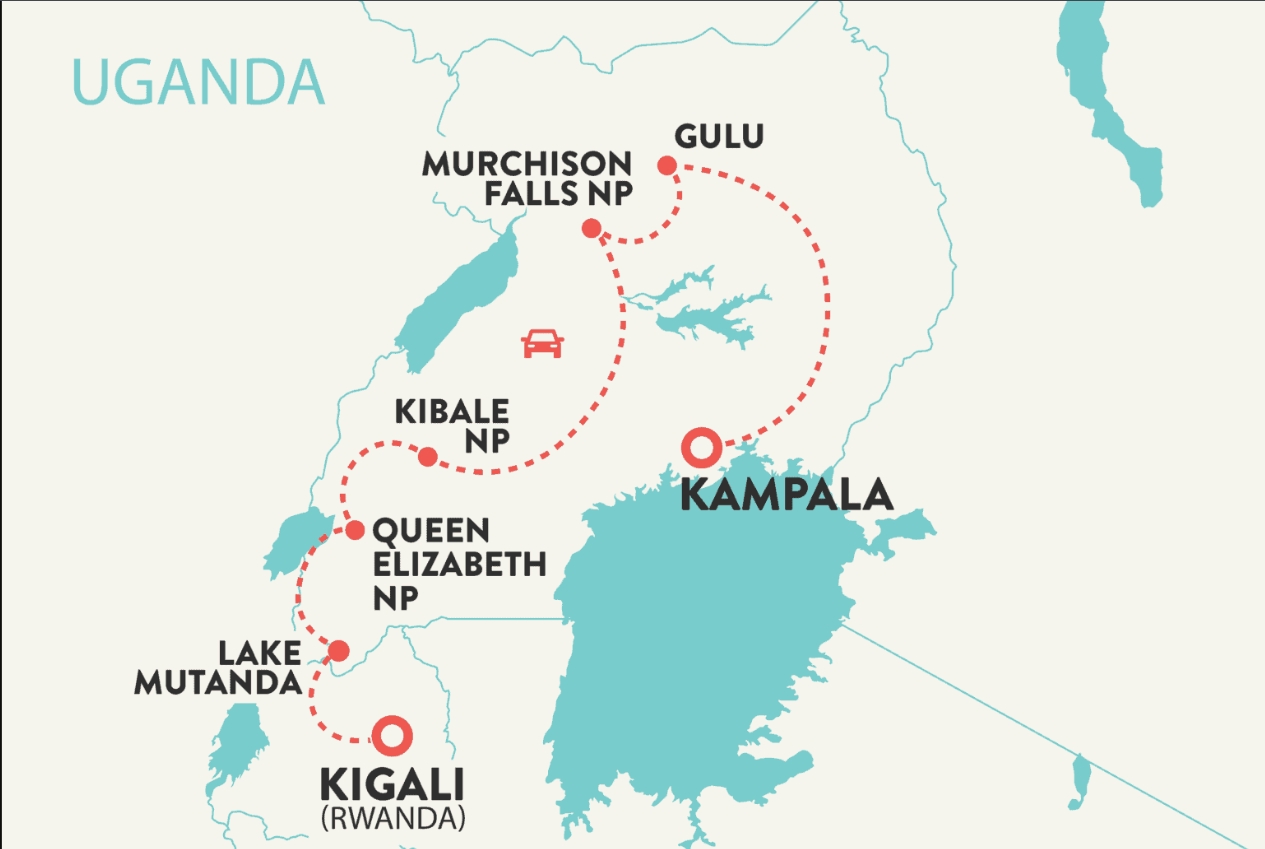
After arriving at Kigali International Airport, travellers enjoy a scenic drive of just two to three hours through rolling hills and immaculate countryside before reaching Volcanoes National Park.
This efficiency makes Rwanda ideal for:
- Luxury weekend escapes
- Short East African holidays
- Honeymoon itineraries
- Business travellers extending their stay
For the ultimate convenience, helicopter transfers reduce travel time even further while offering breathtaking aerial views of Rwanda’s volcanic landscapes.
Uganda: A Journey Through the Pearl of Africa
Uganda rewards travellers willing to venture deeper into East Africa’s spectacular wilderness.
From Entebbe International Airport, guests may choose a scenic road journey through rural villages, tea plantations, crater lakes, and the breathtaking Kigezi Highlands before arriving in Bwindi Impenetrable National Park.
Luxury travellers often prefer scheduled domestic flights to Kihihi or Kisoro Airstrips, followed by comfortable transfers to their forest lodges.
Many guests also choose an increasingly popular option, flying into Kigali before crossing into Uganda via the Cyanika or Katuna border posts. This route significantly shortens travel time while allowing visitors to enjoy Uganda’s lower permit prices and exceptional biodiversity.
Whether you choose Rwanda’s efficiency or Uganda’s immersive journey, both routes become memorable parts of the overall safari experience rather than simply transfers between destinations.
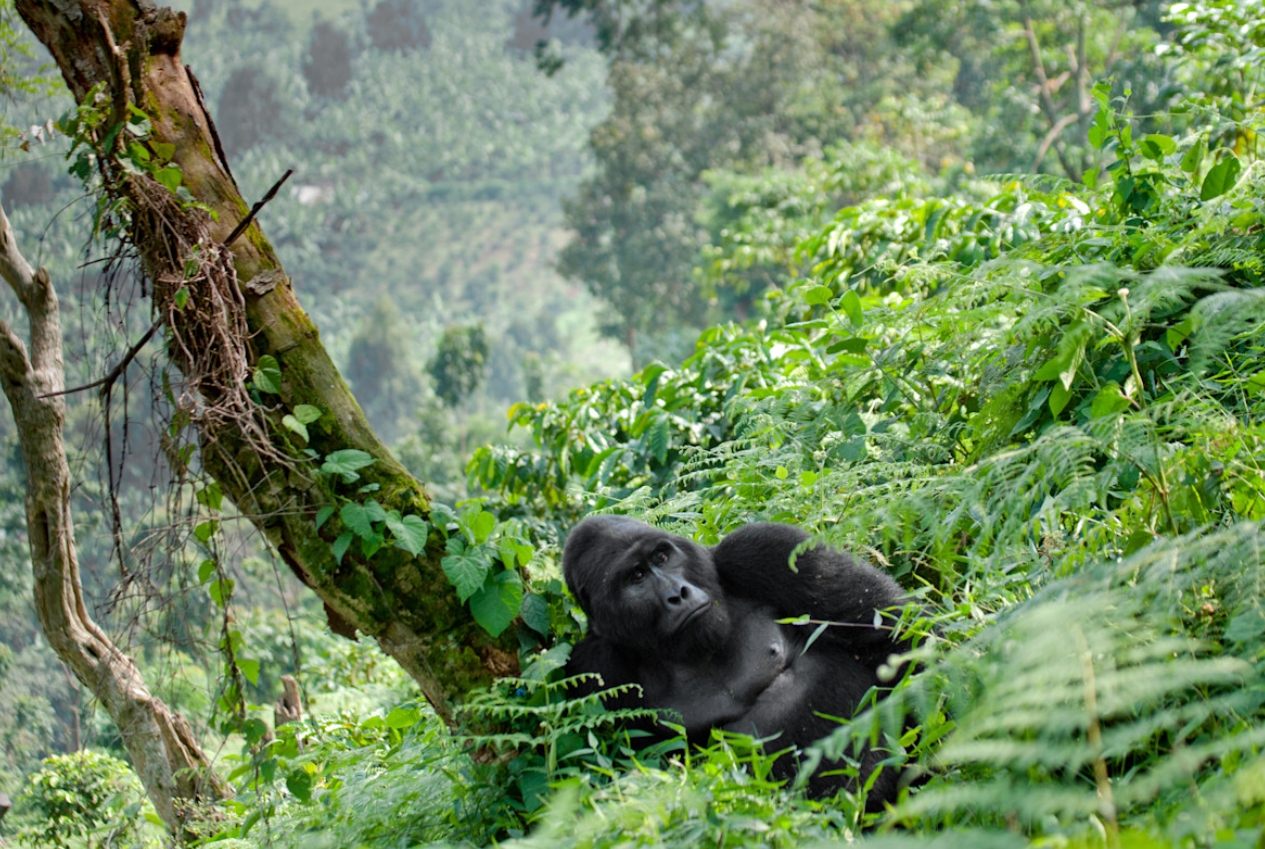
Trekking Experience: Volcanoes National Park vs Bwindi Impenetrable National Park
Although both Rwanda and Uganda offer the same unforgettable reward, an hour in the company of a habituated mountain gorilla family, the journey to reach them feels remarkably different.
Volcanoes National Park: Elegant Volcano Slopes and Predictable Trails
Nestled within the spectacular Virunga Mountains, Rwanda’s Volcanoes National Park is characterised by bamboo forests, volcanic terrain, and open vegetation. The trails are generally easier to navigate, offering clearer visibility and excellent photography opportunities.
Because the park lies just a few hours from Kigali, travellers can enjoy a relaxed morning before heading to the briefing centre, making Rwanda especially appealing for luxury travellers seeking comfort and efficiency.
Bwindi Impenetrable National Park: Africa’s Ancient Rainforest
Uganda’s Bwindi Impenetrable National Park offers an entirely different atmosphere. This UNESCO World Heritage Site is one of Africa’s oldest rainforests, where towering trees, hanging vines, giant ferns, and mist-covered valleys create a truly immersive wilderness experience.
Treks often involve traversing muddy slopes, crossing streams, and climbing steep ridges as experienced trackers lead visitors through dense vegetation. Every hike feels like a genuine expedition into one of the continent’s last untouched forests.
While Bwindi may require greater physical effort, many travellers describe the rainforest itself as an unforgettable part of the adventure.
Gorilla Trekking Rwanda vs Uganda: Which Trek Matches Your Travel Style?
If you value accessibility, shorter transfers, and a refined luxury experience, Rwanda is an excellent choice.
If you dream of a deeper wilderness adventure filled with dramatic scenery, rich biodiversity, and the excitement of exploring an ancient rainforest, Uganda delivers an extraordinary experience.
Regardless of which destination you choose, experienced rangers carefully assign gorilla families according to guests’ fitness levels whenever possible, ensuring every visitor enjoys a safe and memorable trek.
Gorilla Families and Group Dynamics
The habituated gorilla families in Uganda and Rwanda each offer a unique trekking experience shaped by their social structures, personalities, and conservation history.
Rwanda’s Volcanoes National Park has 12 habituated families, including the iconic Susa and Kwitonda groups, with treks organised from a single headquarters in Kinigi, allowing rangers to match visitors with families based on fitness levels.
Uganda offers access to more than 25 habituated families across the four trekking sectors of Bwindi Impenetrable National Park, Buhoma, Ruhija, Rushaga, and Nkuringo, as well as the famous Nyakagezi family in Mgahinga Gorilla National Park. Because each sector has its own trailheads and lodges, visitors should stay close to their allocated trekking area.
Regardless of destination, every gorilla family is led by a dominant silverback and displays fascinating social interactions between mothers, infants, juveniles, and other members, creating an intimate and emotional wildlife encounter that is carefully managed to protect the gorillas while supporting long-term conservation.
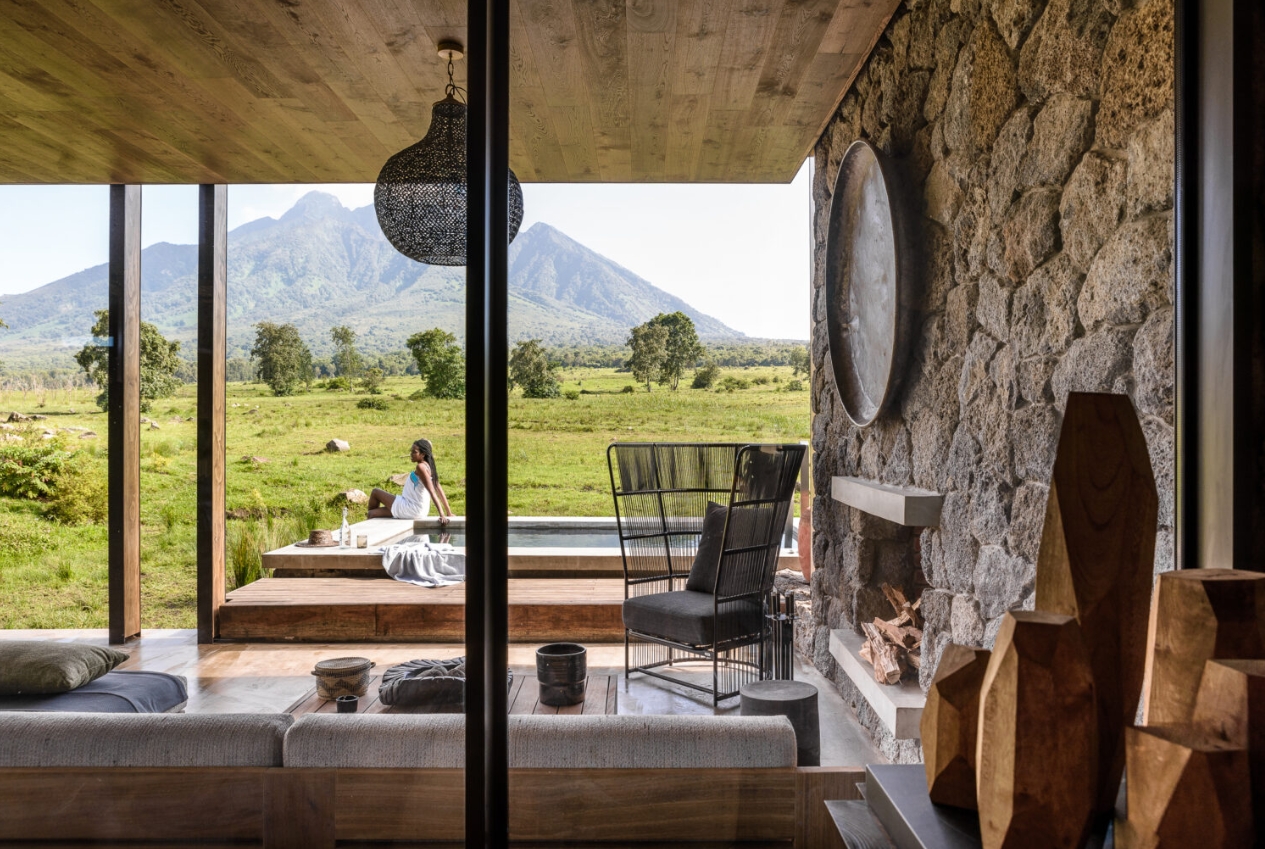
Luxury Lodges That Elevate the Gorilla Trekking Experience
Luxury Lodges That Elevate the Gorilla Trekking Experience
Luxury accommodation in both Uganda and Rwanda has evolved into a defining part of the gorilla trekking experience, combining exceptional comfort with personalised service and remarkable natural settings.
In Rwanda, Volcanoes National Park is home to world-class properties such as Singita Kwitonda Lodge and One & Only Gorilla’s Nest, offering elegant suites, gourmet cuisine, wellness spas, private butler service, and spectacular views of the Virunga Volcanoes.
Uganda’s Bwindi Impenetrable National Park features renowned luxury lodges, including Sanctuary Gorilla Forest Camp, where wild gorillas occasionally wander through the camp; and Clouds Mountain Gorilla Lodge, which is celebrated for its panoramic volcano views, stone cottages, and personalised hospitality.
Whether in Uganda or Rwanda, these exceptional lodges elevate the adventure beyond the trek itself, allowing guests to unwind in comfort while reflecting on an unforgettable encounter with mountain gorillas.
At Queen of East Africa Luxury Tours, we carefully match every client with accommodation that complements their travel style, ensuring every element of the journey reflects comfort, authenticity, and responsible luxury.
Beyond Gorilla Trekking: Discover More of East Africa
Although gorilla trekking is often the highlight of an East African journey, it is only the beginning.
Complete Luxury Safaris in Uganda
Uganda offers exceptional diversity, allowing travellers to combine multiple world-class wildlife experiences within one itinerary, including the following:
- Chimpanzee trekking in Kibale National Park.
- Tree-climbing lions in Queen Elizabeth National Park.
- Boat safaris along the Kazinga Channel.
- The thunderous Murchison Falls.
- Scenic Lake Bunyonyi.
- Cultural encounters with local communities.
Luxury Experiences in Rwanda
Rwanda complements gorilla trekking with equally rewarding adventures, such as the following:
- Golden monkey trekking.
- Nyungwe Forest canopy walks.
- Big Five game drives in Akagera National Park.
- The Kigali Genocide Memorial.
- Dian Fossey’s historic research centre.
- Authentic cultural experiences in local communities.
For travellers seeking the ultimate East African adventure, Queen of East Africa Luxury Tours creates bespoke itineraries that combine Uganda, Rwanda, Kenya, Tanzania, and Zanzibar into one seamless luxury safari.
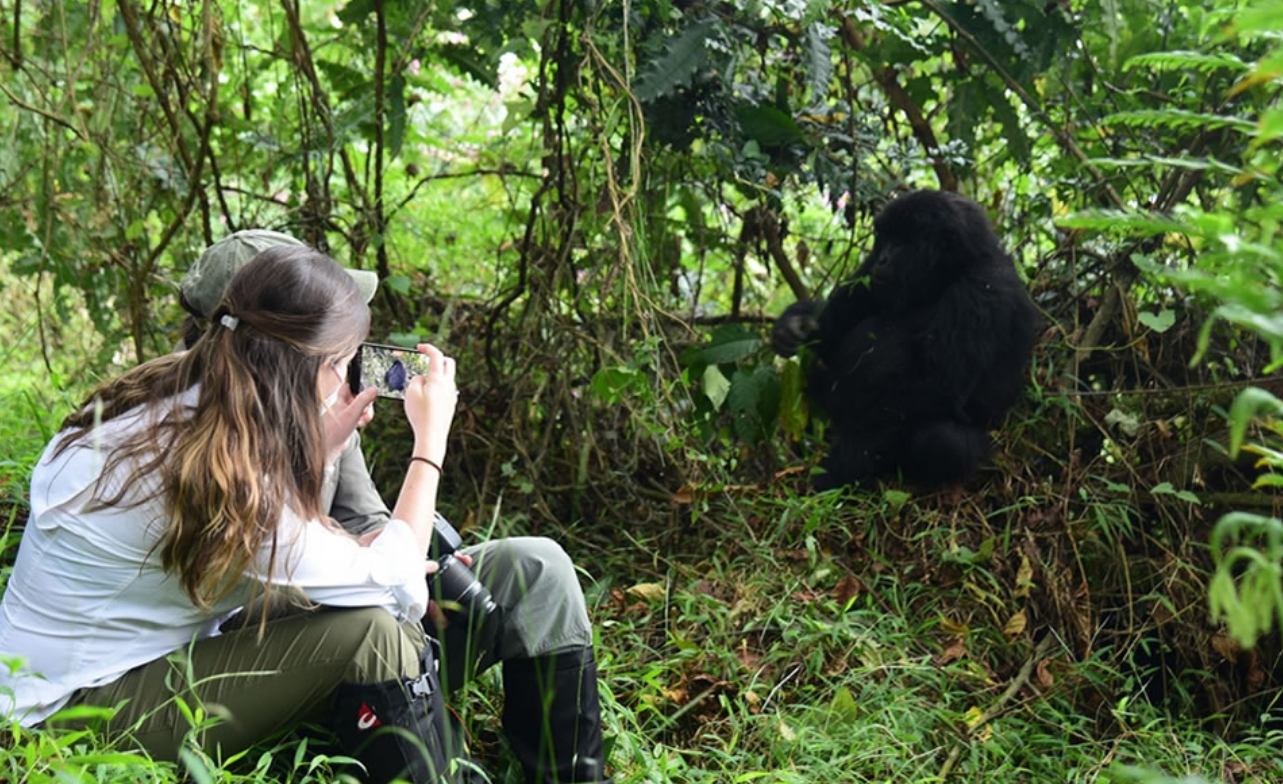
Responsible Gorilla Trekking: Travel That Makes a Difference
Luxury travel and responsible tourism go hand in hand.
Every responsible traveller contributes directly to protecting mountain gorillas and supporting the communities living alongside their fragile habitats.
When trekking, visitors should always:
- Maintain the required distance from gorillas.
- Wear a face mask whenever instructed.
- Never trek while feeling unwell.
- Follow ranger instructions at all times.
- Keep noise to a minimum.
- Avoid flash photography.
- Respect the natural behaviour of the gorillas.
Hiring local porters is another meaningful way to support conservation. Beyond carrying backpacks and assisting on steep trails, many porters are former poachers whose livelihoods have been transformed through sustainable tourism.
Choosing environmentally responsible lodges and experienced local operators further strengthens conservation efforts while ensuring tourism continues to benefit both wildlife and surrounding communities.
Expert Tips for Planning Your Gorilla Trek
Careful preparation will make your gorilla trekking adventure even more enjoyable.
Before travelling, remember to:
- Book permits at least six to twelve months in advance.
- Wear waterproof hiking boots with good ankle support.
- Pack lightweight rain gear, even during the dry season.
- Bring gardening gloves for gripping vegetation.
- Carry a reusable water bottle and energy snacks.
- Hire a local porter for additional support.
- Choose comfortable, neutral-coloured clothing.
- Bring travel insurance covering adventure activities.
- Check visa requirements before departure.
- Consult your healthcare provider regarding recommended vaccinations and medications.
- A little preparation goes a long way towards ensuring a safe, comfortable, and unforgettable experience.
Gorilla Trekking Rwanda vs Uganda: Which Destination Should You Choose?
There is no universally “better” destination, only the destination that best matches your travel goals.
Choose Rwanda if you value:
- Short luxury holidays.
- Effortless logistics.
- Ultra-luxury accommodation.
- Premium service.
- Convenient access from Kigali.
Choose Uganda if you prefer:
- Greater value for money.
- Longer safari adventures.
- Diverse wildlife experiences.
- Ancient rainforest landscapes.
- Combining gorillas with chimpanzees and classic game viewing.
Whichever destination you select, the reward remains the same: an unforgettable encounter with one of Earth’s most endangered and captivating species.
Frequently Asked Questions
1. Is Gorilla Trekking in Rwanda vs Uganda Better?
Both offer exceptional experiences. Rwanda excels in accessibility and luxury, while Uganda provides greater value, more gorilla families, and broader safari opportunities.
2. When is the Best Time for Gorilla Trekking?
The dry seasons, from June to September and December to February, offer the best trekking conditions, although gorilla trekking is available throughout the year.
3. Is Gorilla Trekking Difficult?
Trekking ranges from easy to challenging depending on the location of the gorilla family. A moderate level of fitness is recommended.
4. How Close Can Visitors Get to Mountain Gorillas?
Visitors must generally maintain a distance of approximately 10 metres to minimise the risk of disease transmission while ensuring the gorillas remain comfortable.
5. Can Children Go Gorilla Trekking?
No. The minimum trekking age in both Rwanda and Uganda is 15 years.
6. Do I Need a Porter?
Yes, hiring a porter is highly recommended. Besides making the trek easier, it directly supports local livelihoods and conservation.
7. Can I Combine Rwanda and Uganda in One Safari?
Absolutely. Many luxury itineraries begin in Kigali before continuing into Uganda, combining Rwanda’s convenience with Uganda’s outstanding wildlife diversity.
8. What Should I Wear?
Wear long trousers, long-sleeved shirts, sturdy hiking boots, waterproof clothing, and gardening gloves for protection against vegetation.
Begin Your Bespoke Gorilla Safari with Queen of East Africa Luxury Tours
Every gorilla trek tells a different story.
Some begin beneath the volcanic peaks of Rwanda, where elegant lodges and seamless logistics create an effortlessly luxurious escape. Others unfold deep within Uganda’s ancient rainforest, where every winding trail reveals the untamed beauty of Africa’s last great wilderness.
Whichever journey inspires you, Queen of East Africa Luxury Tours creates tailor-made gorilla trekking safaris designed around your interests, pace, and travel aspirations.
From securing highly sought-after permits and arranging luxury accommodation to crafting multi-country itineraries across East Africa, every detail is handled with expertise, care, and a deep commitment to responsible tourism.
Whether you dream of a romantic honeymoon, a family wildlife adventure, a photographic expedition, or the ultimate luxury safari, our destination specialists will create a personalised itinerary that exceeds expectations while contributing to the long-term conservation of the endangered mountain gorilla.
Contact Queen of East Africa Luxury Tours today and let us design your bespoke luxury Gorilla Trekking Rwanda vs Uganda safari, an extraordinary journey where luxury, conservation, and unforgettable wildlife encounters come together in the heart of East Africa.