Plan your trip to Rwanda’s Nyungwe Forest National Park in Rwanda with our complete travel guide. Explore chimpanzee trekking, the famous canopy walk, luxury lodges, and hiking trails, among others.
Nyungwe Forest National Park is one of Africa’s oldest and most biodiverse rainforests, located in the southwestern corner of Rwanda near the Burundi border. This 1,019 square kilometre UNESCO World Heritage Site protects ancient montane forest that is home to 13 primate species, 317 bird species, and Africa’s most famous canopy walkway.
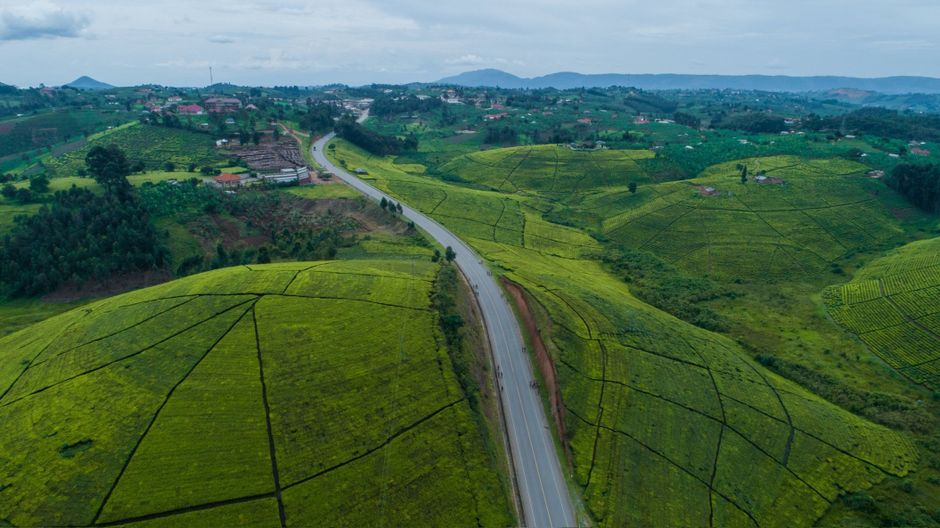
Whether you are coming for chimpanzee trekking, hiking, or birding, Nyungwe offers a quieter, wilder alternative to Rwanda’s gorilla parks. Plan for misty trails, rare monkeys, and views that stretch across tea plantations all the way to Lake Kivu.
Where Is Rwanda’s Nyungwe Forest National Park Located?
Nyungwe sits in southwestern Rwanda, about 225 km from Kigali. The drive takes 5 to 6 hours and passes through rolling hills and tea estates. The park shares a border with Burundi and lies just 2 hours from Huye and Butare. It’s easily combined with a trip to Lake Kivu or Akagera National Park.
Here is a quick overview of the park’s essentials:
| Feature | Details |
|---|---|
| Location | Southwestern Rwanda, bordering Burundi |
| Size | 1,019 km² of ancient rain forest |
| UNESCO Status | World Heritage Site since 2023 |
| Primates | 13, including chimps and colobus monkeys |
| Bird Species | 317, including 30 Albertine Rift endemics |
| Top Activities | Chimpanzee trekking, canopy walkway, hiking, birding |
| Distance from Kigali | 225 km (5–6-hour drive) |
| Best Time to Visit | June–September (dry season) |
| Chimpanzee Permit | ~$150 USD per person |
Most travellers who visit Rwanda come for the mountain gorillas. That is understandable. But in doing so, many walk straight past one of the continent’s most extraordinary wild places. Nyungwe is estimated to be over 70,000 years old, a forest that survived the last Ice Age and still holds more endemic species than any other forest in the Albertine Rift Mountains.
It feeds both the Congo and Nile river systems. It shelters 13 primate species in a single forest. And it offers experiences: a canopy walkway 70 metres above the forest floor and chimpanzee troops crashing through ancient trees and colobus monkey groups numbering in the hundreds that are genuinely rare anywhere on Earth.
This guide covers everything needed to plan a visit, from what to see and when to go, to where to stay and how to get there.
Wildlife and Biodiversity in Rwanda’s Nyungwe National Park
Nyungwe Forest National Park is not just a rainforest. It’s one of the largest montane forests in East and Central Africa and a true biodiversity hotspot.
This 1,019 km² UNESCO World Heritage Site, which was declared in September 2023, protects 13 primate species, equal to 25% of all primates in Africa. On a trek, you can spot chimpanzees, Angola colobus, and L’Hoest’s monkeys swinging through the canopy.
Birders come for the 317 bird species, including 30 Albertine Rift endemics found nowhere else on earth.
The forest survived the last Ice Age, so it became a refuge for life.
Over 70,000 years of uninterrupted growth created a layered ecosystem from 1,480m to nearly 3,000m above sea level. That range gives Nyungwe dense Afromontane forest, bamboo slopes, high-altitude grasslands, and deep wetlands.
It’s also home to 1,468 species of vascular plants, 73 of them globally threatened, plus hundreds of orchids, ferns, and giant lobelias.
Ready to see it yourself? Book a guided wildlife walk and see why Nyungwe Forest National Park is called Rwanda’s primate capital.
Why Rwanda’s Nyungwe Forest National Park Matters: Ecology and Water
Beyond beauty, Nyungwe Forest National Park is an ecological powerhouse for all of East Africa.
The park sits directly on the watershed divide between the Congo River basin and the Nile River basin. Researchers believe a remote source of the Nile actually begins on the slopes of Mount Bigugu inside Nyungwe.
Because of this, the forest acts like a giant water filter and sponge. It provides about 75% of Rwanda’s freshwater. Rivers flowing out of Nyungwe irrigate farms, support local communities, and drive the national economy.
The forest also provides invaluable ecological services on a global scale. It absorbs huge amounts of greenhouse gases, regulates regional climate, and brings reliable rainfall. Without it, southwestern Rwanda would be much drier, hurting both farming and biodiversity.
Want to understand the forest deeper? Join an eco-tour in Rwanda’s Nyungwe Forest National Park and learn how conservation protects water for millions of people.
Conservation and Community in Rwanda’s Nyungwe Forest National Park
The story of Nyungwe Forest National Park is a conservation comeback. Between 1958 and 1973, human encroachment, fires, and farming cut the forest by over 150 km². The last buffalo was killed in 1974 and the last forest elephant in 1999.
That changed in October 2020. The Rwanda Development Board signed a 20-year agreement with African Parks. As the Nyungwe Management Company, they rebuilt security, research, and community programs.
The biggest win is the eco-ranger program. Many rangers today are former poachers now trained to protect the wildlife they once hunted. They remove snares, monitor animals, and stop illegal mining.
Furthermore, conservation in Nyungwe is deeply tied to community development. Under Rwanda’s progressive tourism revenue-sharing scheme, 10% of all park revenues are directed to community projects in the surrounding areas, with an additional 5% dedicated to wildlife damage compensation.
Over 1,600 local people are actively engaged in sustainable economic activities through community-led cooperatives, directly benefiting more than 6,800 household members.
These initiatives include modern beekeeping associations (which produce organic forest honey outside the park boundaries), handicraft cooperatives, and agricultural projects, proving that the forest is worth far more to the local people alive and standing than cleared.
Your visit supports this work. When you book a permit for Nyungwe Forest National Park, you directly fund rangers and local communities.
Primates of Rwanda’s Nyungwe Forest National Park: Chimps, Colobus & More
For wildlife lovers, Nyungwe Forest National Park is a primate paradise. The park protects 85 mammal species, 32 amphibian species, and 38 reptile species. But primates are the real stars.
Nyungwe shelters 13 different primate species. That’s 25% of all Africa’s primates in one forest. This makes Nyungwe Forest National Park one of the best places on the continent for primate tracking and a core part of the Albertine Rift biodiversity.
Walking the trails here feels like stepping into a living documentary. You will hear chimps calling, see colobus troops moving like clouds, and spot rare monkeys in the canopy above.
Book your chimpanzee trekking permit early because Nyungwe Forest National Park allows only a limited number of groups per day.
Chimpanzee Trekking and Colobus Monkeys in Nyungwe
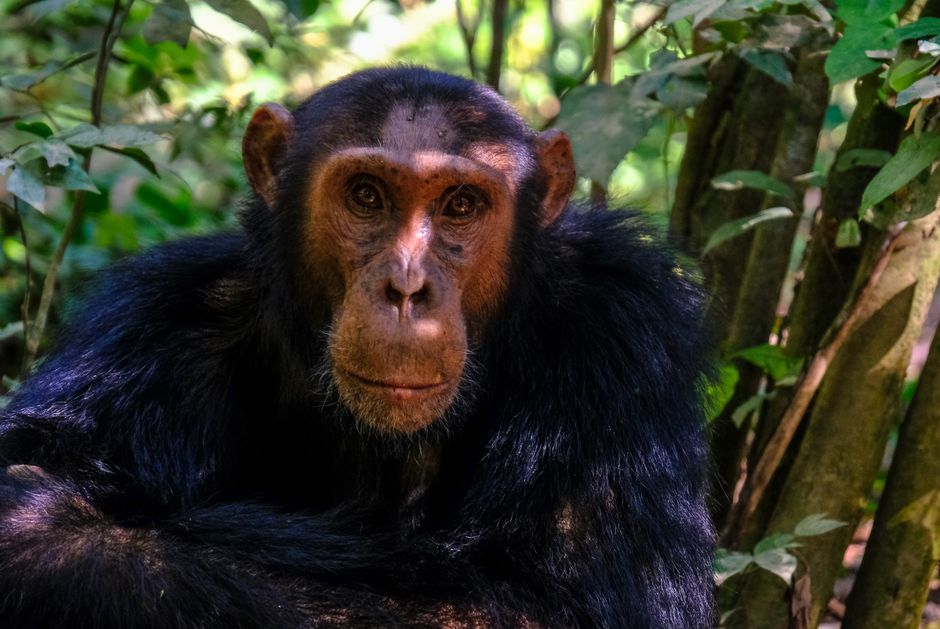
The top wildlife experience in Nyungwe Forest National Park is chimpanzee trekking. The park has two habituated chimp groups open to tourists.
The larger group has around 60 individuals and lives in the main forest. A second, more active group of about 30 lives in Cyamudongo Forest, a 19 km² fragment west of the main park that survived farming because of its steep slopes.
Colobus monkeys are the other highlight. Nyungwe is famous for the Ruwenzori colobus, also called Angola colobus. Unlike most primates, they form massive “super-groups.” Troops of up to 400 individuals have been seen moving together through the Gisakura area. It’s one of the only places in Africa where you can see this.
When exploring the forest, visitors should keep an eye out for these key primate species:
- Eastern Chimpanzee (Panthera troglodytes schweinfurthii) – Energetic, vocal, and incredibly human-like.
- Angola Colobus Monkey (Colobus angolensis ruwenzorii) – Known for their beautiful long white hair and massive social troops.
- L’Hoest’s Monkey (Allochrocebus lhoesti) – A handsome, dark-furred monkey with a striking white ruff, often seen foraging on the forest floor.
- Silver Monkey (Cercopithecus doggetti) – A blue monkey subspecies with a beautiful silvery coat.
- Grey-cheeked Mangabey (Lophocebus albigena) – A tree-dwelling primate with a distinct shaggy appearance.
- Dent’s Mona Monkey (Cercopithecus denti) – A colourful, small monkey that loves the high canopy.
Want the best photos? Go with a guide in Nyungwe Forest National Park. They know where the super-groups feed each morning.
Birding and Rare Mammals in Rwanda’s Nyungwe Forest National Park
While primates get the attention, birders know Nyungwe Forest National Park is one of Africa’s most important birding sites.
The park records 317 bird species, including 30 that are Albertine Rift endemics.
That means you can’t see them anywhere else. Listen for hornbills, barbets, and sunbirds in the canopy. Scan the trees for the Rwenzori Turaco with red and green feathers; the elusive Grauer’s Swamp Warbler; the Kungwe Apalis; and the Albertine Owlet.
Larger mammals are harder to spot because of thick undergrowth, but they’re there.
Golden cats, servals, side-striped jackals, and mongoose species hunt on the forest floor. Elephants and buffalo are gone, but conservation now focuses on protecting rare species like the critically endangered Hill’s horseshoe bat.
Bring binoculars and a good guide. A full-day birding trail in Nyungwe Forest National Park is the best way to tick off Albertine Rift specials.

Top Things to Do in Rwanda’s Nyungwe Forest National Park
Nyungwe Forest National Park is not a drive-through safari. It’s an active adventure park meant to be explored on foot, in the mist, and high above the trees.
With over 130 km of well-maintained trails, the park offers everything from short nature walks to challenging multi-day hikes. The two signature experiences you can’t miss are chimpanzee trekking and the canopy walkway.
Plan at least 2 days in Nyungwe Forest National Park to experience both the forest floor and the treetops.
Chimpanzee Trekking Experience in Rwanda’s Nyungwe National Park
Chimpanzee trekking is the headline activity in Rwanda’s Nyungwe Forest National Park. Unlike mountain gorilla trekking, which is calm and slow, chimp trekking is loud, fast, and unpredictable.
Chimps travel in groups, swing through the canopy, call to each other with loud pant-hoots, and sometimes come down to the forest floor.
How it works:
Treks start early at 4:30 AM or 5:00 AM from either Uwinka Visitor Centre or Gisakura Reception Centre. After a safety briefing, rangers and trackers lead you into the forest, following calls and fresh signs.
Once you find the group, you are allowed exactly one hour in their presence. Watching them groom, play, squabble, and care for their young is a thrilling experience. To make the most of your trek, we recommend packing:
- Sturdy, waterproof hiking boots with excellent grip.
- Long-sleeved shirts and long trousers to protect against stinging nettles and insects.
- Lightweight rain gear (it can rain at any moment in the rainforest).
- Garden gloves (useful for grabbing branches on steep slopes) and insect repellent.
- A daypack with at least two litres of water and energy snacks.
The Canopy Walkway and Best Hiking Trails in Nyungwe
For a different view of Nyungwe Forest National Park, do the Canopy Walkway. This is East Africa’s oldest canopy walk and one of only a few in Africa. The 160-metre suspension bridge hangs 70 metres above a deep forested valley.
The walk starts with the 2.4 km Igishigishigi Trail from Uwinka. Crossing the swaying bridge at sunrise gives you a bird’s-eye view of treetops, wild orchids, and distant mountains. It’s the best spot for photos in the park.
Other top hiking trails in Nyungwe Forest National Park:
- The Kamiranzovu Trail: A 6-kilometre hike that leads down to the park’s massive caldera-like wetland, famous for its unique swamp vegetation and orchid species.
- The Ndambarare Waterfall Trail: A scenic walk through tea plantations and thick forest to a beautiful, rushing waterfall.
- Mount Bigugu Trail: A demanding 13-kilometre trek to the highest point in the park (2,921 metres), offering panoramic views of Lake Kivu and the surrounding hills.
For the ultimate adrenaline rush, visitors can combine a morning canopy walk with an afternoon trail. You can also experience the Nyungwe Zipline. Spanning an incredible 1,935 metres and divided into three thrilling sections.
It is one of the longest ziplines in Africa, allowing you to fly directly through the rainforest canopy. Guides at Rwanda’s Nyungwe Forest National Park can build you a custom day hike.
Planning Your Journey to Rwanda’s Nyungwe Forest National Park
Getting to Nyungwe is part of the adventure. The park is located in southwestern Rwanda, roughly 225 kilometres from the capital city of Kigali.
| Travel Method | Duration | Best For |
|---|---|---|
| Private 4×4 Vehicle | 5 to 6 hours | Scenic views, flexibility, stopovers at cultural sites |
| Domestic Flight (Kamembe) | 40 minutes | Speed, comfort, avoiding long road travel |
| Helicopter Charter | 30 to 45 minutes | Ultimate luxury, direct lodge-to-lodge transfers |
The drive from Kigali to Nyungwe takes between 5 and 6 hours along well-paved, winding roads. While it is a long drive, it is incredibly scenic, taking you through Rwanda’s famous rolling hills, terraced farms, and bustling rural towns. We highly recommend breaking up the journey with a stop in Huye (formerly Butare) to visit the excellent Ethnographic Museum of Rwanda or the King’s Palace in Nyanza.
For those who prefer to save time, RwandAir operates daily 40-minute domestic flights from Kigali International Airport to Kamembe Airport in Rusizi, located about an hour’s drive west of the park. From Kamembe, a private vehicle transfer can easily bring you to your lodge. For the ultimate in seamless luxury, Queen of East Africa Luxury Tours can arrange private helicopter charters directly from Kigali to the helipad of your luxury lodge in Rwanda’s Nyungwe National Park, offering spectacular aerial views of the forest and Lake Kivu along the way.
Best Time to Visit Rwanda’s Nyungwe and Permit Requirements
The dry seasons are best for trekking and hiking: June to September and December to February. Trails are less muddy, and wildlife is easier to spot. The wet seasons, which run from March to May and October to November, make the forest lush, but trails can be slippery, and permits may get harder to book.
While Nyungwe is a rainforest and can receive rain at any time of year, the best time to visit is during the dry seasons:
- June to September (Long Dry Season): Ideal for hiking, canopy walks, and chimpanzee trekking, as the forest trails are less muddy.
- December to February (Short Dry Season): Great trail conditions and highly active wildlife.
- October to November & March to May (Wet Seasons): While hiking is more challenging, the wet seasons are fantastic for birdwatching, as migratory birds arrive, orchids are in full bloom, and the forest is incredibly lush.
Because chimpanzee trekking is limited to protect the primates, permits must be booked well in advance. In 2026, a chimpanzee trekking permit costs approximately $150 USD per person. This permit includes your park entry fees, a guided trek with armed park rangers, and your invaluable hour with the chimps.
Luxury Travel Tip: The Rwanda Development Board often offers a 30% discount on mountain gorilla trekking permits in Volcanoes National Park if you combine your gorilla trek with a multi-night stay in Rwanda’s Nyungwe Forest National Park or Akagera National Park during the low season. Our travel experts at Queen of East Africa Luxury Tours can seamlessly integrate these permits into a custom itinerary to maximize your savings and experience.
Where to Stay Near Nyungwe Forest National Park: Luxury to Budget
A trip to Nyungwe Forest National Park does not mean roughing it. The area around the park has some of the best high-end eco lodges in East Africa, plus comfortable mid-range and budget options.
Whether you want a luxury treetop suite, an eco-lodge, or a simple campsite, you can stay within 30 minutes of the park gates. All lodges offer easy access to chimp trekking, the canopy walk, and hiking trails.
Book accommodation in Rwanda’s Nyungwe Forest National Park early. Rooms fill fast during chimp trekking season from June to September.
Luxury Lodges in Rwanda’s Nyungwe Forest National Park: One & Only Nyungwe House
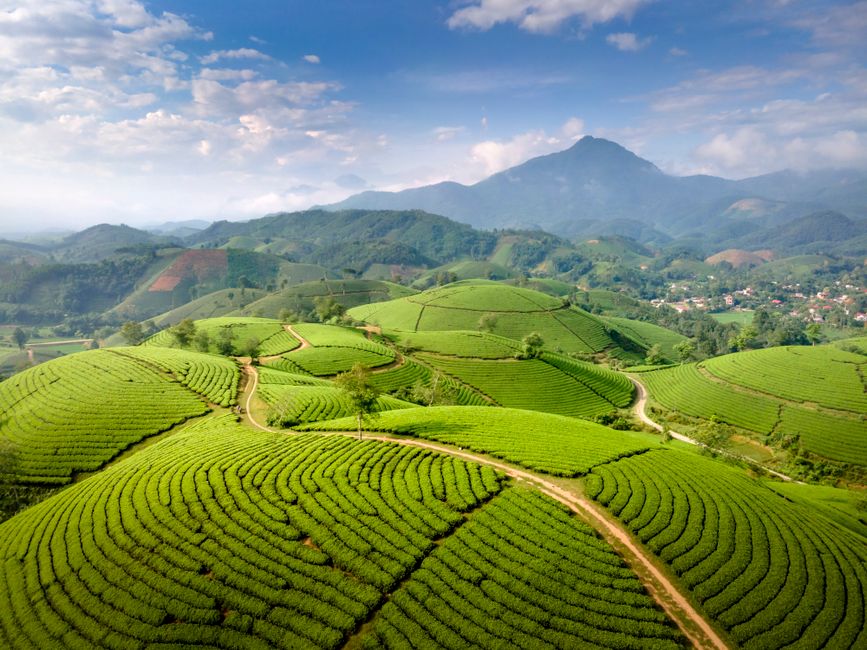
The top luxury option in Rwanda’s Nyungwe Forest National Park is One & Only Nyungwe House. This ultra-luxury resort sits on the edge of the ancient forest inside the working Gisakura tea plantation.
Guests stay in beautiful treetop suites and villas that extend over the canopy. Each room has a private wooden terrace, cosy fireplace, and floor-to-ceiling windows with forest views.
The lodge focuses on wellness and local culture. Enjoy outdoor yoga decks, spa treatments inspired by traditional Rwandan healing, and garden-to-plate dining using ingredients from the lodge’s organic gardens.
You can also join a signature tea ceremony, walk through the tea fields with local pickers, or have a private picnic on a secluded hillside under the stars.
One & Only Nyungwe House is ideal for honeymoons and special trips to Rwanda’s Nyungwe Forest National Park. Contact them 6 or more months ahead for peak dates.
Eco-Lodges and Campsites Around Nyungwe Forest National Park
For travelers who want a closer connection to nature, Nyungwe Forest National Park has several great mid-range and budget options. Best eco-lodges and guesthouses:
- Munazi Lodge: Eco-friendly lodge with stunning forest views. Comfortable rooms and easy access to Uwinka trailheads for chimp trekking.
- Gisovu Guesthouse: Quiet, rustic guesthouse on the northern edge of the park near tea plantations. Peaceful and affordable.
- Uwinka Guesthouse and Campsites: Located inside the park at Uwinka and Gisakura. Perfect for adventurous travelers. Fall asleep to forest sounds and wake up ready for your trek. Basic facilities are provided by park management. Staying at Uwinka or Gisakura puts you closest to the 4:30 AM chimp trekking departures.
Want budget travel tips for Rwanda’s Nyungwe Forest National Park? Guesthouses from $70/night include breakfast and park transfers.
FAQs About Rwanda’s Nyungwe Forest National Park
How much does chimpanzee trekking in Rwanda’s Nyungwe Forest National Park cost?
In 2026, a chimpanzee trekking permit for Nyungwe Forest National Park costs $150 USD per person.
The price includes park entry, a ranger guide, and 1 hour with a habituated chimpanzee group. Permits are limited daily to protect the chimps, so book 4 to 6 weeks in advance through RDB or a registered tour operator.
How do you get to Rwanda’s Nyungwe Forest National Park from Kigali?
The most popular way is a 5 to 6-hour road transfer in a private 4×4 from Kigali. The drive is scenic and passes through Rwanda’s tea countryside.
For a faster option, take a 40-minute domestic flight with RwandAir from Kigali to Kamembe Airport, then a 1-hour drive to the park. Luxury lodges also offer 30 to 45-minute private helicopter transfers directly to Nyungwe Forest National Park.
Is Rwanda’s Nyungwe Forest National Park worth visiting without chimp trekking?
Yes. Nyungwe Forest National Park is worth visiting even if you skip chimp trekking.
You can walk the famous Canopy Walkway, track supergroups of 400+ Angolan colobus monkeys, go birding for 30+ Albertine Rift endemics, hike to waterfalls, or tour a working tea plantation. The forest itself is one of the oldest in Africa and a highlight of any Rwanda trip.
What is the best time to visit Rwanda’s Nyungwe Forest National Park?
The best time to visit Nyungwe Forest National Park is during the dry seasons: June to September and December to February. Trails are drier, wildlife is easier to spot, and trekking is more comfortable. The forest is greenest in the wet season, but trails can be slippery.
What should I pack for Rwanda’s Nyungwe Forest National Park?
Pack waterproof hiking boots, long sleeves, a rain jacket, insect repellent, and binoculars. Mornings are cold and misty, and it can rain any day in Nyungwe Forest National Park.
Conclusion: Experience Nyungwe Forest National Park.
Nyungwe Forest National Park is far more than a side trip on a Rwanda safari. It’s a journey into one of the oldest, wildest, and most important rainforests on Earth.
Whether you’re walking 70 metres above the canopy, listening to chimpanzees call through the mist, or relaxing at a luxury lodge overlooking tea fields, Nyungwe Forest National Park delivers an unforgettable experience.
At Queen of East Africa Luxury Tours, we design bespoke trips to Rwanda’s Nyungwe Forest National Park that handle permits, transfers, and luxury stays so you can focus on the forest.
Ready to explore Nyungwe Forest National Park? Plan your Rwanda safari with Queen of East Africa Luxury Tours today and secure your chimpanzee trekking permit.